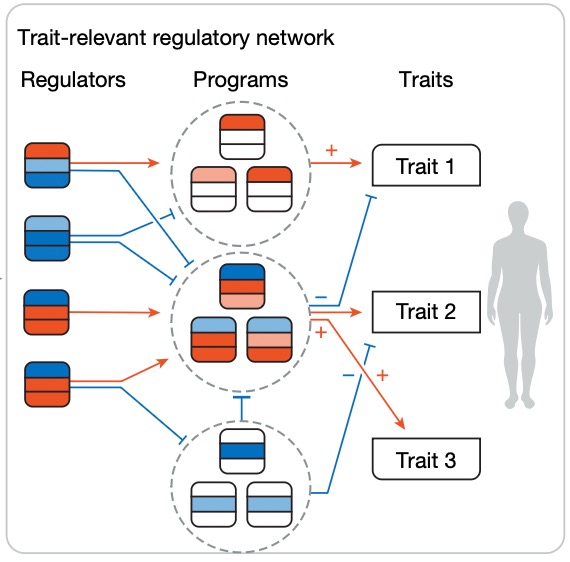
Modern GWAS can identify 1000s of significant hits but it can be hard to turn this into biological insight.
I'm excited to share our new work combining genetic associations and Perturb-seq to build interpretable causal graphs, out today in @Nature:
"All of this falls apart if humans don't adopt the tech. This is why you've seen Meta cram its lame chatbots into WhatsApp and Instagram. This is why Notepad and Paint now have useless Copilot buttons on Windows. This is why Google Gemini wants to "help you" read and reply to your emails. They're trying to change our habits, because all of the projections rely on people becoming truly dependent on the technology. Whether or not it's actually a good thing for society isn't considered to be a factor."
Our Ensembl 2026 paper is out!
Learn about 1,900+ new genomes, expanded pangenome support, new regulation interfaces, and what’s coming in our 2026 releases.
https://t.co/6igGAel7a3
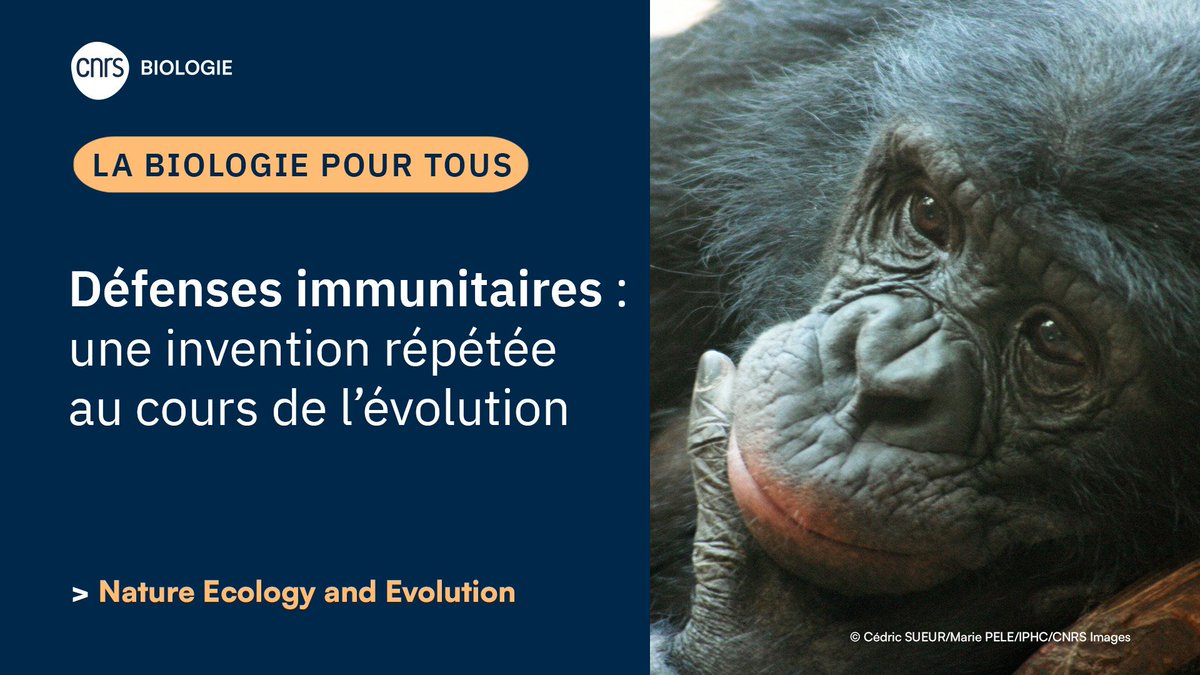
#ResultatScientifique 🔎 Certains gènes antiviraux humains partagent des défenses communes avec les bactéries, révélant une convergence évolutive surprenante 🧬
✍️ @alexandre_lgrnd et Lucie Etienne
📕 Nature Ecology and Evolution
https://t.co/YzMbFxD7Oq
In light of James Watson's death, I post this article which clarifies Rosalind Franklin's contributions to the discovery of the structure of DNA. It is richer than the conventional narrative.
https://t.co/BW5abtUUba
Applications open for the Workshop on Phylogenomics in beautiful Cesky Krumlov in January 2026. Best list of topics and faculty EVER!! More info here: https://t.co/U5OXvSNWWk
For over 20 years, the mouse model organism has helped scientists uncover the biology behind human health and disease.
But the mouse reference genomes still have missing pieces.
The first collection of telomere-to-telomere mouse genomes are available for two key mouse strains.
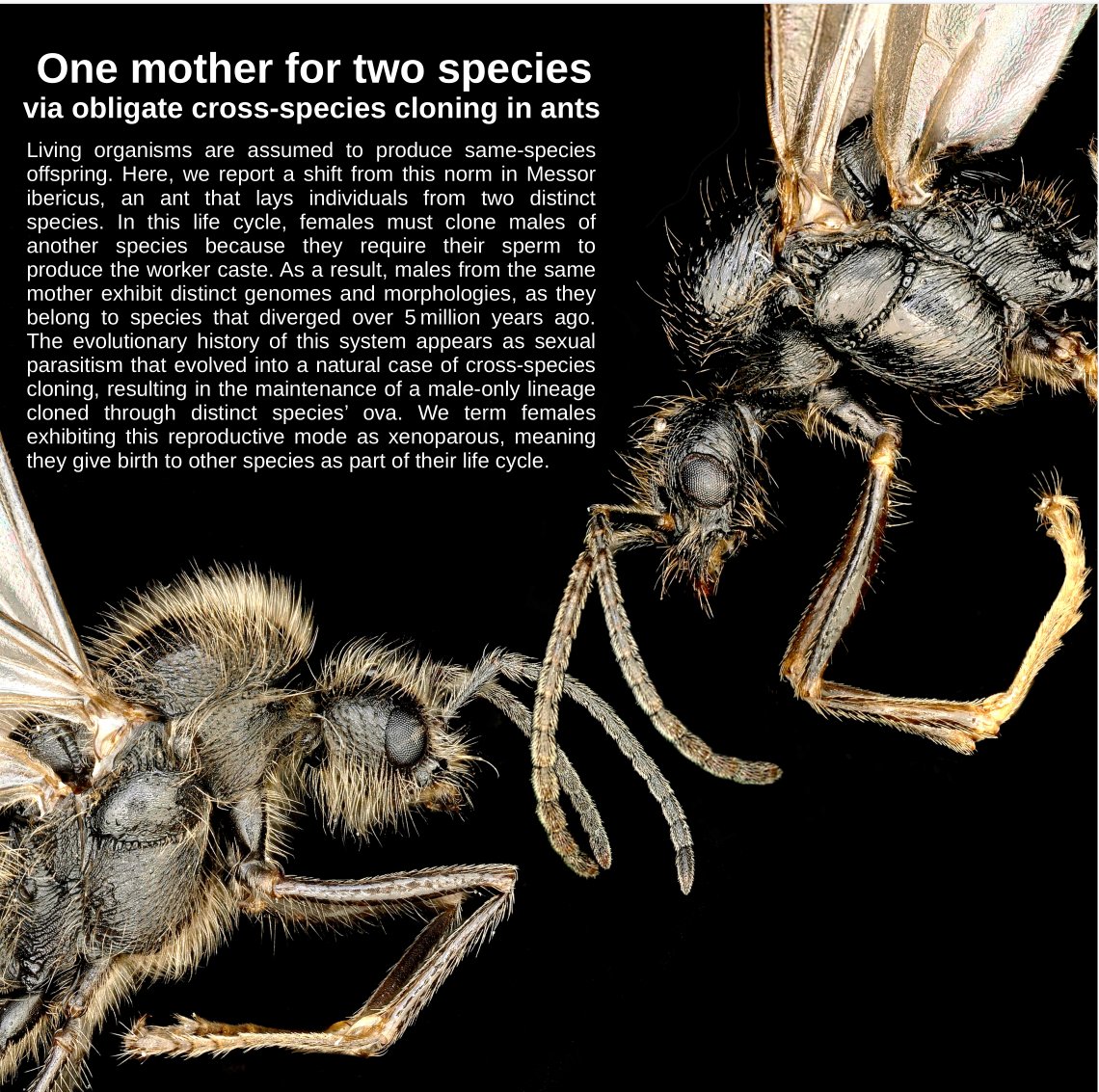
These two males belong to different species—but share the same mother. How? Why? To celebrate the print release of our last paper in this week’s
@nature.com (issue 8084), here’s a thread summarizing the results. Why? Let’s dive in🧵👇https://t.co/V5kzpPyMG9
I am hiring! - looking for a Staff Scientist to co-run my research group with me. Staff Scientist is a senior professional scientist role at EMBL. Please forward to people you might know who could be interested! https://t.co/5ocJtDupnB
How did animals repeatedly conquer land? 🌊➡️⛰️ We analysed ~1,000 gene repertoires (24M genes!) from all animal phyla to uncover how this happened. Work led by @gemmaeling & @klara_eleftheriadi, both first coauthors of this titanic effort!
https://t.co/lZB0KEkkVV
BREAKING NEWS
The 2025 #NobelPrize in Physiology or Medicine has been awarded to Mary E. Brunkow, Fred Ramsdell and Shimon Sakaguchi “for their discoveries concerning peripheral immune tolerance.”
BREAKING NEWS
The 2025 #NobelPrize in Physiology or Medicine has been awarded to Mary E. Brunkow, Fred Ramsdell and Shimon Sakaguchi “for their discoveries concerning peripheral immune tolerance.”
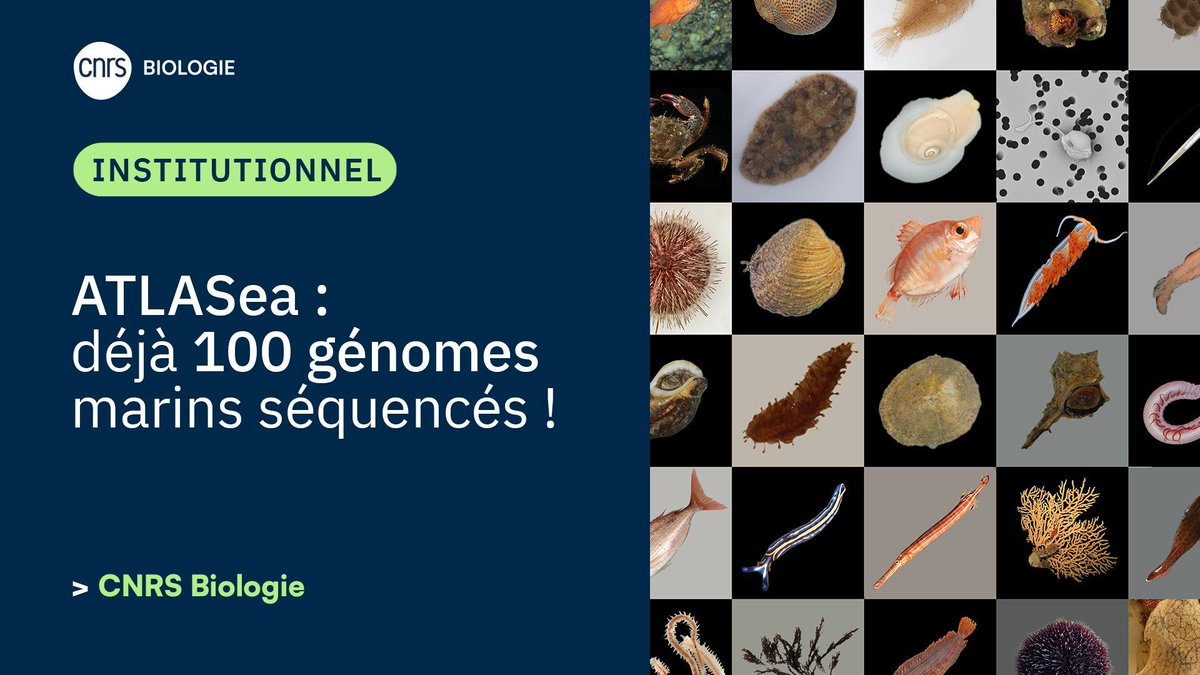
#Institutionnel 🧬 | En septembre 2025, le programme de recherche ATLASea a franchi la barre des 100 génomes marins séquencés !
#PEPR#France2030
▶️ https://t.co/EDT4xqzkSE
En alliant abstraction théorique et retombées concrètes, Stéphane Mallat, lauréat 2025 de la médaille d’or du CNRS, a marqué de son empreinte les mathématiques appliquées à l’informatique. Du format de compression d’images JPEG 2000 aux fondements ... https://t.co/8Q67v9lNis