Twisted Traces is a USA Based Printed Circuit Board Manufacturer focusing quality, cost, & on-time delivery.Serving different industries for more than 30 years.
1-Layer vs 2-Layer PCBs
Single-layer PCBs offer simple, cost-effective designs, while 2-layer PCBs provide improved routing flexibility and higher component density for compact electronic applications.
Read more: https://t.co/RbCkye3WnW
#PCB#PCBDesign#Electronics#Engineering
PCB Panelization Methods
V-groove, tab routing, and perforated tabs are widely used PCB panelization methods that improve manufacturing efficiency, board uniformity, and handling during assembly and depaneling.
Read more: https://t.co/xtT24K6In6
#PCB#PCBManufacturing#PCBDesign
Choosing the Right PCB Substrate
From FR4 and Polyimide to Rogers and PTFE, substrate materials directly impact PCB reliability, signal integrity, thermal stability, and performance in demanding applications.
Read more: https://t.co/69kocUmdVN
#PCB#Electronics#PCBDesign#PCBA
PCB Layers Matter
From single-layer boards for simple electronics to multilayer PCBs for high-speed and high-density applications, the number of layers directly impacts performance, routing, and EMI control.
Read more: https://t.co/bPjiVuf0fn
#PCB#PCBDesign#Electronics#PCBA
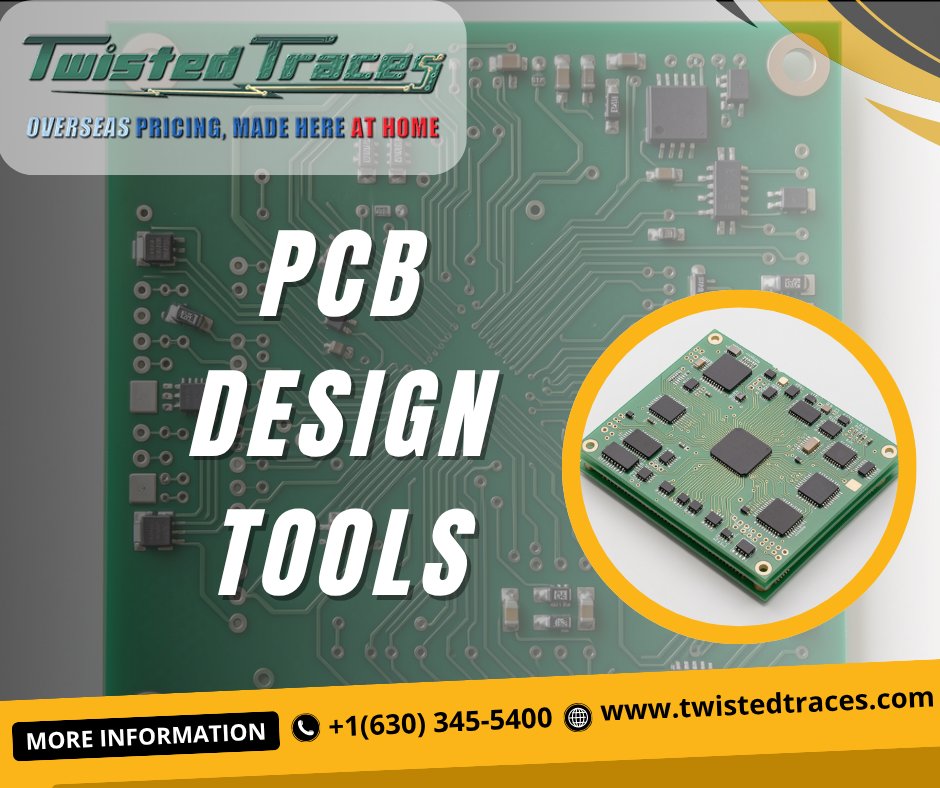
PCB Design Tools
CAD software, Gerber and Excellon files, stencils, and soldering tools support PCB design and manufacturing. These tools help define layouts, drilling, solder paste application, and component assembly.
Read more: https://t.co/LL6fDVVH5o
#PCB#Engineering#PCBA
Understanding PCB Layers
Internal copper layers manage signal and power distribution, while external layers support component mounting and connectivity. PCB layer count depends on design complexity and application requirements
Read more: https://t.co/c0fykj769N
#PCB#Electronics
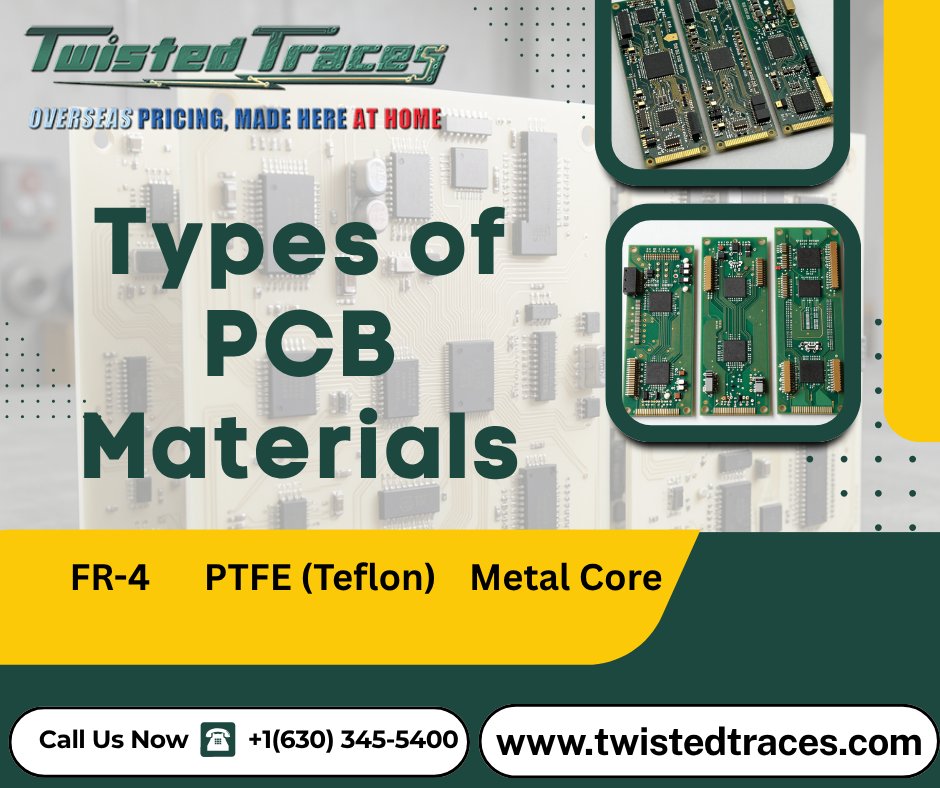
Types of PCB Materials
FR-4 offers a balance of cost and performance, PTFE supports RF and high-frequency signal transmission, and metal core PCBs provide efficient heat dissipation. Selection depends on dielectric, thermal, and operating conditions.
Read: https://t.co/HmmRd646ao
Improve PCB Reliability with Proper Clearance
Maintain 0.1” edge spacing for components, 0.02” for copper traces & follow IPC standards to prevent damage during assembly and depanelization.
Read more: https://t.co/qu9GdqBrPz
#PCBLayout#ElectronicsEngineering#Manufacturing#PCB
Why Burn-In Testing Matters
Burn-in testing exposes PCBs to temperature and voltage stress to detect early failures. It helps improve reliability, reduce warranty issues, and ensure consistent performance.
Read more: https://t.co/LvtnpMcSF7
#PCBManufacturing#PCBAssembly#PCB
PCB Design Process: Why It Matters
PCB design defines signal integrity, thermal performance, and manufacturability. From schematic to layout, disciplined placement and routing ensure reliable performance and stable power delivery.
Read more: https://t.co/ULRMTh8Fw0
#PCBDesign
Why Solder Mask Is Essential in PCBs
Solder mask protects copper traces from oxidation, prevents short circuits, and ensures reliable assembly. Available in multiple colors & finishes for performance and identification.
Read more: https://t.co/Spbb7tzmGk
#PCBDesign#SolderMask
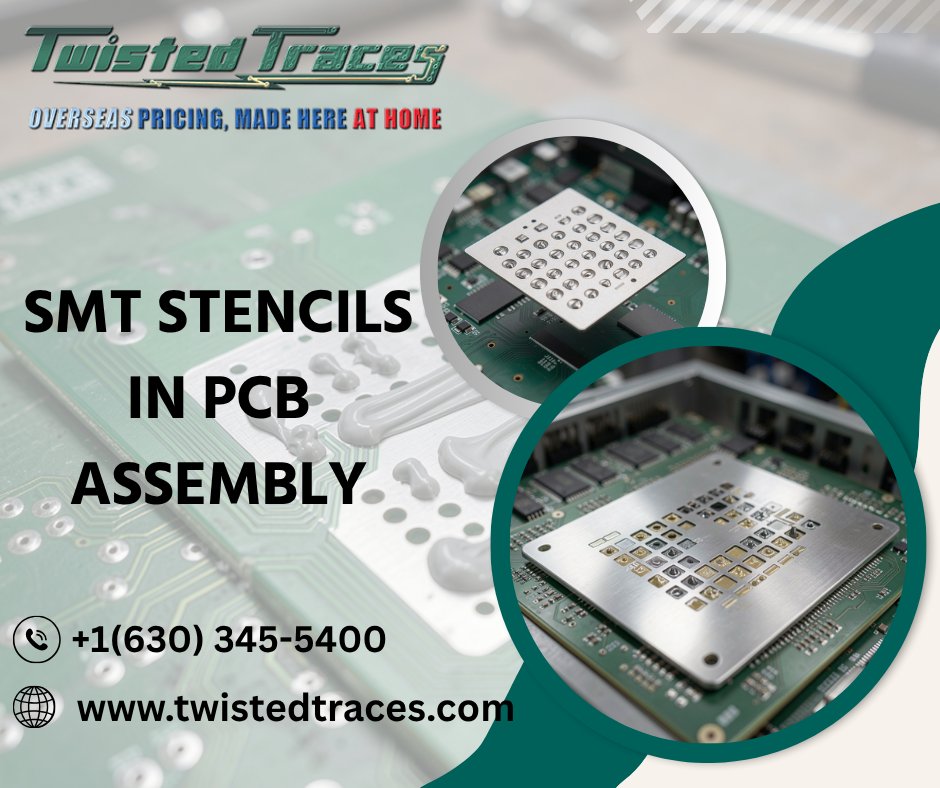
SMT Stencils: Key Role in PCB Assembly
SMT stencils are precision sheets with apertures for controlled solder paste on PCB pads. They improve accuracy, reduce defects, and support fine-pitch, prototyping, and high-volume production.
Read more: https://t.co/Yxk7m5BLS3
#SMT#PCBA
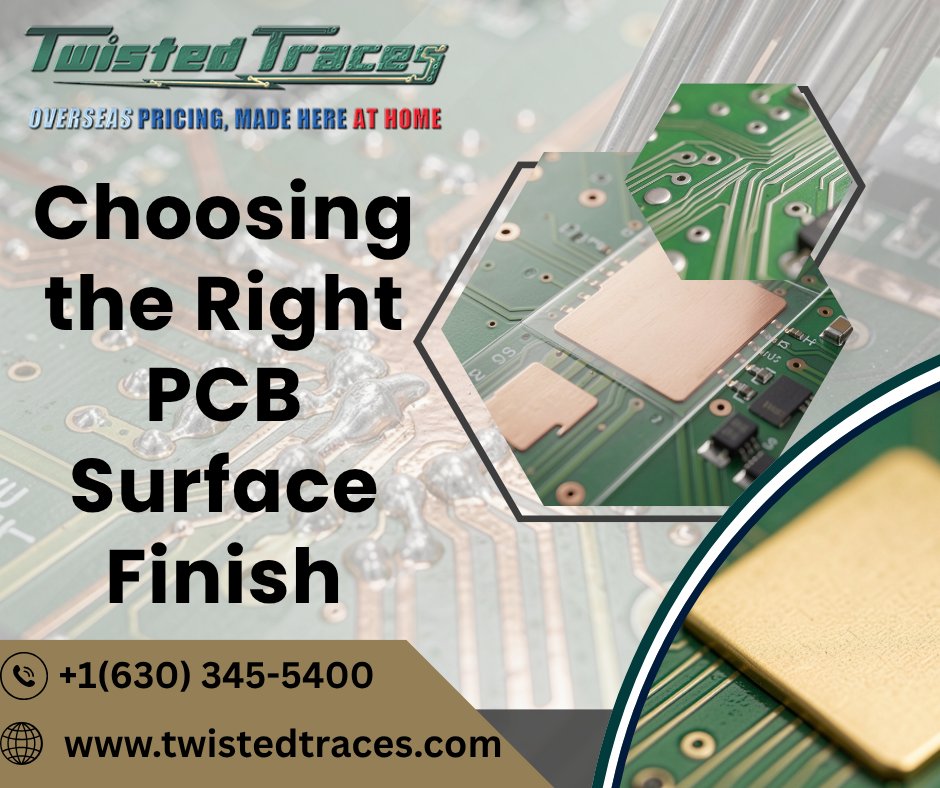
Not all PCB surface finishes perform the same.
ENIG, Immersion Silver & Tin impact solderability, durability & long-term reliability. Choosing the right finish depends on application needs and environment.
Read more: https://t.co/badKl3xwfA
#PCBDesign#PCBManufacturing#PCB
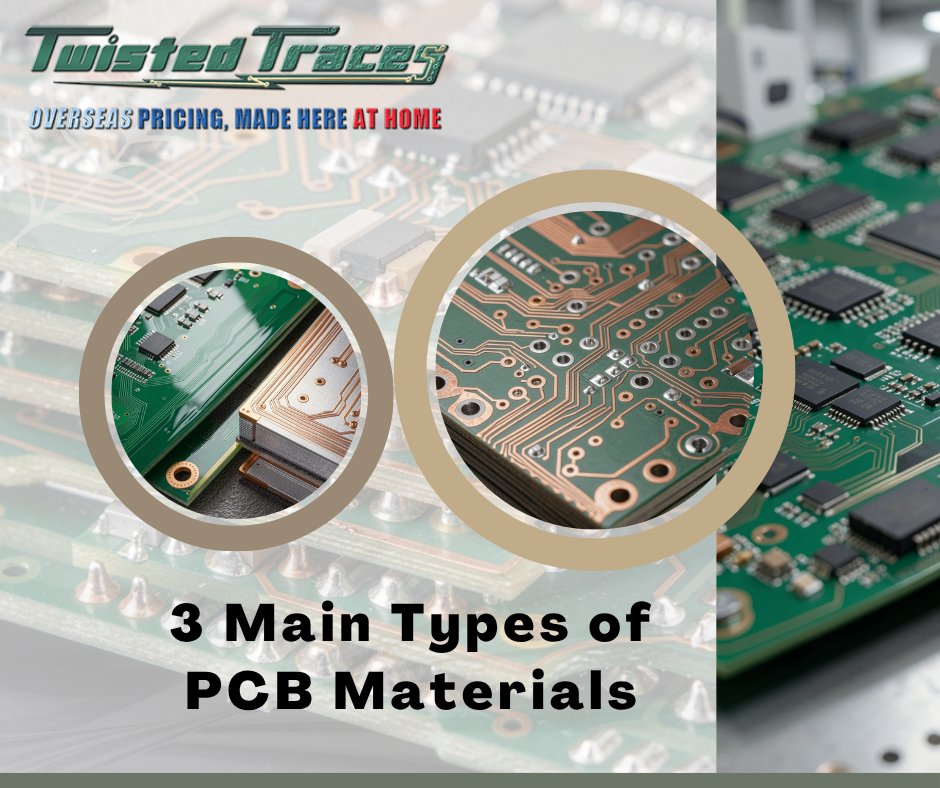
3 Main Types of PCB Materials
FR-4, PTFE, and Metal Core substrates each impact signal integrity, heat management, and reliability differently. Choosing the right one improves PCB performance.
Read more: https://t.co/eeHU73lKVn
#PCBMaterials#PCBDesign#Electronics#Engineering
PCB Failures: Causes and Prevention
Most PCB failures come from design, material, or process issues. Learn how to identify solder, thermal and environmental risks and prevent costly downtime.
Read more: https://t.co/es28vedyZM
#PCBDesign#PCBManufacturing#Electronics#PCB