Inclusion in volcanological publishing, a🧵:
As one of the goals of volcanology is to provide aid and disaster prevention/mitigation to communities living near volcanoes, representation of those people's perspectives and needs are important. 1/
https://t.co/0ZLe41VEQr
New paper! How inclusive is volcanology? Here are new insights from a global bibliometric analysis by @Tyranakisaurus and colleagues!
https://t.co/n9xrCWCe4c
@JoLatuSanft Hi @JoLatuSanft, I am a researcher working on a project related to the impacts of volcanic ashfall from eruptions. Would you be able to give me permission to reproduce these photos in an academic publication (or the contact info of the photographer)? Happy to discuss. Thanks!
More or less done here and probably close to deleting this account (or at least probably not posting anymore). Can find me on the other place (same handle), where I’m going to try to be more active again. See you over there maybe for volcano stuff. 🙂🌋🌋🌋
Interested in doing a #PhD in #volcano petrology @ntu_ase and @EOS_SG ? 🌋 We have an exciting project looking into timescales and storage conditions in basaltic magmatic systems. For more info contact [email protected] or visit https://t.co/y43hn3PAGy
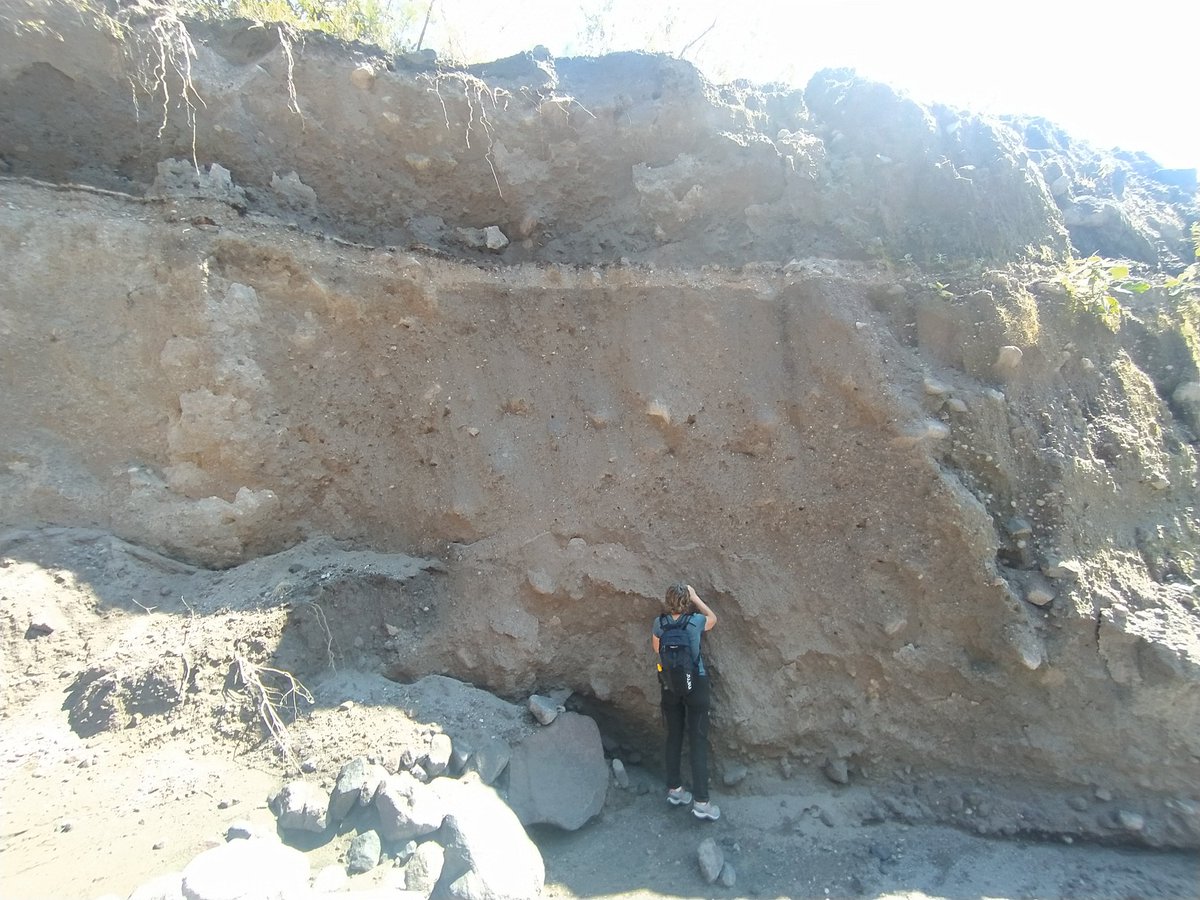
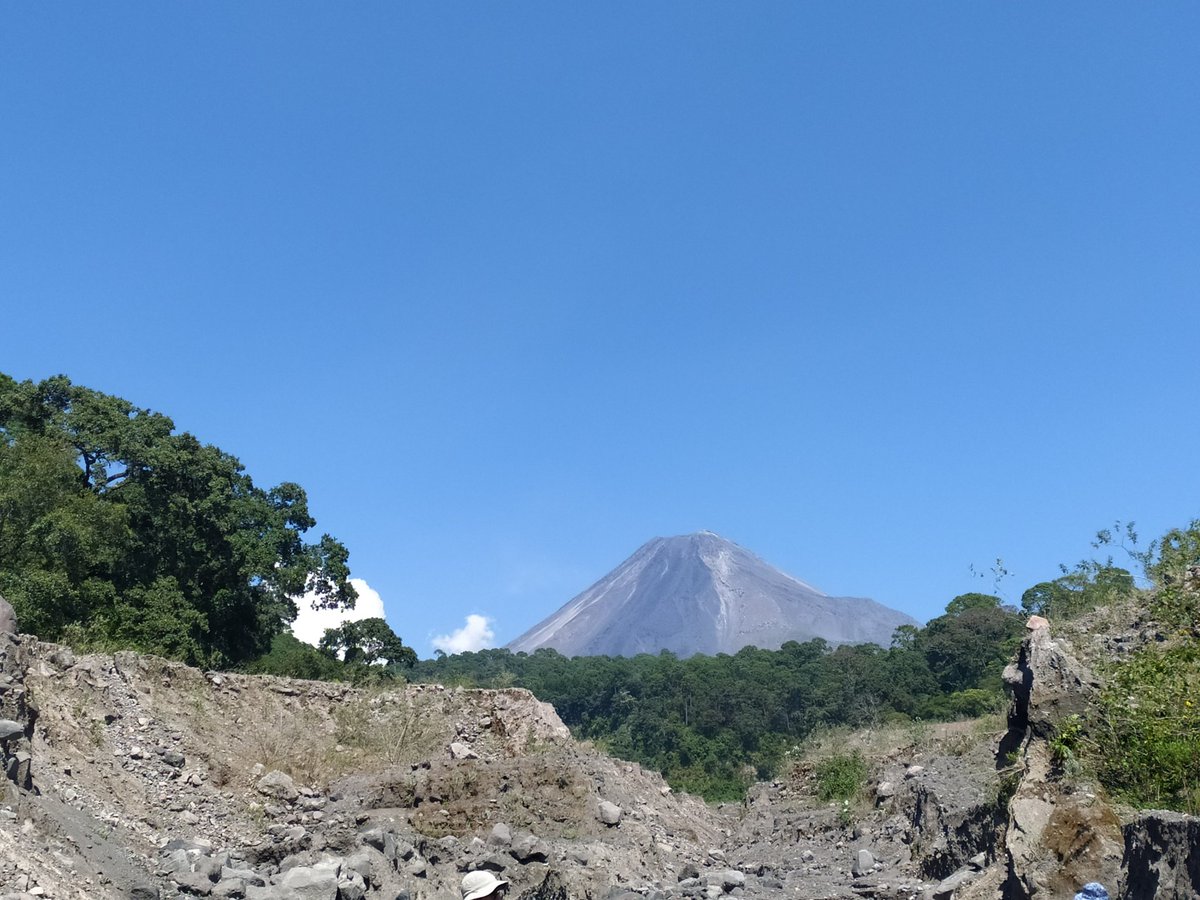
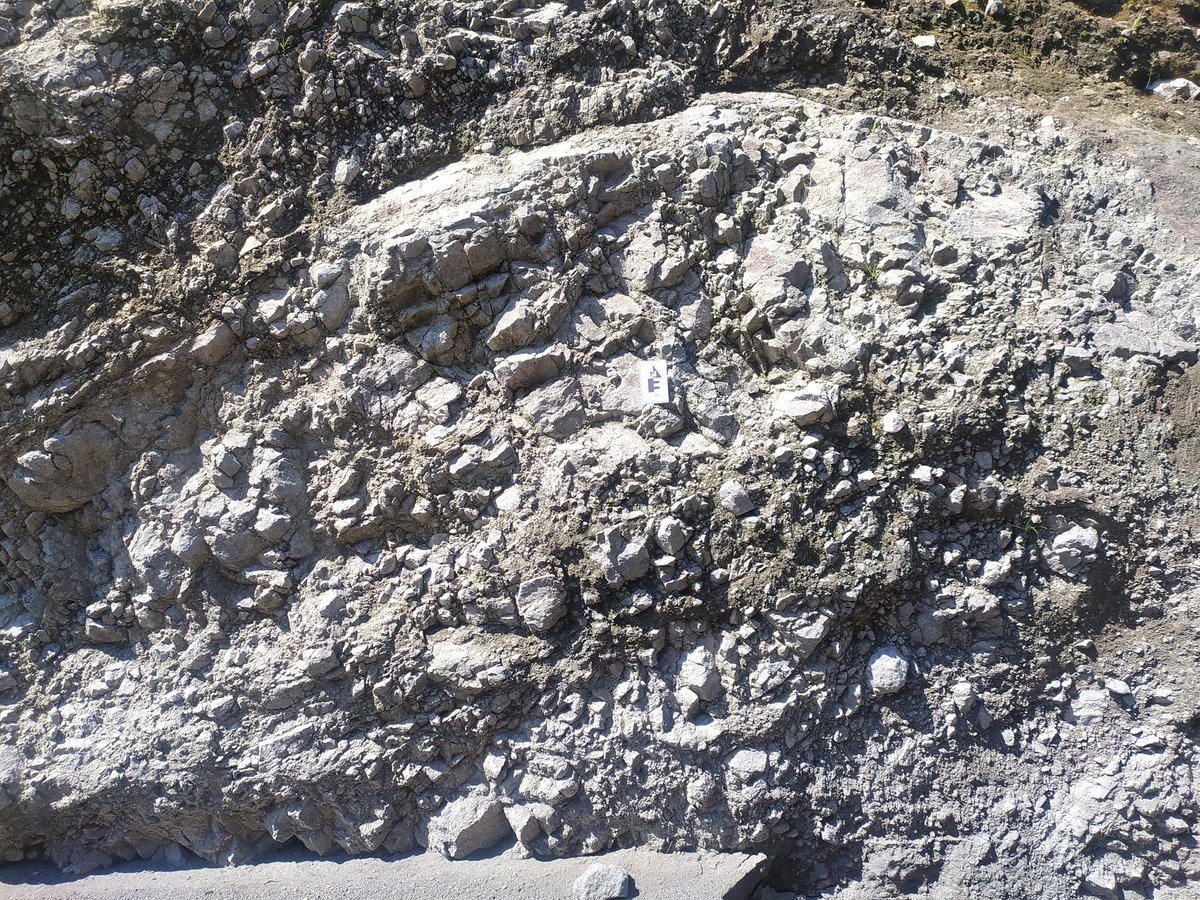
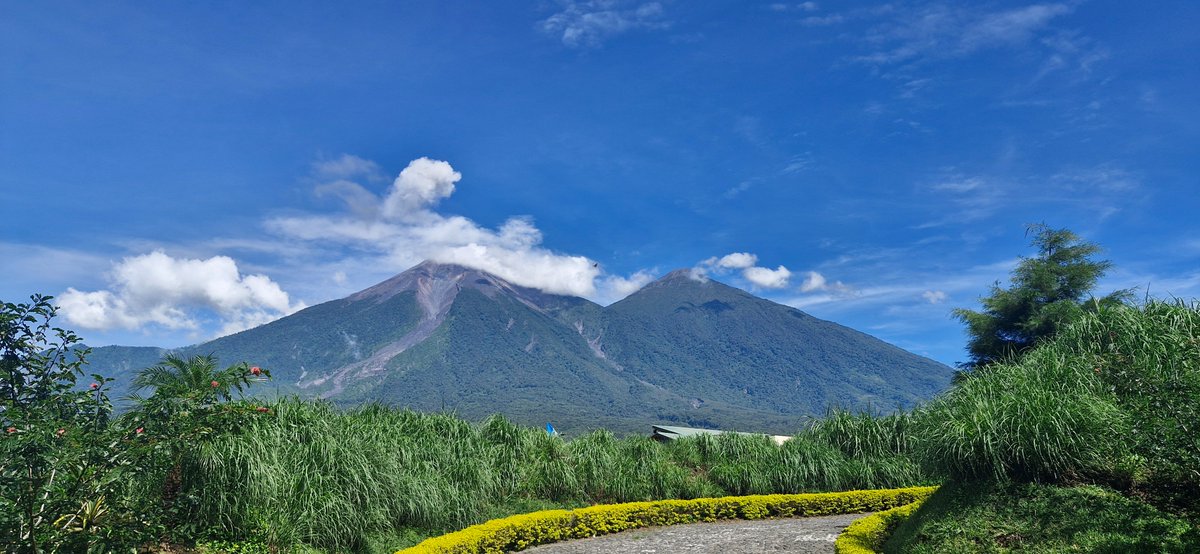
A great field trip to Fuego de Colima volcano. Avalanches, PDC's and lahars. This is a natural lab of a very dynamic environment. It has been amazing!!!!!
Acompañanos a nuestro próximo Seminario Institucional impartido por la Dra. Elizabeth Rangel Granados, "Explorando el archipiélago de Revillagigedo".
📅 23 de octubre, 12:00 hrs.
📍 Auditorio Tlayolotl - Dr. Ismael Herrera Revilla.
🔗Registro: https://t.co/TWgZdAL1Sr
Interested in working on hydrothermal processes in volcanic systems at Uppsala University in Sweden. Apply for *Postdoctoral position* until November 1st: https://t.co/e5W80PipwZ
And if you missed it live you can now watch it at x2 speed while you do your dishes! Feedback and thoughts are very much welcome—and encouraged. How can we improve use of scientific information for risk reduction?
Big thanks to @SZ4D1@SZ4Grads
https://t.co/0bDYzG2lyF
Hello 🌋 folks! We've been quiet but now have something to share:
@IAVCEI_official guidelines for international collaboration in volcanology! Open access and easily transferable to other fields 🤗
https://t.co/Ci3C7nBfXh
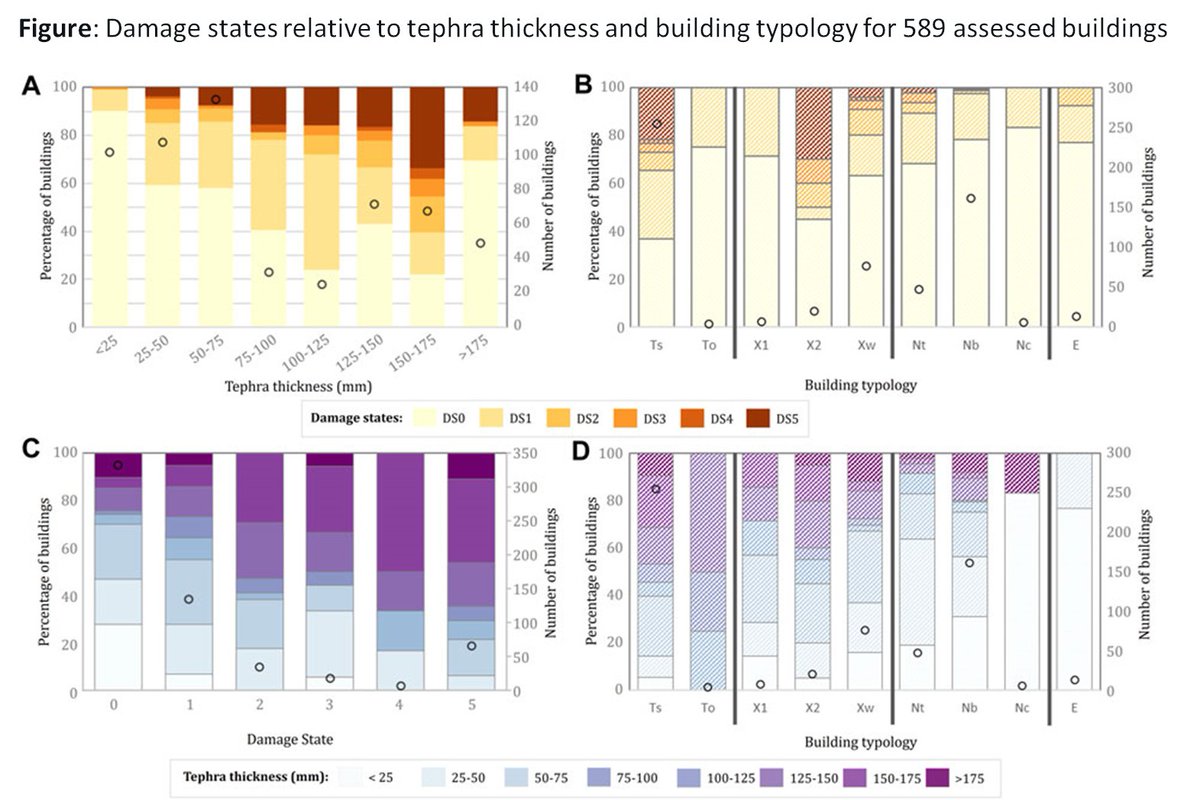
How do we better forecast impacts from volcanic eruptions? DATA!
New paper on building damage from the 2017–2018 Manaro Voui tephra falls, Vanuatu. And some neat community-driven mitigation strategies. With @UCNZEarthEnv@gnsscience@ForecastVMGD
https://t.co/D5t2RcZega
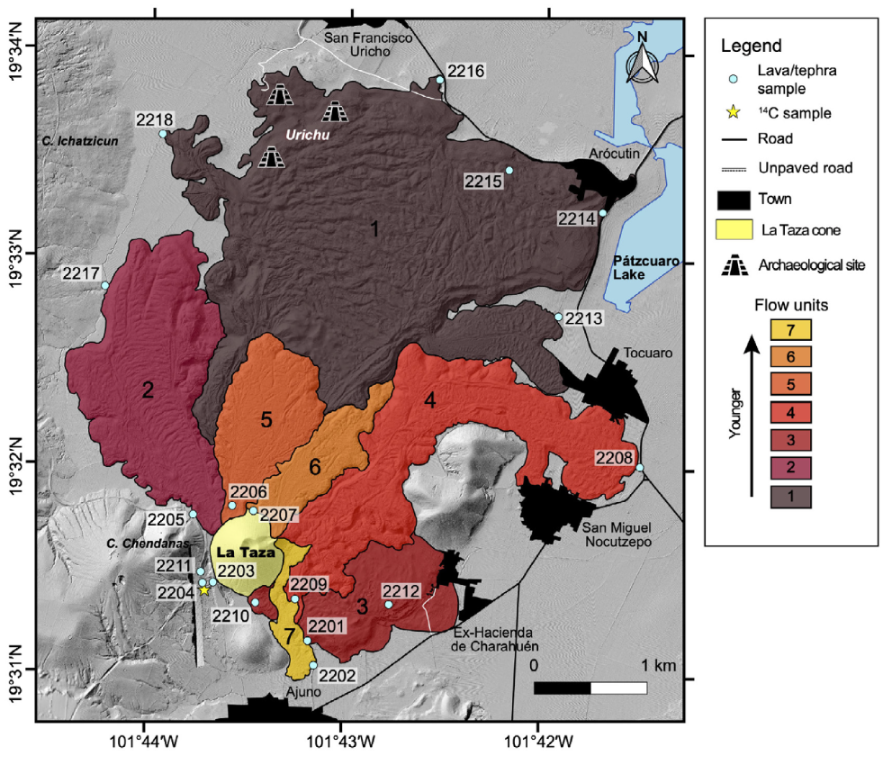
So if you are interested in monogenetic/distributed volcanism, lava viscosities, lava flow mapping, or any of the other topics I've mentioned, I hope you'll have a look! It is freely available through the (always) open-access @WeAreVolcanica journal.
https://t.co/MXtqpK7rNl
How long do monogenetic eruptions last? We use lava flow morphology, petrology, and viscosity to look at that in our new paper about the effusive eruptions of the ~8.5 ka La Taza scoria cone in Michoacán, Mexico.
https://t.co/SPz2dnHddk
We compiled the several volcanoes in the region studied in this way. La Taza is among the smallest and shortest-lived eruptions studied. Monogenetic volcanoes in this region have had eruptions ranging between 6 months and tens (or possibly even hundreds!) of years.