The Water Center operated from 2014-2020 alongside a 5-year USAID project. UU researchers continue interdisciplinary research to promote global water security.
A Harvard psychologist quietly admitted something that destroys the way most people study.
She said it during a routine advising session, and a student posted it in a study group that eventually reached hundreds of thousands of people.
Her name is Jessie Schwab, and she works inside the Harvard College Writing Program.
Here's what she said: "Learners are often bad judges of their own learning. Memorization seems like learning, but we probably haven't deeply processed that information enough to remember it days or even hours later."
That one sentence explains why you can study for three hours and still blank on the exam.
Here's the system she actually teaches Harvard students instead.
Before you read a single word of a new chapter, stop and write down what you already know about the topic and what you expect to learn. This primes your brain to treat new information as an update, not a cold upload.
While you read, take notes about connections to other things you know, not just definitions. The brain doesn't store isolated facts well, but it stores relationships between ideas extremely well.
After you finish, close the material and try to summarize what you learned from memory. The struggle of retrieval is the actual learning. Reading it again is just comfortable, not effective.
The researchers she references call this "desirable difficulties," and the analogy is perfect: reading your notes is like watching someone else lift weights. Testing yourself is actually going to the gym.
The students who use this system at Harvard aren't necessarily smarter. They've just stopped confusing the feeling of familiarity with the fact of retention.
Those are two completely different things, and most people never figure that out.
We are excited to announce the brand new AGU Water Quality website! We have exciting plans to continue #HaikuYourResearch (visit site for prev. winners!), a new #WaterYouGraphing event, and more. Come check it out and sign up for the mailing list :).
https://t.co/iRlk1D80qh
When there’s a shortage of water, it’s people living in poverty who suffer the most.
Find out how we work to improve access to water for urban & rural residents around the world: https://t.co/kzqhN2aoXF
#SDG6
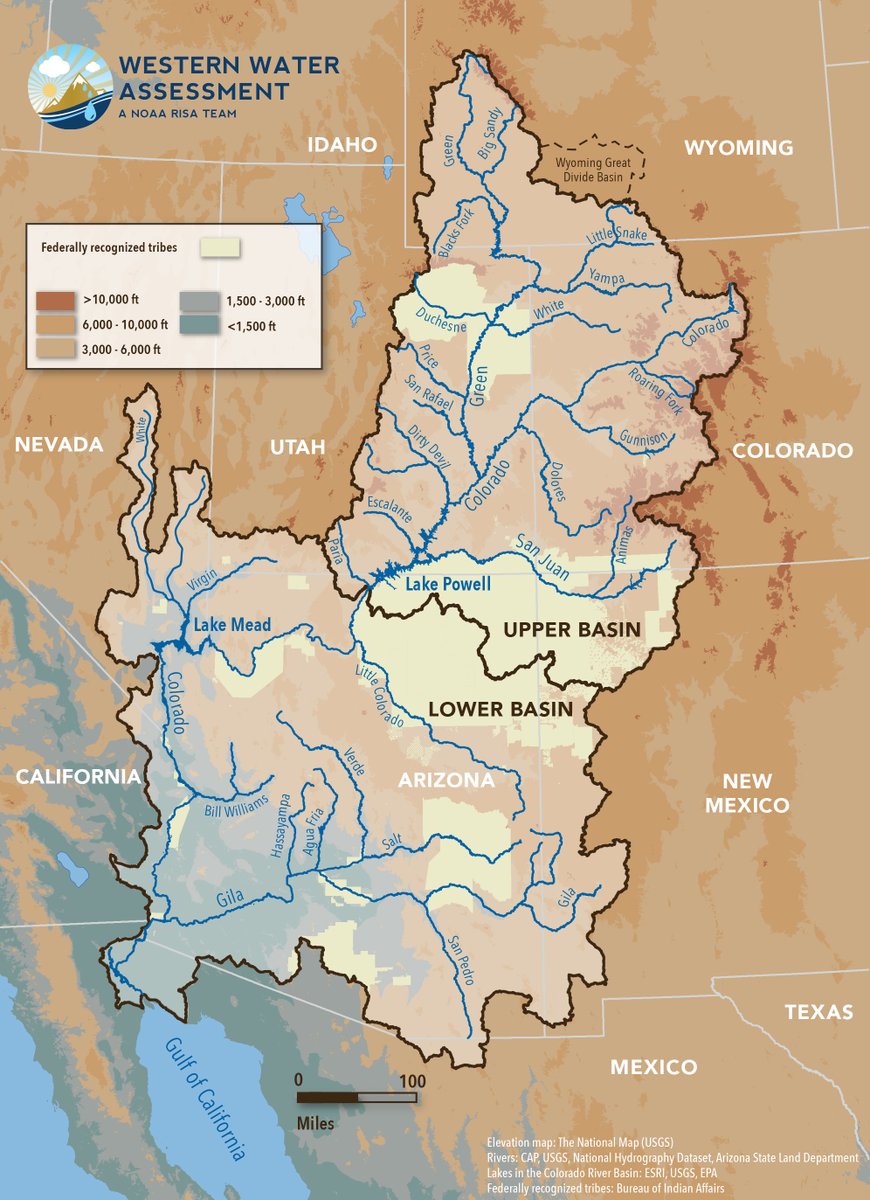
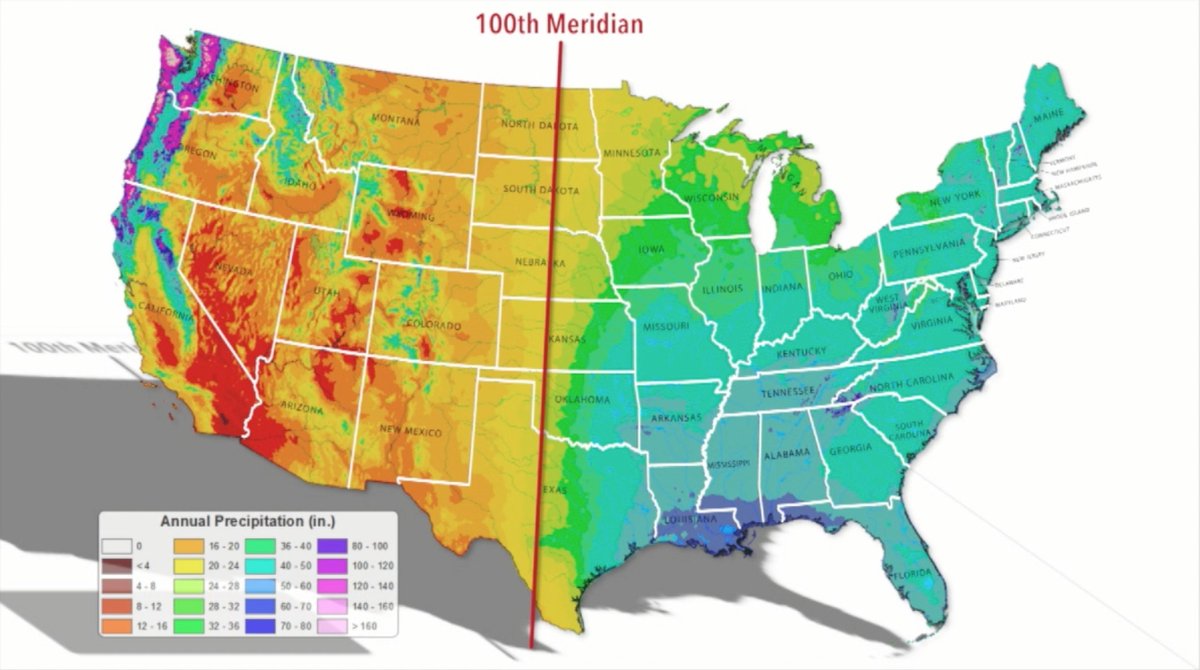
Jeff Lukas discusses #climate patterns in the #ColoradoRiver Basin, and how we can use this information to study the past, present, and future climate of the western US. https://t.co/cqA7CfWChd
Learn more from the Water in the Western US #MOOC: https://t.co/I9RHSva8Xq
Former Interstate Streams Division Administrator for the Wyoming State Engineer's Office, Sue Lowry, discusses interstate #water conflicts and how they can be resolved in the US. https://t.co/kp8kNuTuG5
Sign up for the Water in the Western US #MOOC here: https://t.co/ynl56BZSjM
The Sixth Annual Symposium on Water in Israel and the Middle East will be held on May 18. This year's theme is "Water Security, Sustainability, and Innovation." Learn more:
In this video, @scienved and @aureuther give an overview of the physical and political geography that defines the Western US. https://t.co/uKtYACR8Ng
Sign up for the Water in the Western US #MOOC if you're interested in #water and #climate in the region: https://t.co/I9RHSva8Xq
5⃣ Summer School in Water Governance
@GenevaWaterHub is organizing the Summer School about Water Governance: Frameworks and Negotiations which will take place between 4-15 July. Participants will learn how to use water governance tools to address complex political situations.💦
📢We are hiring!
We are looking to recruit several Senior #Economists to work analysing:
💹Environmental #fiscal reform
🏭#Carbon pricing
🌍Environmentally harmful #subsidies
⚡️#Climate & #energy policies
Apply by 8 May ⤵️
https://t.co/ByWURT5H0g
"Many people in the United States have imagined climate change as a problem in the future. But it is here now, and the primary way that each of us is experiencing climate change is through water. The climate crisis is a water cris... #MostEndangeredRivers https://t.co/dPnbSBVRNM
WWA Director Ben Livneh is a leader in #climate science research including the compounding impacts of wildfire, snowpack dynamics, and building resilience among water providers. Check out his recent paper below. #EarthWeek2022
https://t.co/L83wRYN9UZ
Global crises like climate change and pandemic response pose critical challenges for society. Solutions to such challenges require social change. But how *does* lasting, beneficial social change occur? Strangely, few have asked that question in a rigorous way. 1/
We are Water (@WeAreWaterSW) honors diverse perspectives and multiple ways of knowing about #water in the Four Corners of the Southwestern U.S. Join the conversation by sharing your own reflection(s) about water. https://t.co/jh7byRESZg
We are hiring Hydrologists in our Hydrologic Studies sections in both the northern Carson City & southern Boulder City duty stations.
If you are a qualified U.S. citizen seeking a career in basin & range hydrology, please apply before April 21st: https://t.co/bvNpO4KGpE
Distribution System Operator, Las Vegas, Nevada | Have knowledge of water operations and electrical and mechanical operational principles pertaining to pumps, motors, and valves | Apply here: https://t.co/qUEkQFLiHm #waterjobs#workforwater
Happy #WorldWaterDay from all of us at WWA!
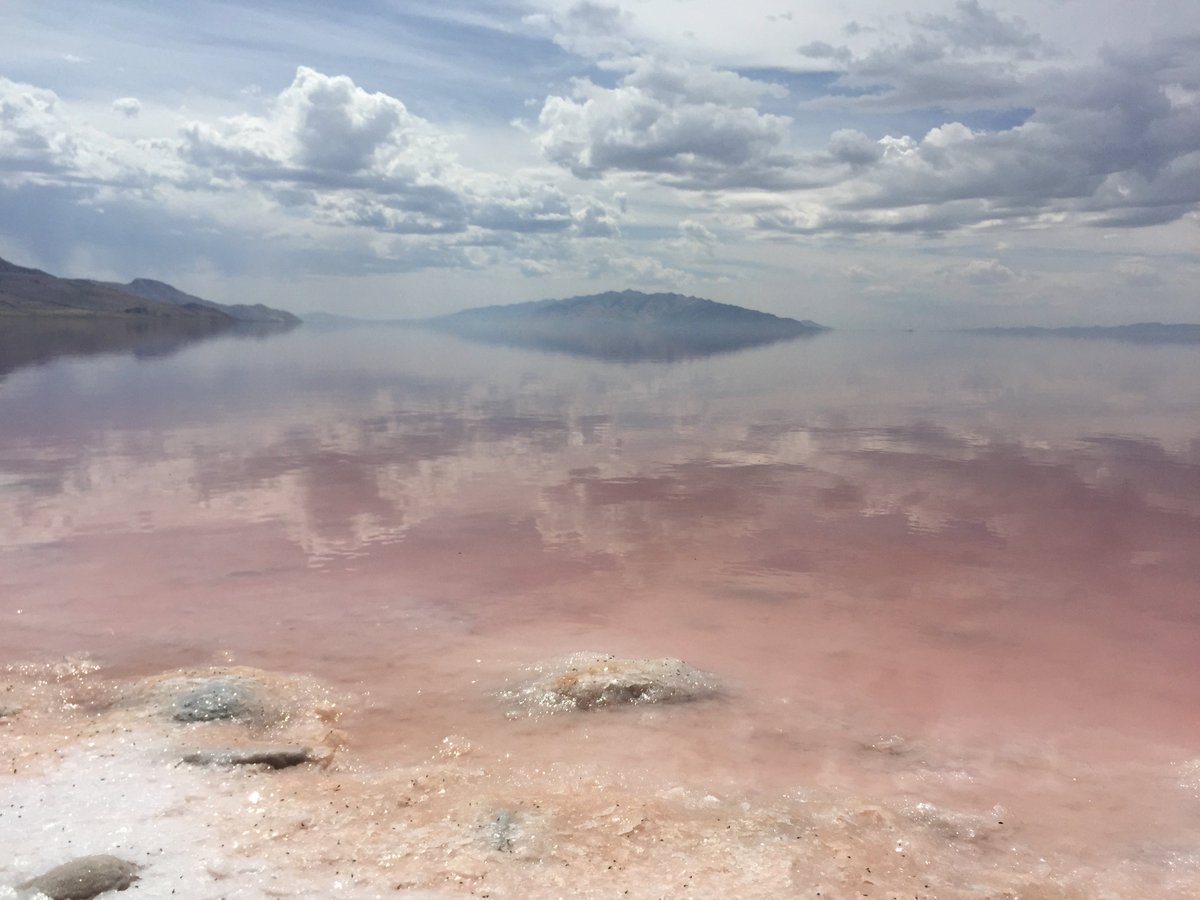
Photo from WWA's Seth Arens looking across the Great Salt Lake's Carrington Bay. The lake's hypersalinity causes salt precipitate on the lake bed. The pink color comes from cyanobacteria that thrive in the extreme salt environment.
🚰 1 in 3 people live without safe drinking water.
💧 By 2025, half of the global population will be living in areas where water is scarce.
On Tuesday's #WorldWaterDay & every day, let's commit to protect this valuable resource! https://t.co/TblnsWKp1A