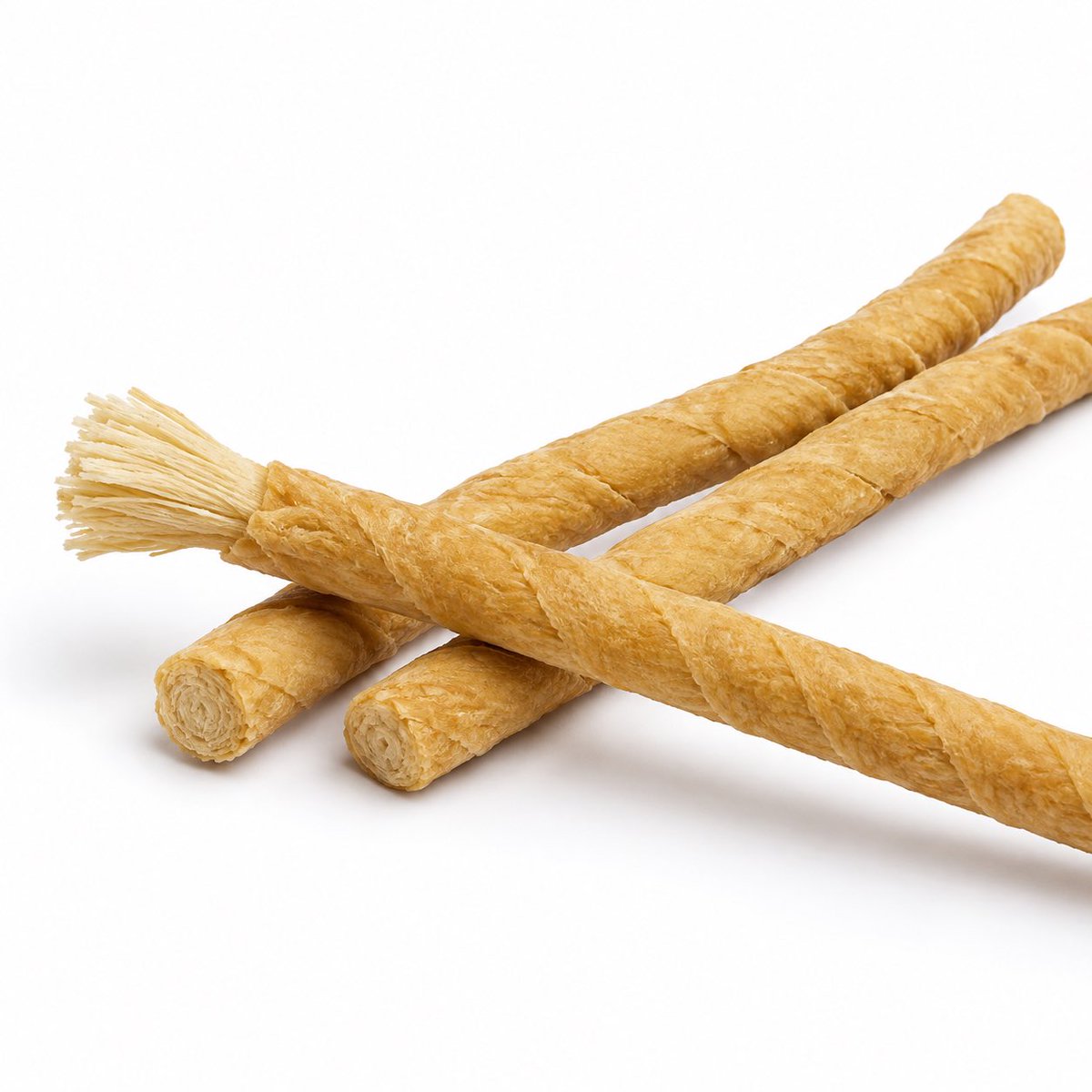
Hadith No:35/430. Umdatul Ahkam.
(Chapter on Ghusl from Janabah)
ʿUmar ibn al-Khaṭṭāb (رضي الله عنه) asked:
“O Messenger of Allah, can one of us sleep while he is in a state of janābah?”
The Prophet ﷺ replied:
“Yes. When one of you performs wudu, then let him sleep.”
Arabic:
عَنْ عَبْدِ اللَّهِ بْنِ عُمَرَ، أَنَّ عُمَرَ بْنَ الْخَطَّابِ رَضِيَ اللَّهُ عَنْهُ قَالَ: يَا رَسُولَ اللَّهِ، أَيَرْقُدُ أَحَدُنَا وَهُوَ جُنُبٌ؟ قَالَ: نَعَمْ، إِذَا تَوَضَّأَ أَحَدُكُمْ فَلْيَرْقُدْ
Explanation:
This Hadith establishes that a person who is in janābah does not have to perform ghusl immediately simply because he wants to sleep.
For example, if a husband and wife have intercourse at night and they want to sleep before Fajr, they may sleep without performing ghusl first.
However, the Prophet ﷺ instructed the person to perform wudu before sleeping.
Why is this important?
Janābah is a state of major ritual impurity. It does not mean that the person’s physical body has become dirty.
A person in janābah can:
eat,
drink,
sleep,
interact with other people.
But before performing an act that requires major purification, such as ṣalāh, ghusl is required.
Important practical lesson:
If someone becomes junub at night:
Option 1: Perform ghusl immediately and sleep.
Option 2: Perform wudu and sleep, then perform ghusl before Fajr prayer.
The second option is supported directly by this Hadith.
Hadith No:32/430. Umdatul Ahkam.
(The chapter on Ghusl from Janabah)
Narrated by ʿĀ’ishah (رضي الله عنها):
“When the Messenger of Allah ﷺ performed ghusl because of janābah, he would wash his hands, then perform ablution as he performed ablution for prayer. Then he would run his fingers through his hair until he thought that the water had reached his skin. Then he would pour water over his head three times, and then wash the rest of his body.”
Arabic
عَنْ عَائِشَةَ رَضِيَ اللَّهُ عَنْهَا قَالَتْ: كَانَ رَسُولُ اللَّهِ ﷺ إِذَا اغْتَسَلَ مِنَ الْجَنَابَةِ، غَسَلَ يَدَيْهِ، ثُمَّ تَوَضَّأَ وُضُوءَهُ لِلصَّلَاةِ، ثُمَّ يُخَلِّلُ بِيَدِهِ شَعَرَهُ، حَتَّى إِذَا ظَنَّ أَنَّهُ قَدْ أَرْوَى بَشَرَتَهُ، أَفَاضَ عَلَيْهِ الْمَاءَ ثَلَاثَ مَرَّاتٍ، ثُمَّ غَسَلَ سَائِرَ جَسَدِهِ
Explanation:
This Hadith gives us a practical description of the Prophet’s ﷺ method of ghusl from janābah.
The procedure mentioned is:
Wash the hands first.
This is an act of cleanliness before beginning the main purification.
Perform wudu.
The Prophet ﷺ would perform an ablution similar to the wudu performed for prayer.
Ensure that water reaches the roots of the hair.
He would run his fingers through his hair so that water could reach the scalp.
This is particularly important where hair is thick.
Pour water over the head three times.
The three pours ensure that the head and hair are thoroughly wet.
Wash the entire body.
Water must reach the whole body.
Ghusl is not merely taking an ordinary shower. The purpose is ritual purification, and the whole body must be reached by water.
Hadith No:31/430. Umdatul Ahkam.
(The chapter on Ghusl from Janabah/impurity)
A very important chapter.
Abu Hurayrah رضي الله عنه said:
“The Prophet ﷺ and I are on one of the roads of Madinah while I was in a state of janabah. I slipped away from him, went and performed ghusl, and then returned.
He asked: ‘Where were you, O Abu Hurayrah?’
I replied: ‘I was in a state of janabah, and I disliked sitting with you while I was not in a state of purification.’
He said:
‘Glory be to Allah! Indeed, the Muslim does not become impure.’”
Explanation:
This Hadith makes an extremely important distinction:
Janabah is a state of ritual impurity, not physical impurity.
Abu Hurayrah رضي الله عنه thought that because he was in janabah, he should avoid sitting with the Prophet ﷺ until he performed ghusl.
The Prophet ﷺ corrected this understanding by saying:
إِنَّ الْمُسْلِمَ لَا يَنْجُسُ
“Indeed, the Muslim does not become impure.”
This means that a Muslim who is in a state of janabah is not physically dirty or najis.
For example, if someone needs ghusl because of sexual intercourse or ejaculation, he remains physically clean. He can sit with people, speak to them, eat, drink and carry out normal activities. However, certain acts of worship require ritual purification, such as prayer.
The key distinction:
Janabah ≠ physical impurity.
Rather:
Najāsah (نجاسة) = physical impurity, such as urine.
Hadath/Janabah (حدث/جنابة) = a state of ritual impurity that requires purification for certain acts of worship.
This is why the Prophet ﷺ corrected Abu Hurayrah’s assumption.
Arabic context;
عَنْ أَبِي هُرَيْرَةَ رَضِيَ اللهُ عَنْهُ قَالَ: أَنَّ النَّبِيَّ ﷺ لَقِيَهُ فِي بَعْضِ طُرُقِ الْمَدِينَةِ وَهُوَ جُنُبٌ، قَالَ: فَانْخَنَسْتُ مِنْهُ، فَذَهَبْتُ فَاغْتَسَلْتُ، ثُمَّ جِئْتُ، فَقَالَ: «أَيْنَ كُنْتَ يَا أَبَا هُرَيْرَةَ؟» قَالَ: قُلْتُ: كُنْتُ جُنُبًا، فَكَرِهْتُ أَنْ أُجَالِسَكَ وَأَنَا عَلَى غَيْرِ طَهَارَةٍ، فَقَالَ: «سُبْحَانَ اللهِ! إِنَّ الْمُسْلِمَ لَا يَنْجُسُ»
Hadith No:30/430. Umdatul Ahkam.
(The chapter on Madhy and other matters)
Abu Hurayrah رضي الله عنه said:
“I heard the Messenger of Allah ﷺ say:
‘Five things are from the Fitrah: circumcision, removing the pubic hair, trimming the moustache, clipping the nails, and removing the armpit hair.’
Explanation:
Fitrah (الفطرة) here refers to practices of natural cleanliness and the way of purity that Allah has legislated for human beings.
The five mentioned are:
-Circumcision
Removal of the foreskin in male circumcision.
-Removing pubic hair
Removing the hair around the private area.
-Trimming the moustache
Keeping the moustache properly trimmed.
-Clipping the nails
Maintaining clean and short fingernails and toenails.
-Removing armpit hair
Removing the hair from the armpits.
These practices combine cleanliness, personal hygiene, good appearance and adherence to the Sunnah.
An important point: the Hadith says “five”, but this does not necessarily mean these are the only acts of Fitrah.
Other authentic narrations mention additional practices such as the siwak, rinsing the nose, washing between the fingers, and letting the beard grow.
Hadith in Arabic;
عَنْ أَبِي هُرَيْرَةَ رَضِيَ اللهُ عَنْهُ قَالَ: سَمِعْتُ رَسُولَ اللهِ ﷺ يَقُولُ: «الْفِطْرَةُ خَمْسٌ: الْخِتَانُ، وَالِاسْتِحْدَادُ، وَقَصُّ الشَّارِبِ، وَتَقْلِيمُ الْأَظْفَارِ، وَنَتْفُ الْآبَاطِ»
Hadith No:29/430. Umdatul Ahkam.
(The chapter on Madhy and other matters)
Anas ibn Malik رضي الله عنه reported:
“A Bedouin came and urinated in a corner of the mosque. The people reprimanded him, but the Prophet ﷺ stopped them. When the man had finished urinating, the Prophet ﷺ ordered that a bucket of water be poured over it.”
عَنْ أَنَسِ بْنِ مَالِكٍ رَضِيَ اللهُ عَنْهُ قَالَ: جَاءَ أَعْرَابِيٌّ فَبَالَ فِي طَائِفَةِ الْمَسْجِدِ، فَزَجَرَهُ النَّاسُ، فَنَهَاهُمُ النَّبِيُّ ﷺ، فَلَمَّا قَضَى بَوْلَهُ أَمَرَ النَّبِيُّ ﷺ بِذَنُوبٍ مِنْ مَاءٍ، فَأُهْرِيقَ عَلَيْهِ
Explanation;
The Bedouin did not understand the proper sanctity and rules of the mosque, so he urinated in one of its corners.
The Companions naturally became upset and wanted to stop him. However, the Prophet ﷺ allowed him to finish first.
Why?
If they had interrupted him while he was urinating, it could have caused:
the urine to spread over a larger area;
harm or embarrassment to the man;
additional contamination of his clothing or body.
Afterwards, the Prophet ﷺ simply ordered that water be poured over the affected area, thereby purifying it.
Important lessons
1. Teach ignorant people with wisdom.
The man made a serious mistake, but the Prophet ﷺ did not humiliate him.
2. Preventing greater harm is important.
3. Mosques must be kept clean.
Urine and other impurities must be removed from them.
4. Islam encourages gentleness in teaching.
The Prophet ﷺ corrected the mistake without unnecessary harshness.
(Say Salatul Nabiyy to honour our noble prophet)
Hadith No:28/430. Umdatul Ahkam.
(The chapter on Madhy and other matters)
Aishah رضي الله عنها, the Mother of the Believers, reported:
“A child was brought to the Prophet ﷺ and the child urinated on his garment. He called for water and poured/followed it over the place where the urine was, and he did not wash the garment in the usual manner.”
عَنْ عَائِشَةَ أُمِّ الْمُؤْمِنِينَ رَضِيَ اللهُ عَنْهَا: أَنَّ النَّبِيَّ ﷺ أُتِيَ بِصَبِيٍّ، فَبَالَ عَلَى ثَوْبِهِ، فَدَعَا بِمَاءٍ، فَأَتْبَعَهُ إِيَّاهُ، وَلَمْ يَغْسِلْهُ
Explanation:
This Hadith supports the ruling mentioned in the previous Hadith.
The Prophet ﷺ was sitting with or holding a young child when the child urinated on his clothing. Instead of becoming angry, he simply called for water and purified the affected area.
The Hadith teaches:
- Urine is a najasah (impurity) that requires purification.
- A Muslim should not become unnecessarily angry when a small child causes such an accident.
- Islamic purification has specific rulings for different circumstances.
- The Prophet ﷺ taught purification practically through his actions.
The narration of Umm Qays in Hadith 27 makes the condition particularly clear: the boy had not yet started eating food.
Hadith No:27/430. Umdatul Ahkam.
(The chapter on Madhy and other matters.)
Umm Qays bint Mihsan رضي الله عنها reported:
“She brought her young son, who had not yet begun eating food, to the Messenger of Allah ﷺ. He placed him on his lap, and the child urinated on his garment. The Prophet ﷺ called for water and sprinkled it over his garment, and he did not wash it [in the usual manner].”
Arabic
وَعَنْ أُمِّ قَيْسِ بِنْتِ مِحْصَنٍ الْأَسَدِيَّةِ رَضِيَ اللهُ عَنْهَا: أَنَّهَا أَتَتْ بِابْنٍ لَهَا صَغِيرٍ لَمْ يَأْكُلِ الطَّعَامَ إِلَى رَسُولِ اللهِ ﷺ، فَأَجْلَسَهُ فِي حِجْرِهِ، فَبَالَ عَلَى ثَوْبِهِ، فَدَعَا بِمَاءٍ فَنَضَحَهُ عَلَى ثَوْبِهِ، وَلَمْ يَغْسِلْهُ
Explanation;
This Hadith concerns the purification of clothing when the urine of a breastfed male infant who has not begun eating food gets onto it.
The Prophet ﷺ did not treat it in the same manner as ordinary washing of a garment. Instead, he sprinkled water over the affected area.
There are other authentic narrations that clarify this ruling, including the distinction between the urine of a breastfed boy and girl. Scholars discuss the details of this ruling, but the important point from this Hadith is that the Sunnah specifically establishes a lighter method of purification for the urine of a nursing boy who has not started eating food.
It also shows the Prophet’s ﷺ patience and gentleness. The child accidentally urinated on his clothing, yet the Prophet ﷺ dealt with the situation calmly.
Hadith No:26/430. Umdatul Ahkam.
(The chapter on Madhy(thin fluid) and other matters)
Abdullah ibn Zayd ibn Asim رضي الله عنه reported:
“A man complained to the Prophet ﷺ that he imagined that he felt something [coming out] during the prayer. The Prophet ﷺ said:
‘He should not leave [the prayer] until he hears a sound or perceives a smell.’”
Arabic
عَنْ عَبْدِ اللهِ بْنِ زَيْدِ بْنِ عَاصِمٍ الْمَازِنِيِّ رَضِيَ اللهُ عَنْهُ قَالَ: شُكِيَ إِلَى النَّبِيِّ ﷺ الرَّجُلُ يُخَيَّلُ إِلَيْهِ أَنَّهُ يَجِدُ الشَّيْءَ فِي الصَّلَاةِ، فَقَالَ: «لَا يَنْصَرِفْ حَتَّى يَسْمَعَ صَوْتًا أَوْ يَجِدَ رِيحًا»
More Explanation:
The man was certain that he had wudu, but while praying he merely doubted whether he had passed wind.
The Prophet ﷺ taught him not to abandon his prayer based merely on doubt.
The famous legal principle derived from this Hadith is:
اليقين لا يزول بالشك
“Certainty is not removed by doubt.”
So, for example:
You made wudu and later wonder whether you passed wind → your wudu remains valid unless you become certain that it happened.
You are praying and simply feel something in your stomach → do not leave the prayer merely because of the feeling.
The mention of hearing a sound or smelling something means certainty, not that those are the only two possible ways of knowing. If someone becomes certain by another means, the ruling applies.
This is one of the major principles of Islamic jurisprudence.
Hadiths 25/430. Umdatul Ahkam.
(The Chapter of Madhy(thin fluid) and Other Matters)
Ali ibn Abi Talib رضي الله عنه said:
“I was a man who frequently experienced madhy (pre-seminal fluid), and I felt shy to ask the Messenger of Allah ﷺ about it because of the relationship with his daughter [Fatimah رضي الله عنها].
So I instructed al-Miqdad ibn al-Aswad to ask him. He asked him, and the Prophet ﷺ said:
‘He should wash his private part and perform wudu.’
In another narration from al-Bukhari: ‘Wash your private part and perform wudu.’
In the narration of Muslim: ‘Perform wudu and sprinkle water over your private part.’”
Explanation:
Madhy (المذي) is a thin fluid that may come out due to sexual thoughts, arousal, affection, or stimulation. It is different from mani (semen).
This Hadith teaches that when madhy comes out:
-Ghusl is not required merely because madhy came out.
-The private area should be washed.
-Wudu must be renewed, because the خروج (emission) of madhy invalidates wudu.
-If madhy gets onto clothing or another area, it should be dealt with according to the relevant purification ruling.
Arabic text:
عَنْ عَلِيِّ بْنِ أَبِي طَالِبٍ رَضِيَ اللهُ عَنْهُ قَالَ: كُنْتُ رَجُلًا مَذَّاءً، فَاسْتَحْيَيْتُ أَنْ أَسْأَلَ رَسُولَ اللهِ ﷺ لِمَكَانِ ابْنَتِهِ مِنِّي، فَأَمَرْتُ الْمِقْدَادَ بْنَ الْأَسْوَدِ فَسَأَلَهُ، فَقَالَ: «يَغْسِلُ ذَكَرَهُ، وَيَتَوَضَّأُ». وَلِلْبُخَارِيِّ: «اغْسِلْ ذَكَرَكَ، وَتَوَضَّأْ». وَلِمُسْلِمٍ: «تَوَضَّأْ، وَانْضَحْ فَرْجَكَ»
Hadith No:24/430. Umdatul Ahkam.
(Chapter 3: Chapter on wiping over the leather socks)
Hudhayfah ibn al-Yamān رضي الله عنهما narrated:
“I was with the Prophet ﷺ. He performed wuḍū’ and wiped over his khuffs.”
This hadith is about wiping over the khuffs.
A khuff (خُفّ) is footwear, traditionally made of leather, that covers the foot and reaches above the ankles.
The Prophet ﷺ demonstrated that when a person has put on their khuffs while in a state of complete purification, they may later perform wuḍū’ and wipe over the khuffs instead of removing them and washing the feet, provided the conditions for wiping are fulfilled.
The hadith establishes the permissibility of wiping over the khuffs during wuḍū’ instead of removing them to wash the feet, when the requirements for doing so are met.
And this hadith comes immediately after Hadith 23, which provides an important condition: the Prophet ﷺ told al-Mughīrah رضي الله عنه:
«دَعْهُمَا، فَإِنِّي أَدْخَلْتُهُمَا طَاهِرَتَيْنِ»
“Leave them, for I put them on while I was in a state of purification.”
So, taken together, Hadith 23 and Hadith 24 provide evidence for the practice of wiping over the khuffs.
Does our modern socks also apply?👇
Hadith No:23/430. Umdatul Ahkam.
(Chapter 3: Chapter on wiping over the leather socks (khuffain)-)
On the authority of al-Mughira ibn Shu‘ba (may Allah be pleased with him), who said:
I was with the Prophet ﷺ on a journey. I bent down to take off his leather socks, but he said: “Leave them, for I put them on while they were in a state of purity.” Then he wiped over them.
Al-Mughīrah said: I was with the Prophet ﷺ on a journey. I bent down to take off his leather socks. He said: “Leave them, for I put them on while they were in a state of purity.” Then he wiped over them.
Source:
Agreed upon — Sahih al-Bukhari (206) and Sahih Muslim (274).
This is one of the most famous and authentic reports on wiping over khuffs.
Al-Mughīrah was serving the Prophet ﷺ on a journey (one of the well-known versions is during the Tabuk expedition or a similar trip). After the Prophet relieved himself, al-Mughīrah brought water and began helping him with wudu. When they reached the feet, al-Mughīrah started to pull the leather socks off so the Prophet could wash his feet as usual. The Prophet stopped him and explained why wiping was allowed instead.
Main ruling taken from this hadith:👇
Hadith No:22/430. Umdatul Ahkam.
(Chapter 2: Chapter on Miswak)
Abū Mūsā al-Ash‘arī رضي الله عنه said:
“I came to the Prophet ﷺ while he was using a moist siwāk. The tip of the siwāk was on his tongue, and he was saying, ‘U‘, u‘,’ while the siwāk was in his mouth, as though he was gagging.”
The sounds “أُعْ، أُعْ” describe the sound made while cleaning deep inside the mouth and around the tongue.
Abū Mūsā رضي الله عنه saw the Prophet ﷺ cleaning his mouth with a moist siwāk.
The important detail is:
وَطَرَفُ السِّوَاكِ عَلَى لِسَانِهِ
Meaning:
“The tip of the siwāk was on his tongue.”
So the Prophet ﷺ wasn’t only cleaning the visible front teeth. He was also cleaning his tongue and the inside of his mouth.
It shows that the Prophet ﷺ would clean deep inside his mouth, including the tongue. It does not mean that a person should deliberately push the siwāk so far back that they cause themselves discomfort or vomiting.
Important lesson:👇
Hadith No:20. Umdatul Ahkam.
(Chapter 2: Chapter on Miswak)
Hudhayfah ibn al-Yamān رضي الله عنهما narrated:
“When the Messenger of Allah ﷺ would get up during the night, he would clean his mouth with the siwāk.”
The wording يَشُوصُ فَاهُ means that he would clean or rub his mouth and teeth with the siwāk.
So it wasn’t simply that the Prophet ﷺ would hold the siwāk or lightly touch his teeth. He would use it to clean his mouth and remove what had accumulated in it while sleeping.
There are several important lessons:
1: The Prophet ﷺ cared greatly about oral hygiene.
After sleeping for some time, the mouth can develop an unpleasant smell and accumulate residue. The Prophet ﷺ would clean his mouth before engaging in night worship.
This shows that Islam places great importance on cleanliness, including cleanliness of the mouth.
2:
2:It was preparation for worship.
The Prophet ﷺ would often pray Tahajjud/Qiyām al-Layl during the night. Before standing before Allah and reciting Qur’an, he would clean his mouth.
Think about the wisdom in this: he was preparing not only his body, but also his mouth—the very organ with which he would recite the words of Allah.
3. The siwāk is particularly connected to prayer.
There are other authentic narrations showing the Prophet ﷺ encouraged using the siwāk before prayer. One famous narration states:
“Were it not that it would be difficult for my Ummah, I would have commanded them to use the siwāk before every prayer.”
This demonstrates the high status of the siwāk in the Sunnah.
4. It teaches us to maintain cleanliness even when nobody is watching.
This is perhaps one of the most beautiful lessons.
The Prophet ﷺ was not cleaning his mouth because people were going to see him. It was in the middle of the night, when he was alone and preparing for private worship.
That teaches us that a Muslim should care about cleanliness for Allah’s sake, not merely for people’s approval.
Hadith No:19/430. Umdatul Ahkam.
(Chapter 2: Book on Siwak)🧵
Abu Hurayrah رضي الله عنه narrated that the Prophet ﷺ said:
“Had I not feared causing hardship for my Ummah, I would have commanded them to use the siwāk at every prayer.”
Meaning:
The Prophet ﷺ strongly encouraged the use of the siwāk, but he did not make it an obligatory command because he feared that doing so would become difficult for his Ummah.
Hadith No:18:430.Umdatul Ahkam
(Chapter 2: Entering the toilet and cleansing no after relieving)🧵
Abdullah ibn Abbas (رضي الله عنهما) reported:
“The Prophet ﷺ passed by two graves and said: ‘Indeed, they are being punished, and they are not being punished for something that was difficult to avoid. One of them did not protect himself from urine, while the other used to spread gossip (namimah).’”
Then the Prophet ﷺ took a fresh, moist palm branch, split it into two pieces, and placed one piece on each grave.
They said:
“O Messenger of Allah, why did you do this?”
He ﷺ said:
“Perhaps their punishment will be reduced as long as the two pieces remain moist.”
Main lessons: These Hadiths teach the etiquette of entering the toilet, maintaining cleanliness from urine, respecting the Qiblah, using the left hand for cleaning, and avoiding namimah (spreading harmful gossip between people).
Meaning: The Prophet ﷺ passed by two graves and said that the two people were being punished. One did not properly protect himself from urine, while the other used to engage in namīmah—carrying words between people in a way that causes conflict.
Simple explanation:
The first person was careless about urine. He did not properly clean himself or protect himself from urine impurity.
The second person used to spread people’s words from one person to another, causing problems and disagreements between them.
The Prophet ﷺ then placed a fresh palm branch on each grave and said that perhaps their punishment would be reduced while the branches remained moist.
More explanation. 👇
Hadith No:17:430.Umdatul Ahkam
(Chapter 2: Entering the toilet and cleansing no after relieving)🧵
Abu Qatadah Al-Harith ibn Rib‘i Al-Ansari (رضي الله عنه) reported that the Prophet ﷺ said:
“None of you should hold his private part with his right hand while urinating, nor should he clean himself with his right hand after relieving himself, and he should not breathe into the container.”
The Prophet ﷺ said that a person should not:
Hold his private part with his right hand while urinating.
Use his right hand to clean himself after relieving himself.
Breathe into a container while drinking from it.
Islam teaches us to use the right hand for clean and honourable activities, such as eating and drinking, while the left hand is used for cleaning after using the toilet.
The instruction about not breathing into a container teaches good manners and cleanliness when drinking.
Lesson:
Islam teaches good personal hygiene and proper manners even in small everyday activities.