The UCLA-UCSF @ACEsAware Family Resilience Network educates clinicians to screen, treat and heal Californians from Adverse Childhood Experiences (#ACEs).
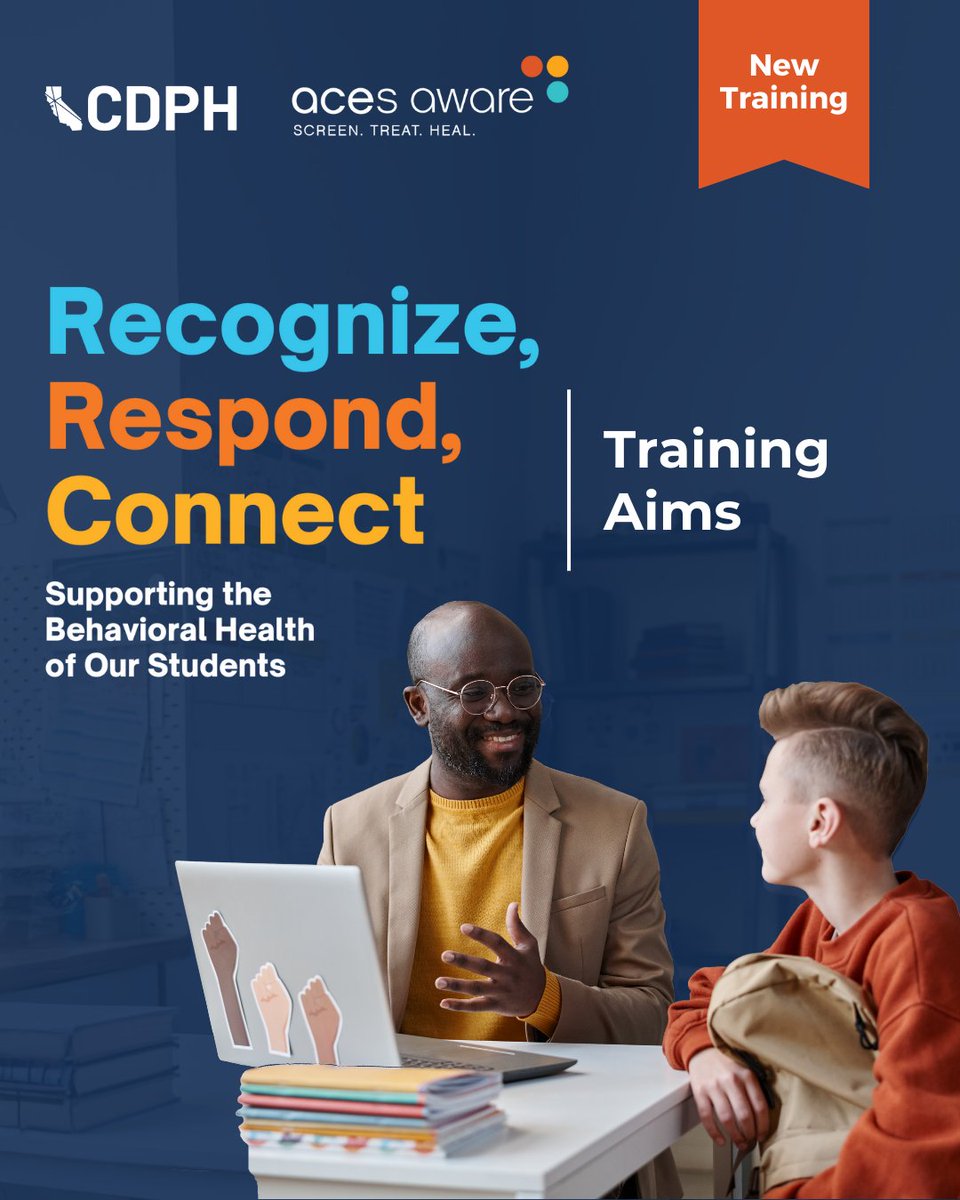
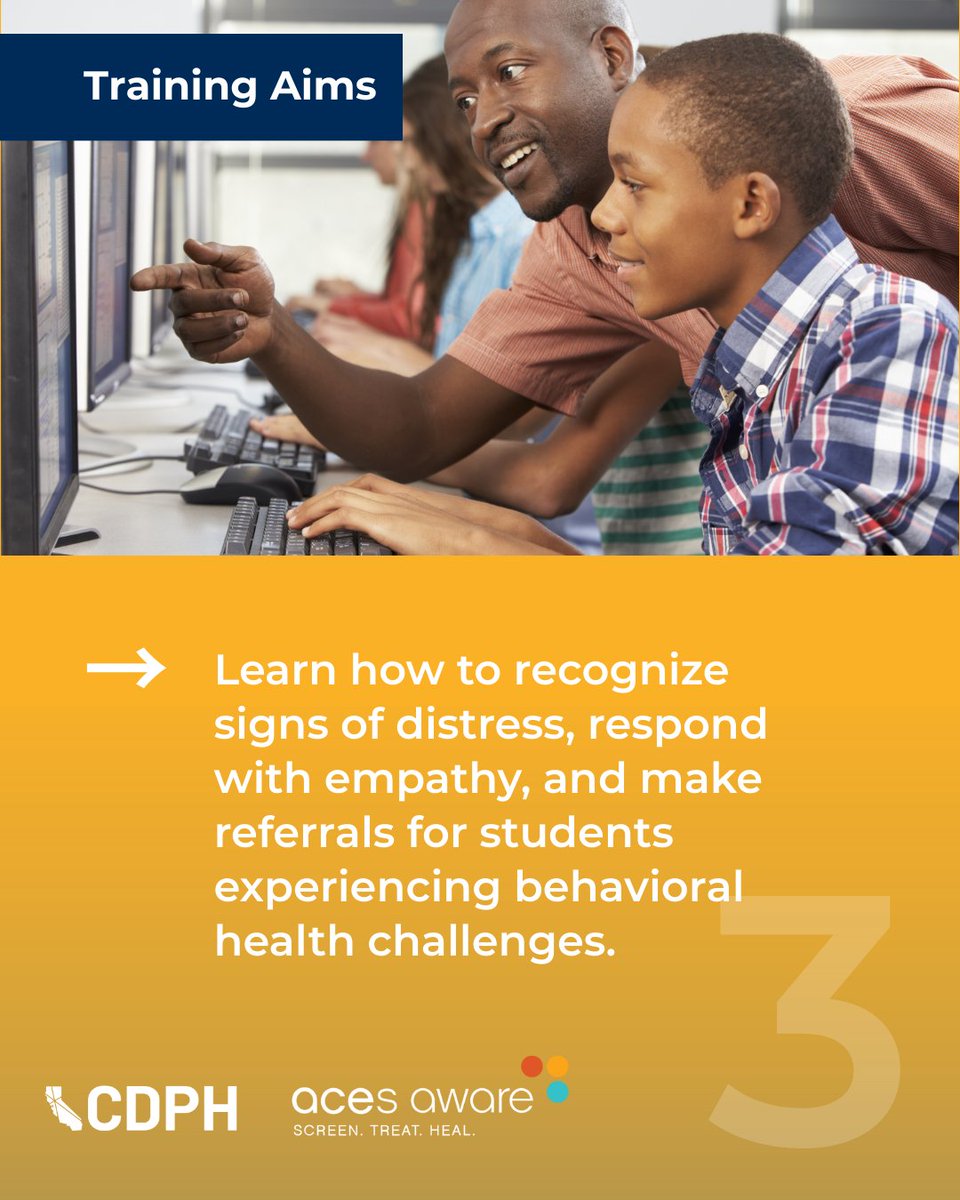
The Recognize, Respond, Connect: Supporting the Behavioral Health of Our Students (RRC) training is now available to all California school staff!
Take the training: https://t.co/KIwAUxL7c2.
If you haven’t already, take a moment to follow us on Bluesky. In addition to LinkedIn, that’s where we’ll be sharing future ACEs research and UCAAN updates.
We look forward to seeing you there!
https://t.co/WogNHgKCIV
A new framework developed by @vibrantforall aims to stage responses to the increasingly frequent and complex array of disaster events we face in contemporary society, superimposed atop chronic psychosocial and socioeconomic stressors.
Learn more at https://t.co/2LsRg3Riim.
A recent study published by @FrontPsychiatry aims to evaluate how patient-reported Adverse Childhood Experiences (ACEs) are associated with brain function in adults, across diagnoses.
Read the paper at https://t.co/S31HoSqPEp.
Last month, UCAAN’s Amy Shekarchi, MD, MPH conducted a Becoming ACEs Aware training at the California School Nurses Organization (CSNO) Conference.
If you’re a nurse who has yet to become ACEs Aware, take the training this #CertifiedNursesDay.
https://t.co/BvUaSdkz0W
We are happy to announce that @UCACEsAware is now on Bluesky! Follow us at @ucacesaware.bsky.social for the latest UCAAN updates, news, and research on ACEs and trauma-informed care. Thank you for your continued support and engagement with UCAAN.
https://t.co/WogNHgLayt
Published by @UCLAHealth, the article “Addressing childhood adversity with trauma-informed care��� features UCAAN Co-PI, Shannon Thyne, MD & former UCAAN faculty advisors, Moira Szilagyi MD, PhD, Adam Schickedanz, MD & Christine Thang, MD.
Read the article: https://t.co/jtgryCDjA9
The @ACEsAware Implementation with Intention webinar series provides practical step-by-step guidance, as well as resources and tools to help clinics move further along their ACE screening implementation journey.
Subscribe to the series today at https://t.co/OctaPnYicb.
Last month, UCAAN Co-PI, Shannon Thyne, MD participated in the @UCClimateHealth webinar “Psychological First Aid and Communal Support for Acute Stress.”
Watch the recording to learn more about the psychological impacts of disaster and how to help: https://t.co/1fv7s6M6GA
See the February 2025 Quarterly Data Report for the progress the @ACEsAware initiative is making in preventing, identifying, and responding to ACEs and toxic stress.
https://t.co/hoIRznN2aw
Medi-Cal clinicians have conducted 3,668,710 Adverse Childhood Experience (ACE) screenings of 2,187,040 unique Medi-Cal members.
Learn more about ACE screening and training across California in the February 2025 ACEs Aware Data Report: https://t.co/LhCCyAsfyw.
A recent study indicates that foster youth are at high risk for victimization and perpetration compared with youth living with kinship or birth families.
Read the paper to learn how prevention efforts in school settings may be the most effective: https://t.co/veVUXXxadF
Tomorrow, ACEs Aware will host the next Clinical Pilots Series webinar, Trauma Inquiry and Response in Family Planning. Join Kelsey Loeliger, MD, PhD; Megha Shankar, MD; and Sara Johnson, MD to learn about a new framework to improve engagement in care.
https://t.co/XrinVRG7pB
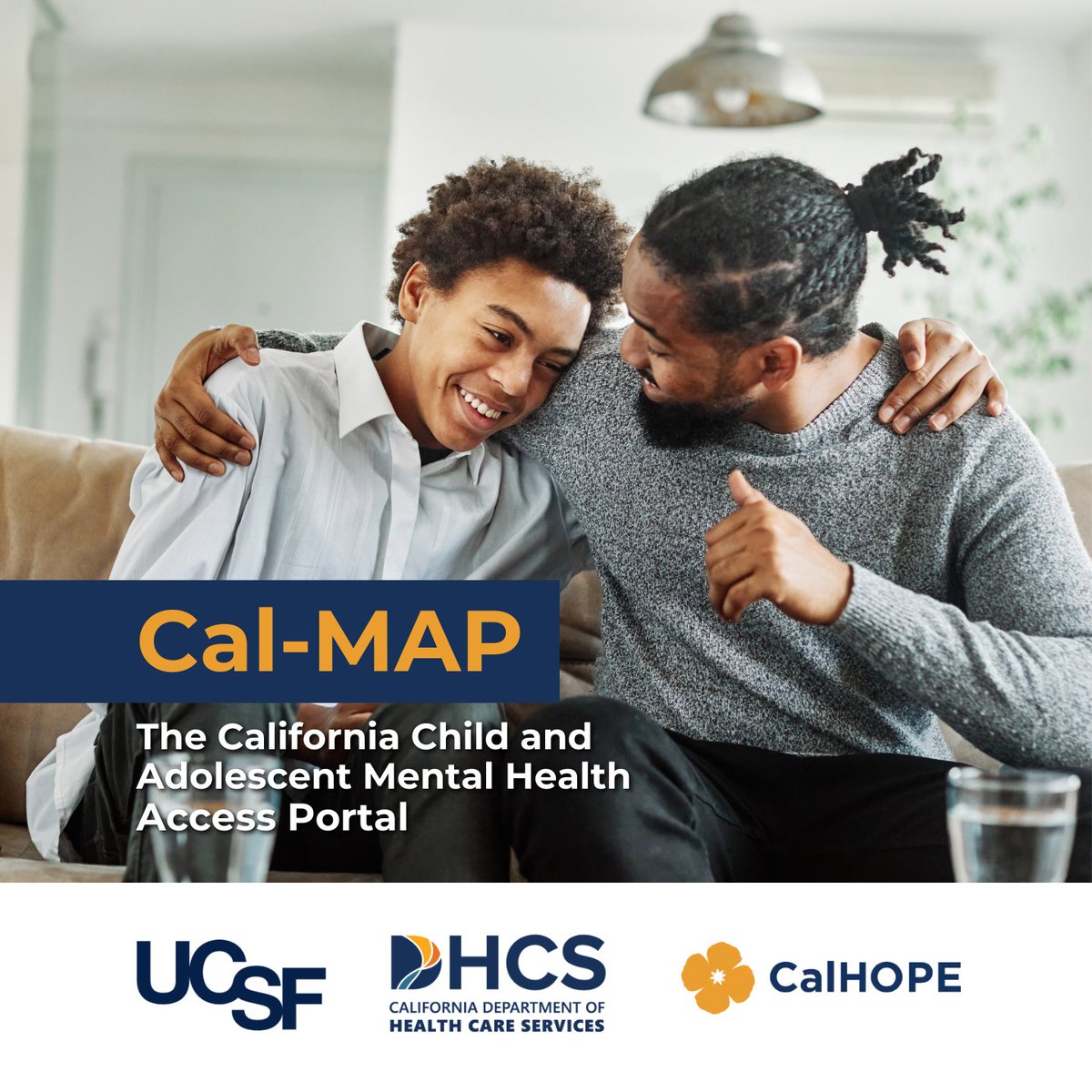
In collaboration with @UCSF, @DHCS_CA launched Cal-MAP, a portal to support California's primary care providers with free consultations, training, and resources to help them care for young patients with mental health & substance use issues.
Learn more at https://t.co/LfxvBQAnW8.
The @ACEsAware Science and Innovation Speaker Series provides a forum for discussing the emerging science of toxic stress and ACEs, highlighting researchers and innovators in the field.
Subscribe to stay on the cutting edge of ACE-related research at https://t.co/GA4z7lTuXI.
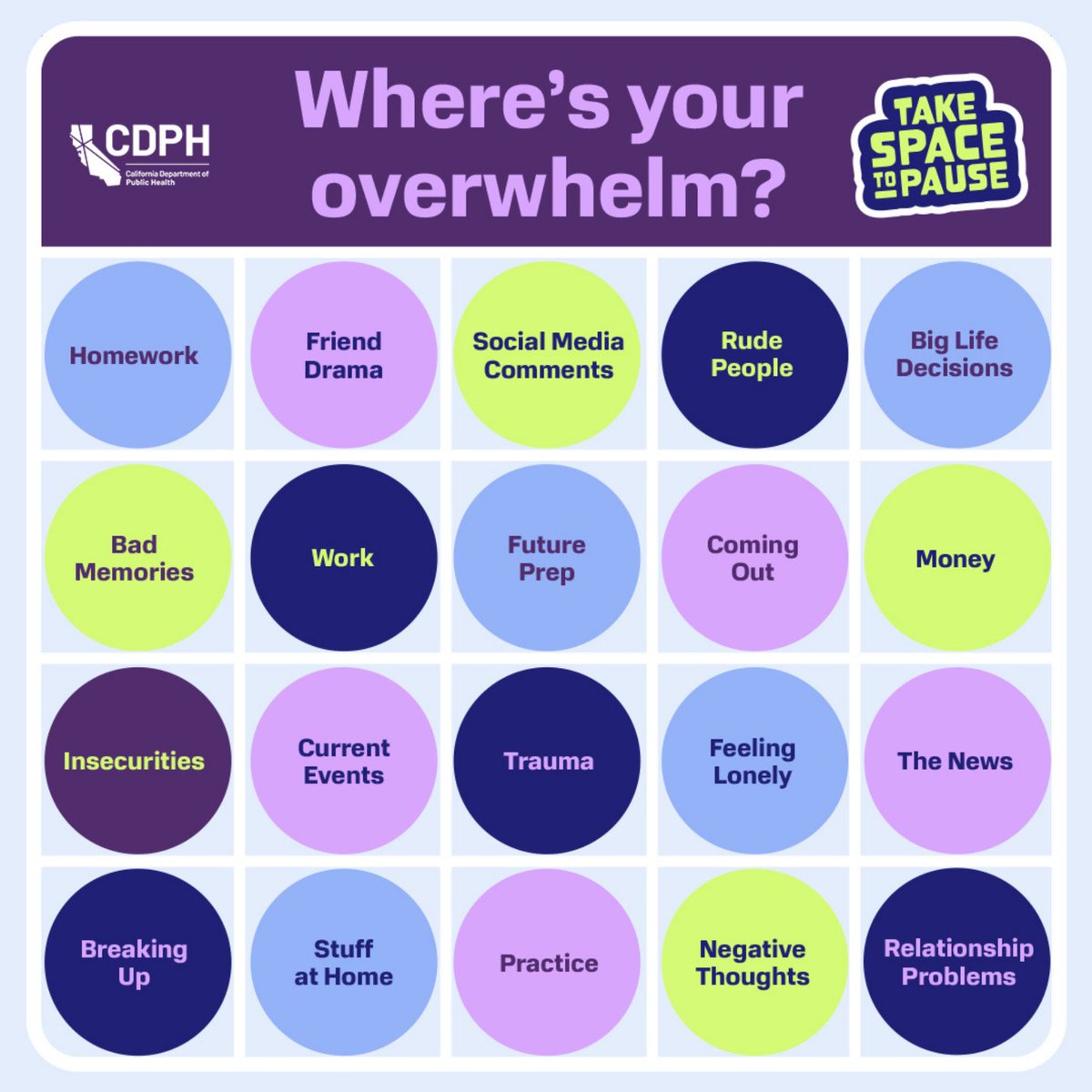
@CAPublicHealth's Office of Health Equity recently launched Take Space to Pause, a public education campaign aimed at reducing stigma around mental health and inspiring California teens to seek help before mental health challenges escalate.
Learn more: https://t.co/AhF1CSPcyl.
Tomorrow, February 6, UCAAN Co-PI, Shannon Thyne, MD will be a speaker on the @UCSF webinar, “Psychological First Aid and Communal Support for Acute Stress.”
Register now to learn about the psychological impacts of disaster and how to help: https://t.co/LaPnRU6VrE.
In January, @Health_Affairs published the paper, Adverse Childhood Experiences: Increased Likelihood of Socioeconomic Disadvantages for Young Adults. It provides person-level, longitudinal evidence of the large societal cost of ACEs.
Read the paper at https://t.co/u0GOqYnHzW.
40% of Americans identify politics as a significant stressor in their lives. In the face of political upheaval, we can strengthen our resilience and increase our coping ability.
Find techniques from @Newporthealth_: https://t.co/hgLgDbdVMt.
As a health care provider, you may wonder how you can help patients who have experienced Adverse Childhood Experiences (ACEs) start to heal, and where you can refer them for additional support.
Live Beyond’s Patient Guide is a great tool: https://t.co/mnbUQ5cH4L.
These posters from Live Beyond are a great tool for waiting rooms and doctor’s offices. Spark conversations between patients and providers to better identify and address Adverse Childhood Experiences (ACEs) and toxic stress.
Download & Print: https://t.co/mnbUQ5cH4L.