This guy has finished work here…
Those interest and willing take your pen and paper, take notes and act.
Check him out on TikTok…
I will set you up with information, we are not leaving anyone behind…
As a parent, I think this video has taught me something useful.
I recommend that you should try it on your kids, too.
I have also shared it with my wife.
Credit: joe_drummer_boy on IG.
ArgoCD Fundamentals
What is ArgoCD?
- Kubernetes deployment tool
- Continuous delivery for K8s apps
- Automatically syncs Git repo to cluster
- Open source by Intuit
GitOps Approach
- Git = single source of truth
- All configs stored in Git repos
- Declare desired state in YAML
- ArgoCD makes cluster match Git
- No manual kubectl commands
How It Works
- Push Kubernetes manifests to Git
- ArgoCD monitors the repo
- Detects changes automatically
- Applies changes to cluster
- Keeps everything in sync
Key Concepts
Application
- Represents your app in ArgoCD
- Points to Git repo + cluster
Sync Status
- Synced = cluster matches Git
- OutOfSync = differences detected
ArgoCD shows exactly what's different
Auto-Sync
- Enable: changes deploy automatically
- Disable: manual approval required
Self-Healing
Someone changes cluster manually?
- ArgoCD reverts to Git state
- Git always wins
Why Use ArgoCD?
- Full deployment history in Git
- Easy rollbacks (just revert commit)
- Visual UI shows app status
- Audit trail of who changed what
- No CI server needs cluster access
GitOps Benefits
- Infrastructure as Code
- Version control everything
- Peer review via Pull Requests
- Disaster recovery = clone repo
Simple Workflow
Developer → Git commit → Push
ArgoCD → Detects change → Deploys
Kubernetes → Runs new version
🚨 I'm looking for 10 people who want a high-paid DevOps job in 2026. Summer is time to build. We strike in January. No tech background required. You’ll follow the exact system that’s helped hundreds get hired. Reply to this Tweet and I'll send you a DM (only 10 spots).
@mischavdburg It will be a huge encouragement to break the cycle of short clips on YouTube and actually have depth in my learning to become a Devops engineer
To celebrate 10K followers on X, I will give away Free membership to KubeCraft, the #1 DevOps Community on Skool. https://t.co/wCZT2a67SJ
To win:
- Must be Following
- Comment below why you'd want to win
- Retweet and tag a friend in the Comments
This is history's most brutal cover-up.
A former slave defeated Napoleon's 20,000 elite troops.
So they imprisoned him, killed him, and erased him from history books.
Here's why the French buried Toussaint Louverture's story until 2007:
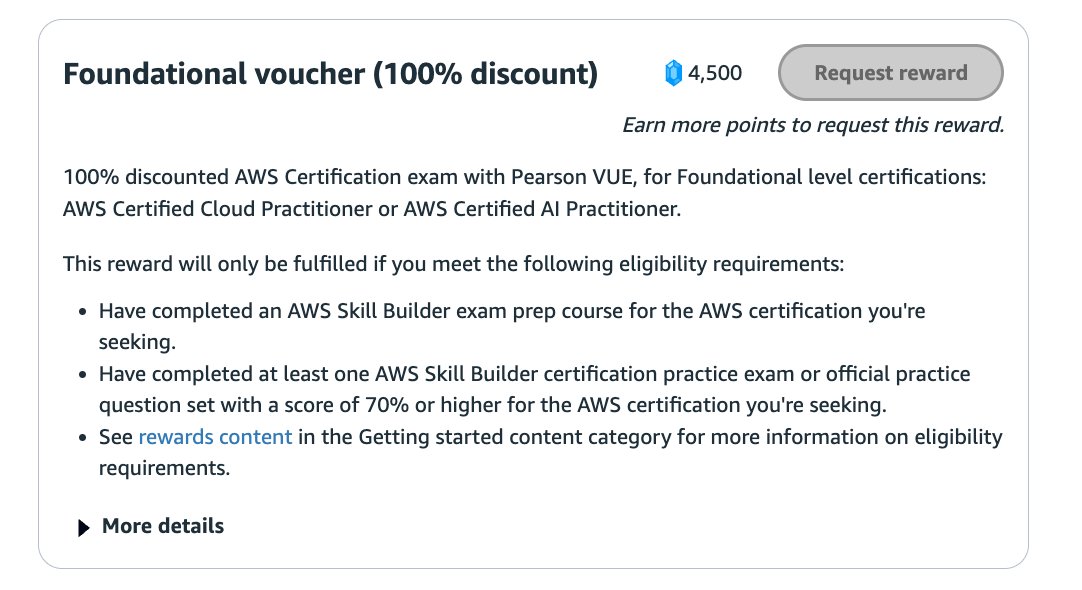
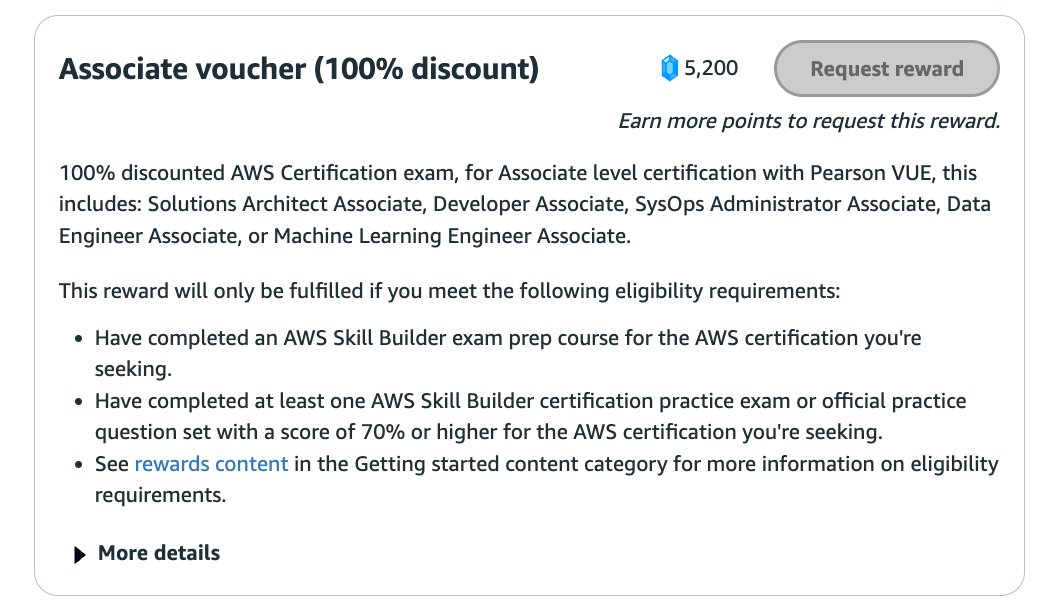
Some great news for those who have wanted to certify for AWS but are limited by funds. AWS Educate now offering 100% off vouchers for Foundational and Associate Level exams valid up to 31st August 2025. Here is how to get started. Sign up for AWS Educate https://t.co/zC0Jw3y8YZ
** 61 Kubernetes questions with answers: Extensive list **
A curated list of kubernetes questions with answers, focused on kubernetes architecture and concepts. Most of them are from my interview experiences in the past.
1. What are the key components of Kubernetes?
Answer: Kubernetes is built from components that manage containerized applications, grouped into:
- Control Plane Components:
- API Server: Gateway for all interactions, exposing the Kubernetes API, validating requests, and updating cluster state.
- etcd: Highly available key-value store holding the cluster’s configuration and state data, acting as the single source of truth.
- Scheduler: Assigns pods to nodes based on resource availability, policy constraints, and workload requirements.
- Controller Manager: Runs controllers (e.g., node, replication) to monitor and adjust the cluster state.
- Cloud Controller Manager (optional): Integrates with cloud-specific APIs for resources like load balancers and storage.
- Node-Level (Worker) Components:
- Kubelet: Agent on each node, ensuring containers run as specified in pods.
- Kube-proxy: Maintains network rules on nodes for pod communication.
- Container Runtime: Software (e.g., Docker, containerd) that runs containers.
- Other Components: Networking plugins (CNI) and storage drivers (CSI) manage connectivity and storage.
2. What is a Pod in Kubernetes?
Answer: A Pod is the smallest deployable unit in Kubernetes, representing one or more containers scheduled together. They share the same network namespace (IP address and ports) and storage volumes, and are designed to be ephemeral.
3. What is a Deployment in Kubernetes?
Answer: A Deployment is a resource object that declaratively manages a set of replica pods. It ensures the desired number of pod replicas are running, supporting rolling updates and rollbacks for stateless applications.
4. How does Kubernetes handle container networking?
Answer: Kubernetes assigns each Pod a unique IP address and enables communication between Pods using this IP. It uses virtual networking via CNI plugins to provide connectivity across the cluster.
5. What is a Service in Kubernetes?
Answer: A Service is an abstraction providing a stable endpoint to access pods, regardless of their individual IP addresses or locations. It offers load balancing, service discovery, and internal connectivity for scalable communication.
6. What is a ReplicaSet?
Answer: A ReplicaSet ensures a specified number of pod replicas are running at all times. It monitors pod health and creates replacements if pods fail, typically managed via Deployments.
7. What is a StatefulSet?
Answer: A StatefulSet manages stateful applications, providing stable network identities (unique hostnames) and ordered deployment/scaling of pods. It’s ideal for databases or systems requiring persistent storage and consistent identities.
8. What is a DaemonSet?
Answer: A DaemonSet ensures a specific pod runs on every node (or a subset) in the cluster. It’s used for system-level tasks like logging agents, monitoring agents, or network proxies.
9. How do you scale applications in Kubernetes?
Answer: Applications can be scaled horizontally by adjusting the number of pod replicas or vertically by modifying resource limits of individual pods.
10. What is a PVC in Kubernetes?
Answer: A Persistent Volume Claim (PVC) is a user or pod’s request for storage. It dynamically provisions and binds a Persistent Volume (PV) based on requested size, type, and access mode.
11. Explain the concept of a ConfigMap.
Answer: A ConfigMap stores configuration data (e.g., environment variables, files) separately from application code. It can be mounted as a volume or injected into pods, enabling flexible configuration management.
12. How do you expose a service outside the Kubernetes cluster?
Answer: Services can be exposed externally using:
- NodePort: Assigns a static port on each node’s IP.
- LoadBalancer: Uses a cloud provider’s load balancer with a dedicated IP.
- Ingress: Routes external traffic via rules and a single IP.
13. What are the different types of Kubernetes volumes?
Answer: Kubernetes supports volumes like:
- EmptyDir: Temporary storage that exists while a pod runs.
- HostPath: Mounts a file/directory from the node’s filesystem.
- PersistentVolumeClaim (PVC): Binds to a Persistent Volume for persistent storage.
- ConfigMap/Secret: Mounts configuration or sensitive data.
14. What is the purpose of an Ingress in Kubernetes?
Answer: An Ingress manages external HTTP/S access to services, providing routing rules, SSL termination, and load balancing through a single IP address.
15. What is the purpose of a readiness probe?
Answer: A readiness probe checks if a pod is ready to receive traffic. If it fails, Kubernetes excludes the pod from load balancing until it passes.
16. How do you secure access to the Kubernetes API server?
Answer: Secure the API server with:
- Authentication (certificates, tokens, external providers).
- Role-Based Access Control (RBAC) to manage permissions.
17. What is the purpose of a HorizontalPodAutoscaler (HPA)?
Answer: An HPA automatically scales pod replicas based on CPU/memory utilization or custom metrics, ensuring applications handle varying traffic loads.
18. How do you handle application configuration and sensitive information in Kubernetes?
Answer:
- Configuration: Use ConfigMaps or environment variables.
- Sensitive Information: Store in Kubernetes Secrets for secure management.
19. How does Kubernetes handle rolling back a failed deployment?
Answer: Kubernetes supports rollbacks via the `kubectl rollout undo` command or by specifying a previous revision, reverting the Deployment to a stable state.
20. What is the purpose of a Pod Disruption Budget (PDB)?
Answer: A PDB defines the minimum number of pods that must remain available during disruptions (e.g., maintenance), ensuring application availability.
21. What is a node in Kubernetes?
Answer: A node is a worker machine in Kubernetes that runs containerized applications managed by the control plane.
22. What is the Kubernetes API server?
Answer: The API server is the central hub, accepting commands, validating them, storing configuration data in etcd, and coordinating cluster changes.
23. Explain the role of etcd in Kubernetes.
Answer: etcd is a distributed key-value store that reliably stores the cluster’s configuration and state data, serving as the backbone for consistency.
24. What is the role of the Kubernetes scheduler?
Answer: The scheduler assigns pods to nodes based on resource availability, constraints, and workload requirements.
25. Describe the function of the kube-controller-manager.
Answer: The kube-controller-manager runs controller processes (e.g., node, replication) to monitor and adjust the cluster state to match the desired state.
26. What is the purpose of the cloud-controller-manager?
Answer: The cloud-controller-manager integrates Kubernetes with cloud providers (e.g., AWS, GCP) to manage cloud-specific resources like load balancers.
27. Explain the role of the kubelet in Kubernetes.
Answer: The kubelet is a node agent that:
- Communicates with the API server for pod assignments.
- Manages containers via the container runtime.
- Monitors pod health and reports node status.
28. What is the function of the kube-proxy in Kubernetes?
Answer: The kube-proxy manages network routing, maintaining rules for pod-to-pod and service communication.
29. Define a container runtime in Kubernetes.
Answer: A container runtime (e.g., Docker, containerd) manages the execution and lifecycle of containers, handling image management and resource isolation.
30. Why is a namespace used in Kubernetes?
Answer: Namespaces divide cluster resources for logical isolation, access control via RBAC, resource quotas, and simplified management across teams or environments.
31. What is a Persistent Volume in Kubernetes?
Answer: A Persistent Volume (PV) is a storage abstraction that persists data beyond a pod’s lifecycle, used for stateful applications.
32. Describe the difference between a Deployment and a StatefulSet in Kubernetes.
Answer:
- Deployment: For stateless apps, manages replicas with no unique identity, supports scaling and updates.
- StatefulSet: For stateful apps, provides stable identities and ordered pod management.
33. Describe the purpose of a label in Kubernetes.
Answer: Labels are key-value pairs attached to objects (e.g., pods) for identification, grouping, and selection by services or deployments.
34. Explain the concept of pod anti-affinity in Kubernetes.
Answer: Pod anti-affinity defines rules to prevent pods from co-locating on the same node, improving fault tolerance and availability.
It’s almost as if this “normal” life is what the elites want for us. They know we are too tired and addicted as a society to do anything about it.
I think it’s past time to change this present reality before the upper class gets even richer off of us and too powerful to stop.
Credit: digitalagedad