UCMID is a national infrastructure initiative designed to transform Uganda’s rapidly growing urban centres into safer, cleaner, and more liveable cities
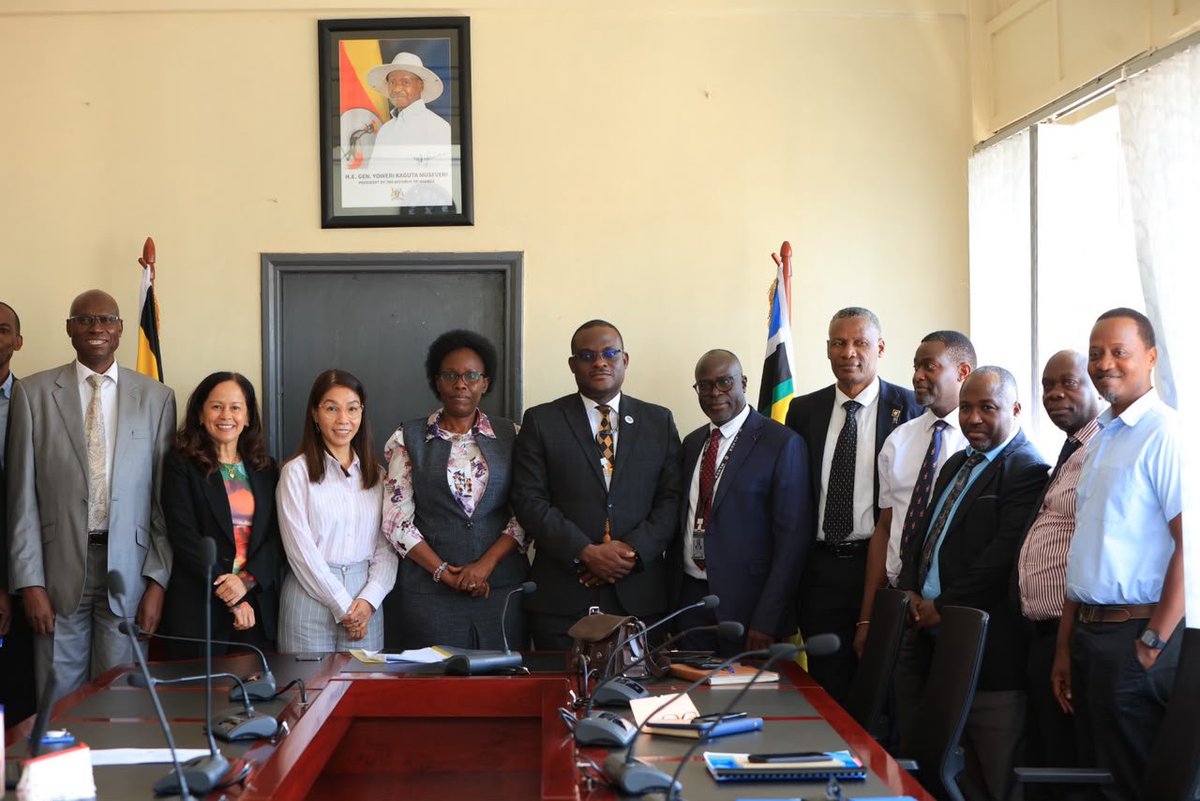
@WorldBank Team has launched the implementation readiness Mission for UCMID. Starting with a courtesy call to the Minister @ministry_lands. The team aims to assess readiness across 49 local governments (10 cities, 26 municipalities & 13 refugee-hosting districts).
Day 4, the final stop of the Readiness Mission, was in
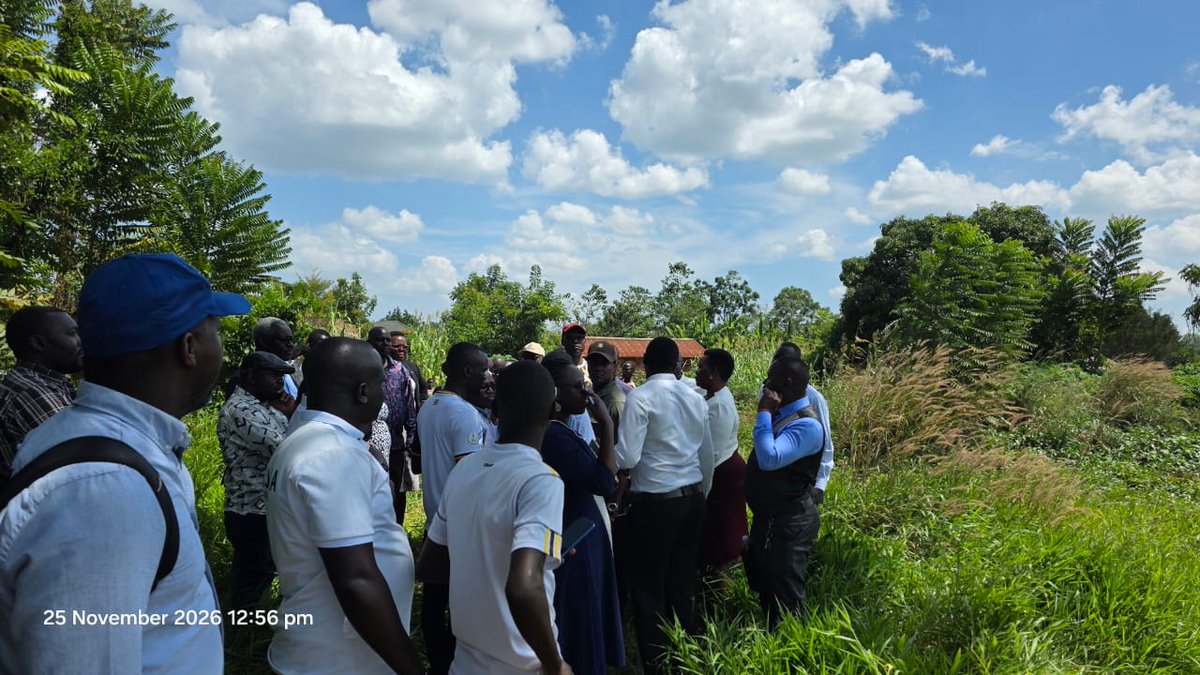
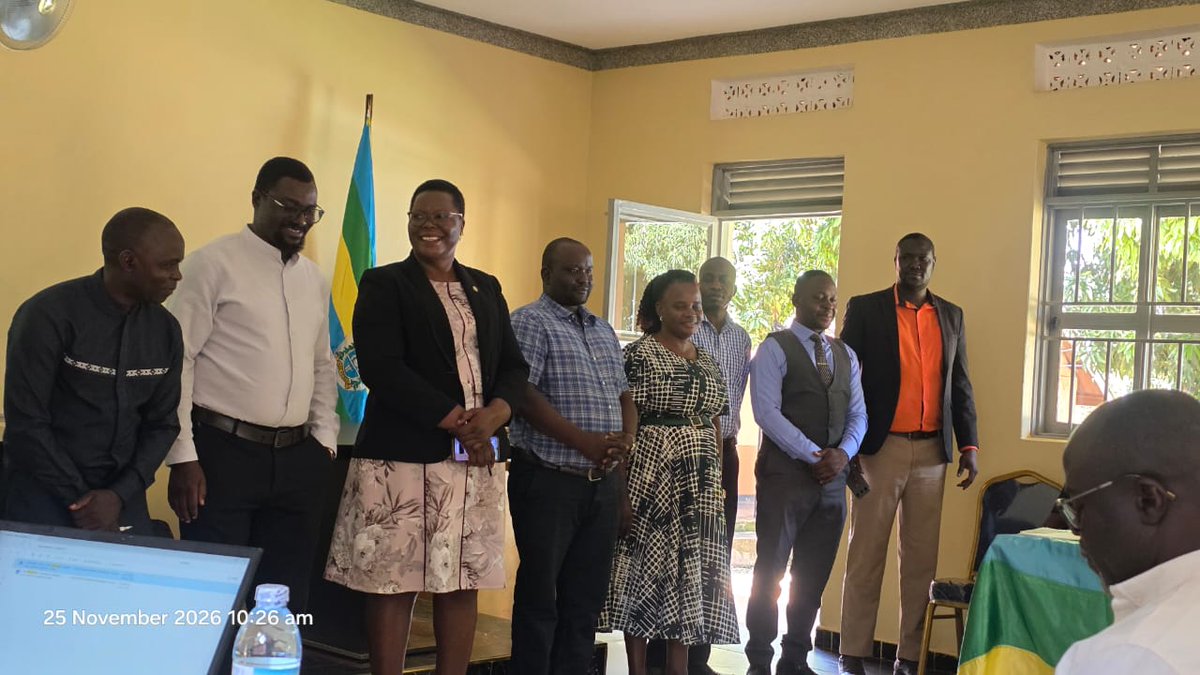
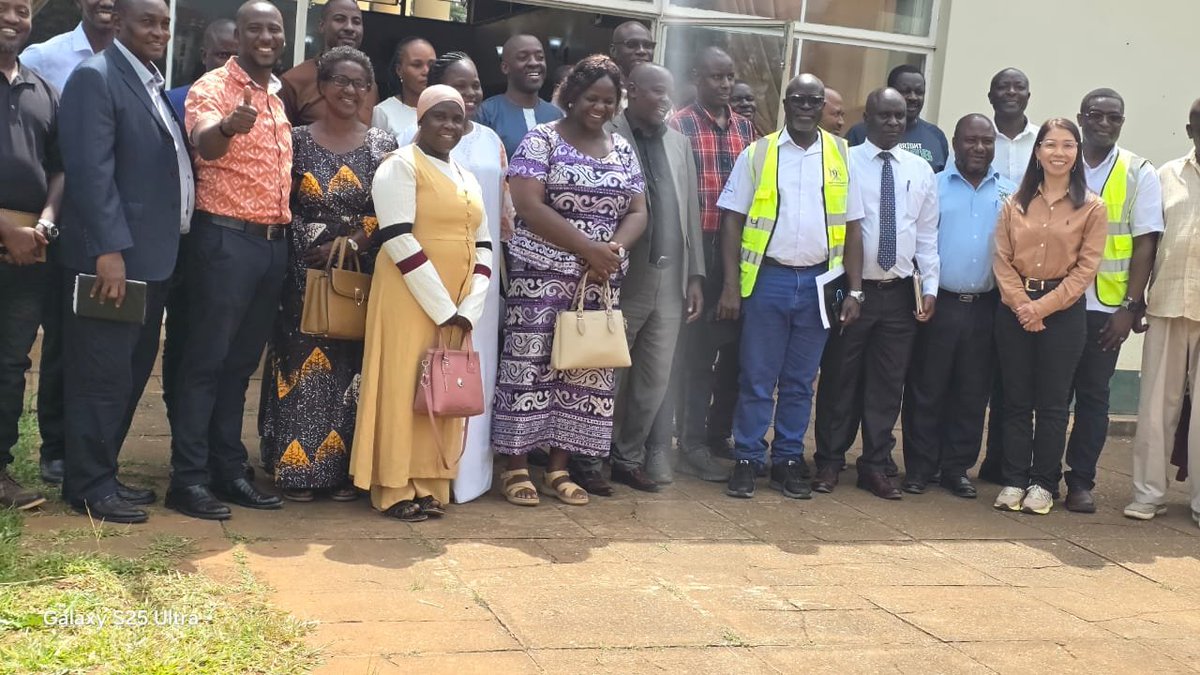
Masindi Municipality, one of 15 new municipalities joining the 2026–2032 phase. The other 14 new ones are: Kotido, Nebbi, Kisoro, Iganga, Bugiri, Njeru, Mityana, Kapchorwa, Bushenyi-Ishaka, Sheema, Ibanda, Rukungiri, Koboko, and Kumi.
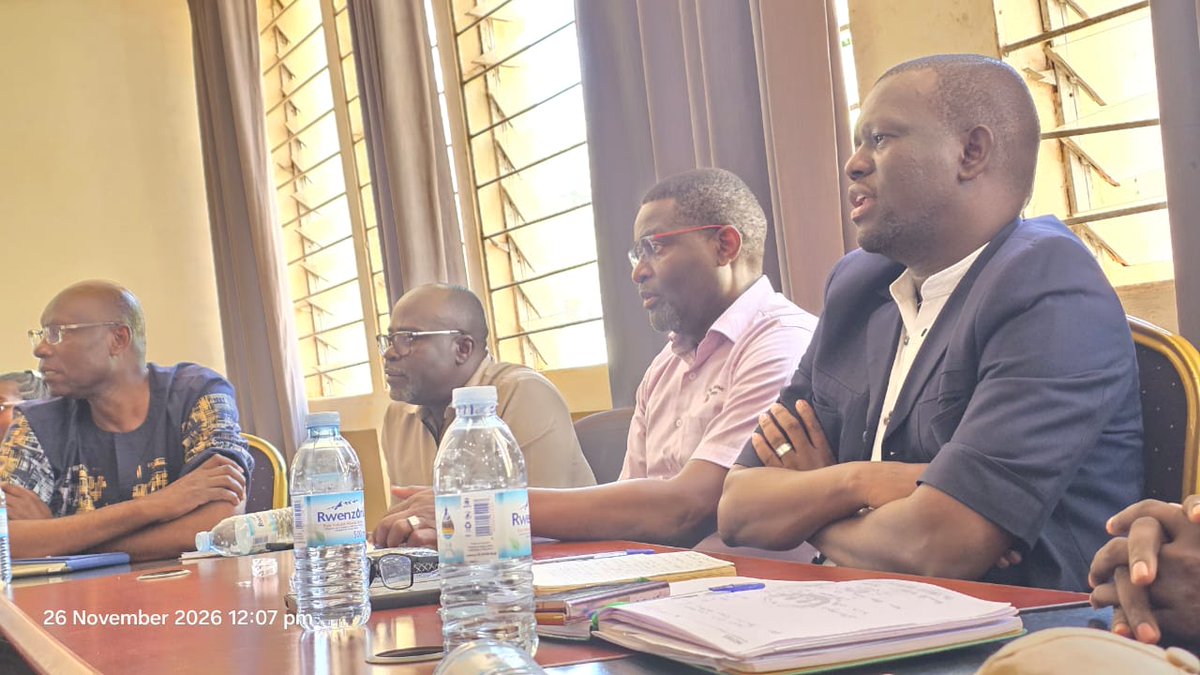
The Municipal Mayor, @Rogers Amanyire, welcomed the team and told the World Bank that Masindi looked forward to the impact the program would bring to the community, as seen in other urban areas. He pledged teamwork and a conducive, friendly working environment with the technical team to ensure the project beneficiaries get what they deserve from the projects.
Masindi Municipality Member of Parliament @rogersbyamukama also in attendance, pledged support too; in the implementation, and in following up with the Parliament of Uganda on matters of appropriation and relocation of utilities costs.
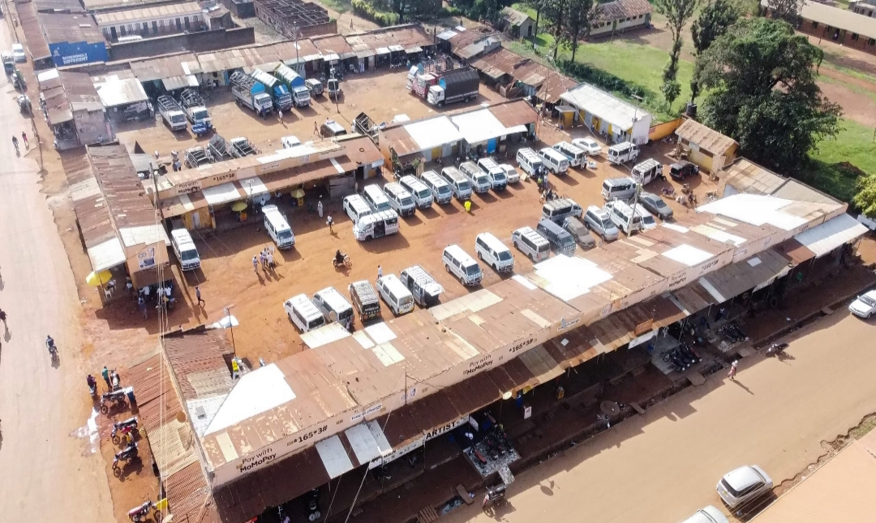
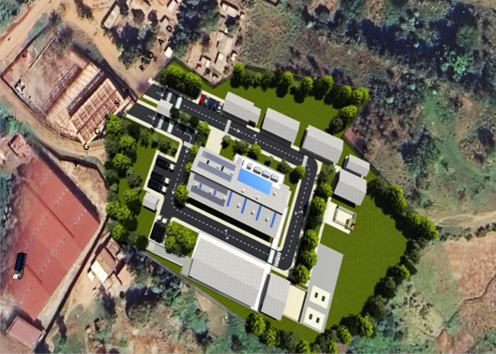
The Municipality's top priority project is a UGX 14.2bn green taxi park with solar lights & e-charging points. It shall feature greening, solar streetlights, waste management, water harvesting, e-charging points, and clear drainage. Seated on approximately 1.5 acres of space in the middle of the town, the current taxi park has 124 lockup shops, but the new design provides for an extra 25% of the lockups, in order to accommodate more businesses.
Masindi is the gateway to Murchison Falls NP, Budongo Forest, Lake Albert & the Albertine Graben oil fields. It is 240km from Kampala, covers 236.6 sq km, is home to 103,620 people, and is 100% planned.
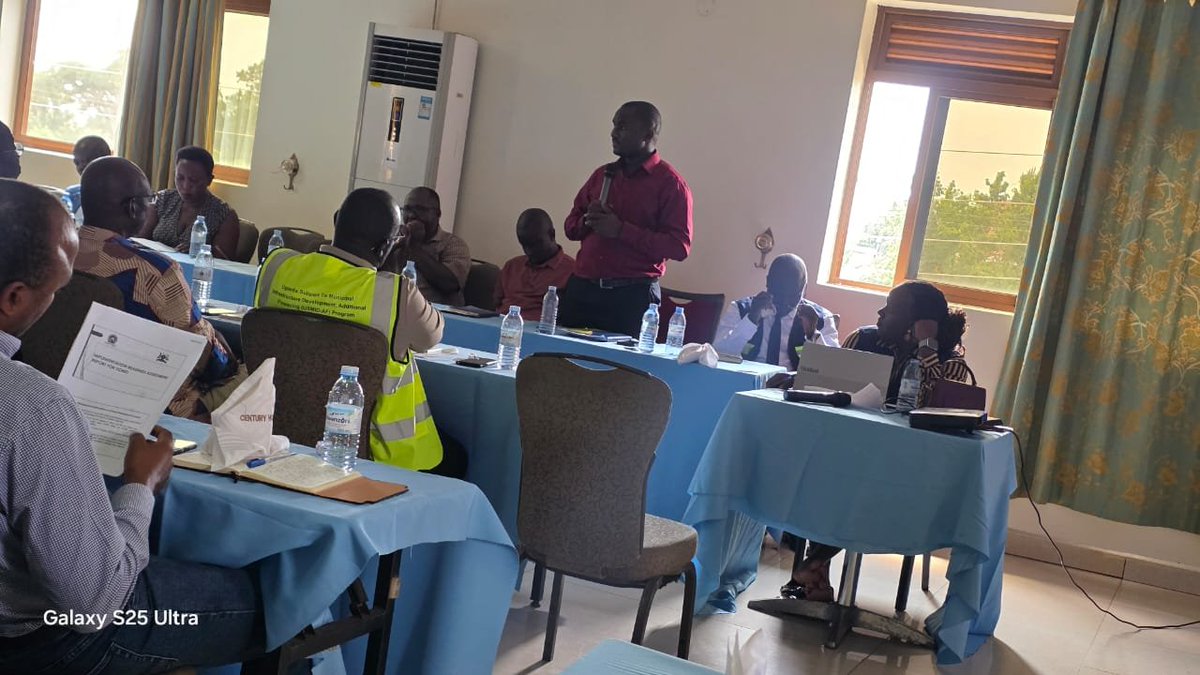
The WB Task Team Leader, Eng. Stephen Ajalu reminded leaders that fund allocation to their municipalities hinges on minimum conditions & performance assessments. His key ask to the leadership was to ensure they have a clean procurement process& strong community engagement throughout the implementation.
The other planned investments include 20km of climate-resilient roads, 5km of drainage, Nyangahya wetland restoration, an upgraded composting plant, an eco-business hub, a craft & skills centre, a modern abattoir, 3 community markets and the new taxi park.
Day 3 of the #UCMID Implementation Support Mission was in Lira City @CouncilLira .His Worship @atulsamon, Mayor of Lira City, welcomed the mission team, who praised the city's readiness for the official start of the program.
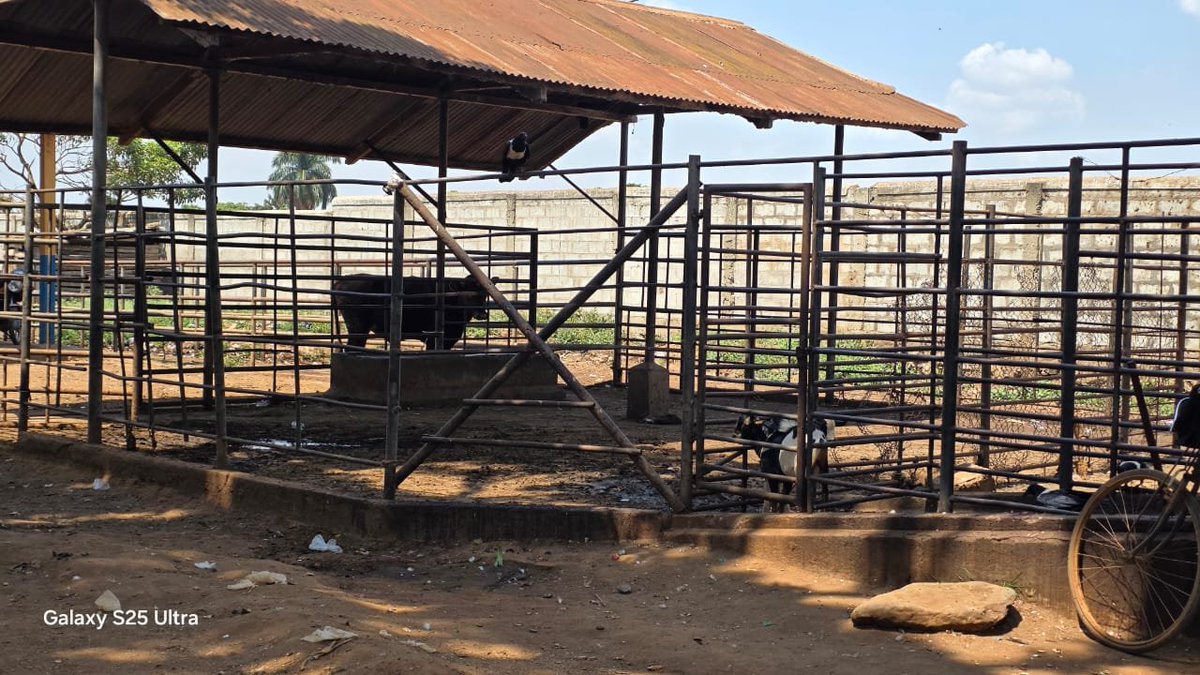
Lira's priorities: a modern slaughterhouse and a set of roads. The team visited the proposed slaughterhouse site to check that it is suitable. It is a 3.3-acre piece of land a few kilometres from the city centre, and the new facility will include a biogas plant to manage waste. The current slaughterhouse is run-down. About 200 people work there, and it handles 18–30 cows a day.
The team also toured the 5km Ogwal–Achonga Road. Together with the slaughterhouse, it is the city's first planned project.
Lira City at a glance
1. 2 divisions: Lira City East and Lira City West
2. Population: 304,057 (UBOS)
3. Total land area: 310.6 sq km, of which 151.5 sq km is planned
Eng. Stephen Ajalu, head of the @WorldBankAfrica delegation, said cities get more than 40% of the program budget. The goal is to make them vibrant, liveable centres of excellence, industrialisation and jobs:
"You need to make job creation intentional on all projects you will undertake in UCMID. Whether short-term, long-term, permanent or otherwise."
He urged the city to plan for its growth trends, not just for beautiful roads.
The RCC's representative called on the city team to be accountable, engaging, responsive, and accurate in its reporting. He also promised the program airtime on 7 radio stations in the city so the team can reach beneficiaries easily.
✅ What USMID delivered (since 2019
// 6 roads tarmacked (2.177km): Obangakene, Noteber, Aber, Olwol, Uhuru and Boundary Road. They came with underground utility ducts, parking lanes, green islands, solar lights, drainage and walkways
//2 green parks: Children's Park (West) and Coronation Park/Mayor's Garden
//1,528 trees planted and 28,321 sqm greened
//Land titles secured for Coronation Park, Children's Park and the slaughterhouse site
The impact:
Local revenue rose from UGX 1.66Bn to UGX 2.65Bn
Solar lights started a night economy, creating jobs for youth, boda-boda riders, vendors, salons,and restaurants
Less crime and better security for women and traders
UCMID now builds on that foundation. 🇺🇬
The artistic impression of the slaughter house on the left, and the dilapidated one on the right
Day two of the Mission was in @GuluCityCouncil
The Mission was welcomed by His Worship the Deputy Mayor, Geoffrey Ali, and the city team. In his remarks, Mr Ali said the city had grown three-fold from the square kilometres it covered when it was still a Municipality, from 50 sq km to 250 sq km.
Many of the annexed areas still require infrastructure support and other social services to become a city and enjoy city status.
He also said that while the city's central business district is visibly very clean, the outskirts still need a lot of support in waste management, and the team has put plans under the program to extend that support to those areas.
Mr Ali also said that the city equally has urban refugees, and has welcomed and integrated those from Congo, Eritrea and South Sudan, and that they have easily mingled with residents in schools, marriages and markets.
In his remarks, @PadeWalter, the Commissioner for Urban Development in @ministry_lands, who doubles as the UCMID program coordinator, said that over the years, @GuluCityCouncil had clearly been a testimony to the success of USMID. He, however, challenged the city to stay awake and not lose the success already registered.
"Gulu City at night is beautiful, but the issue of sustainability is key, and the council needs to take into consideration budgets for retaining the beauty of the investments," he said.
@JosephPade noted that the UCMID program has been designed differently, and whatever investments a local government undertakes must adhere to the program's five pillars: (i) urban roads and mobility; (ii) drainage and flood management; (iii) nature-based and green infrastructure; (iv) sustainable solid waste management; and (v)local economic development.
Under this phase, 46.3% (USD 250 million) of the funds is allocated to the 10 cities alone, leaving the rest of the money for the 26 municipalities and the 13 district local governments that host refugees.
The Mission team advised the city leadership to adhere to the pillars of the program and to preserve the natural beauty that already exists, such as trees and forests.
The leaders were also tasked to focus intentionally on job creation, have a clear stakeholder engagement and grievance management plan, and ensure the integrity of procurements while keeping contracting management timelines.
The Mission team visited the proposed site for constructing the city slaughterhouse in Badege Layibi division. A 2.5acres plain land is already designed to accommodate the facility. They also visited the two priority roads of Okidi-Dakamoi (1.21 km) and Upper and Lower Church Hill Drive (2.09 km)
The impact of USMID in @GuluCityCouncil from the last two program phases is evident. The city reported that the well-paved urban roads have created decent jobs for women, men, and the youth; land value more than doubled along the city roads; streetlights boosted nightlife and business; and connectivity and response to health emergencies improved, as did the lives of slum-dwellers.
USMID also strengthened institutions through MDFs, grievance redress mechanisms, and oversight; supported the city in acquiring two garbage trucks; and equipped staff with tools and training, among many other measures that ultimately made Gulu a liveable city.
@ministry_lands@MoLGUganda Construction of 50Ms of culverts along the Bweyale Nyamusasa road, construction of a Bridge along Alaro-Ongwalwo-Yabweng road (1.448kms), and Karuma-Okweche-Alero swamp (0.669km).
.Nyamusana play field.
The World Bank Urban Task Team on 23rd November 2026 commenced their first readiness assessment mission on @Ucmid with an objective of checking status of readiness for the central government Ministries of @ministry_lands & @MoLGUganda & a sample of LGs.
@ministry_lands@MoLGUganda In the last phase of USMID-AF, Kiryandongo used their grant to undertake:
• Construction of 11.261kms of Nanda-Popara road, low costs sealing of Rift Valley Road, Kololo-Laboke Road (11.842km), and an 18.168kms gravel road Nyakadote-Techwa-Kanywamaizi.
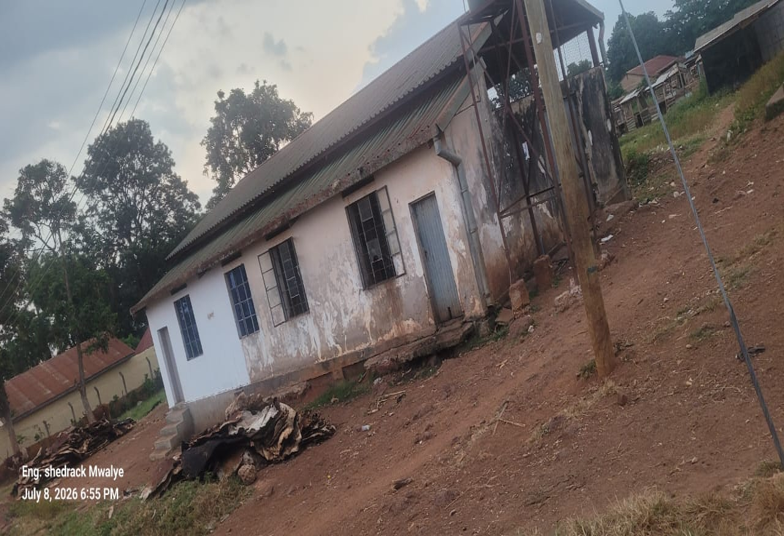
The proposed slaughterhouse, once completed, is anticipated to create 300 jobs: transporters, cleaners, skinners, slaughter operatives & meat packers. Below is the state of the current slaughterhouse and the artistic impression of the planned one
Day 3, and the last day of the @WBG_IDA UCMID implementation preparedness mission, was conducted in #Kamuli Municipality. The team was briefed on the readiness preparations, minimum conditions & performance indicators if they are to achieve better results upon commencement.
The mission visited priority projects like the proposed slaughterhouse, Abdallah Bagoth Rd, Rev Kabonge Rd, Technical Rd, Kagoda/Dhikusoka Rd, Wynad Rd, and a priority drain. The Mun has also planned to beautify the mayor's gardens and undertake a modern waste management system
As he closed the meeting, the Mbale city RCC emphasised the issue of value for money, engaging the local youths in project jobs to enable them to enter the money economy, and appreciated the funders and the Government for the consideration of another phase.
Day 2 of the @WBG_IDA Mission on UCMID preparedness readiness has been in Mbale City today, 8th July 26, where the city Mayor, Her Worship Joyce Matuka Kidulu, assured the team that her city was ready to commence UCMID. 1/1
The slaughterhouse is planned to accommodate 80 animals per day and create around 150 jobs in their different capacities: direct jobs, indirect jobs, and induced jobs. In the completed USMID-AF phase, only Hoima city undertook the construction of a slaughterhouse.