Your brain consumes 20 W of power. A single GPU consumes a kilowatt. A data center has tens of thousands of them, and is still not as powerful as your brain. Chew on that before you say AGI is imminent.
A lot of self-styled ‘Bitcoin maxis’ need to listen carefully to this.
Well done to @PeterMcCormack for drawing Michael out on this.
We need to be smarter about how we fight every battle on the way to global adoption.
https://t.co/ywHWLdLoPj
Malthus’ revenge?
Malthus “proven wrong” as global crop yields explode in recent decades aided significantly by GMO seeds + glyphosate…
…but the devil takes the hindmost as glyphosate negatively impacts human fertility long term?
We're reaching the point at which you should assume any data you create outside of end to end encrypted communication channels will be used to train AI models.
Your cost of living will rise FOREVER,
and it's NOT because of capitalism.
The financial system is intentionally designed this way;
inflation is a FEATURE, not a BUG.
Let me explain:
(THREAD 👇)
"The most dangerous risk of all is spending your life not doing what you want on the bet that you can buy yourself the freedom to do it later."
- Randy Komisar
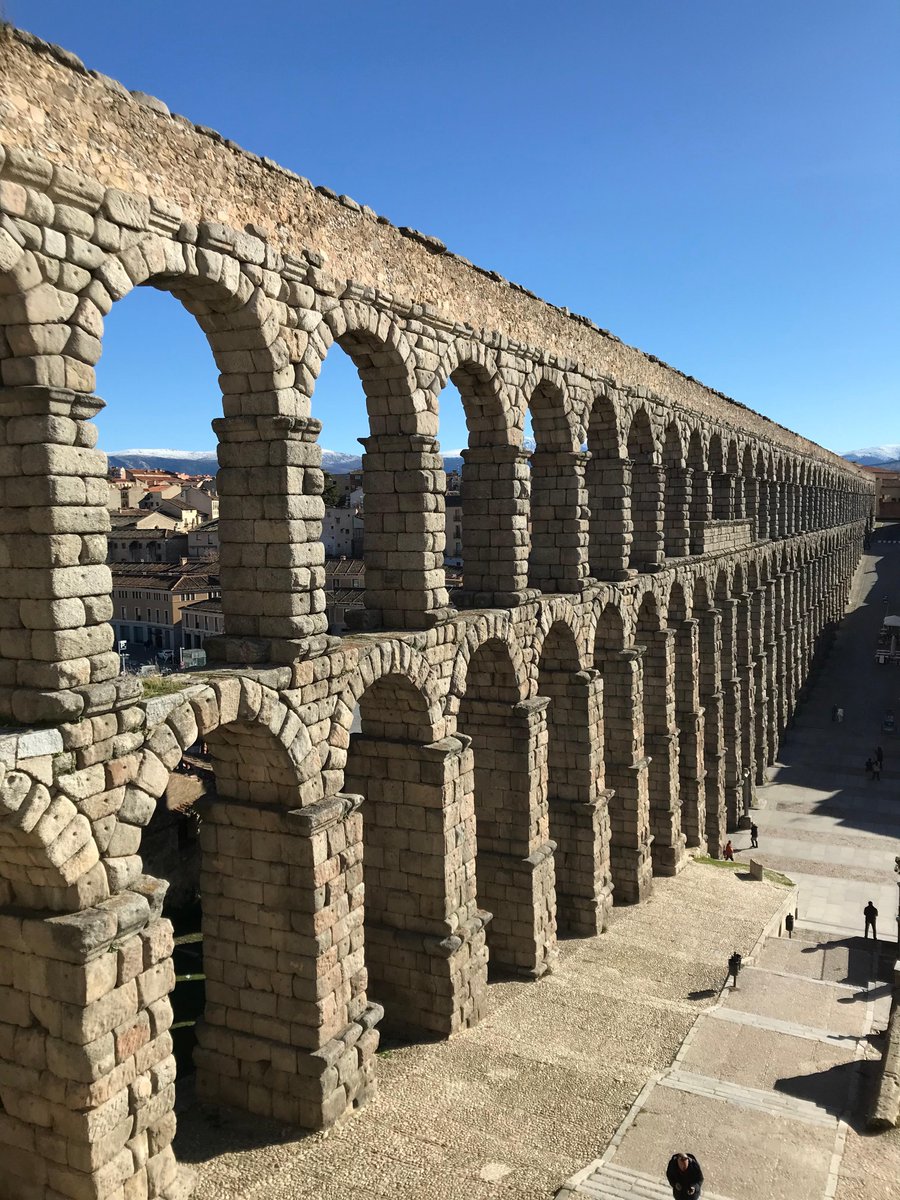
This aqueduct has stood for 2,000 years.
There is no mortar holding it together — the stones are held in perfect balance by nothing but gravity.
So what are the other best-preserved Roman wonders? A thread... 🧵
🤖 If AI agents start using money… which type of money do you think they’ll use?
💸 “Obviously, cryptocurrencies,” says @ErikVoorhees.
Are we moving into an AI world where agents transact using blockchain technology?
🎧 Listen now: https://t.co/6lauv9B2iA
10 concepts (from Ancient Rome) that explain the modern world:
1. The Tacitus Razor: “If you want to know who controls you, see who you’re not allowed to criticize.” This is how comedians accidently reveal a society's hierarchy—they call everyone naked, and soon discover who the king is.
2. The Slavery Syndrome. Roman historian Sallust: “Few men desire liberty; most men wish only for a just master.” Genuine liberty means making decisions 24/7; parsing right from wrong; solving pesky dilemmas using nothing but one’s own mind. Liberty is thus too cognitively taxing for most…people would rather outsource their agency.
3. The Polybius Warning: 2nd century B.C. historian Polybius warned that a falling birthrate precedes civilizational collapse. Fewer births mean men and women have checked out. Sloth grows, spiritual concerns are replaced by material ones, and population falls. Polybius believed the Greek civilization fell due to its “low birth rate…”
4. The Pliny Principle: Rene Descartes pinned bodily existence onto the mind—“I think, therefore I am”—but Ancient Rome’s magistrate, Pliny the Younger, said it was the other way around: “It is wonderful how the mind is stirred and quickened into activity by brisk bodily exercise.” Only physical exertion leads to healthy mental activity…
5. The Uses of Folly. Roman historian Herodotus: “If a man insisted always on being serious, and never allowed himself a bit of fun and relaxation, he would go mad.” Fun is your brain stretching, dancing, moving without the shackles of logic. You need it. Lesson: Combine monumental sincerity with...some trolling.
6. The Vitruvius Rule: Modern architects love asymmetrical structures, but Ancient Roman architect Vitruvius said a building out of proportions is like a deformed body. Nature herself “composed the human body” and the rest of creation using “due proportions.” The Vitruvius Rule: No symmetry? Off to cemetery.
7. The Tyranny of Laws: More laws don’t mean a more just society. Tacitus: “The more numerous the laws, the more corrupt the government.” Make a million laws and you can catch anyone for anything, anytime you want.
8. The Cassius Hypothesis: Historian Cassius wrote that while monarchy needed only one man to make the right decision, democracy needed millions. Which one is more likely to succeed? No wonder, Cassius wrote, that “successes have always been greater and more frequent under kings than under popular rule…”
9. The Livy Effect: Historian Livy lived through the Roman Civil War and discovered the butterfly effect 2000 years before the chaos theorists: “Events of great consequence often spring from trifling circumstances.” Politics, economics, human decisions, ideas…they form one giant mesh of life, and tiny acts can snowball.
10. The Juvenal Principle: “Give them bread and circuses and they will never revolt.” Roman poet Juvenal believed a “long peace” was as evil as a war. The modern world needs to heed Juvenal's warning against luxury. To let “bread and circuses” sedate us into inaction is to betray our very soul...
Imagine spending 4 years of your life studying efficient market hypothesis only to see a $GME rip 100% and add hundreds of millions of dollars of market cap because some guy who calls himself “roaring kitty” tweeted a meme