Could the future of AI live in space? 🚀
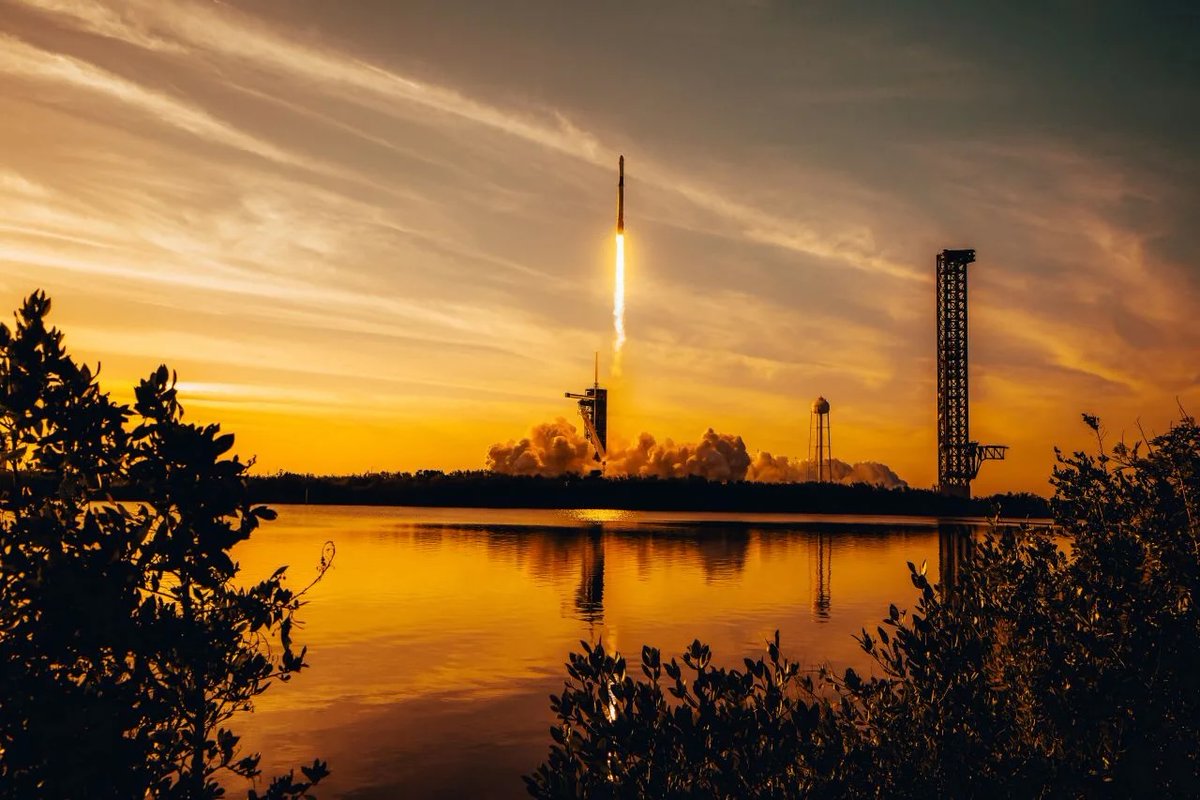
UF researchers from @ECEflorida are sending photonic semiconductor chips to the ISS with @NASA to explore energy-efficient solutions for the growing demands of artificial intelligence.
Read more: https://t.co/jf0MOoS8UX
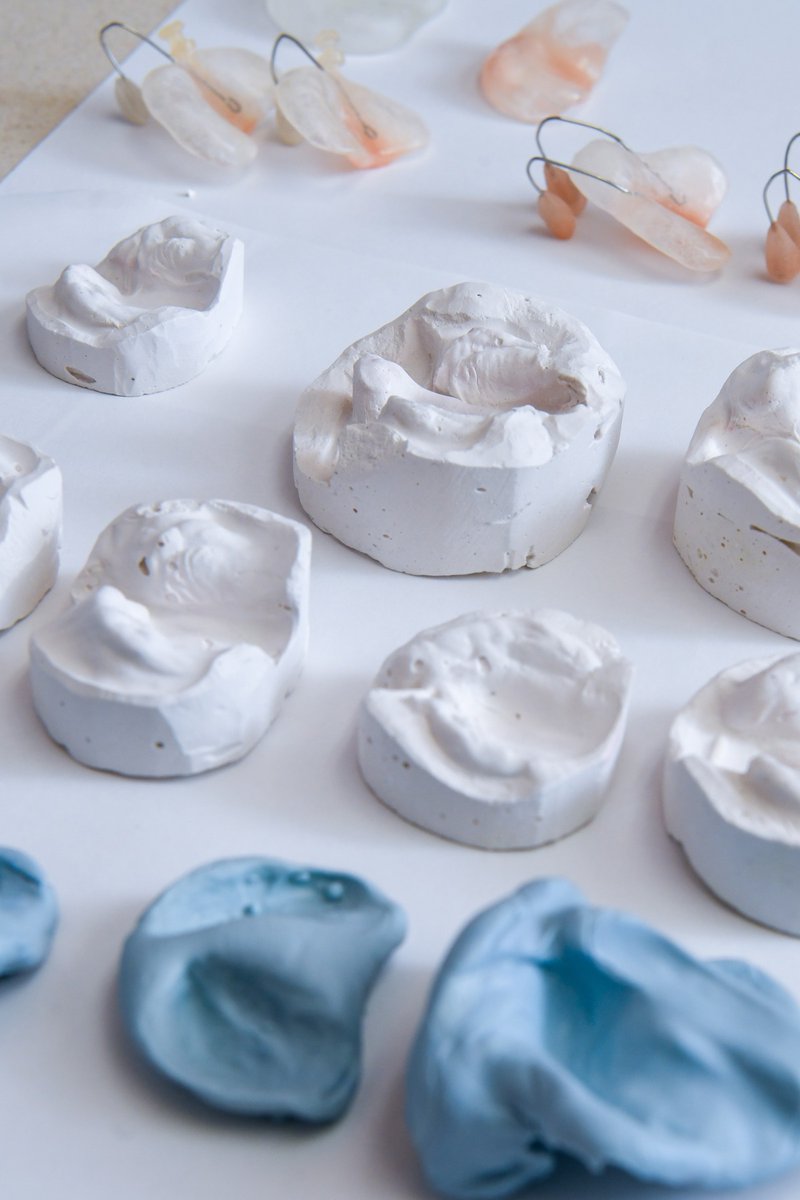
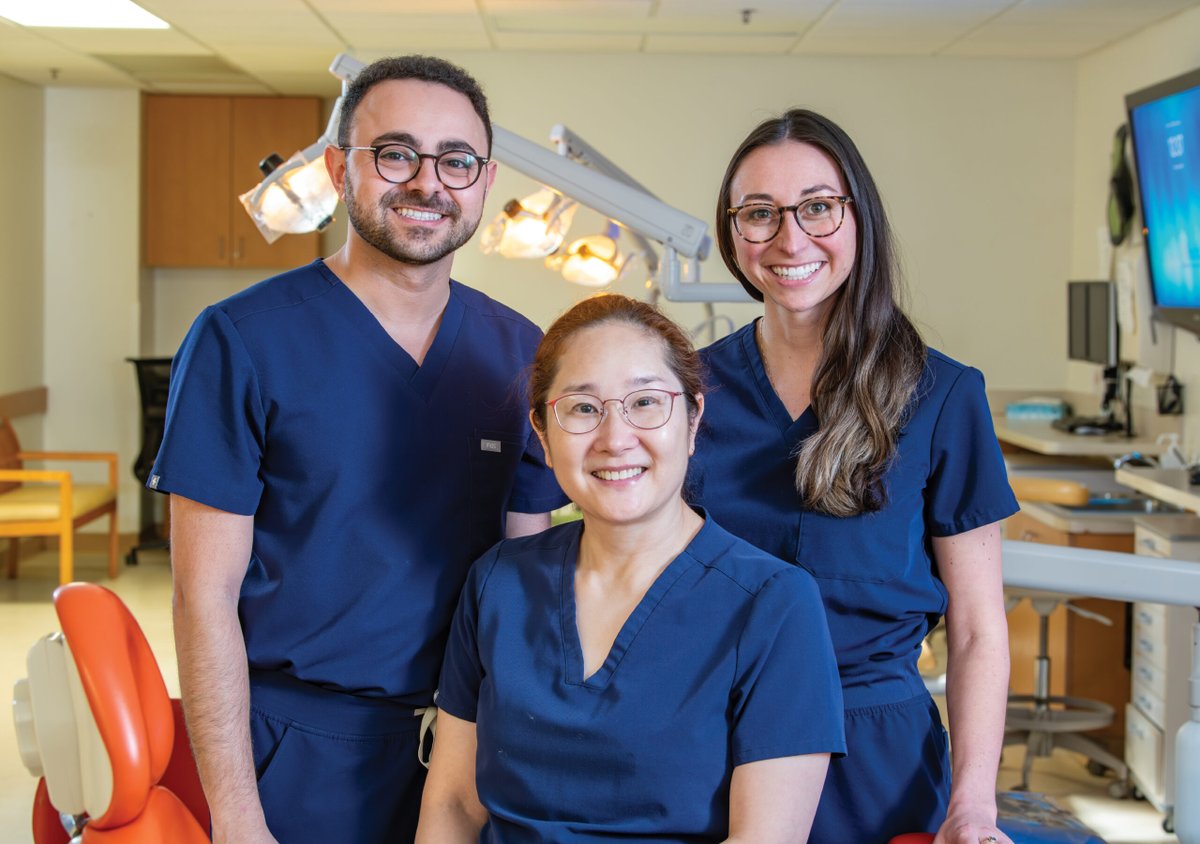
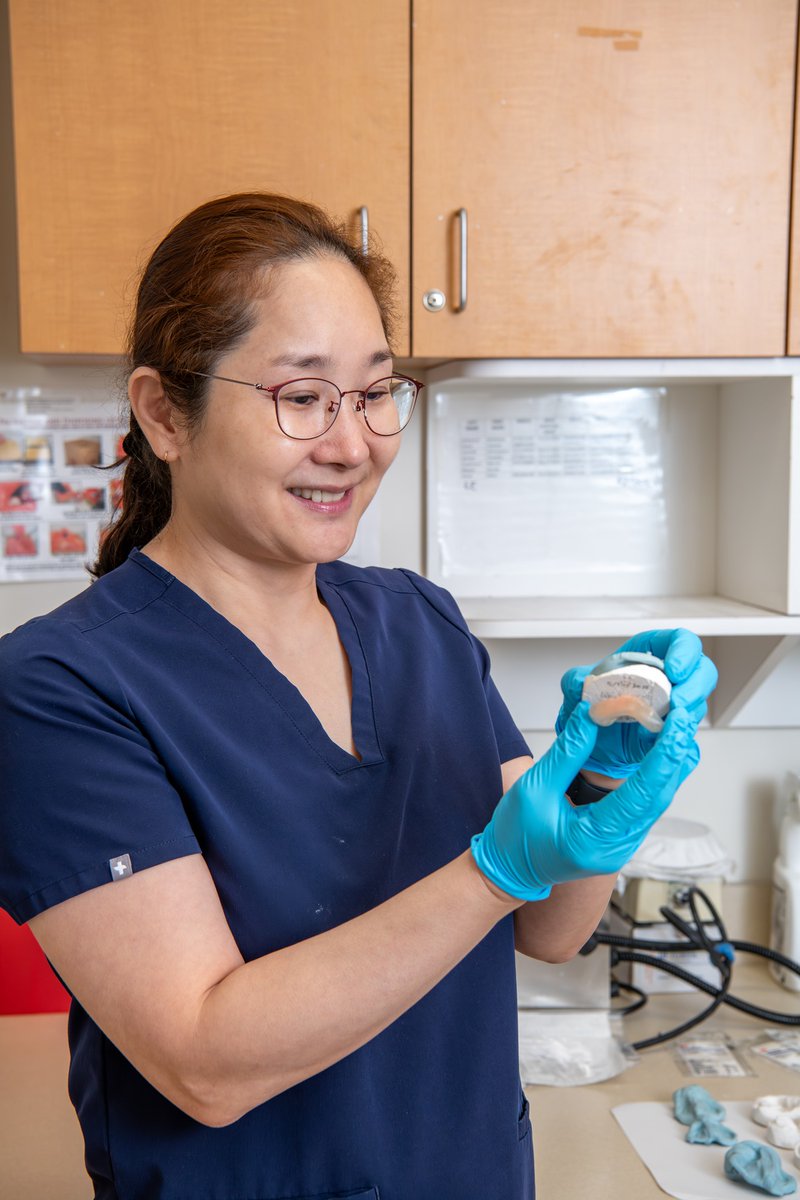
At @UFHealth's Craniofacial Center, specialists use early molding techniques and careful feeding support to stabilize infants born with cleft lip or palate before surgery.
With advanced tools like in‑house nasoalveolar molding (NAM) fabrication, the center improves surgical outcomes and offers families clarity and confidence during a complex, years‑long treatment process.
There’s nothing like being in space to do an experiment about space.
Longtime @UF_IFAS colleagues and friends, Dr. Rob Ferl and Dr. Anna-Lisa Paul have launched more than 15 experiments into orbit. Now their tests go beyond Earth, as Ferl becomes the first @NASA-funded researcher to conduct their own experiment in space.🌱🚀
https://t.co/JlnNzCTT9J
Rachel Fu is leading UF’s Eric Friedheim Tourism Institute into a new era powered by AI, robotics and Big Data. Fu’s work is reshaping how the hospitality industry learns, grows and prepares for the future.
Oscar Chi studies how we respond to service robots and whether we trust human or AI‑generated hotel reviews. His work is helping hotels design tech that feels human—without going too far.
Sayour's innovative investigations into mRNA vaccines revealed a powerful new way to stimulate the immune system that may one day transform cancer therapy.
Research from the lab of MBI Director Dr. Jennifer Bizon & Dr. Barry Setlow was featured in @wapo, with postdoctoral researcher Dr. Zak Krumm discussing animal studies to investigate how GLP-1 drugs may affect dopamine signaling & brain reward processing.
https://t.co/CobBKUTaq9
@UF@ConversationUS Curious what University of Florida authors are saying about today’s biggest issues? Check out these articles: https://t.co/B5ZsLgcOHB
From climate science to health and culture, @UF faculty are shaping global understanding through public scholarship. 30 million reads on @ConversationUS highlights the impact of accessible, research-driven storytelling.
The University of Florida launches the $41.2 million, 38,000-square-foot @Whitney_Lab Marine Research Center, more than doubling research space and expanding capacity for marine science, education and conservation. 🙌 🐢
https://t.co/bSth7KXXnk