@Confiance_MCI Oya
Wiba nk'abakase aka kantu mu nyungu zabo mbi. No kugakwirakwiza no ukubatera inkunga mu mugambi mubi wo gusenya u #Rwanda. Abanzi bazi imikorere yanjye ntibakwita kuri aka kantu kareshya gatya mu kihaniro cy'amasaha ane. Ntimugatize umurindi ikibi gutya
"Nta paradizo iba ku Isi, biragaragara ko Leta yabo inaniwe, mushatse mwatuza mukaguma muri Afurika tugakora"
KNC na Mutabaruka bavuze ku myigaragambyo ikaze ikomeje kubera mu Bufaransa , aho abanyeshuri 5000 bamaze gufungwa kubera kwigaragambya.#Rirarashe
There are moments when we must rise above competition, generations, and the everyday pressures of our industry to give flowers where they are deserved.
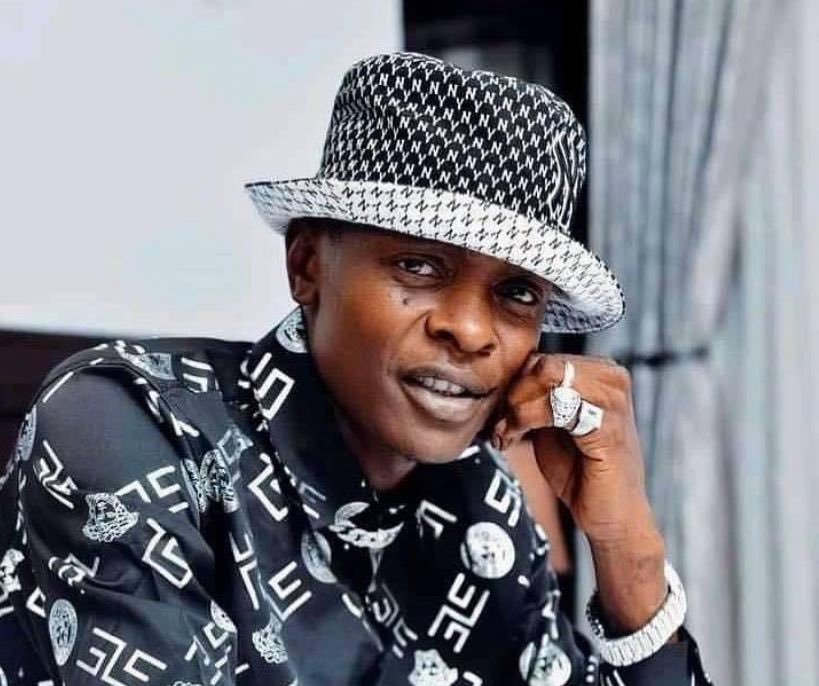
Today, I want to give mine to Dr. Jose Chameleone.
Jose Chameleone’s contribution to Ugandan music cannot be measured only by the number of songs he has released, the stages he has performed on, the awards he has received or the years he has spent in this industry. His contribution is much deeper than that.
He is part of the generation that gave Ugandan popular music confidence and direction.
At a time when our industry was still fighting to establish its identity and place within East Africa, Chameleone carried Ugandan music with courage, character and an unmistakable sound. He demonstrated that a Ugandan artist could command audiences beyond our borders while remaining proudly connected to home.
His music crossed languages, communities and national boundaries. Uganda embraced him, Kenya embraced him, Rwanda embraced him, Tanzania embraced him, Burundi embraced him, the Democratic Republic of Congo embraced him, and audiences far beyond East Africa came to know Uganda partly through the music of artists like him.
That is cultural diplomacy.
As a musician myself, I appreciate his artistic genius. Dr. Chameleone understands melody, emotion, language, performance and, importantly, people. He possesses that rare instinct of knowing how to communicate with an audience beyond simply singing to them.
As President of the Uganda National Musicians Federation, I appreciate something even bigger: his contribution to the development of our music ecosystem.
Many artists who came after his generation found a road that pioneers like Dr. Chameleone had already helped to open, he is one of those great people that defined the DOs and Don’ts of this industry. He made young Ugandans believe that music could become a serious profession, that our songs could travel, that our concerts could attract thousands and that a Ugandan musician could build a name recognised beyond our borders.
His journey has therefore never belonged to Chameleone alone. It forms part of the history of an entire industry.
And in my responsibility as Senior Presidential Advisor on Creatives, I recognise his contribution to Uganda as a cultural asset. Nations are not represented only through diplomacy, politics, tourism or sport. They are also represented through their artists. For decades, Chameleone has carried the Ugandan identity onto stages and into homes where our flag may never physically have reached.
There is another quality about Chameleone that deserves recognition: his instinct for unity.
We have seen it many times. When circumstances demand that artists forget individual differences and remember that we belong to one creative family, he has demonstrated the courage to call people together.
That spirit matters.
Our industry will always have competition. We shall disagree. We shall belong to different generations, associations, management structures and artistic schools. But music must remain bigger than any one of us.
The greatest legacy we can build is an industry where the success of one Ugandan artist creates possibilities for another.
Dr. Jose Chameleone has given Uganda hits. He has given East Africa memories. He has inspired musicians. He has created careers around his own career, from instrumentalists and producers to managers, promoters, technicians and many others whose livelihoods are connected to the creative economy.
Most importantly, he has given us history.
And history must be acknowledged while its makers are still here to hear us say: we saw what you did, we recognise what you contributed, and we appreciate you.
My brother Mr. Joseph Mayanja, generations will interpret our era differently, but no serious account of modern Ugandan music can be complete without your name and contribution.