Childhood trauma can harm health for life
Our scholars found that unsafe community environments not only affected child behavior but also created a physical, inflammatory response in their central nervous system.
https://t.co/zbsfsRg60E
#stress#healthequity#Psychology
"Responding to the Mental Health Needs of Youth of Color by Any Means Necessary." Our 2025 Gene Brody Symposium topic with Riana Anderson.
February 12 at 3:30 pm. Reading Room of the Miller Learning Center, UGA. Learn more: https://t.co/sr83tiZX9r
@BAC_UGA @ugapsychology
2025 Gene Brody Symposium hosted by OIBR's Center for Family Research on February 12, "Responding to the Mental Health Needs of Youth of Color by any Means Necessary." Mark your calendars to attend! @uga_cfr#socialscience#behavioralscience#youthmentalhealth
From criminal justice to social justice. @AugustJenkins5 found her place in the scholarship of health inequities and prevention. Read our profile of this emerging scholar. https://t.co/Et4J3lAEJ0
#prevention@CHSatAU@auhdfs#familyscience
Brian Bauer & Justin Lavner are leading a DoD-funded study to help veterans manage mental health crises. Their innovative Couple-Based Crisis Response Planning (CRP-C) targets early symptoms to reduce suicide risk. Virtual, accessible & stigma-reducing. https://t.co/T0uTNHJTNY
Studying multiple organ systems helps us see, "how life adversity can generate risk for such a broad set of mental and physical health problems," says @RobinNusslock in this video introduction to the Neuroimmune Network hypothesis. https://t.co/30Tz0TqBIs
#stress#healthequity
The Neuroimmune Network hypothesis (NIN) suggests a wholistic approach to investigate how biological and behavioral factors interact with each other to compound the effects of stress. See our video introduction to the NIN.
#neuroscience#stress
https://t.co/30Tz0TqBIs
New study from YDI suggests Black youth are paying an emotional toll of higher anxiety and depression due to racism.
@UGAResearch@HDFSatUGA@FACSUGA
https://t.co/SetXgKlyB3
Congrats to the OIBR Distinguished Scholars & Affiliates with the Psychology Dept. on their recent awards:
@YiminheQy, Phil Holmes, Brian Haas, @ThaniaGalvanphd, @scienceofgoats, Katie Ehrlich, Justin Lavner, and Melissa Robertson https://t.co/FbCMb6aFV7 #socialscience
An association between racial discrimination experienced in late adolescence and metabolic syndrome in early adulthood was found in a study from CFR scholars and colleagues. https://t.co/YheM08MsHm
#healthdisparities#healthequity#psychology@NUFeinbergMed
OIBR Distinguished Scholar, Katie Ehrlich, associate professor in psychology at UGA, has studied for years how racism leads to disease in Black communities. The medical community is finally starting to recognize her research. https://t.co/JMKyEpgwMY @ugapsychology #socialscience
🔬ARISE Lab & @uga_cfr's latest research on #MetabolicSyndrome sheds light on the impact of racial discrimination on health outcomes of Black young adults. This research focus is crucial for advancing health equity.https://t.co/qkpjZaCTvs #Research#HealthEquity#Community#ARISE
An association between racial discrimination experienced in late adolescence and metabolic syndrome in early adulthood was found in a study from CFR scholars and colleagues. https://t.co/YheM08MsHm
#healthdisparities#healthequity#psychology@NUFeinbergMed
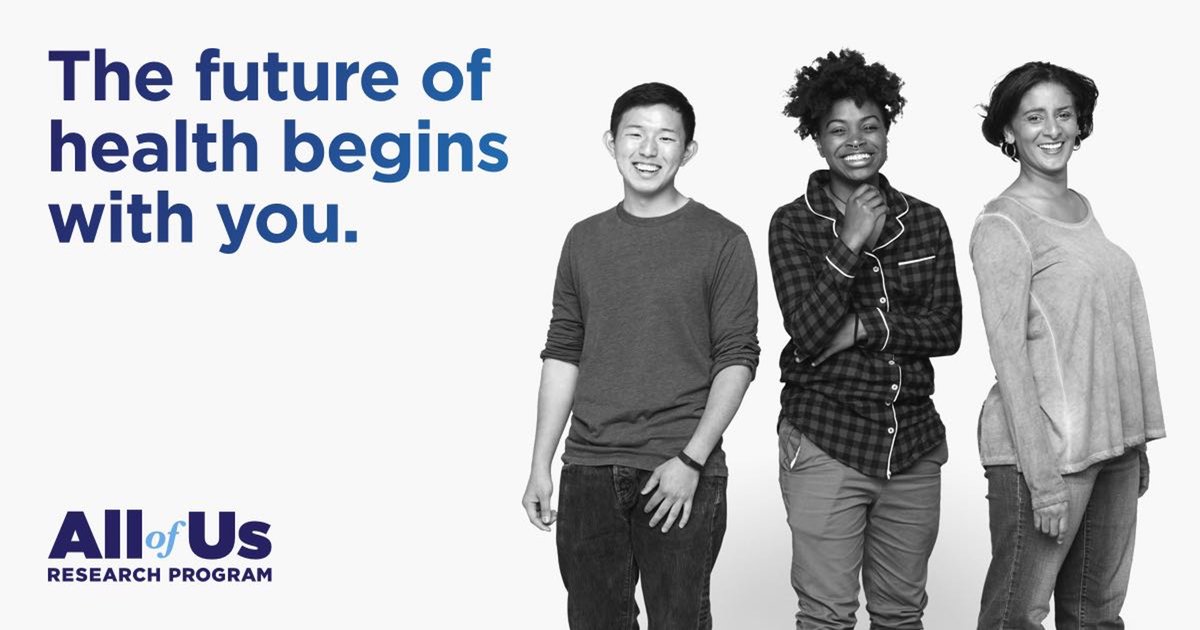
Diversity in research is important. Understanding the health information of people from all backgrounds is central to @AllofUsResearch. https://t.co/cw6yGNzPdC