The motto is a single word: RENOVAMINI, meaning 'be renewed.'
I found the image in Jacob Typot's emblem book, Symbola diuina & humana, published in Prague in 1601.
Notice the feathers surrounding the bird. The symbol's true message begins with these shed feathers.
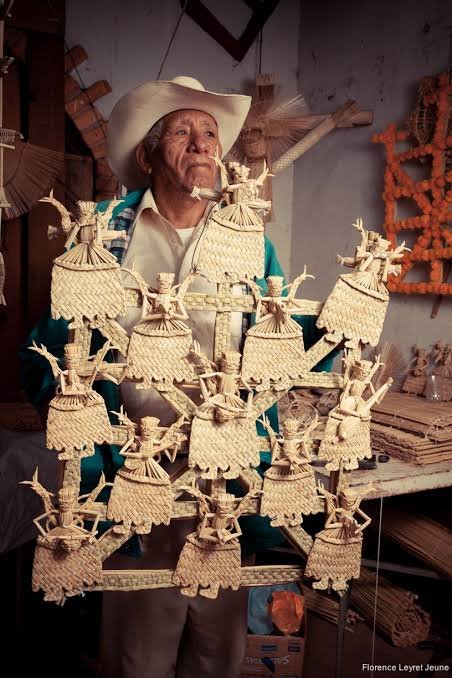
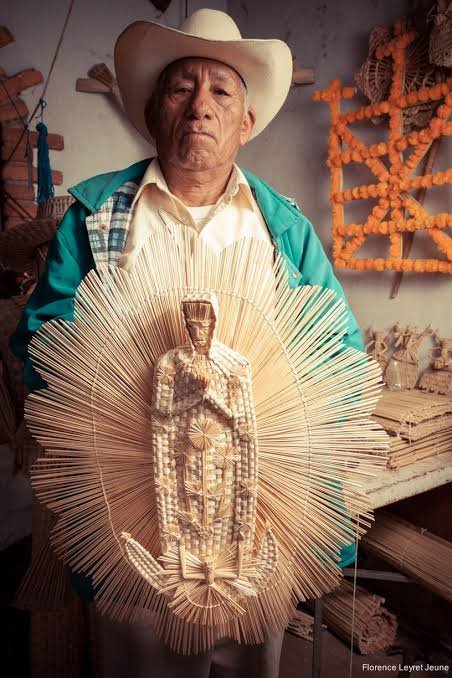
Miguel Ramírez Pérez, artesano de Tzintzuntzan, Michoacán.
Piezas realizadas con paja y chuspata (junco que crece a las orillas del lago de Pátzcuaro). Auténtica maestría purépecha que sigue viva. 🇲🇽
Luchadores mexicanos en Japón!
A finales de la década de los 80, un grupo de luchadores mexicanos viajó a Japón como parte de una gira internacional.
Este viaje tuvo como objetivo llevar la lucha libre mexicana al otro lado del mundo, promoviendo nuestro estilo, técnica y espectáculo en tierras japonesas durante una época de creciente intercambio entre ambos países.
En un contexto de puentes culturales y deportivos, los atletas posaron en escenarios tradicionales nipones, dejando imágenes que hoy forman parte de la historia de las giras internacionales de la lucha libre mexicana.
¿Sabes quiénes son los luchadores de esta fotografía?
Azazel is the titanic fire-bearer and the goat-headed blacksmith of the Nephilimic Witchcraft, who in accordance with the Luciferic impulse brought forbidden gnosis to the slumbering humanity, and woke to life the inner Black Flames of the elect. Azazel and Shamyaza were, as told in the apocryphal book of Enoch, the leaders of the order of angels called The Watchers. These angels chose to break free from the stagnating causality and the bounds of the demiurge, and instead followed their own acausal essence and acted in accordance with the will of Lucifer.
In some legends, it was Nahema Lilith who through her avatar Naamah, successfully awoke the Watchers from the demiurge's hypnotic illusion, and made them awaken their own fiery wills and dark lusts. It was Naamah who 'seduced' Azazel and made him decend down into the darkness of matter in order to, with his daimonic seed and black light, awaken the acausal fire within the pneumatic elect. These elect, who all are of daimonic essence and blood, are of Cain's ancestry, and carry within them the hidden fires of Samael and Lilith. Naamah herself was of Cain's bloodline, and therefore a fitting avatar for the energies of Nahema. In the same way did Naamah's brother, Tubal Kain, become a fitting avatar for Azazel, who later through his sexual union with Naamah, united the heavens with the underworld, and ignited the flames of the Black Light upon the earth.
@MetroViralMx@SSC_CDMX “Un sujeto”, es un adolescente. Sólo hay que llamarle la atención y no detenerlo; no mamen, esas son las cosas que hacen un servicio de seguridad eficiente en el metro
Sabías que existe un libro denominado “El libro del diablo”?
El Codex Gigas es el manuscrito medieval más grande que se conserva en el mundo.
Es conocido globalmente como la "Biblia del Diablo" debido a una colosal y perturbadora ilustración de Satanás a página completa en su interior.
Creado a principios del siglo XIII (alrededor del año 1229) en el monasterio benedictino de Podlažice (en la actual República Checa), el libro destaca tanto por sus colosales dimensiones físicas como por la leyenda oscura que envuelve su origen.
La famosa imagen de Satanás está pintada justo enfrente de una ilustración de la Ciudad Celestial (el Reino de Dios), simbolizando de forma directa las dos opciones del destino del alma humana según la fe medieval.
El Codex Gigas tuvo una historia turbulenta, pasando por varios monasterios hasta que terminó en la colección privada del emperador Rodolfo II en Praga.
En 1648, durante el saqueo de Praga al final de la Guerra los Treinta Años, el ejército sueco robó el manuscrito como botín de guerra.
Actualmente, el manuscrito original se conserva y exhibe bajo estrictas medidas de seguridad y climatización en la Biblioteca Nacional de Suecia en Estocolmo.
وصف الخلافة العربية من كتاب (سجلّ الرحلات - jingxingji - 经行记) للكاتب-الرحّالة دُو هوان 杜环
سُلالة تانغ - القرن الثامن
- السجل الخاص بِـ داشيْ - 大食 - Dashi
(أيّ البلاد العربية)
يُعرف مَلِكَهم بالمؤمن (أي أمير المؤمنين) وقد قام بنقل ] عاصمتها إلى هنا (العراق). وتتسم النساء في هذه المملكة بالجمال وطول القامة والملابس الزاهية والنظيفة. وعند خروجهن يجب عليهن تغطية وجوههن. وبغَضّ النظر عن مكانته الاجتماعية؛ فعلى الرجل أداء الصلاة خمس مرات في اليوم. وعلى خلاف ذلك ، عندما يصومون لا يمتنعون عن أكل اللحوم؛ حيث يعتبرون ذبح الحيوانات فضيلة. كما يرتدي الرجال الأطواق الفضية التي تتدلى منها خناجر فضية أيضاً، ويمتنعون عن شُرب الخمر وسماع الموسيقى أو عزفها.
وإن اختلفوا فيما بينهم لا يصل بهم الحال أبداً إلى الاقتتال [ ضد بعضهم بعضاً ]. كما أن لديهم مجلساً للإجتماع (إختلف المؤرّخون هل يقصد مسجد الكوفة أم المسجد الحرام في مكة المكرمة) يستوعب عشرات الآلاف من الأشخاص. ويأتي الخليفة [هذا المجلس ] [ مرةً ] كل أسبوع لأداء الصلاة؛ حيث يجلس على مقعد عال، ويخطب في الحشد الذي أمامه، قائلاً:
«الحياة صعبة، وطريق السماء [الإسلام ] ليس سهلاً [ لفهم�� ]». والزنا والسر��ة وسوء السلوك والكذب [ حتى في الأشياء البسيطة، أو نَفْعُ نفسك على حساب الإضرار بالآخرين، أو ممارسة أعمال البلطجة على الفقراء، أو السخرية من البسطاء تُعَدُّ كلها من الكبائر. وإذا شاركت في حرب، وقُتلت على يد العدو؛ فأنت شهيد، وتذهب إلى السماء [الله]، وإن قتلت أحداً [ جندياً من أعدائك فسوف تلقى مكافأة مجزية في الجنة». وتهدف هذه التعاليم إلى تدريب الناس على السمع والطاعة؛ فالقانون هنا مرن والجنازات طقوسها بسيطة.
السجل الخاص بـ Zhan Guo [سوريا ]
[يذكر دو هوان في سجل الرجالات] أيضاً أن [مملكة الشام ] Zhan تقع على الحدود الغربية للعاصمة العربية التي تمتد الأقاليم التابعة لها آلاف الأميال الصينية (المقصد مساحة الخلافة وليس الشام).
ويبني الناس هنا بيوتهم باستخدام القرميد ��لى الأسقف، والأحجار لجدران المنازل. وتشتهر الحبوب تجديداً بسعرها الرخيص جداً. كما يتدفق نهر كبير للغاية ناحية الشرق بإتجاه شبه الجزيرة [ العربية ] (الفرات)، ويرتدي الناس هنا ملابس فضفاضة تبدو مثل زي كونفوشيوس.
كلمة (تْيانْ - 天) هي أحد أقدم المفاهيم التوحيديّة في التاريخ الصّيني ما قبل الإمبراطوري، والمعنى المستخدم في عصر أسرة چو 1046 – 256ق.م. كان "الربّ الأعلى" الذي يدبّر الكون ويرزق الناس في محاصيلهم ويذبح له الملوك أضاحيهم ويحرم تجسيده في الصور والتماثيل في المعابد، واليوم تُستخدم الكلمة بمعناها ا��حرفي "السّماء" أو "الجنّة" ولكن بدلالات مجازية وليست دينية.
وقد تطوّر رسم الكلمة عبر الزمن إلى شكلها الحالي 天
This alchemical illustration shows a human figure inside a sphere surrounded by planetary symbols, probably representing the microcosm or the soul.The crow posed on the figure is a key symbol of the nigred or "blackwork", the first stage of the alchemical process involving rotrefation and disintegration.The surrounding planetary symbols represent the various stages and energetic influences necessary for the "Grand Opera" of spiritual and material transformation.




![almsaodii's tweet photo. وصف الخلافة العربية من كتاب (سجلّ الرحلات - jingxingji - 经行记) للكاتب-الرحّالة دُو هوان 杜环
سُلالة تانغ - القرن الثامن
- السجل الخاص بِـ داشيْ - 大食 - Dashi
(أيّ البلاد العربية)
يُعرف مَلِكَهم بالمؤمن (أي أمير المؤمنين) وقد قام بنقل ] عاصمتها إلى هنا (العراق). وتتسم النساء في هذه المملكة بالجمال وطول القامة والملابس الزاهية والنظيفة. وعند خروجهن يجب عليهن تغطية وجوههن. وبغَضّ النظر عن مكانته الاجتماعية؛ فعلى الرجل أداء الصلاة خمس مرات في اليوم. وعلى خلاف ذلك ، عندما يصومون لا يمتنعون عن أكل اللحوم؛ حيث يعتبرون ذبح الحيوانات فضيلة. كما يرتدي الرجال الأطواق الفضية التي تتدلى منها خناجر فضية أيضاً، ويمتنعون عن شُرب الخمر وسماع الموسيقى أو عزفها.
وإن اختلفوا فيما بينهم لا يصل بهم الحال أبداً إلى الاقتتال [ ضد بعضهم بعضاً ]. كما أن لديهم مجلساً للإجتماع (إختلف المؤرّخون هل يقصد مسجد الكوفة أم المسجد الحرام في مكة المكرمة) يستوعب عشرات الآلاف من الأشخاص. ويأتي الخليفة [هذا المجلس ] [ مرةً ] كل أسبوع لأداء الصلاة؛ حيث يجلس على مقعد عال، ويخطب في الحشد الذي أمامه، قائلاً:
«الحياة صعبة، وطريق السماء [الإسلام ] ليس سهلاً [ لفهم�� ]». والزنا والسر��ة وسوء السلوك والكذب [ حتى في الأشياء البسيطة، أو نَفْعُ نفسك على حساب الإضرار بالآخرين، أو ممارسة أعمال البلطجة على الفقراء، أو السخرية من البسطاء تُعَدُّ كلها من الكبائر. وإذا شاركت في حرب، وقُتلت على يد العدو؛ فأنت شهيد، وتذهب إلى السماء [الله]، وإن قتلت أحداً [ جندياً من أعدائك فسوف تلقى مكافأة مجزية في الجنة». وتهدف هذه التعاليم إلى تدريب الناس على السمع والطاعة؛ فالقانون هنا مرن والجنازات طقوسها بسيطة.
السجل الخاص بـ Zhan Guo [سوريا ]
[يذكر دو هوان في سجل الرجالات] أيضاً أن [مملكة الشام ] Zhan تقع على الحدود الغربية للعاصمة العربية التي تمتد الأقاليم التابعة لها آلاف الأميال الصينية (المقصد مساحة الخلافة وليس الشام).
ويبني الناس هنا بيوتهم باستخدام القرميد ��لى الأسقف، والأحجار لجدران المنازل. وتشتهر الحبوب تجديداً بسعرها الرخيص جداً. كما يتدفق نهر كبير للغاية ناحية الشرق بإتجاه شبه الجزيرة [ العربية ] (الفرات)، ويرتدي الناس هنا ملابس فضفاضة تبدو مثل زي كونفوشيوس.](https://pbs.twimg.com/media/HLGY3LlXIAAKbm9.jpg)








![almsaodii's tweet photo. وصف الخلافة العربية من كتاب (سجلّ الرحلات - jingxingji - 经行记) للكاتب-الرحّالة دُو هوان 杜环
سُلالة تانغ - القرن الثامن
- السجل الخاص بِـ داشيْ - 大食 - Dashi
(أيّ البلاد العربية)
يُعرف مَلِكَهم بالمؤمن (أي أمير المؤمنين) وقد قام بنقل ] عاصمتها إلى هنا (العراق). وتتسم النساء في هذه المملكة بالجمال وطول القامة والملابس الزاهية والنظيفة. وعند خروجهن يجب عليهن تغطية وجوههن. وبغَضّ النظر عن مكانته الاجتماعية؛ فعلى الرجل أداء الصلاة خمس مرات في اليوم. وعلى خلاف ذلك ، عندما يصومون لا يمتنعون عن أكل اللحوم؛ حيث يعتبرون ذبح الحيوانات فضيلة. كما يرتدي الرجال الأطواق الفضية التي تتدلى منها خناجر فضية أيضاً، ويمتنعون عن شُرب الخمر وسماع الموسيقى أو عزفها.
وإن اختلفوا فيما بينهم لا يصل بهم الحال أبداً إلى الاقتتال [ ضد بعضهم بعضاً ]. كما أن لديهم مجلساً للإجتماع (إختلف المؤرّخون هل يقصد مسجد الكوفة أم المسجد الحرام في مكة المكرمة) يستوعب عشرات الآلاف من الأشخاص. ويأتي الخليفة [هذا المجلس ] [ مرةً ] كل أسبوع لأداء الصلاة؛ حيث يجلس على مقعد عال، ويخطب في الحشد الذي أمامه، قائلاً:
«الحياة صعبة، وطريق السماء [الإسلام ] ليس سهلاً [ لفهم�� ]». والزنا والسر��ة وسوء السلوك والكذب [ حتى في الأشياء البسيطة، أو نَفْعُ نفسك على حساب الإضرار بالآخرين، أو ممارسة أعمال البلطجة على الفقراء، أو السخرية من البسطاء تُعَدُّ كلها من الكبائر. وإذا شاركت في حرب، وقُتلت على يد العدو؛ فأنت شهيد، وتذهب إلى السماء [الله]، وإن قتلت أحداً [ جندياً من أعدائك فسوف تلقى مكافأة مجزية في الجنة». وتهدف هذه التعاليم إلى تدريب الناس على السمع والطاعة؛ فالقانون هنا مرن والجنازات طقوسها بسيطة.
السجل الخاص بـ Zhan Guo [سوريا ]
[يذكر دو هوان في سجل الرجالات] أيضاً أن [مملكة الشام ] Zhan تقع على الحدود الغربية للعاصمة العربية التي تمتد الأقاليم التابعة لها آلاف الأميال الصينية (المقصد مساحة الخلافة وليس الشام).
ويبني الناس هنا بيوتهم باستخدام القرميد ��لى الأسقف، والأحجار لجدران المنازل. وتشتهر الحبوب تجديداً بسعرها الرخيص جداً. كما يتدفق نهر كبير للغاية ناحية الشرق بإتجاه شبه الجزيرة [ العربية ] (الفرات)، ويرتدي الناس هنا ملابس فضفاضة تبدو مثل زي كونفوشيوس.](https://pbs.twimg.com/media/HLGY3L0WAAAgUzL.jpg)


