We can all agree that vamps suck ass
Need to work together to solve it.
Calling out to @a1lon9, @AxiomExchange, @TradingTerminal, fomo and whoever else.
Yes there’ll be less money in fees but a better space = this will last longer.
I Bought $250,000 Worth of Toilet Paper
No, that’s not a typo.
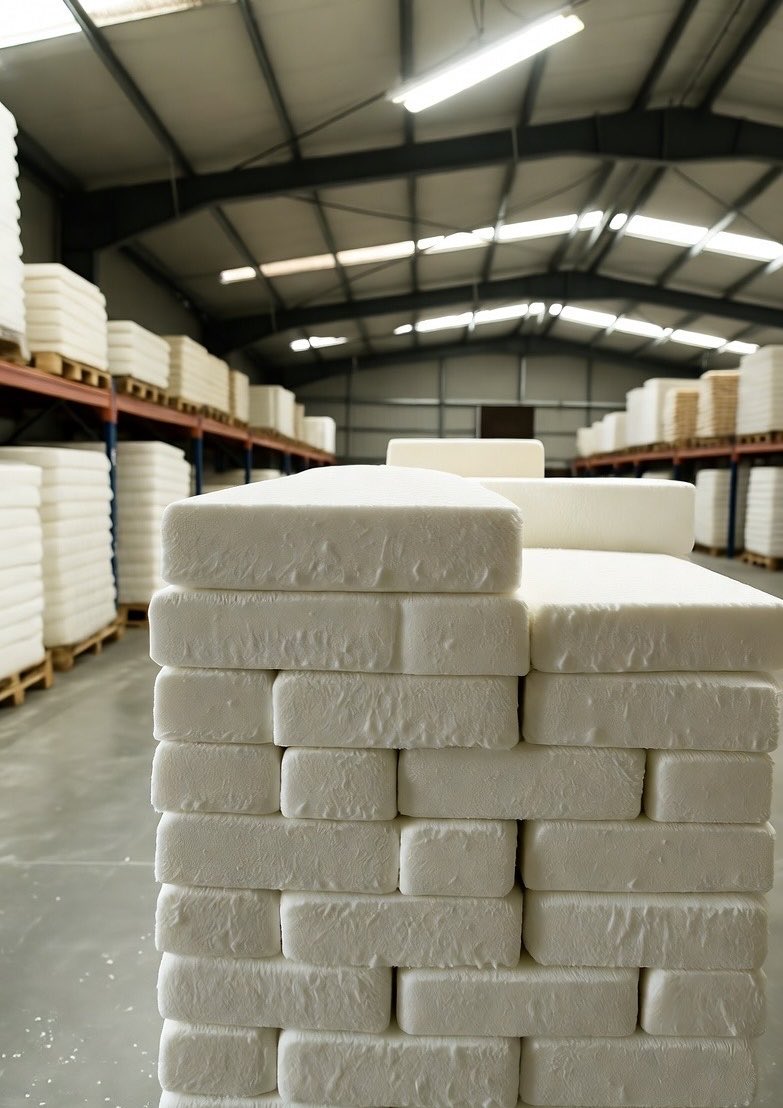
That’s roughly 200,000 premium 3-ply rolls, a warehouse of softness stacked from floor to ceiling. An asset the consumer market literally can’t print fast enough when panic hits.
Most people would call it insanity.
But let me explain the thesis.
Each roll costs about $1.25 today. But over the past 30 years, the price of high-end tissue has risen faster than the CPI, the dollar, and even gasoline, up over 400% since 1995.
Meanwhile, governments keep inflating supply chains and deflating standards.
It’s only a matter of time before a “cost-optimized” future brings thinner sheets, shorter rolls, and recycled roughness.
So what happens when comfort becomes scarce?
Those who held the original softness, the “hard assets” of the hygiene world, will see their rolls vanish from supermarket shelves overnight. Just like silver coins, but smoother.
My $250,000 position, therefore, isn’t a “hoard.”
It’s an asymmetrical bet that civilization will keep consuming, inflation will keep eroding, and softness will keep outperforming scarcity.
Worst case? I still have $250,000 of tangible, usable assets that everyone will eventually need.
Best case? Prices triple, imports collapse, or regulation forces “eco-paper” making the legacy rolls finite, luxurious, and priceless to the desperate and discerning alike.
It’s not crypto. It’s not gold.
It’s not even pulp fiction.
It’s 200,000 tiny claims on comfort itself,
a hedge against both inflation and indigestion.
That’s deep value.
That’s the Toilet Paper Standard.
I Bought $250,000 Worth of AA Batteries.
No, that’s not a typo.
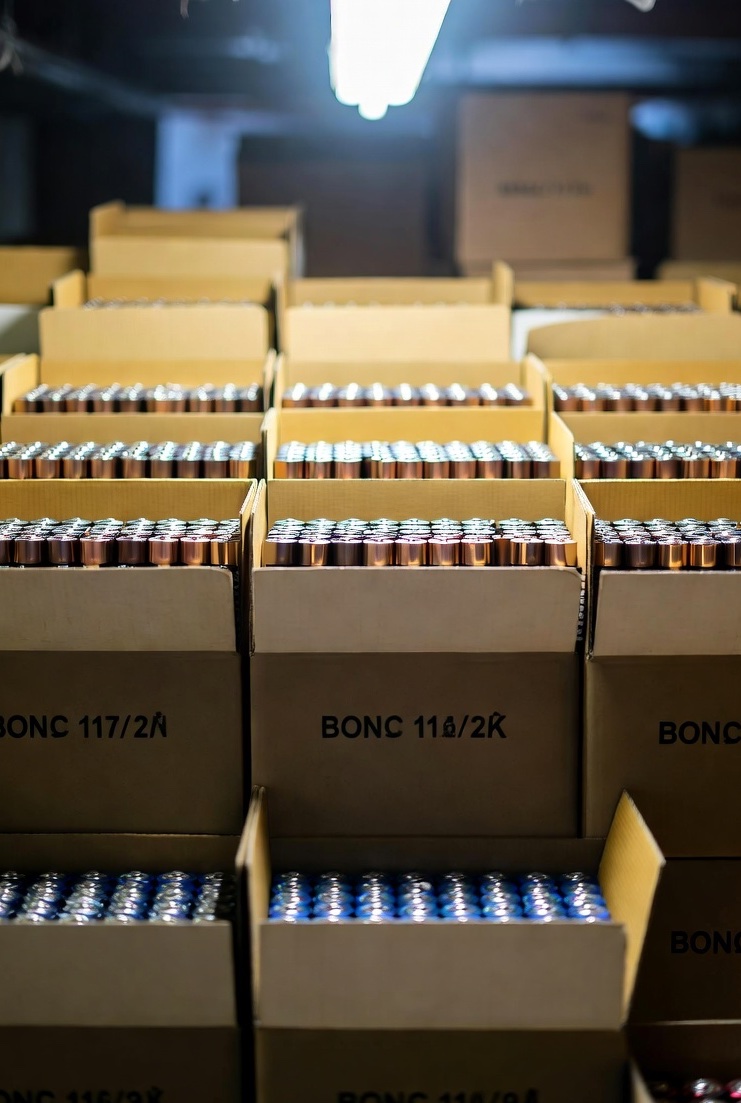
That’s roughly 1.25 million chargeables. A bunker full of cylindrical power bricks stacked from floor to ceiling in my basement. An asset the electronics supply chain literally can’t crank out fast enough when the grid flickers.
Most people would call it insanity. But let me explain the thesis.
Each premium AA costs about $0.20 today (in bulk). Although retail pricing has remained stable, over the past 30 years the *production cost* of reliable batteries has surged faster than the CPI, the dollar, and the cost of Netflix subscriptions. Retail prices are set for a long overdue course correct.
And, at the same time, high priced lithium AAs are no substitute. Thanks to lithium wars, cobalt cartels, and the use of child slave labor falling out of favor because of woke TikTokers, AA lithiums are on their way out. Besides, we need all of those precious metals for our coal powered electric vehicles.
Meanwhile, governments keep greenwashing grids with feel-good mandates that are ineffective, IoT gadgets multiply like rabbits, and our power system is slammed by the gluttonous needs of data centers powering your AI waifu. It’s only a matter of time before a “sustainable” future leaves everyone in the dark.
So what happens when juice becomes the new gold?
Those who stacked the original electrons, the “hard-charging” assets of the blackout economy, will watch with glee as flashlights fizzle, children wail as their Nintendo Switch turns off, and your mom sobs over a glass of wine by candlelight because her high-powered vibrator is now just a sad, old timey dildo.
My $250,000 position, therefore, isn’t a “stockpile.” It’s an asymmetrical bet that blackouts will keep rolling, inflation will keep draining you, and AAs are on an arc to dominance.
Worst case? I’m long $250,000 of the most universal energy source known to man. These bad boys have a 10 year shelf life and everyone needs them, so I have time on my side.
Best case? Prices quintuple, EMP scares spike demand, or China declares batteries a “strategic asset” and halts all exports, turning legacy AAs into finite heirlooms for the gadget-addicted and grid-forsaken alike.
It’s not crypto, it's not stocks, it's not even as simple as just an anode and cathode.
It��s 1.25 million tiny rods of resilience itself. It's a hedge against darkness.
That's deep value.
That’s the AA Standard.
I Bought $250,000 Worth of Cocaine
No, that’s not a typo.
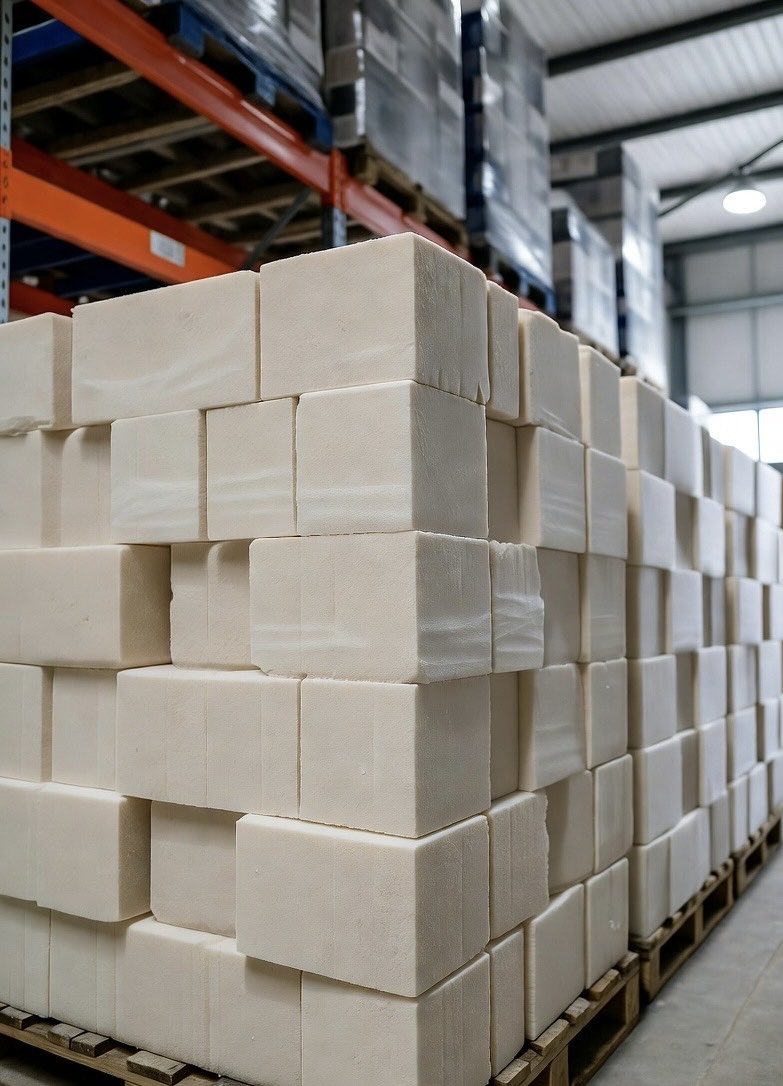
That’s roughly 5 kilograms of ultra-pure, Bolivian flake — the kind of white asset class that’s been outperforming fiat, faith, and fiscal restraint since the 1980s.
Most people would call it criminal.
But let me explain the thesis.
Each gram goes for about $50 today. But over the past 40 years, the street price of premium product has defied gravity, inflation, and international law — up nearly 900% since Reagan, and still climbing every time the Fed hikes rates.
Meanwhile, governments keep inflating currencies and deflating dopamine. The world runs on anxiety and Adderall, but the real energy trade has always been white, scarce, and globally liquid.
So what happens when the next crash hits, the markets freeze, and morale evaporates?
When optimism becomes contraband, those who held the original confidence powder — the “hard assets” of the happiness economy — will see their margins skyrocket. Supply will vanish overnight, replaced by fentanyl-laced impostors and corporate substitutes.
My $250,000 position, therefore, isn’t a “stash.”
It’s an asymmetrical hedge against stagnation, prohibition, and despair.
Worst case? I sit on $250,000 of historically inelastic demand — a tangible, portable reserve currency that never decays and always clears.
Best case? Prices triple, cartels consolidate, or governments legalize and institutionalize the product, turning legacy purity into a collectible, tradable relic of the analog high.
It’s not Bitcoin. It’s not bullion.
It’s not even biotech.
It’s five kilos of compressed confidence —
a hedge against inflation, legislation, and motivation itself.
That’s deep value.
That’s the Cocaine Standard.