We're hiring! @UMDCS is seeking faculty at all ranks for multiple tenure-track positions across computer science research areas.
Learn more and apply: https://t.co/VDQlxemmN3
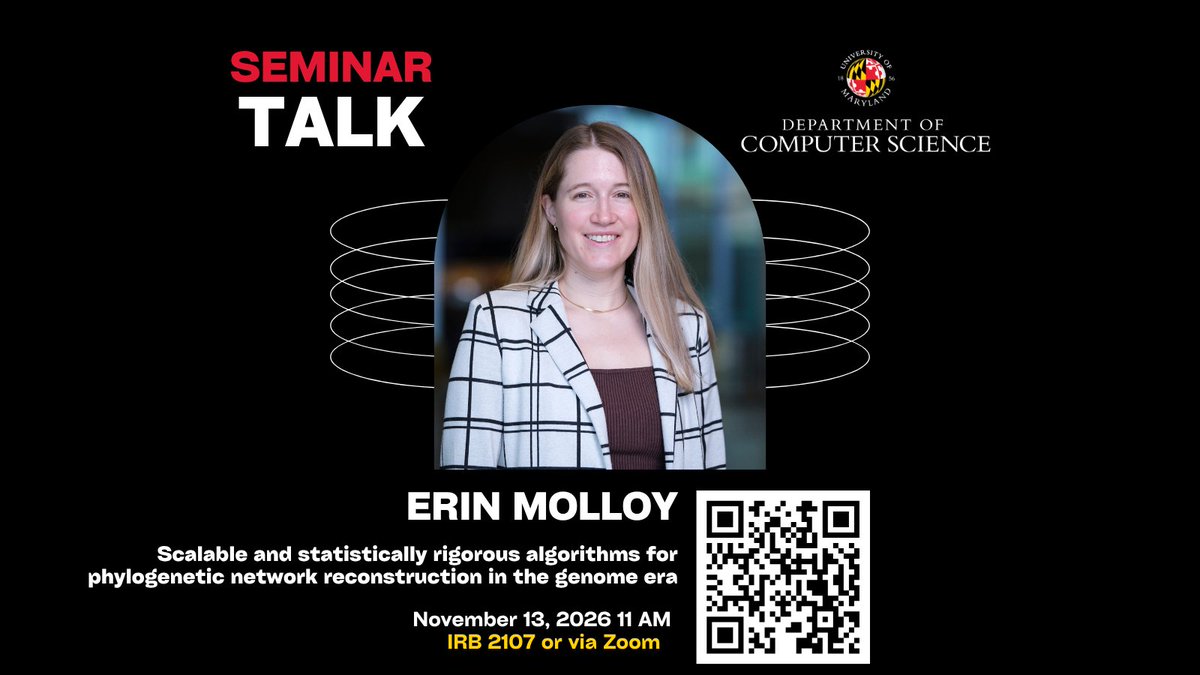
How can scientists trace the evolutionary history of species when their relationships are more complicated than a simple family tree?
Join @UMDCS' Erin Molloy (@erinkmolloy) for a seminar on new computational methods that use genomic data to better understand how species and populations are related.
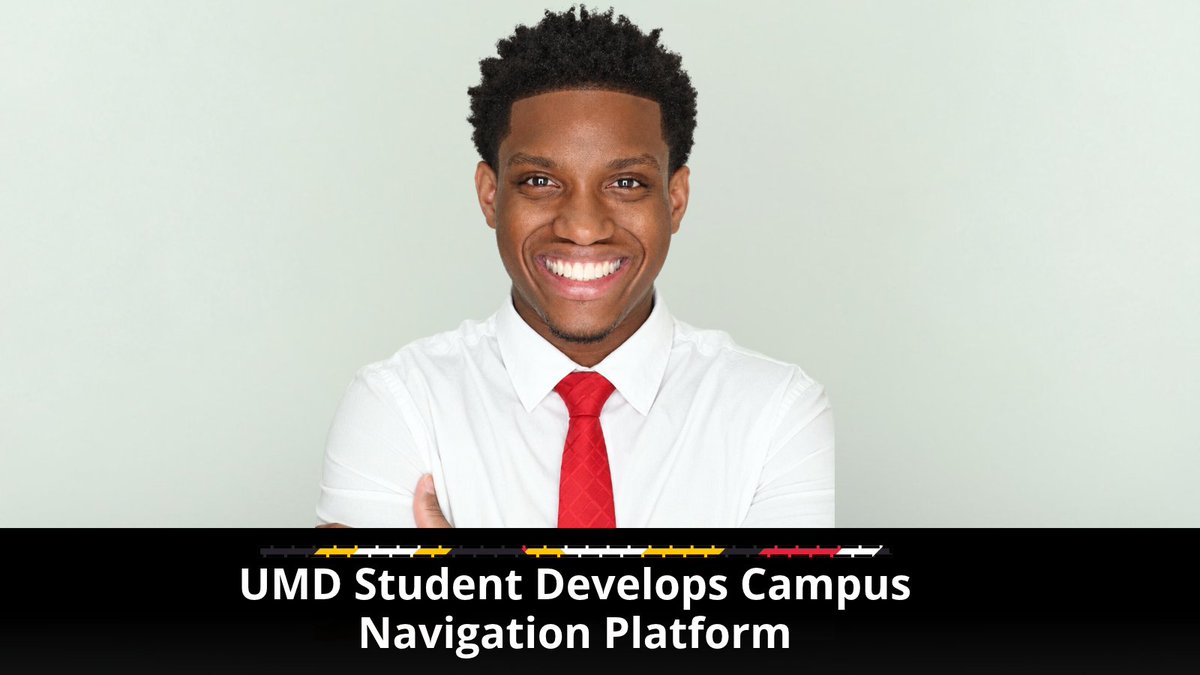
📍Finding your way around @UofMaryland just got easier. Information science student Francis Ametewee developed TerpNav, a campus navigation platform, with guidance from Computing Catalyst’s TechStart program.
Read more: https://t.co/T1KL2B2EQu
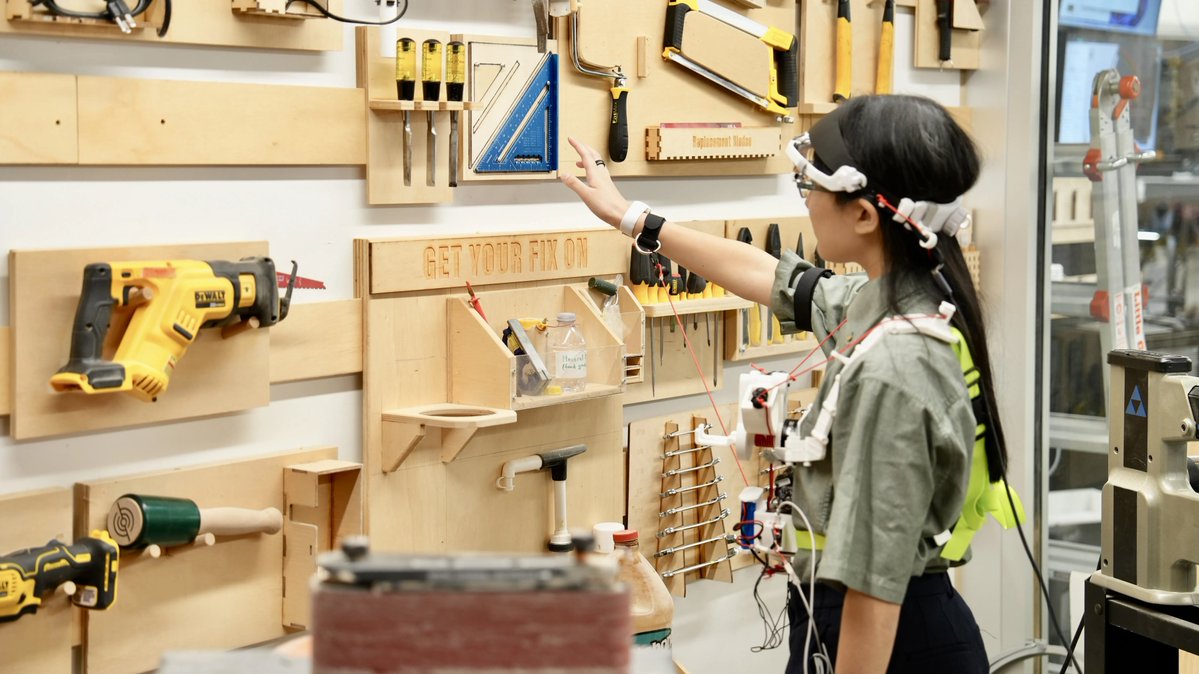
🔊 @UofMaryland researchers developed ProtoCall, a wearable AI system that detects and physically redirects mistakes before they happen, helping people learn new physical skills.
The technology could support workforce training and rehabilitation.
Read more: https://t.co/yQqnKOJlnp
Join us Nov. 12 for AI Premier, bringing together @UofMaryland students and industry professionals for a corporate panel, student research posters and networking opportunities.
📅 Nov. 12 | 5:30-8:30 p.m.
📍 Antonov Auditorium, Brendan @iribecenter
🔗 https://t.co/w7121R1gH2
Can AI voice assistants learn when to speak, how fast to talk and when to pause?
@UofMaryland alum Utkarsh Tyagi (M.S. ’25) led the development of SteerDuplex, a model designed to make AI conversations more responsive and natural.
Read more: https://t.co/kcBwNy7rME
What if a flute felt like raindrops on your skin? With a $150,000 grant, a @UofMaryland team, including Jun Nishida (@umd_emd) and Nirupam Roy (@NeeeRooo9), will develop wearable tech to help Deaf and hard-of-hearing audiences experience live music through touch.
Read more: https://t.co/P6DCcnMnC3
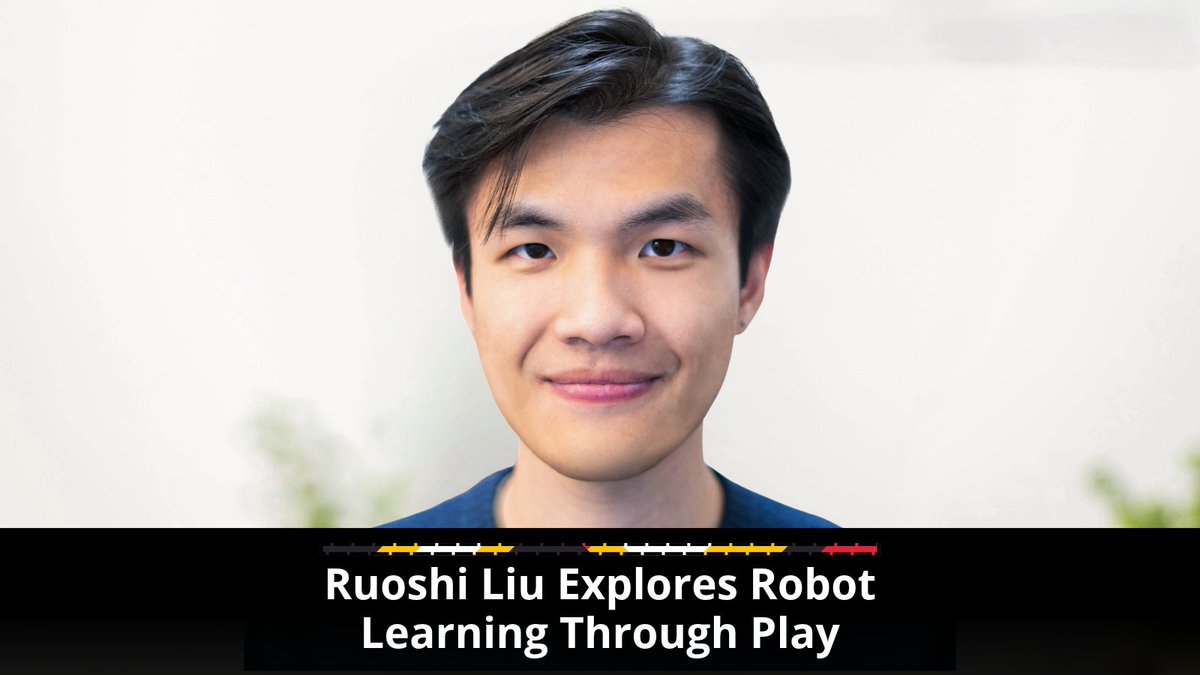
🤖 Can robots learn the way humans do through play?
New @UofMaryland CS faculty member Ruoshi Liu (@ruoshi_liu) explores how AI can help robots learn from experience, adapt to unfamiliar environments and interact with the physical world.
Read more: https://t.co/JjcY4qBmsd
Two @UofMaryland CS alumni, @SuhoShin327 and Zeyu Yan, received the 2026 Larry S. Davis Doctoral Dissertation Award for research on AI decision-making and sustainable electronics.
Read more: https://t.co/nIEhvZhPox
.@umdcs major Milkii Dagne is taking over our Instagram story today (10/28)!
She will be sharing behind-the-scenes of the #UMD Computing Catalyst Conference (C3) in Anaheim, California: https://t.co/c7mWWTO6gg
Join @UMDCS Associate Professor Nirupam Roy (@NeeeRooo9) for a seminar exploring how physical knowledge can help AI systems better understand, model and interact with the physical world.
Can Wi-Fi help monitor health without wearables or cameras?
Selected for @UofMaryland's Hatchery program, student-led startup PulseFi is developing technology to track vital signs and detect movement patterns using wireless signals.
Read more: https://t.co/lQF3jsfNWk
What if digital objects could sound as real as they look?
@UMDCS researchers developed an AI system that recreates realistic sounds from just a few taps, with potential applications in robotics, gaming and virtual reality.
Read more: https://t.co/wVGfGj3iP8
Can brain activity help detect cybersickness in VR and AR?
@UofMaryland researchers identified brain wave patterns linked to cybersickness, offering a potential way to detect symptoms in real time and improve user comfort.
Read more: https://t.co/CcfPQwNs2e
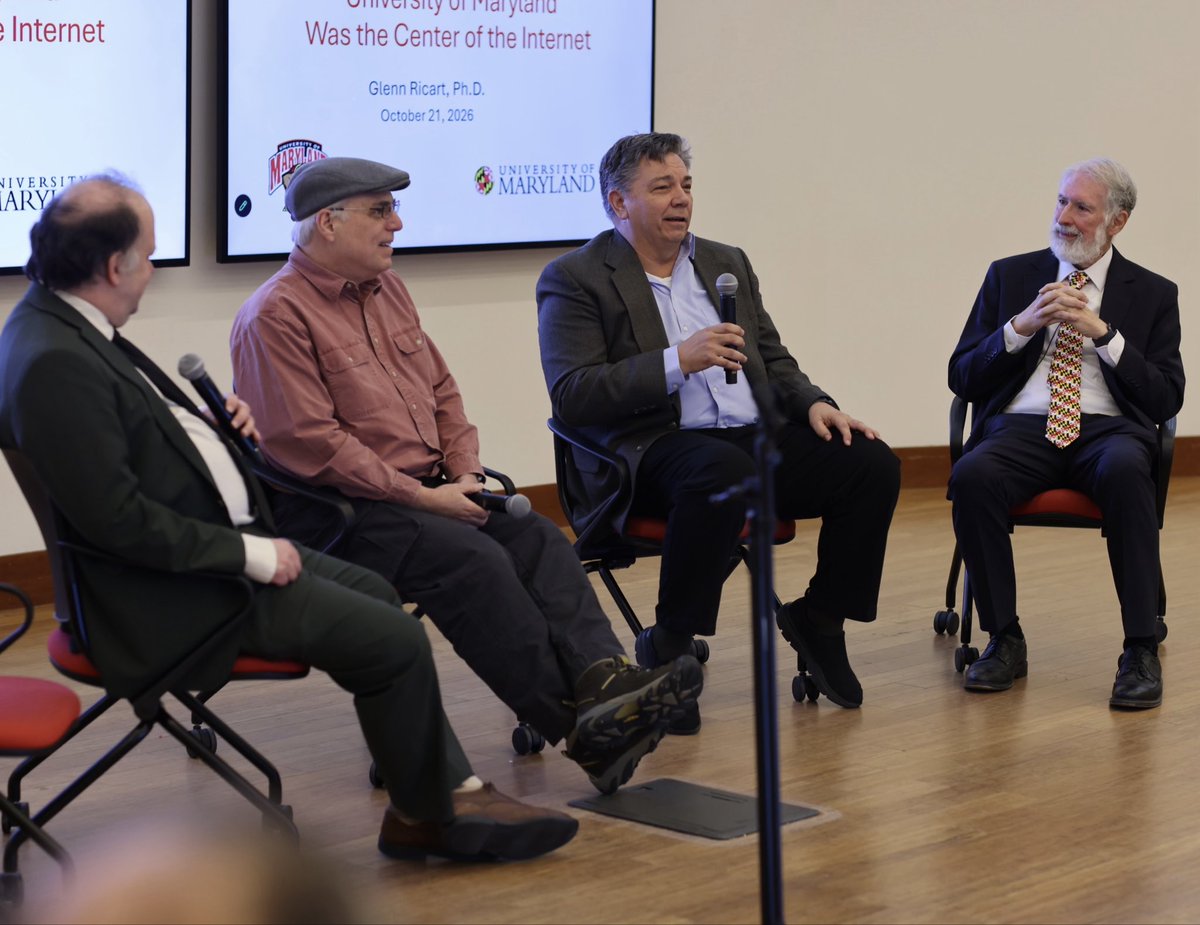
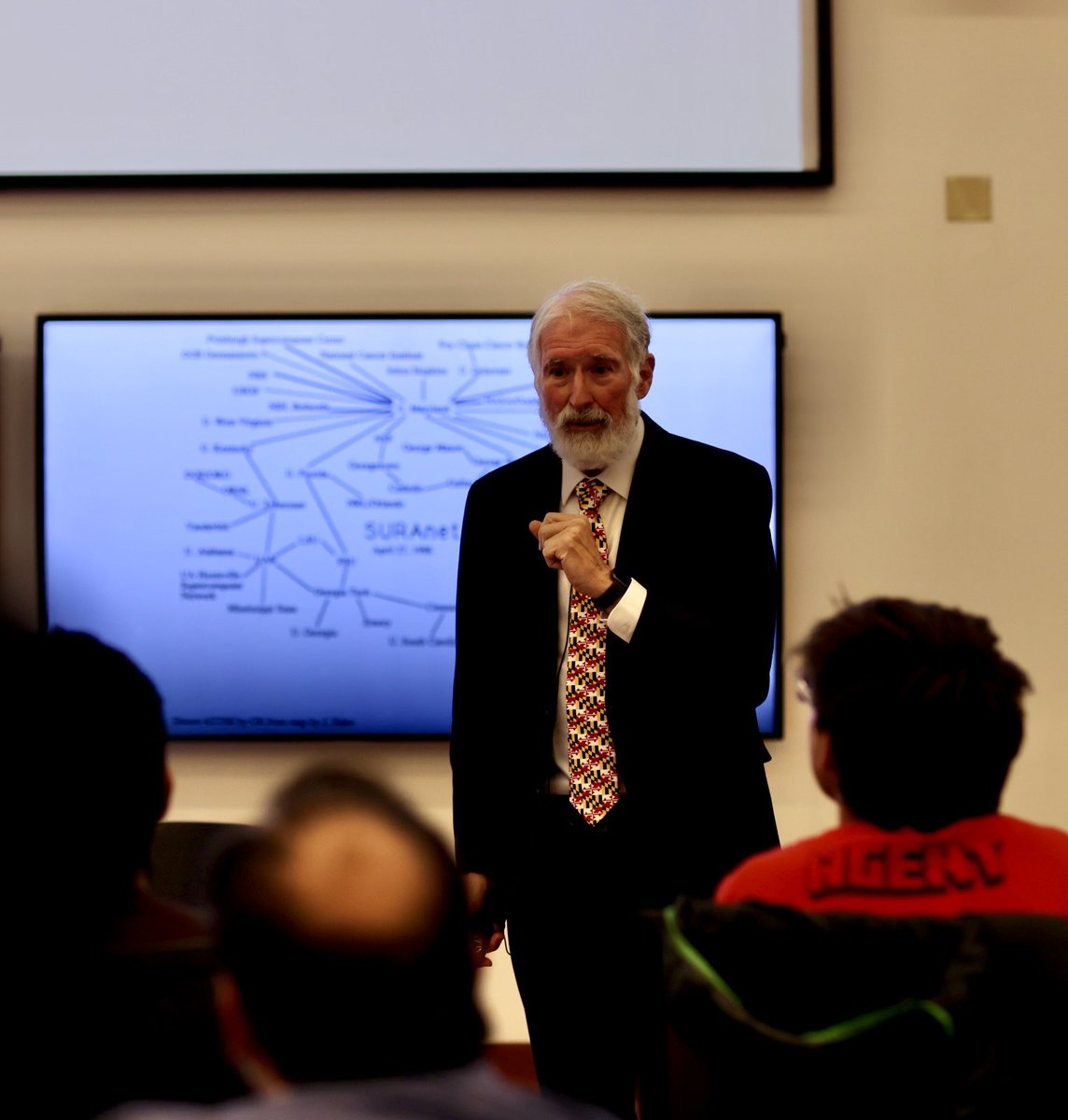
Happening now: #UMDCS alum Glenn Ricart (Ph.D. ’80) joins @UofMaryland CIO Jeffrey Hollingsworth for a discussion on Maryland’s pioneering role in the development of the Internet, from early academic networks to the world’s first Internet exchange point in College Park.
Don’t miss the @UMDCS Fall Seminar Series, featuring Jia-Bin Huang (@jbhuang0604) on Oct. 23.
He’ll explore how AI can learn to understand the physical world, predict motion and plan actions through simulation and exploration.
More than 1,000 in-person and virtual participants joined @gotechnica 2026 at @UofMaryland for a weekend of coding, collaboration and hands-on learning.
Students developed projects, explored new skills and connected with industry mentors.
Read more: https://t.co/s8fJahjSNp
From teaching himself to code in middle school to co-founding Liftoff, @UofMaryland computer science alum Phil Crosby (B.S. ’06) turned his startup ambitions into a global business.
In June 2026, Liftoff went public on Nasdaq.
Read more: https://t.co/edCEmL1fKC