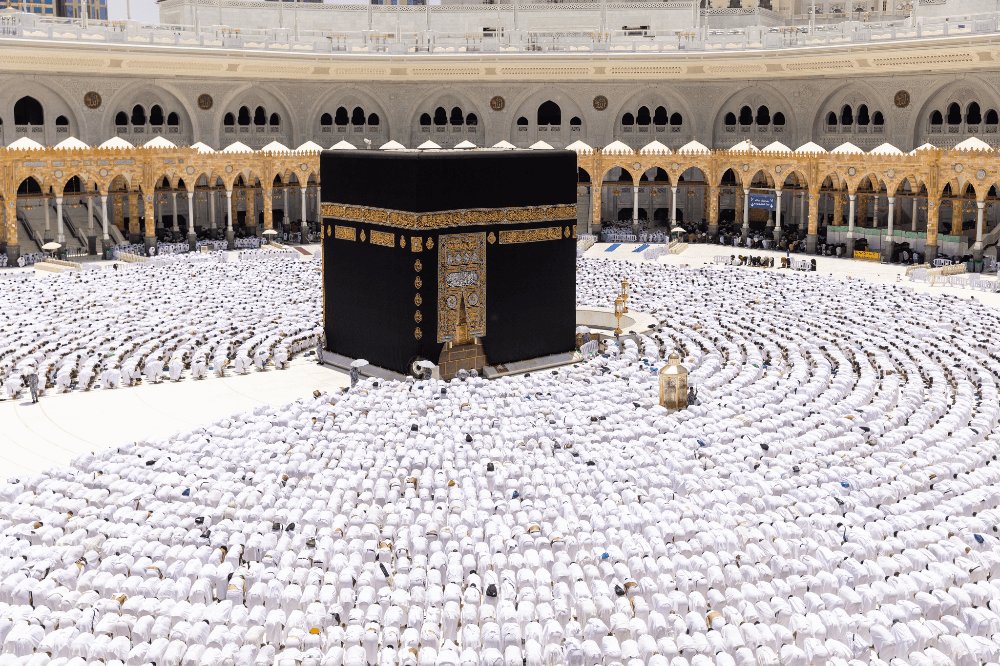
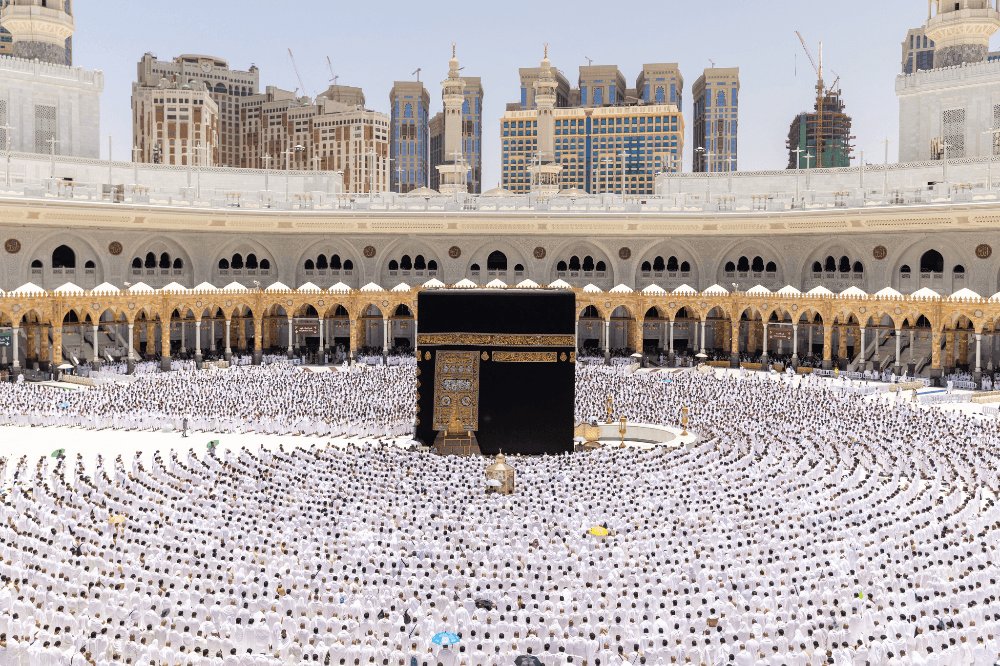
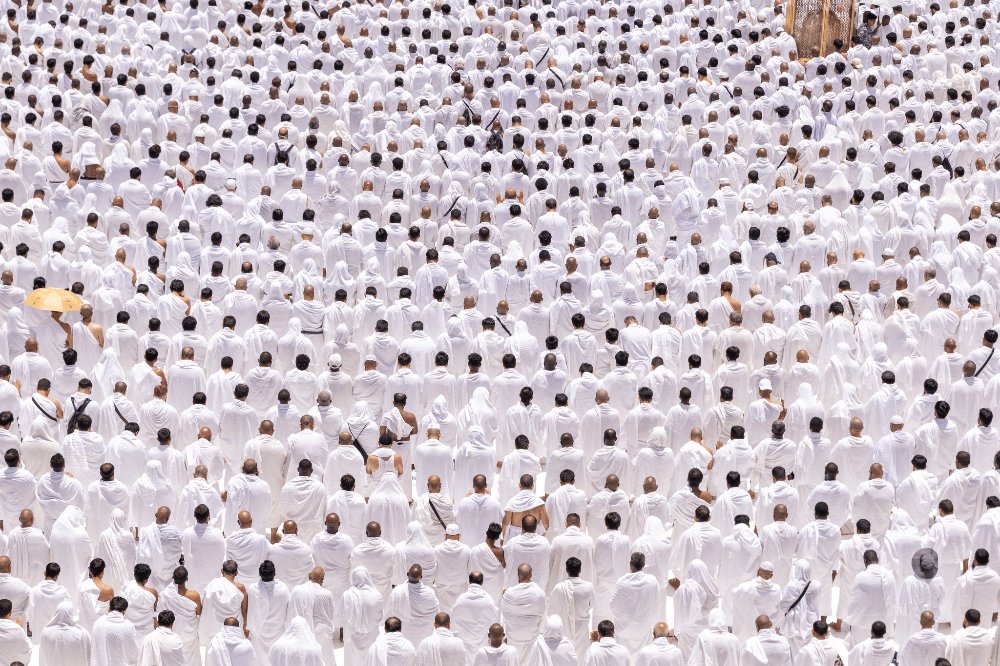
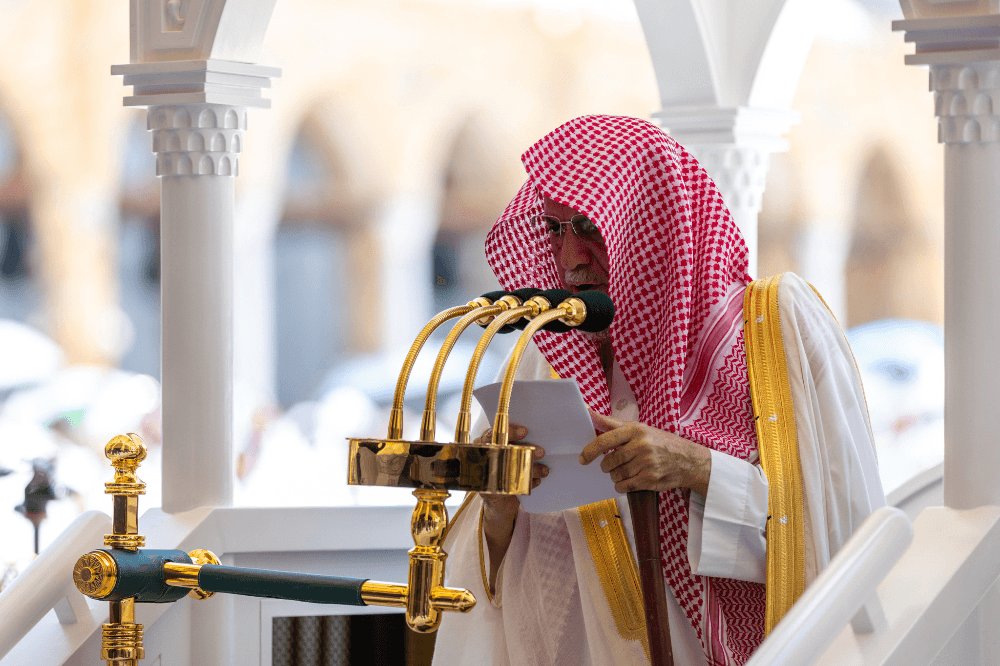
From inside the Holy Kaaba, the Deputy Governor of Makkah Region, Prince Saud bin Mishal bin Abdulaziz, had the honor of participating in the washing of the Kaaba.
US Charge d’Affaires to Pakistan Natalie Baker has termed Pakistan hosting Iran-US talks in April as "Islamabad's finest hour in modern history." She adds President Trump's approach on Pakistan is "direct, personal and consequential."
الحمدللہ!
اللہ کا لاکھ لاکھ شکر ہے کہ اس نے مجھے مدینۂ منورہ پہنچا دیا۔
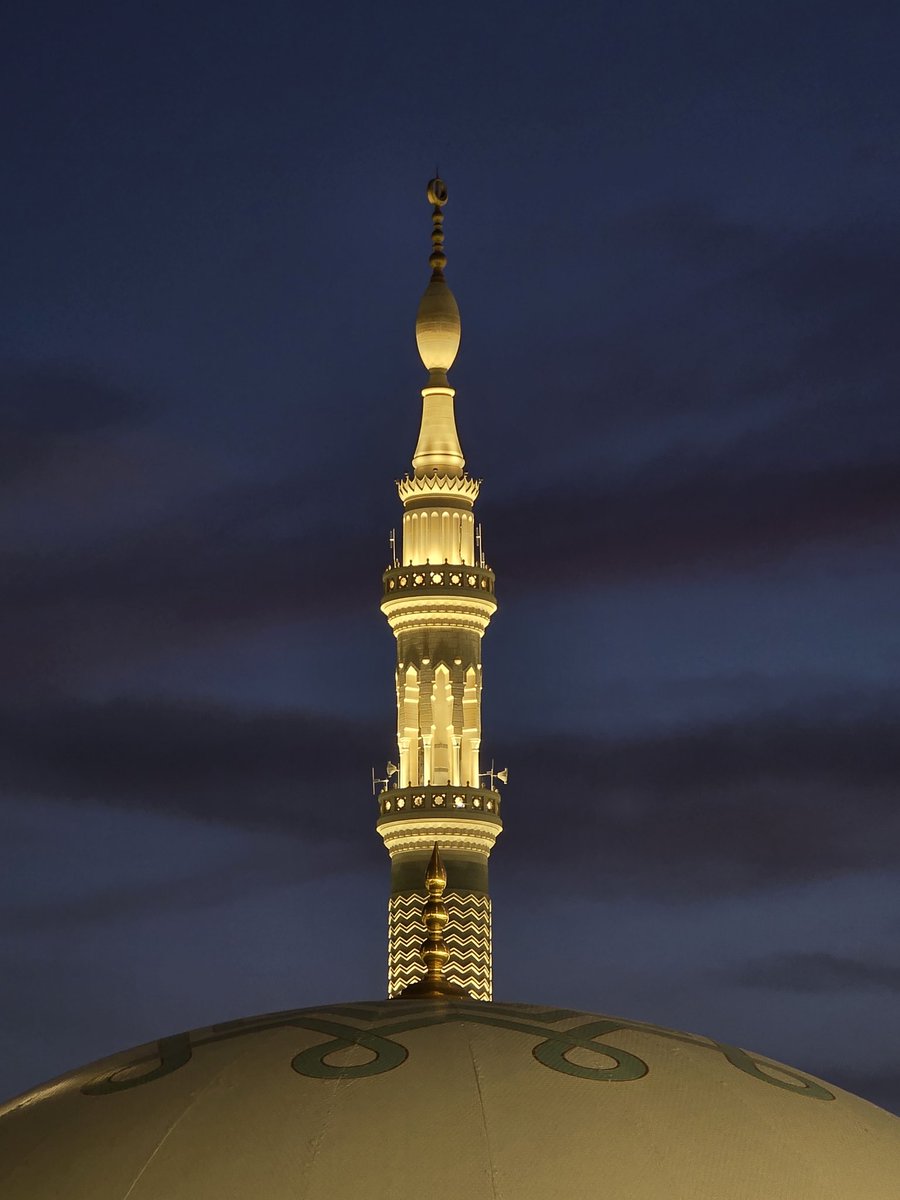
حج کے بعد جب میں پہلی بار مسجدِ نبوی ﷺ میں داخل ہوا اور حضور ﷺ کی بارگاہ میں پہلی نماز ادا کی، تو ایک لہرِ جذباتی نے مجھے گھیر لیا۔
دل بہت ہلکا ہوگیا
یہ وہ مقدس لمحات ہیں جن کا احساس الفاظ سے بالاتر ہے۔
اللہ نے مجھ جیسے گناہگار کو اپنے حبیب ﷺ کے آستانے تک پہنچایا۔
اب میرا دل سکون سے بھرا ہے اور روح بابرکت ہے۔
دل کی گہرائیوں سے دعا کرتا ہوں کہ آپ میں سے ہر ایک کو بھی اللہ تعالیٰ ایسا ہی بابرکت اور روحانی سفر نصیب فرمائے۔ آمین۔ 🤍
#مدینہ #مسجد_نبوی #الحمدللہ
#hajjmubarak
Pakistan’s most dangerous division
Here’s the hard truth: Pakistan’s Power Division has the power to bankrupt the economy. Yes, the Power Division has formally announced more than two hours of daily loadshedding. Lo and behold, Pakistan does not have a power shortage, Pakistan has a power management failure.
Pakistan has an installed capacity of around 45,000 MW. Peak demand rarely crosses 25,000-28,000MW. That is a surplus of 17,000-20,000MW. And yet, the Power Division is switching off power. Why?
The Power Division offers a justification. Loadshedding, it says, is to “reduce the use of costly fuels” and “prevent a sharp increase in tariffs.” This is a deeply flawed argument. To begin with, it confuses price with cost. Switching off cheaper available electricity during peak hours does not eliminate cost. It merely reallocates cost. Capacity payments, now exceeding Rs 2 trillion annually,do not disappear when plants are shut. They continue to accrue.
The truth the Power Division won’t state: This policy does not control tariffs. It guarantees higher tariffs over time.The Power Division has made demand destruction its explicit policy. It admits the system can meet full demand. It cuts power regardless. Call it what it is: not load shedding, not shortage management, deliberate curtailment. Electricity exists, the Division simply decides you cannot have it.
Pre-2006, circular debt was essentially zero. In 2006, it stood at Rs111 billion. Today, power sector circular debt stands at around Rs2 trillion, with total energy sector debt (power plus gas) exceeding Rs5 trillion. That is a 17-fold increase in 20 years.
The reality: Circular debt has been compounding at an annual rate of 15 per cent per year for two decades https://t.co/V2fcaiUjJQ its current rate of growth, Pakistan’s circular debt will cross Rs8 trillion by 2030. No war, no flood, no external shock, just 25 years of the same policy, compounding at 15 per cent a year. That is what makes the Power Division the most dangerous institution in Pakistan.
The Power Division is running a parallel fiscal deficit. It is hollowing out the federal budget. It is killing growth. None of this is abstract. Electricity at Rs50 per unit has pushed large parts of industry to the edge. Textiles, steel, chemicals -- scaling down. Households choosing between food and electricity -- scaling down. Pakistan is not facing a power problem. It is facing an economic contraction. And the Power Division is driving it.
Red alert: The Power Division is not just draining rupees. It is destroying dollar-earning capacity.Pakistan is not running out of electricity. Pakistan is running out of paying consumers. Pakistan is not running out of electricity. Pakistan is running out of money -- and the Power Division sits at the centre of that drain.
In so many years of following Haramain, we’ve never seen this level of maintenance on the Ka’bah in full view of the crowds. The Ka’bah an hour ago, the Kiswa on the front side removed partially
#الكعبة