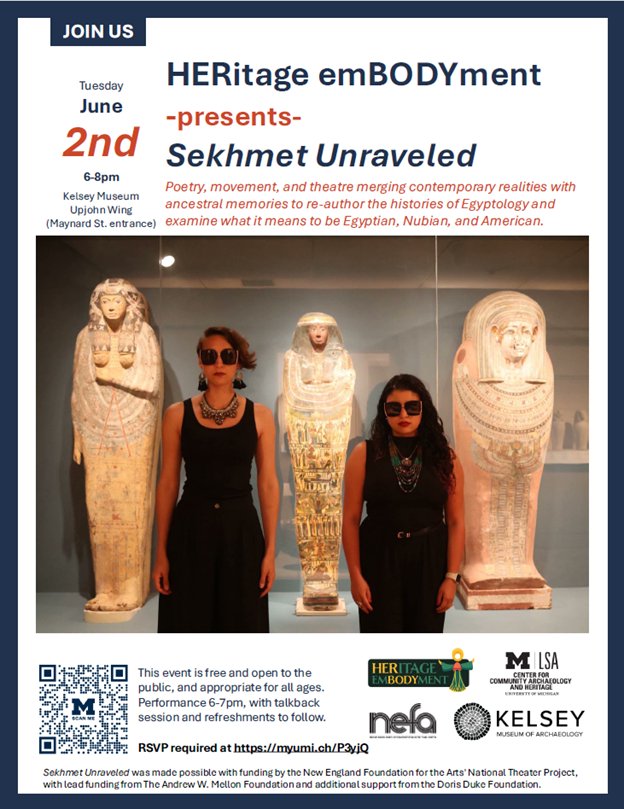
Tomorrow, Tuesday, June 2nd, 6pm - 8pm at the Kelsey Museum of Archaeology
Poetry, movement, and theater merge contemporary realities with ancestral memories to re-author the histories of Egyptology and examine what it means to be Egyptian, Nubian, and American. Sekhmet Unraveled invites audiences to celebrate contemporary and ancient cultures in a museum space and rethink how they engage with history, art, and heritage within and beyond the museum.
This event is free and open to the public and is appropriate for all ages; please enter through the Kelsey Museum’s Maynard Street entrance. The performance will take place from 6:00 to 7:00 PM, with a talkback session and refreshments to follow.
RSVP required—sign up here to reserve your spot: https://t.co/pJbeVTfazi
Chinese Qur’an written by a woman calligrapher, Amatullah Nur-ul-Ilm, daughter of Rashid. 1050 AH / 1640 CE. The city of Khanbaliq, predecessor to modern Beijing.
The latest CMENAS newsletter has arrived, featuring the people, programs, and conversations shaping MENA studies at U-M. 🌍✨
📚Read here: https://t.co/ARHujcvCOE
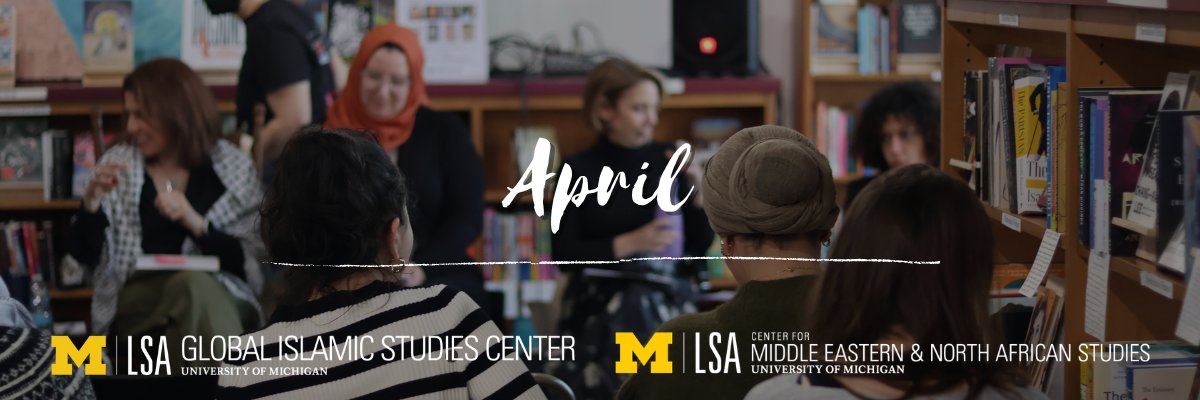
Thank you to everyone who joined us on Thursday for an engaging and thought-provoking installment of our “Qahwah & Authors” series!
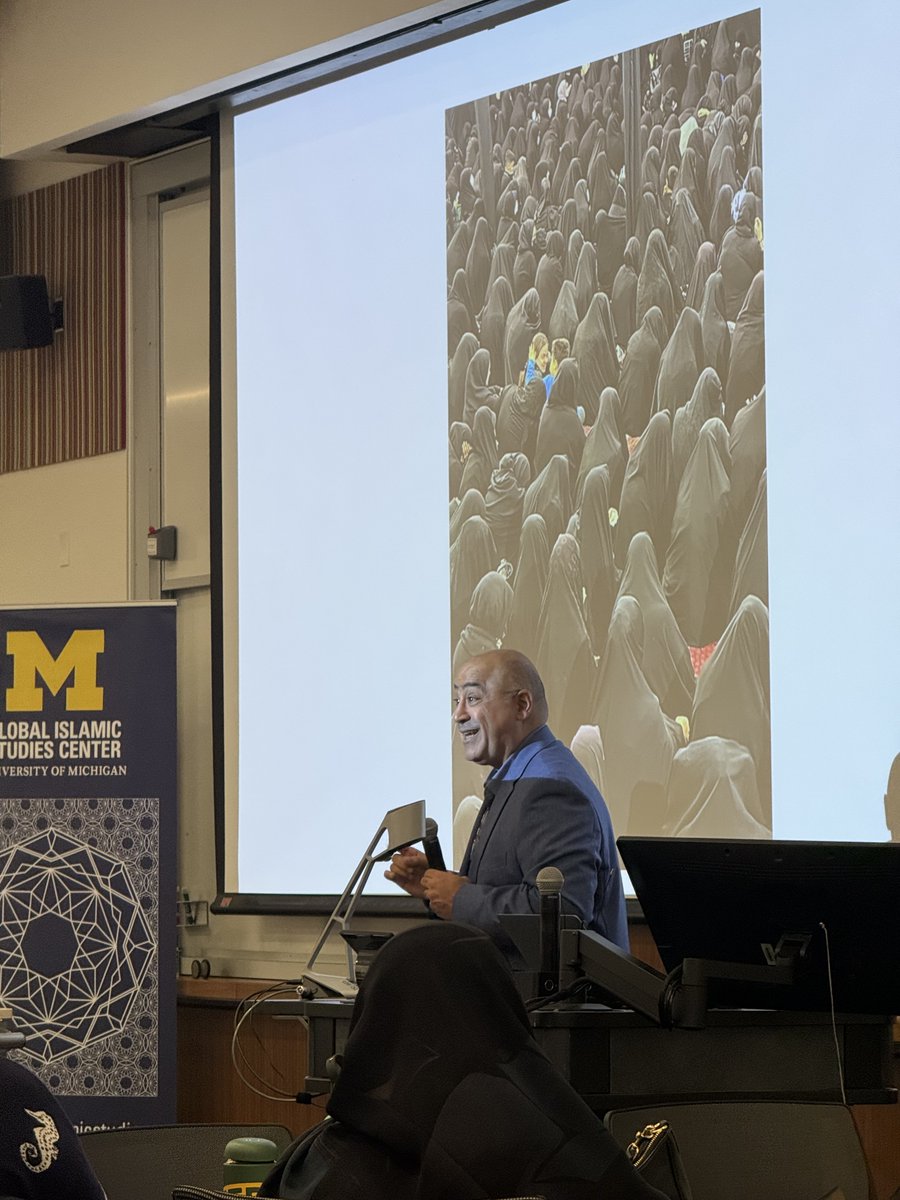
We were honored to host Dr. Babak Rahimi for a fascinating discussion of his new book Senses of Mourning: Moharram Performances in Shiʿi Iran from the Qajar to the Covid Era. From exploring the role of the five senses in devotional practice to tracing the evolution of Moharram rituals across time, the conversation offered rich insights into religion, culture, and lived experience in Iran and beyond.
We’re grateful to all who attended, contributed questions, and helped create such a vibrant intellectual community. A special thank you to Dr. Rahimi for sharing his work and expertise with us.
Stay connected for more upcoming events from the Global Islamic Studies Center—we look forward to seeing you again soon!
TOMORROW AT 5 PM: SENSES OF MOURNING
What does mourning feel like? Discover how Moharram rituals in Iran engage sight, sound, touch, smell, and taste in this fascinating talk by Dr. Babak Rahimi.
📅 Thursday, April 9 | 5 PM
📍 110 Weiser Hall
🎟 RSVP: https://t.co/cNoJMAbi7b
Plus: 30% off the book for attendees!
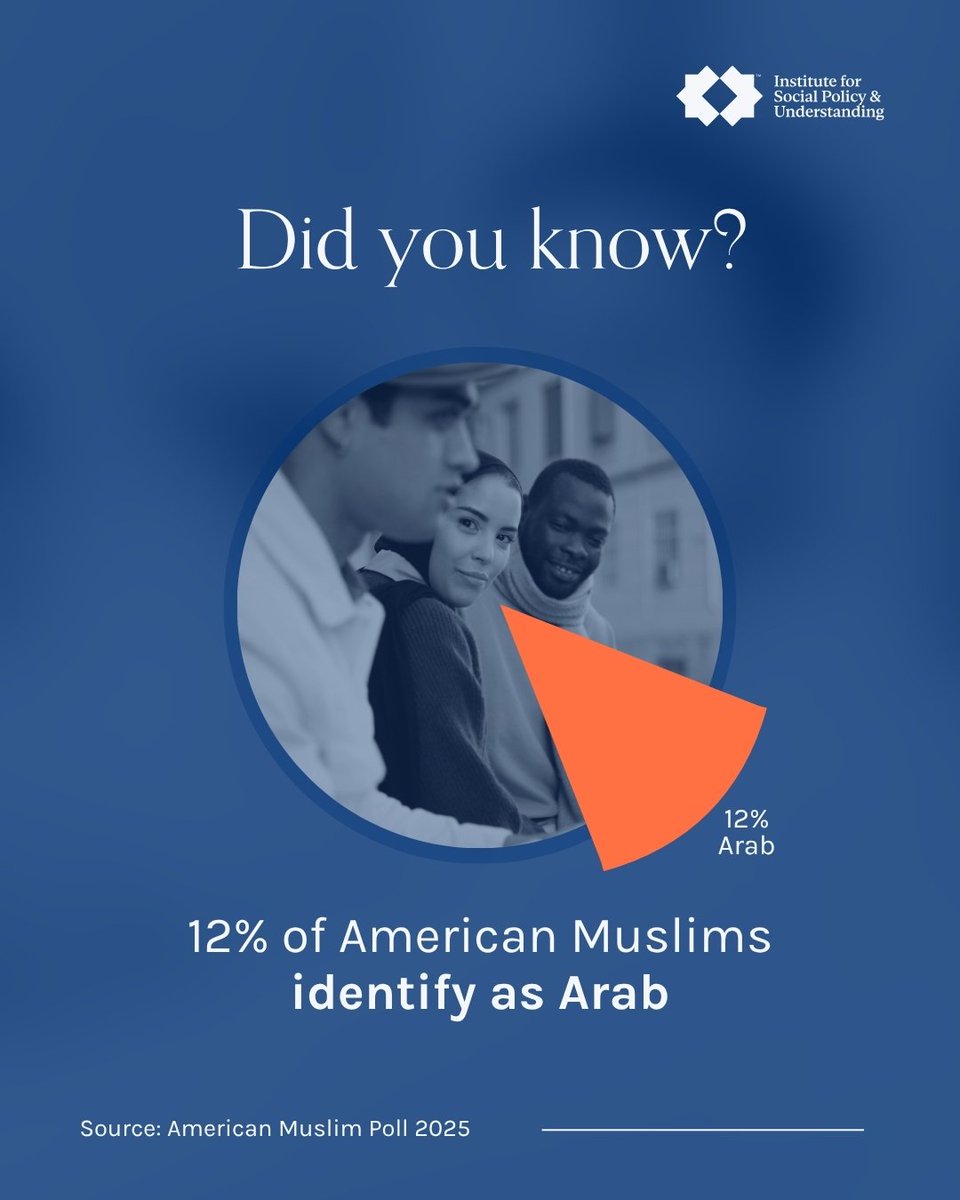
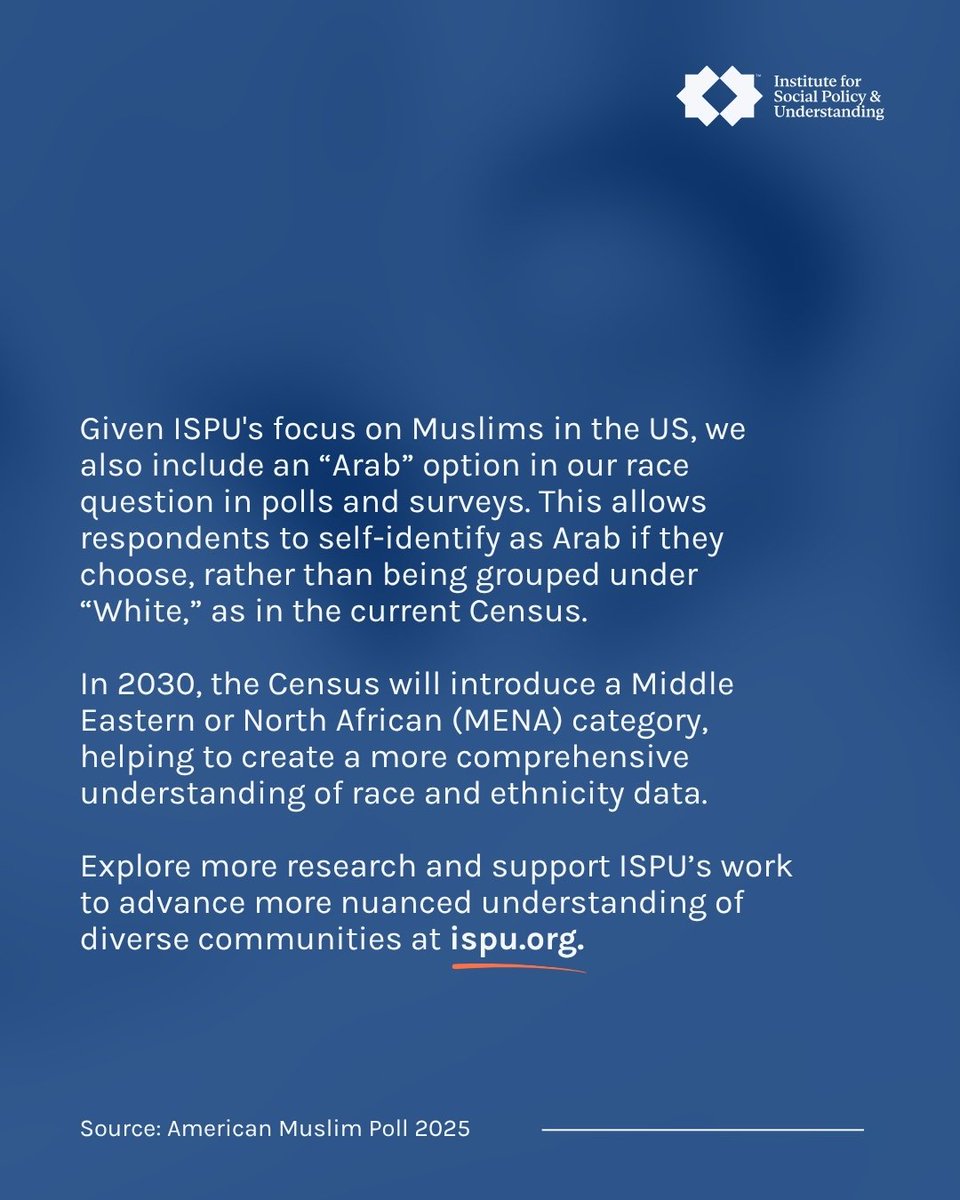
April is Arab American Heritage Month, a time to celebrate Americans of Arab descent.
At ISPU, we take a close look at ethnic and racial categories when conducting our research.
Support our work to advance understanding of diverse communities at https://t.co/Bw5qFASigh.
CSAS Lecture Today!🗓️ Join us at 5:00 pm for the lecture, "Misinformation on WhatsApp: Insights From a Large Data Donation Program in India" by Kiran Garimella.
Attend in-person at Weiser 555 or attend via Zoom: https://t.co/WjHh1JWd7p.
3/31: Maxamed Abu-maye, assistant professor in the Department of African American and African Studies at Ohio State University, speaks on his project, "Black Muslim Refugee: Militarism, Policing, and Somali American Resistance to State Violence." https://t.co/e1VdEGoI5V
Coming up:
"The Use and Abuse of the Islamophobia Framework in US Higher Education"
April 3-4, 2026 | University of Michigan, Ann Arbor
For over two decades, scholars have studied the racialization of Islam, arguing that Islamophobia is better understood as anti-Muslim racism. They have pointed out that this form of discrimination is not contained to questions of religious freedom, but also impacts Muslims’ experiences with surveillance, policing, immigration, employment, and media narratives. The idea of racialization was an important intervention and framing that helped shift the conversation from a focus on individual and interpersonal bias to systemic targeting that marks Muslims, and those mistaken for Muslim, as threats to US national security.
For more information, please visit: https://t.co/NwuIkvHGPZ
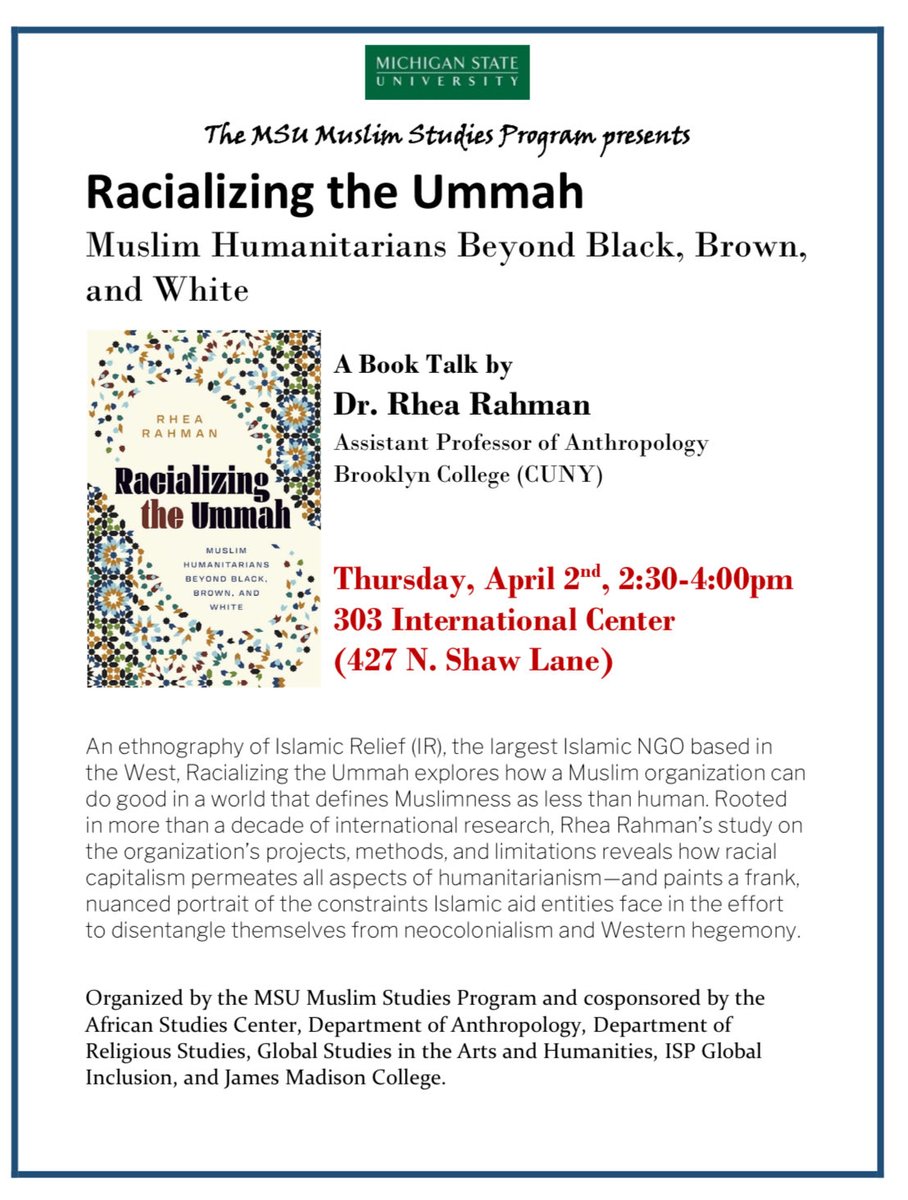
Join us this Thursday, April 2nd, 2:20-4:00pm, in room 303 of the International Center for a special lecture by Professor Rhea Rahman (Brooklyn College), “Racializing the Ummah: Muslim Humanitarians Beyond Black, Brown, and White”
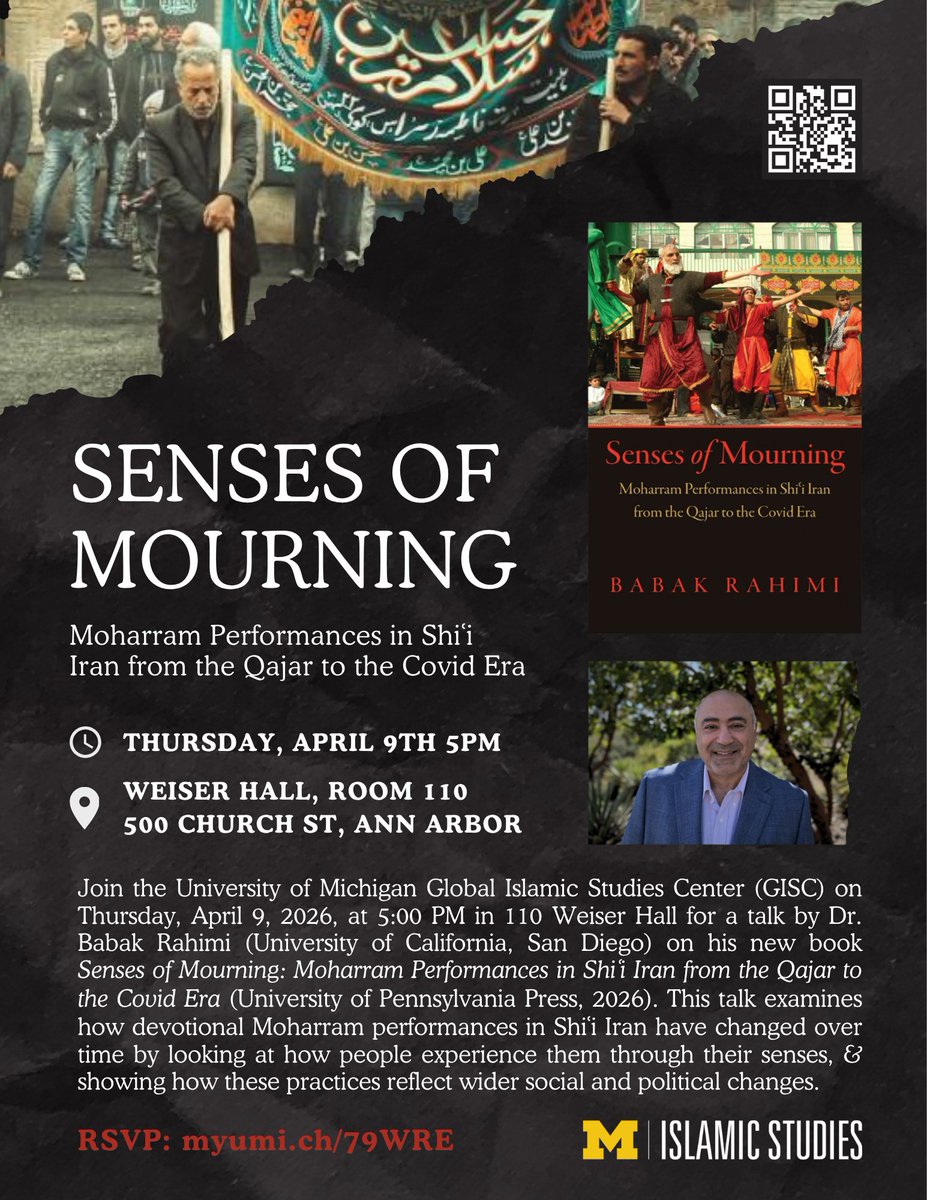
Coming up in April: Senses of Mourning: Moharram Performances in Shiʿi Iran from the Qajar to the Covid Era by Dr. Babak Rahimi
Thursday, April 9, 2026, 5:00PM
Location: 110 Weiser Hall (1st floor), 500 Church St, Ann Arbor MI
RSVP: https://t.co/cNoJMAbi7b
Join the University of Michigan Global Islamic Studies Center (GISC) on Thursday, April 9, 2026, in 110 Weiser Hall at 5:00 PM for a talk by Dr. Babak Rahimi (University of California, San Diego) on his new book Senses of Mourning: Moharram Performances in Shiʿi Iran from the Qajar to the Covid Era (University of Pennsylvania Press, 2026).
This talk explains how Moharram rituals in Shiʿi Iran have changed over time by looking at how people experience them through their senses, showing how these practices reflect wider social and political changes.
For more information & to RSVP: https://t.co/v5pK3bETbv
Join us April 9th for a conversation and Islamic Manuscripts Collection visit with artists specializing in Ottoman classical book arts!
6-8p in the Hatcher Gallery
https://t.co/N85qpUNZ13
Sponsored by @UMichLibrary@umichGISC@UmichArtHist
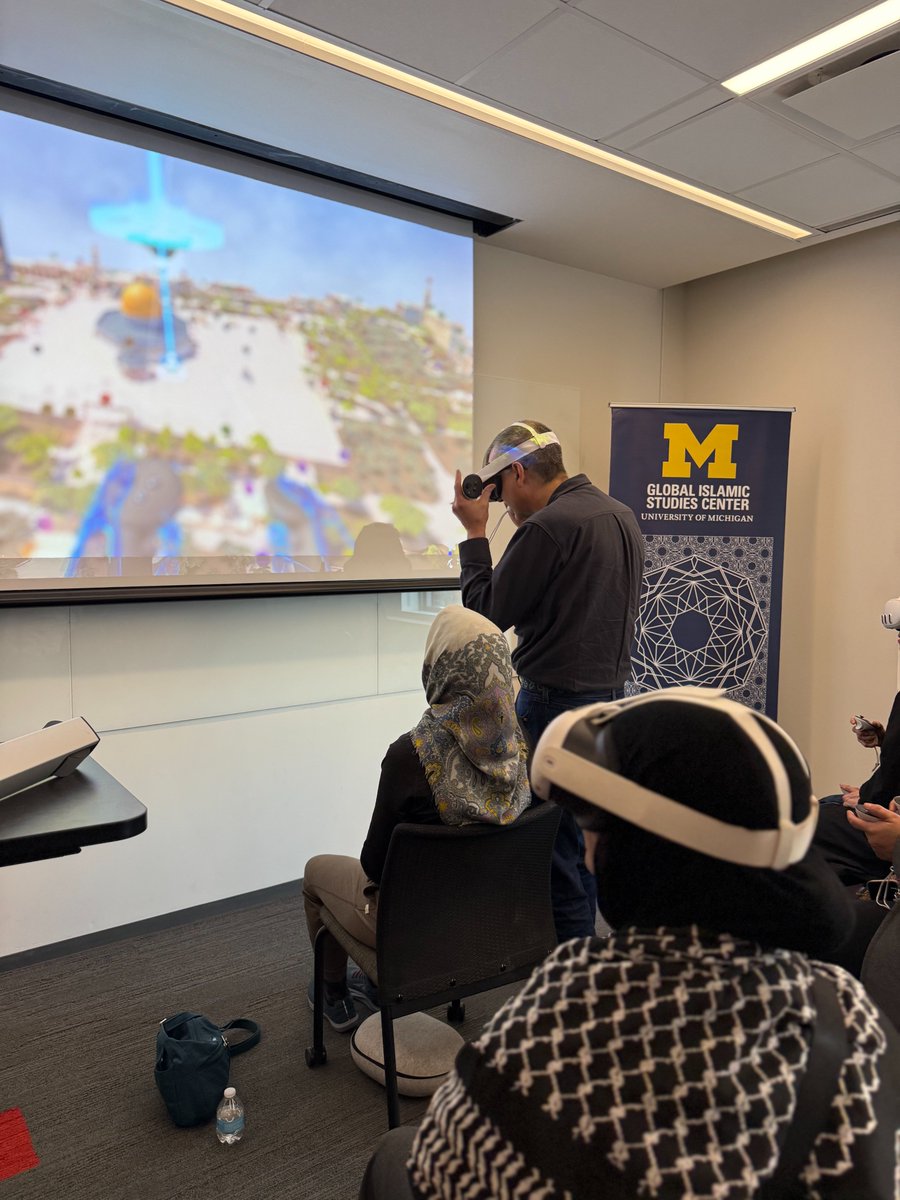
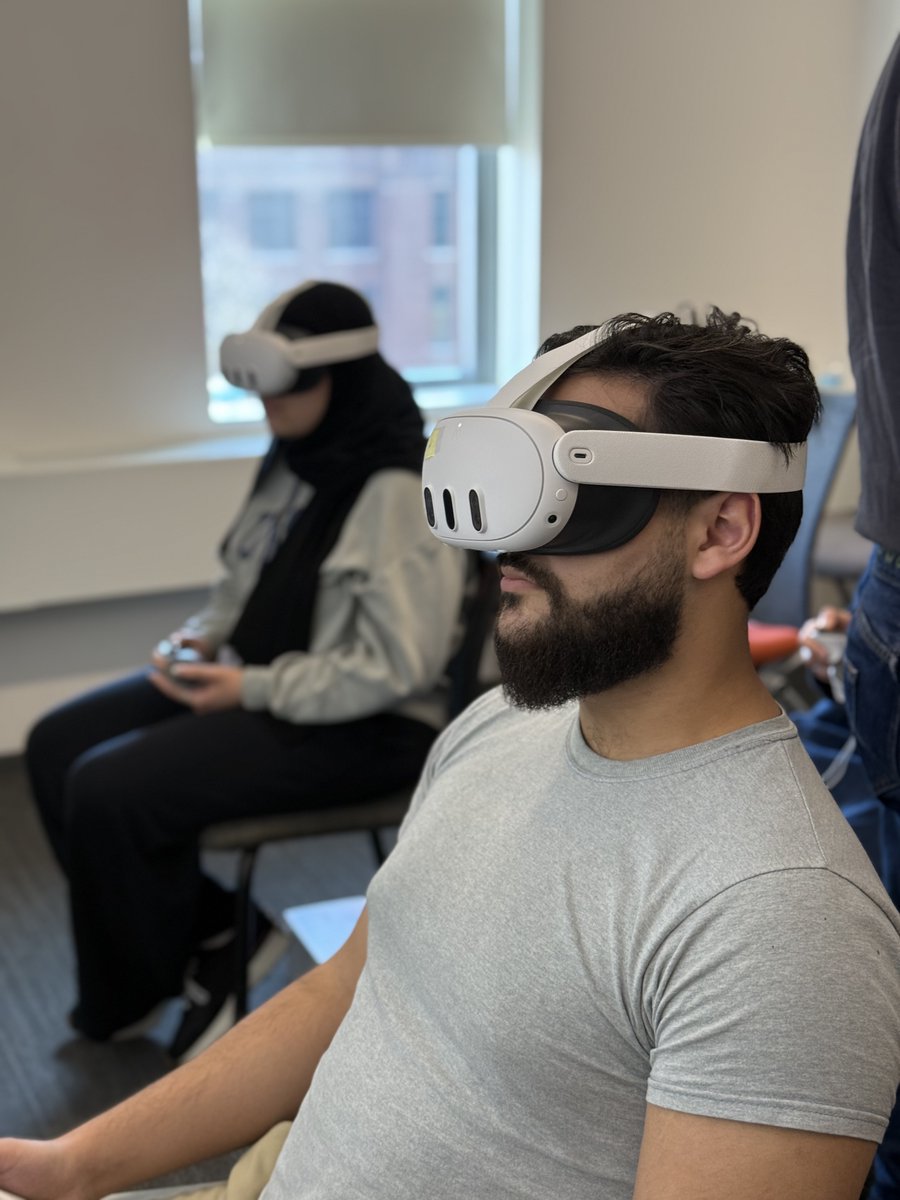
Thank you to everyone who joined us for Islamic Virtual Reality: "Pilgrim VR: Hajj & Umrah" and "Al-Aqsa VR" with Dr. Ermin Sinanović!
We were thrilled to welcome such an engaged audience for this immersive exploration of how virtual reality is transforming access to and understanding of Islamic holy sites. From experiencing the rituals of Hajj and Umrah to virtually visiting Al-Aqsa Mosque, it was exciting to see so many attendees try out the VR technology and take part in the conversation.
Thank you to Dr. Sinanović for sharing his insights and to our partners at the Center for Islam in the Contemporary World and Siraj Studios for their innovative work.
Thank you to our cosponsors: Digital Studies Institute & Islamophobia Working Group. And a special shoutout to Jan Stewart for helping us set up the VR headsets.
Stay tuned for more events in our “Muslims in the Digital Age” series!