Welcome to UNAWA.
This is the story of unagi — Japanese freshwater eel — told one episode at a time.
A 30-day journey from fire to first bite: the craft, the culture, and the people behind it.
Follow — every episode leads to the next.
#FromFireToFirstBite
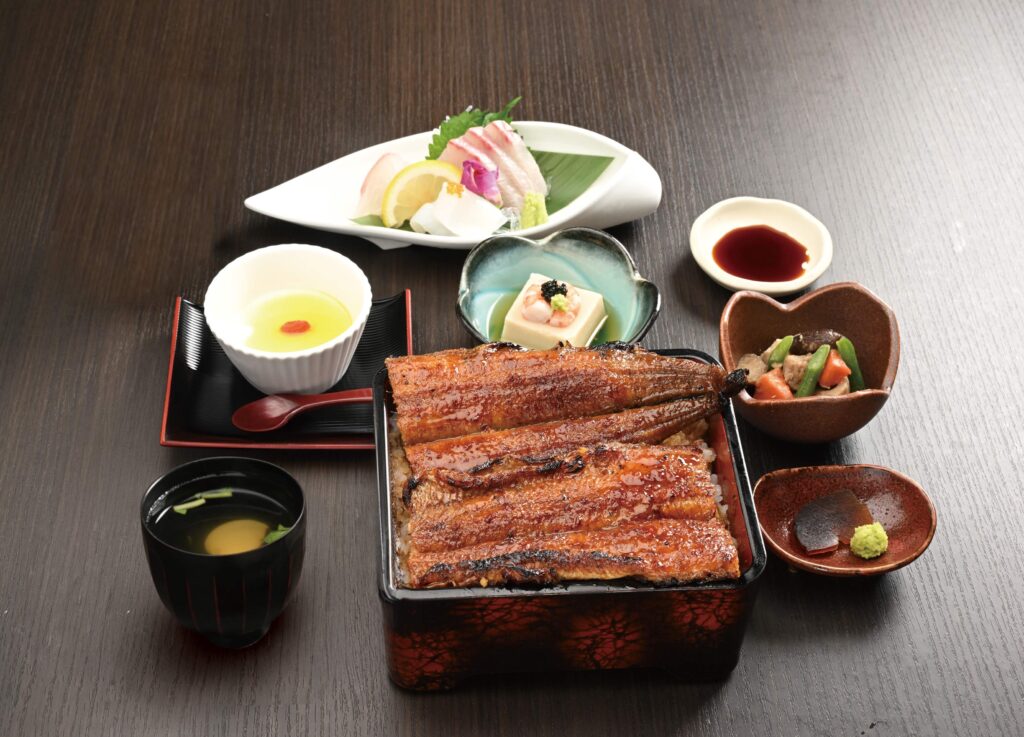
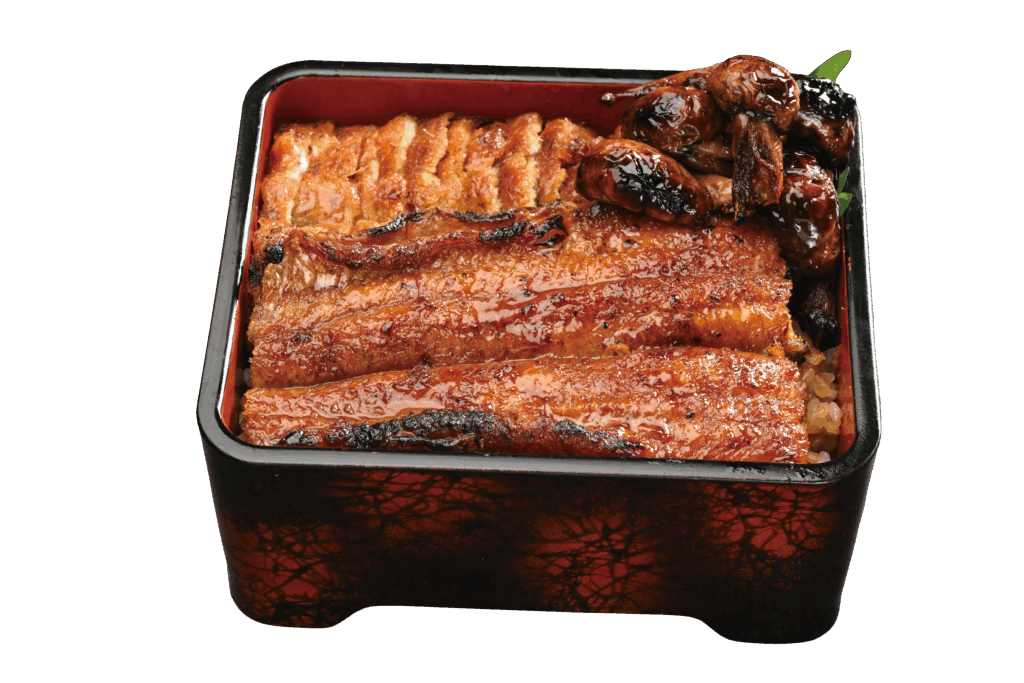
At Kyo Unawa Honten in Kyoto, you can turn your unagi meal into a gozen set, with side dishes served alongside it. A nice option when you'd like a little more variety at the table.
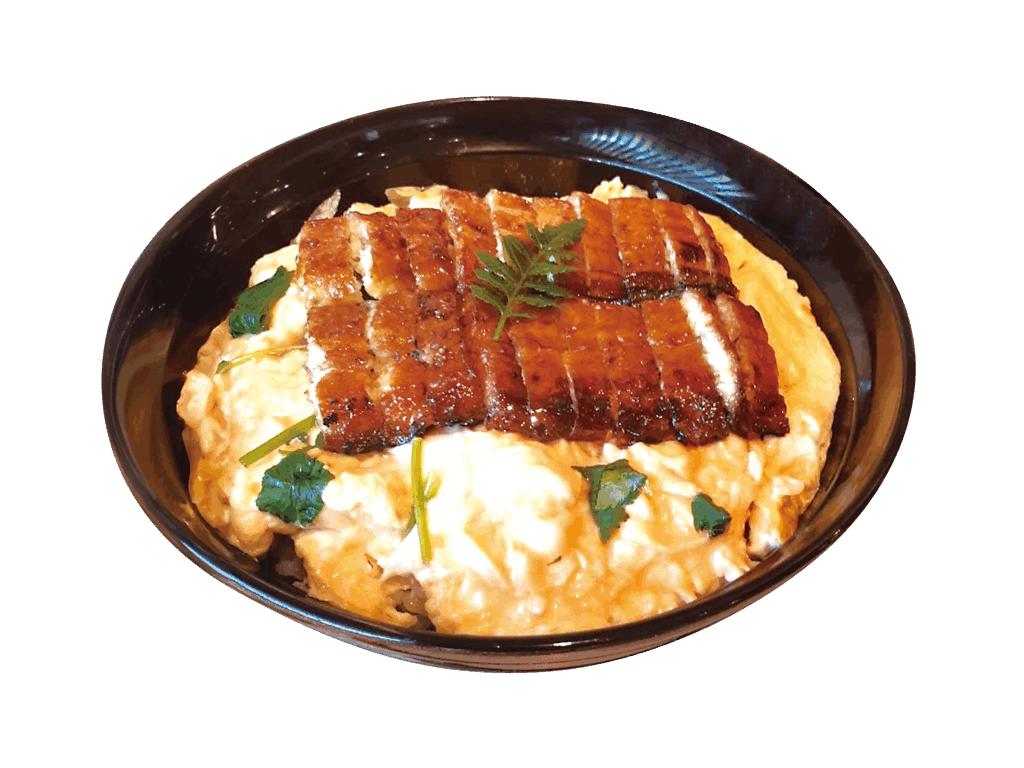
Want just a little eel on the side? At Kyo Unawa Honten in Kyoto, the two-piece umaki is a smaller take on the classic: eel-filled rolled omelet, served as a pair.
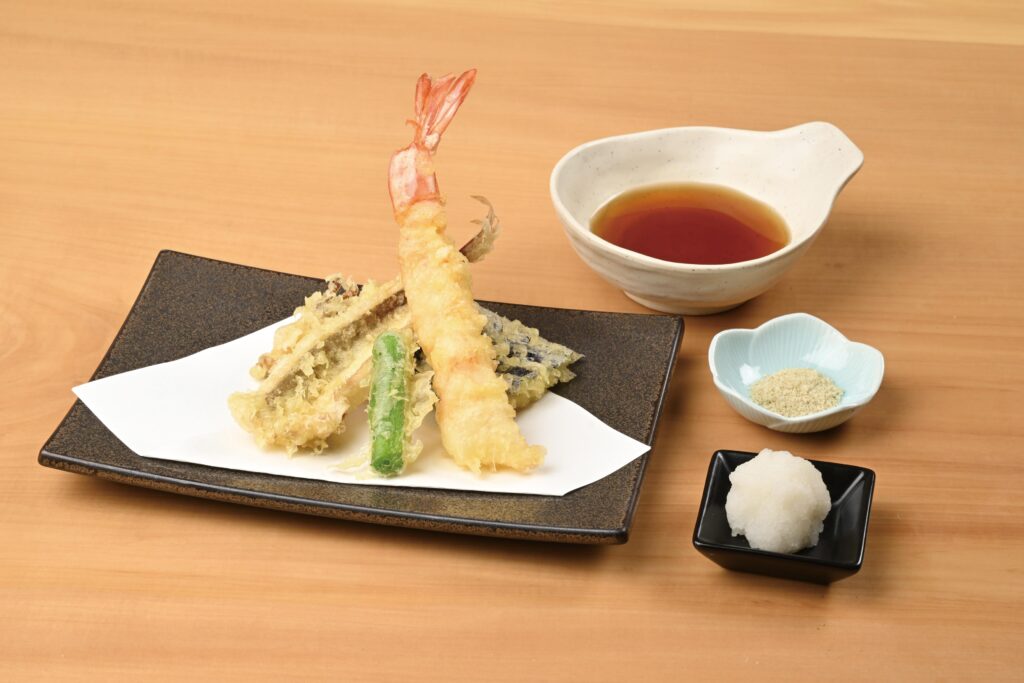
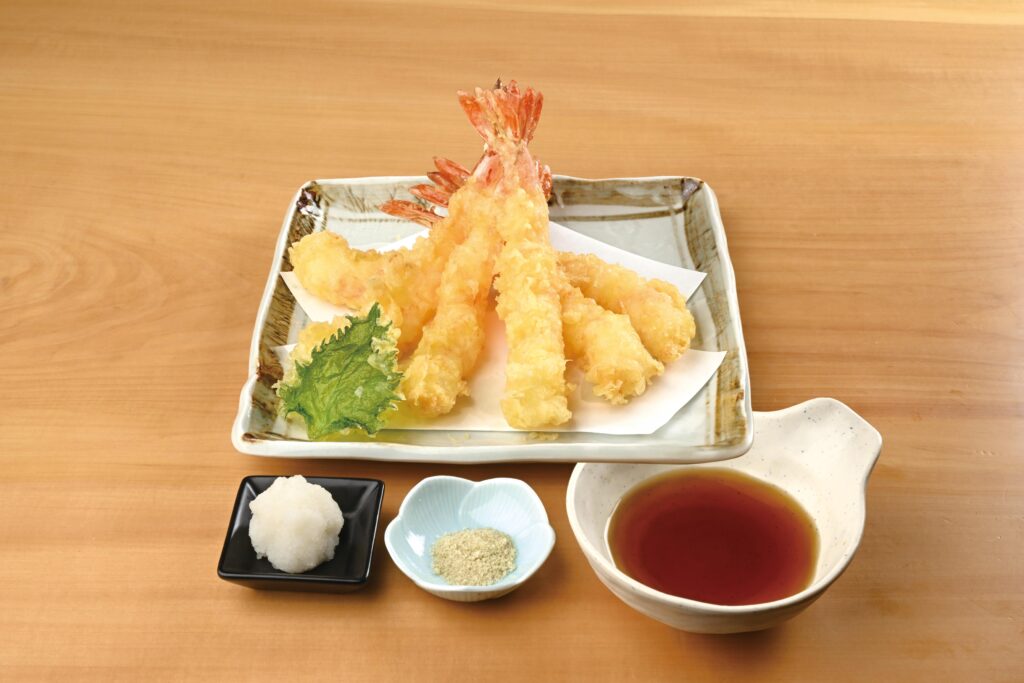
Three pieces of large shrimp tempura, fried in a light, crisp coating. A simple, satisfying plate to enjoy alongside your meal at Kyo Unawa Honten in Kyoto.
Seasonal flavors, crisp and fragrant. Enjoy the tastes of each season with our assortment of five types of tempura at Kyo Unawa Honten in Kyoto. #KyotoFood
Shrimp Tempura Platter (6 pieces) at Kyo Unawa Honten, Kyoto: large shrimp fried to a light, crisp finish. Save this for your Kyoto visit! #JapaneseFood
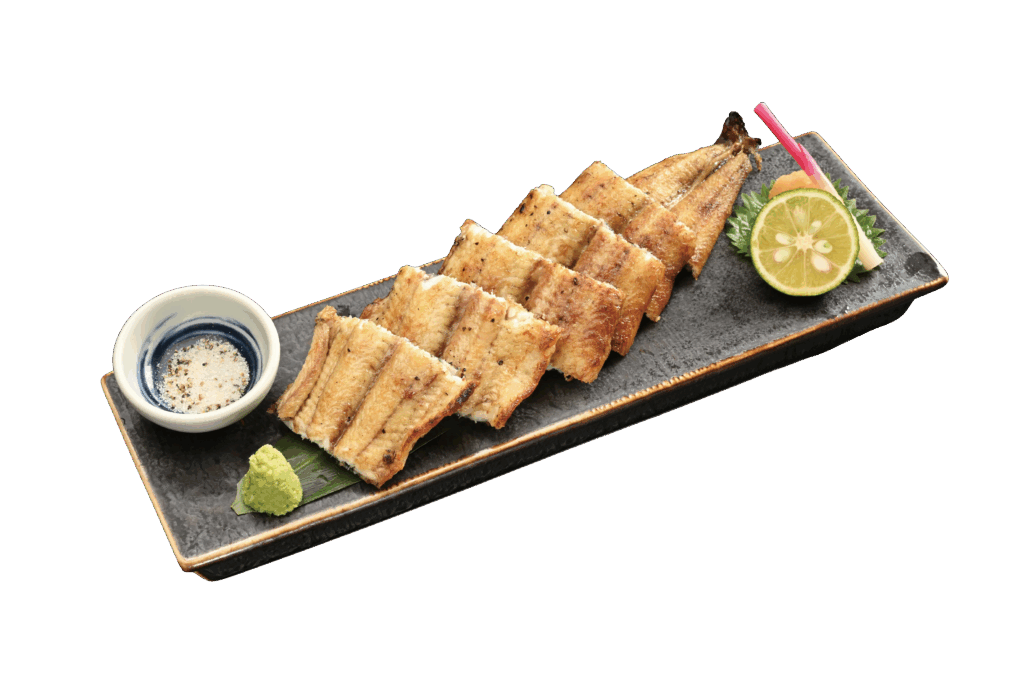
Fun fact: "Edomae", now tied to Tokyo-style sushi, is said to come from eel caught near the mouth of Edo's Okawa River. Tokyo-style kabayaki is split down the back, grilled plain, steamed, then grilled over charcoal while basted with sauce.
https://t.co/84yHLzmg3v
Why eel in midsummer? In Edo-era Tokyo, grilled eel (kabayaki) took off once cooks basted it in a sauce of soy sauce, sugar and mirin. Eating it on Doyo no Ushi no Hi also dates to the Edo period. It's often credited to Hiraga Gennai, but that's only a theory.
Why open eel from the back in Tokyo? A popular explanation: in samurai-era Edo, opening the belly was seen as bad luck, so cooks avoided it. Japan's agriculture ministry passes this on as a traditional story ("it is said"), not a settled fact.
https://t.co/o72pVaDJbL
Same eel, two styles. In Tokyo's Kanto region, cooks split the eel along the back, grill it plain, steam it, then grill it again over charcoal while basting with sauce. In Kansai (Osaka, Kyoto), it's split along the belly and grilled with sauce, no steaming.
Glass eel prices also swing from year to year. Japan's Fisheries Agency says the average price fell for a second straight season in 2026, likely because farms still held plenty of eel stocked the year before, so demand for new stock was weak.
https://t.co/oXMCq9vrwH
Why is eel so pricey? Farmed eel still starts as wild-caught baby "glass eels" since mass breeding isn't commercially viable yet. Japan's Fisheries Agency puts wild glass eels at ¥180–600 each (2012–2023), while lab-bred ones cost around ¥1,800 each (FY2023).
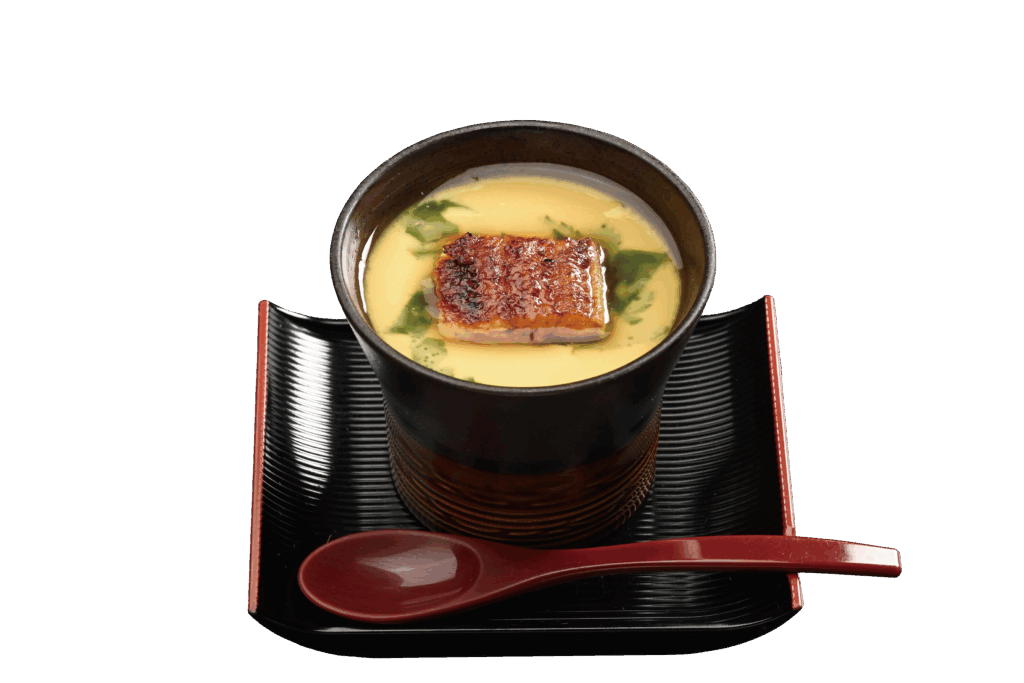
Chawanmushi is a Japanese steamed egg custard: beaten egg is mixed with dashi, poured into a cup, and steamed. From Kyo Unawa Honten in Kyoto. Save this one for your visit. #unagi