The UNCA Office of Academic Accessibility seeks to collaborate with students with disabilities to ensure meaningful access to the campus and curriculum.
On July 26, 1990, the Americans with Disabilities Act was signed into law. For 31 years, this law has created framework for access. We're not done, though! Let's continue to create a more readily accessible society, together. Remember, access is a Civil Right! #ADA31
DYK? Individualized Education Plans (IEPs) and 504 plans don't automatically follow a student from high school to college? If a student would like to be considered for accommodations at the college level, they will need to apply with the college's Disability Resource Center.
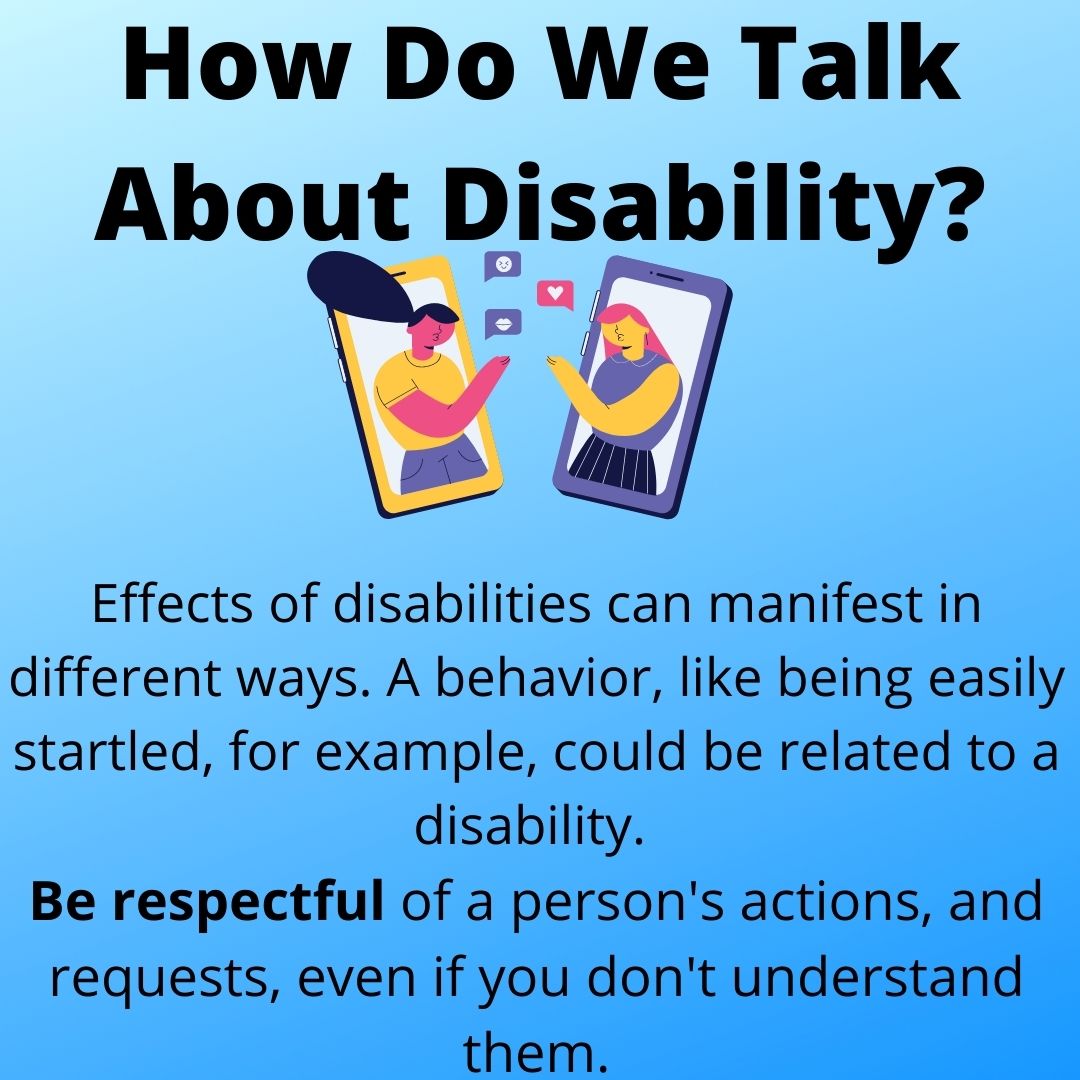
The effects of a disability may manifest in different ways-- and in ways we might not readily associate with a disability. Be respectful and kind, even if you don't understand certain actions or behaviors.
Did you know that impairment and disability are not the same thing? An impairment may be a disability if an impairment substantially limits one or more major life activities. While not an exhaustive list, walking, talking, concentrating, and learning are major life activities.
Did you know? Having the same diagnosis or disability as someone else doesn't mean you will have had identical experiences. Take the time to listen to someone's experience-- and believe them-- even if your experience has been different.
When interacting with a person with a disability who may need the assistance of an interpreter or a personal care attendant, be sure to direct your conversation to the person with a disability and not the interpreter or assistant.
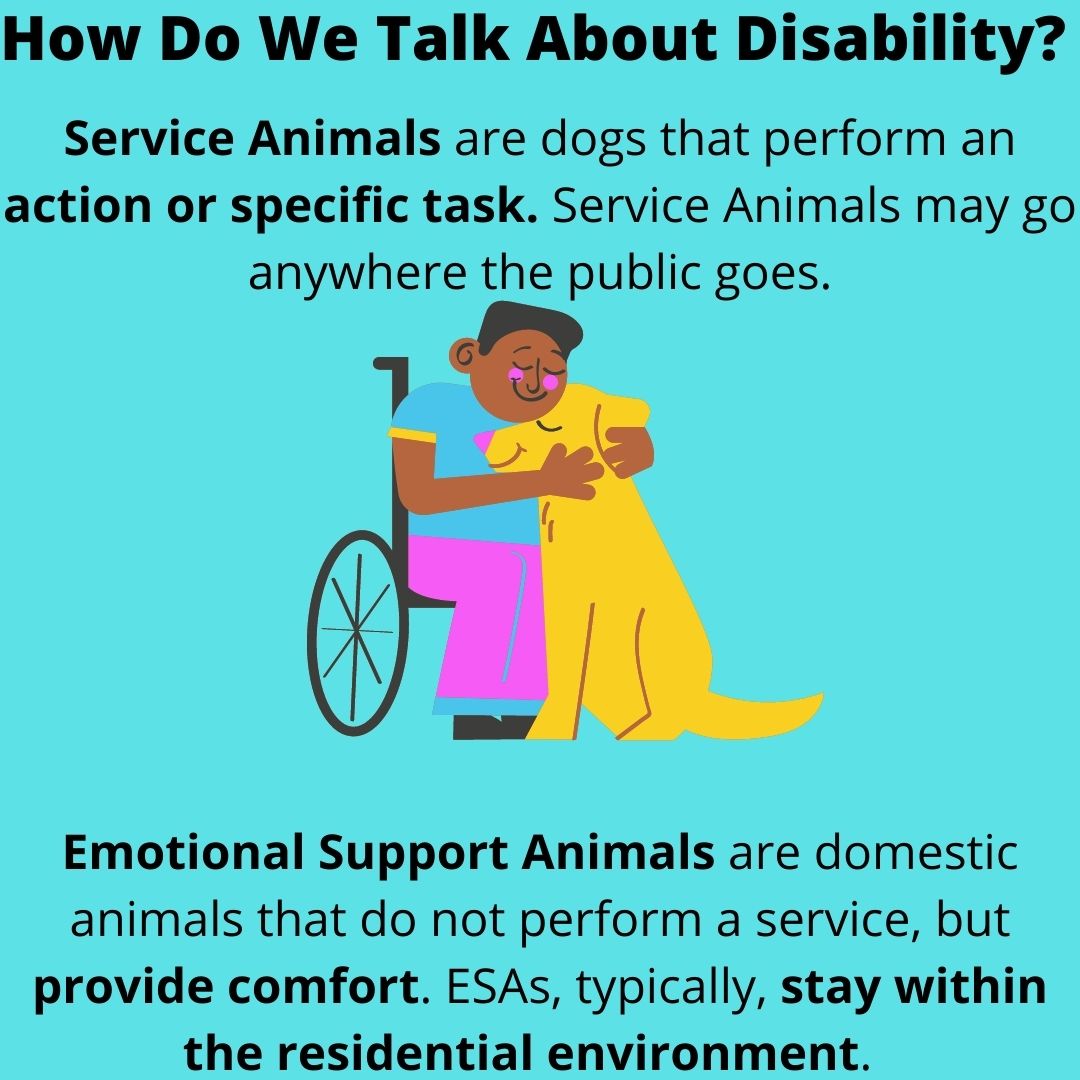
Did you know? There is a difference between a Service Animal and an Emotional Support Animal. A Service Animal is a dog that performs a task for a person with a disability. An ESA does not perform a service, but provides passive comfort for a person with a disability.
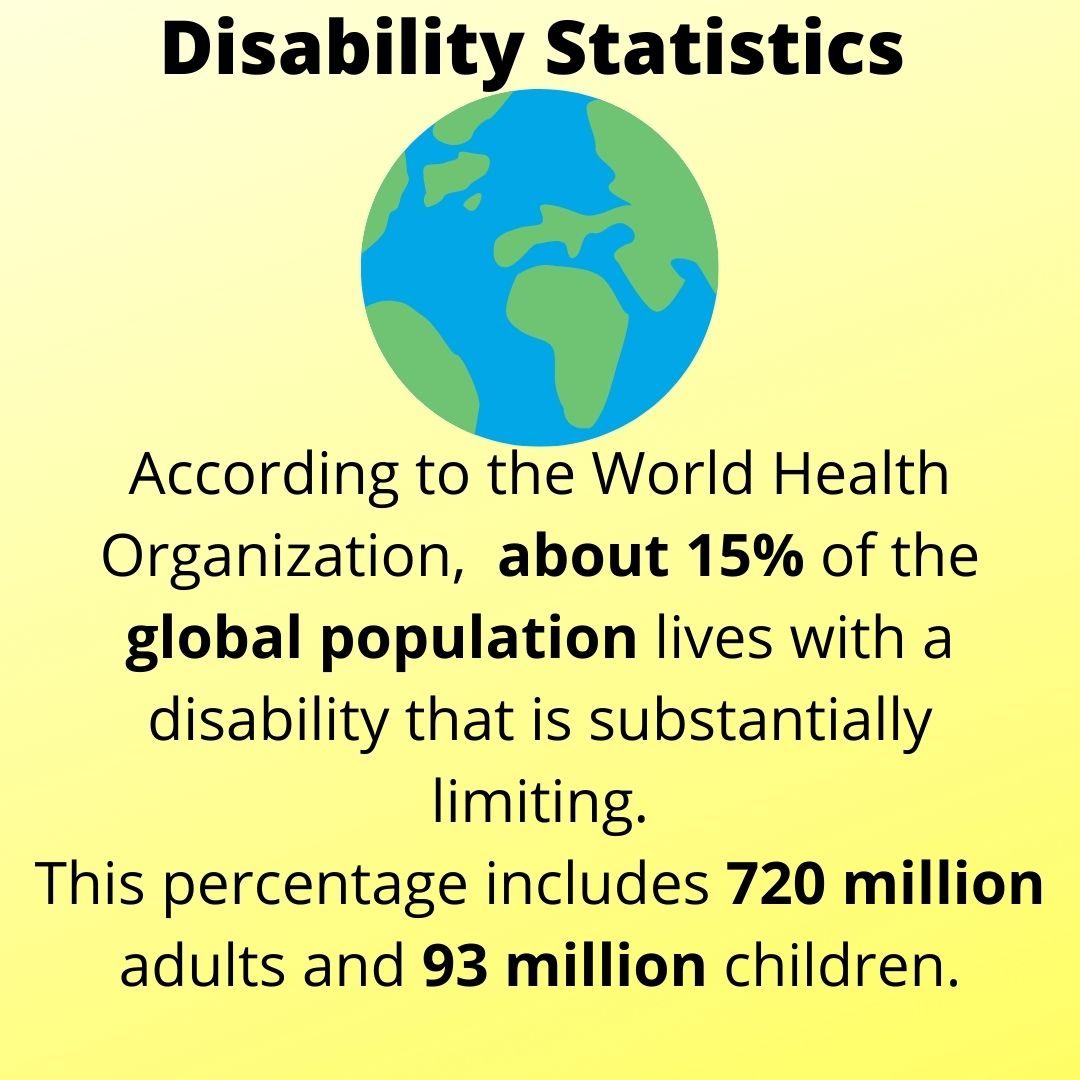
Disability affects people around the globe. According to the WHO, about 15% of the population lives with a disability. This percentage includes 720 million adults and 93 million children.
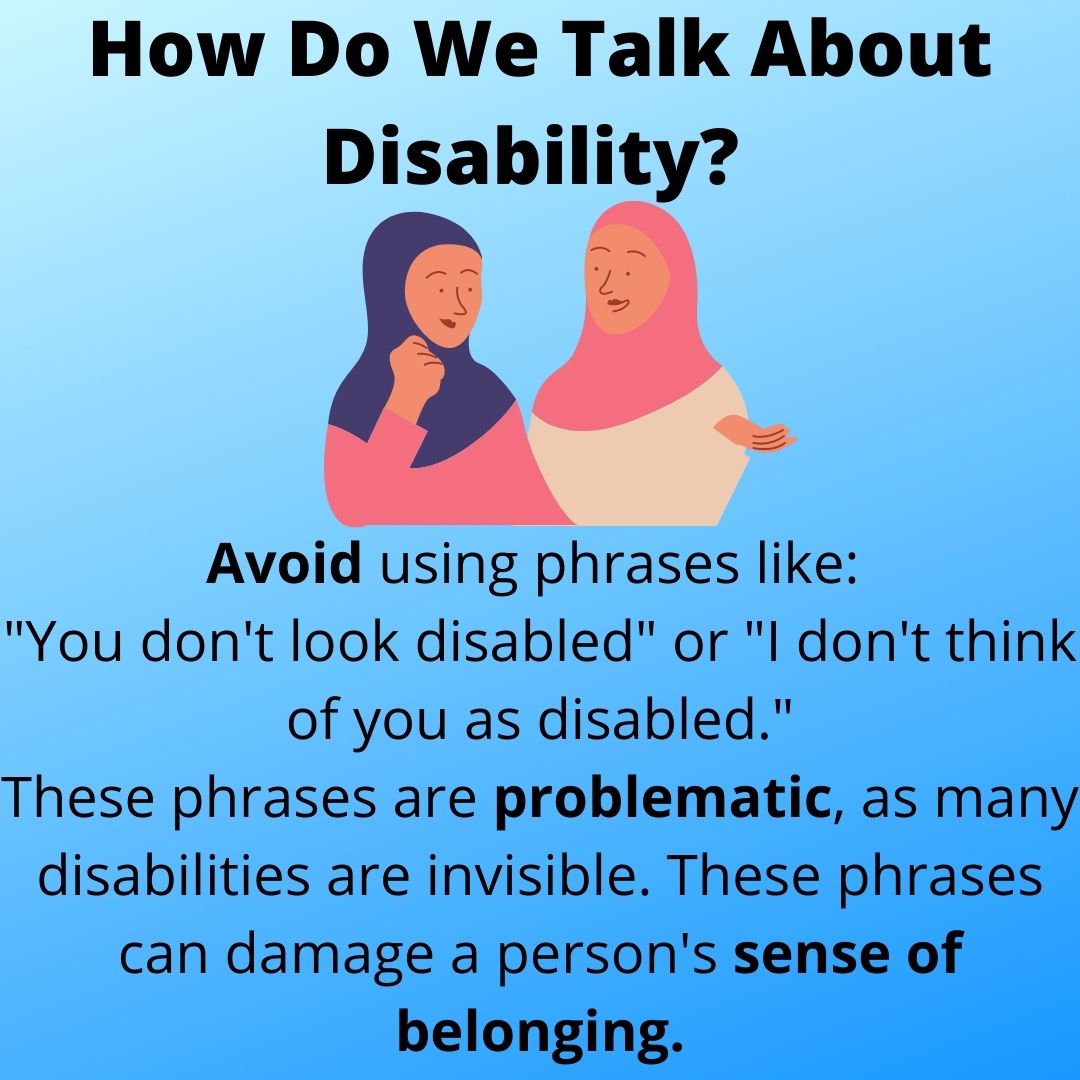
DYK? Phrases such as "I don't think of you as disabled" or "you don't look disabled" are problematic. While folks may intend these phrases as compliments, they imply that a person does not belong as a member of the disabled community. Remember that disabilities can be invisible.
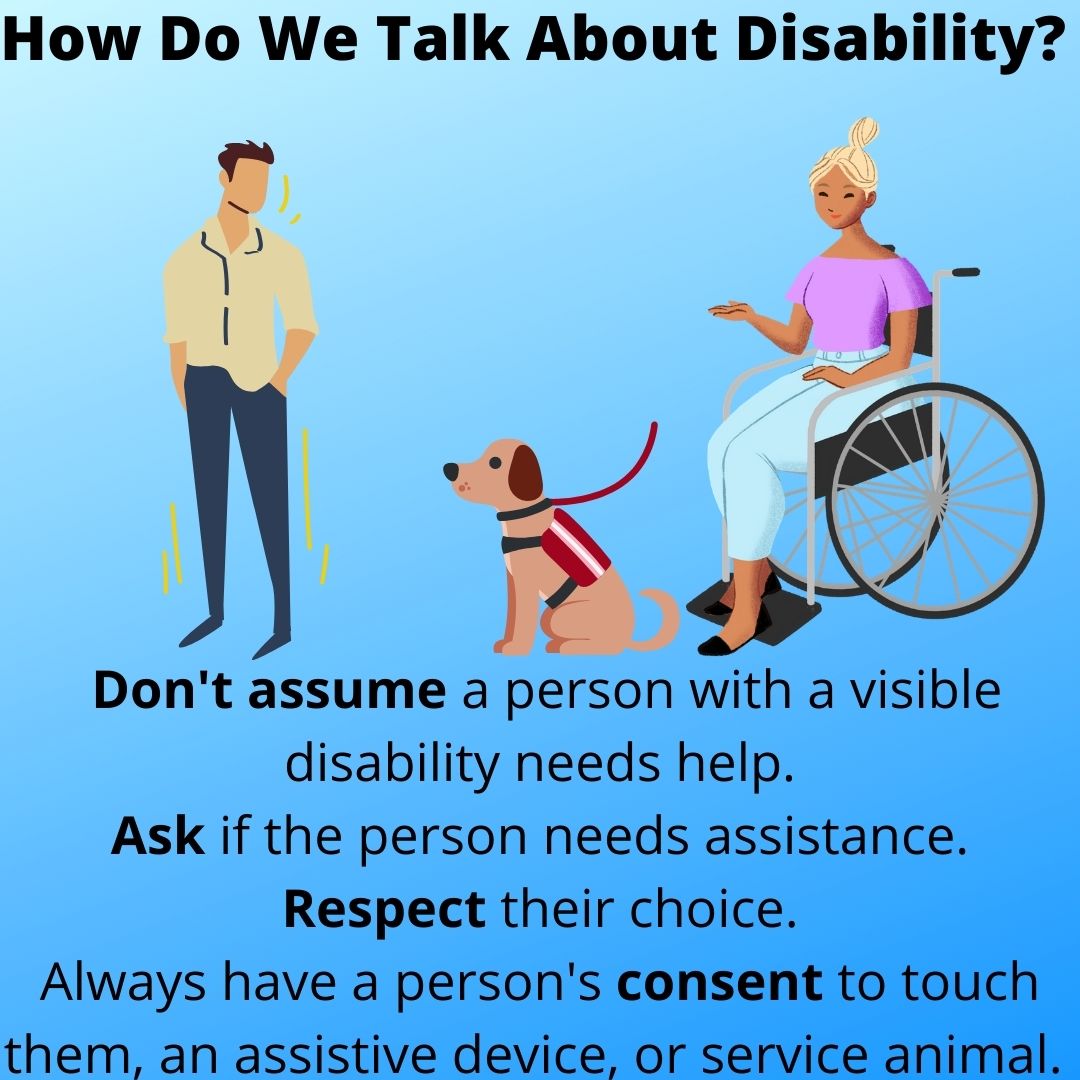
It's natural to want to help someone, but before you try to help someone with a visible disability, make sure they want help. Ask if the person would like assistance and respect their answer. Don't touch a person, their devices, or their service animal without direct consent.
Did you know? When speaking with an individual who may be blind or have low vision, it is helpful to introduce yourself before speaking. (Especially in Zoom calls!) Introducing yourself can be useful if the individual doesn't recognize your voice!
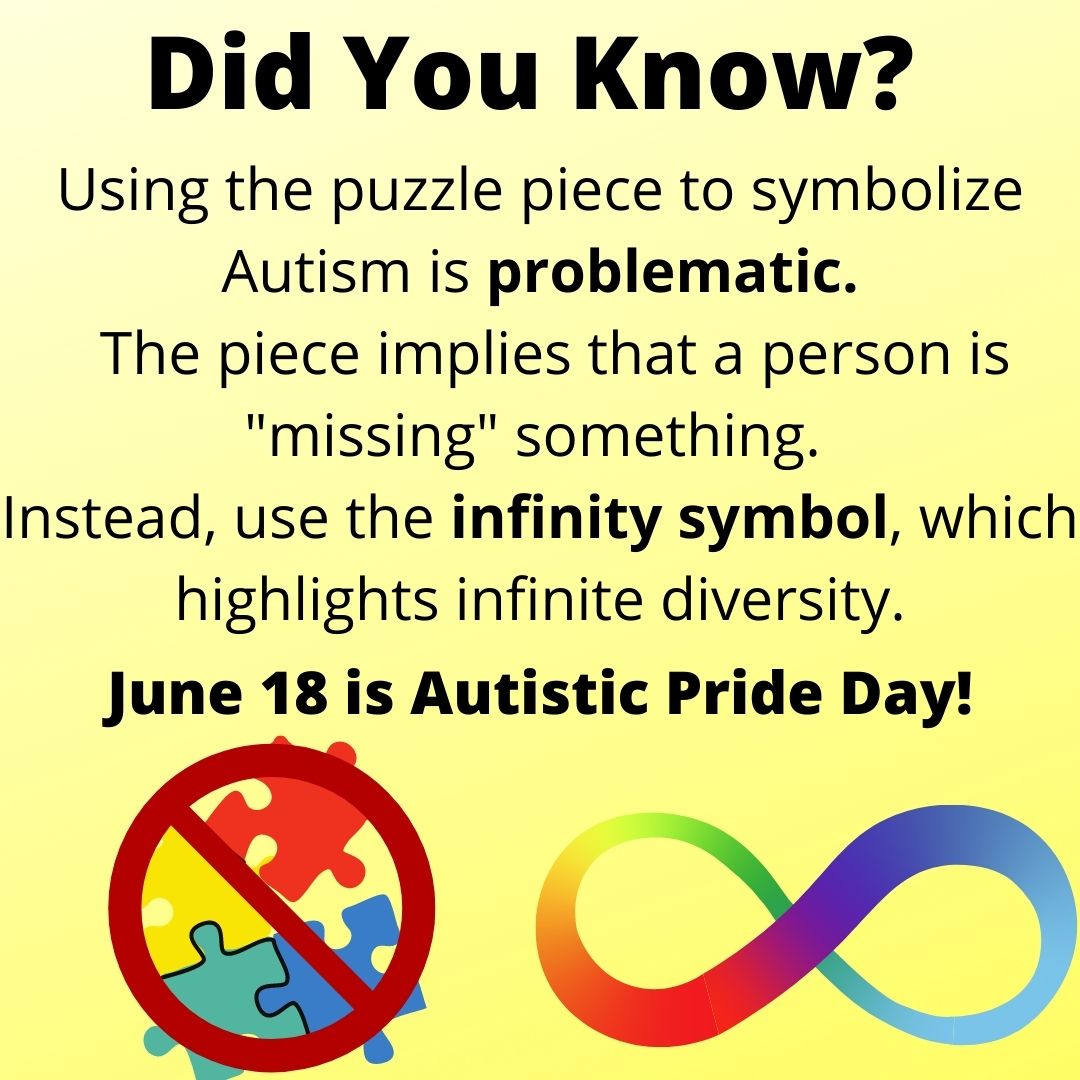
Today is Autistic Pride Day! We see a lot of imagery surrounding Autism, but using the puzzle piece symbol is problematic. The puzzle piece implies that person is "missing" something. Instead, use the infinity symbol, which highlights infinite diversity! #AutisticPrideDay
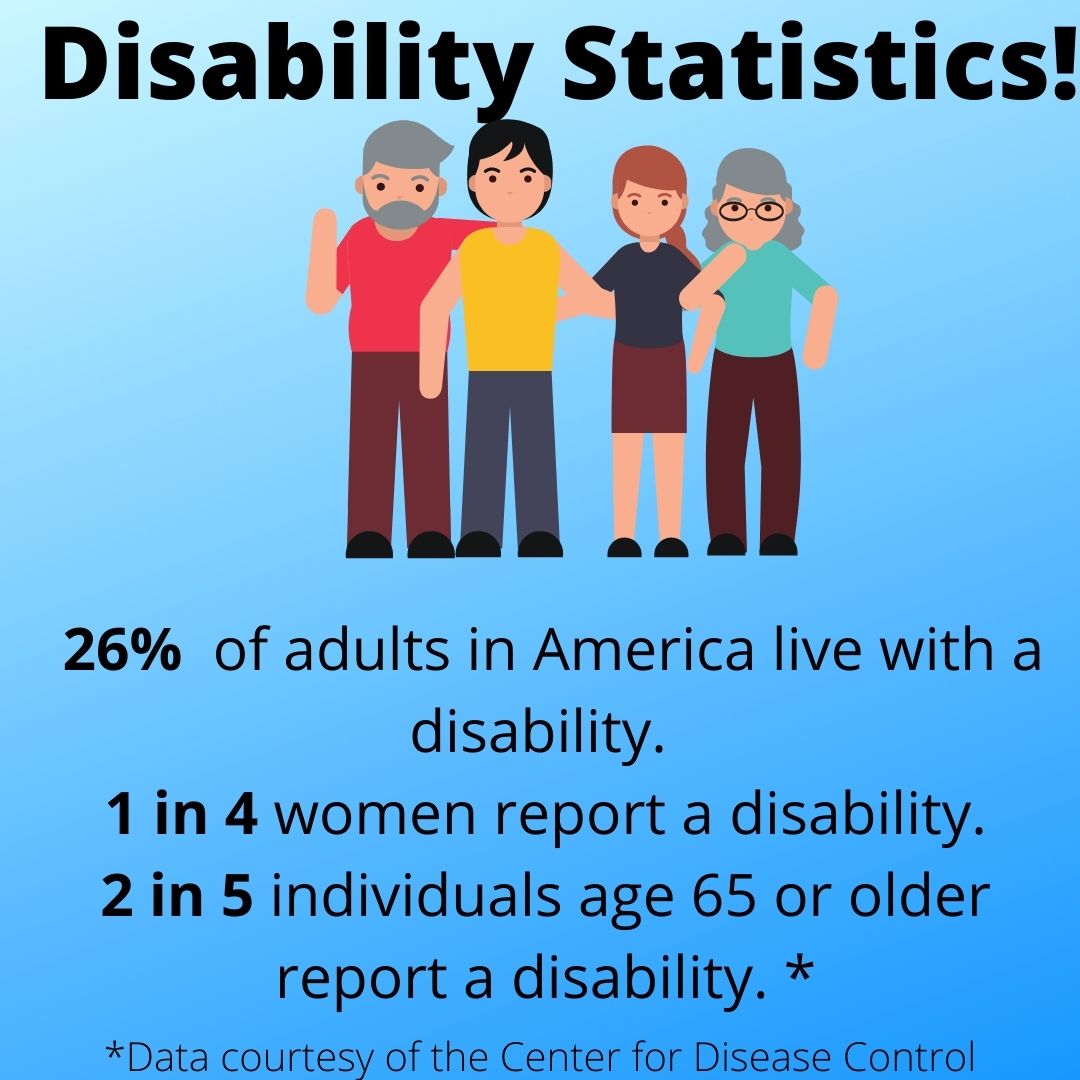
According to the Center for Disease Control, 26% (1 in 4) of Americans live with a disability. 1 in 4 women report a disability, and 2 in 5 adults over age 65 identify as disabled.
Not all disabilities are visible and the same diagnosis can affect two people in different ways!
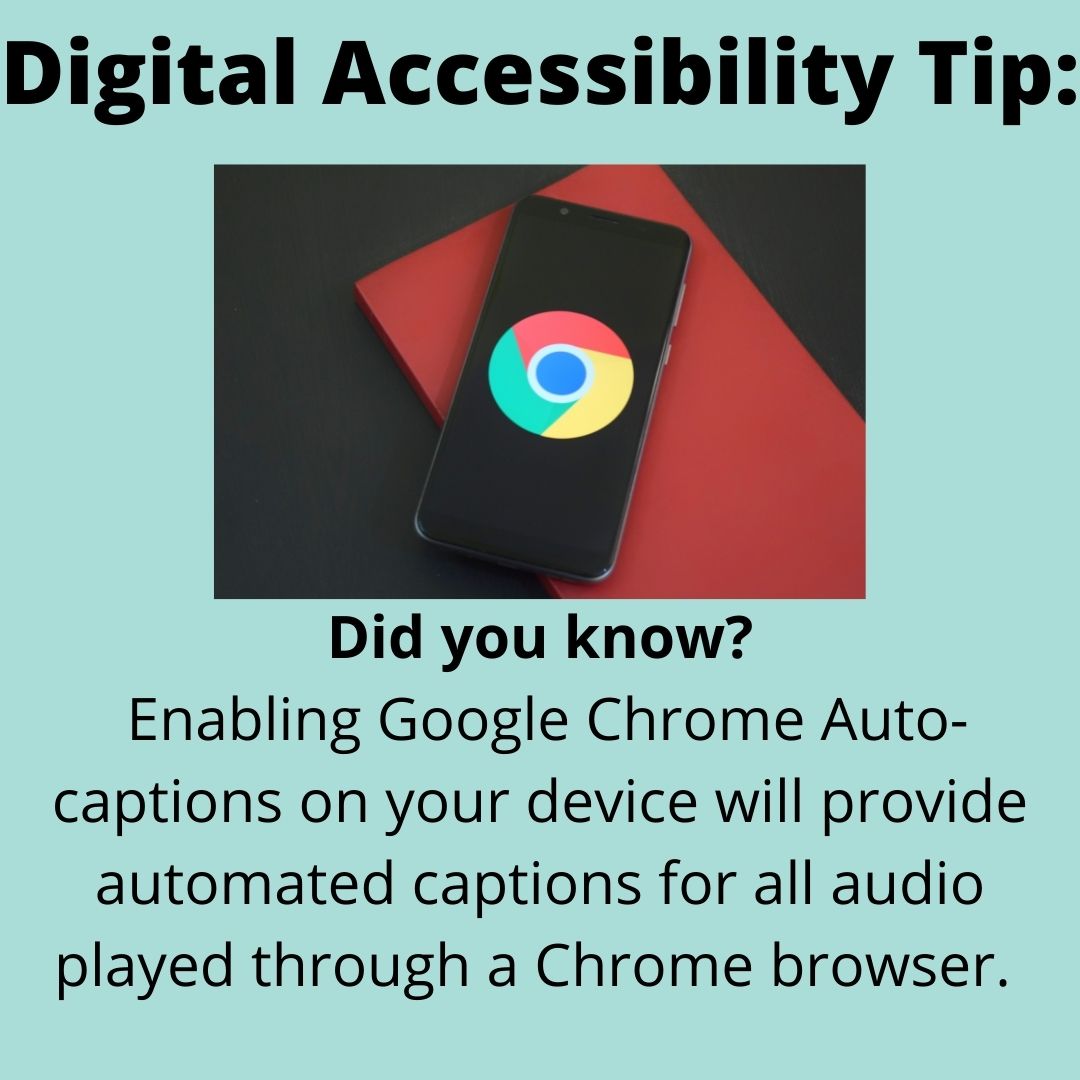
Did you know? Enabling Google Chrome live captions will create automated captioning for any audio playing in a Google Chrome browser. While materials should still be captioned by the creator to ensure accuracy, auto-captioning can provide temporary access. Instruction in comments
DATA UPDATE: We recently shared a post stating that at least half of the disabilities reported to colleges were invisible. Thanks to a request for specific data, we can tell you that at least 80% of disabilities reported to post-secondary institutions are invisible. Now you know!
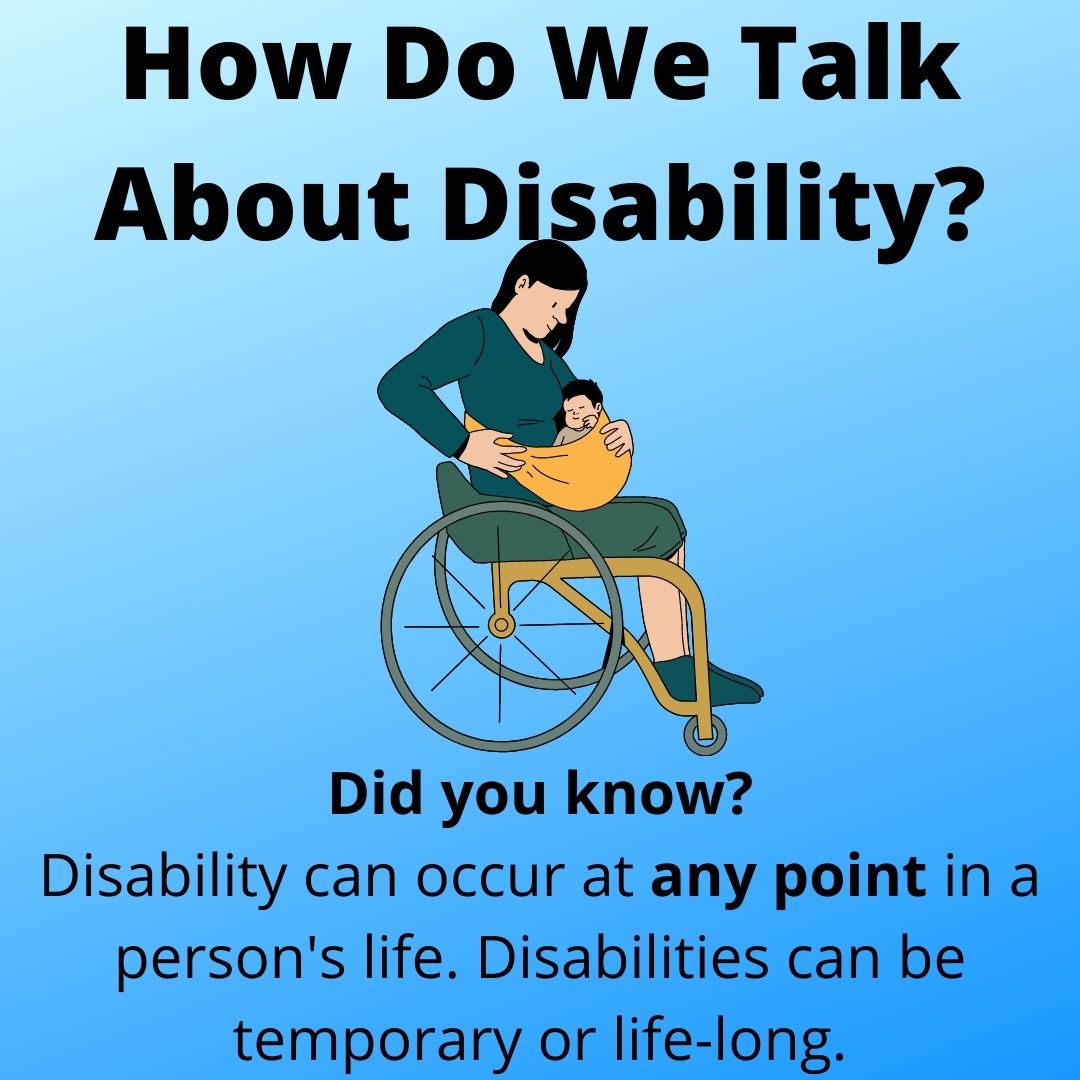
Did you know? A person can become disabled at any point in his/her/their life-- regardless of age. Disabilities can be temporary, life-long, visible, or invisible.
While it's common to still think of disability as something you can see, such as a person using a wheelchair, data suggests that at least half of disabilities reported to post-secondary schools are invisible. Just because you can't see a disability doesn't mean it isn't real.
Folks with disabilities live full lives! Avoid terming a disabled person as an "inspiration" or as "brave" simply for living with a disability. Instead, reserve those words for when the person does something inspirational or brave, like facing a long-held fear!