Follow for fish photos, videos, facts & fun underwater content!
We challenge you to learn, find & identify during your next underwater adventure. 🌊👀
#scuba
The Red Reef Hermit Crab, also called the Scarlet Hermit Crab, belongs to a family of left handed Hermit Crabs. This means that the left claw is generally larger than the right. Lefties unite! 👐
#diving#scubadiving#scuba
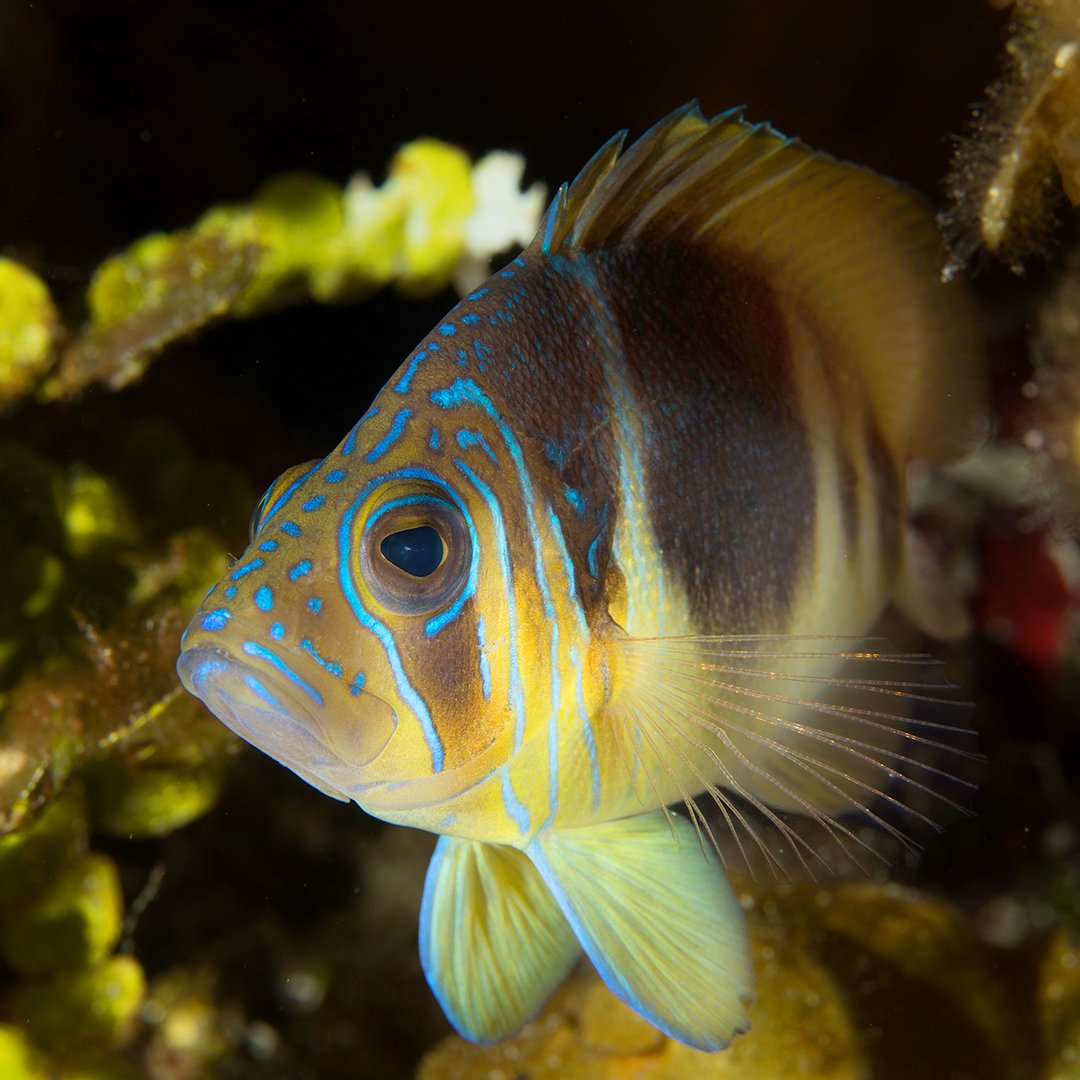
Barred Hamlets are hermaphrodites and take turns passing off eggs to each other for fertilization! They form monogamous pairs and meet every night at the same spot on the reef to spawn. Look at the beautiful markings on this one, it did its makeup before our photoshoot 😉 #scuba
Anemones are stinging polyps that are closely related to coral and jellyfish! It's not just anemonefish that live with anemones, many different species rely on them for protection. Keep an eye out for crabs, chromis, damsels, juvenile wrass, shrimp and many more species.
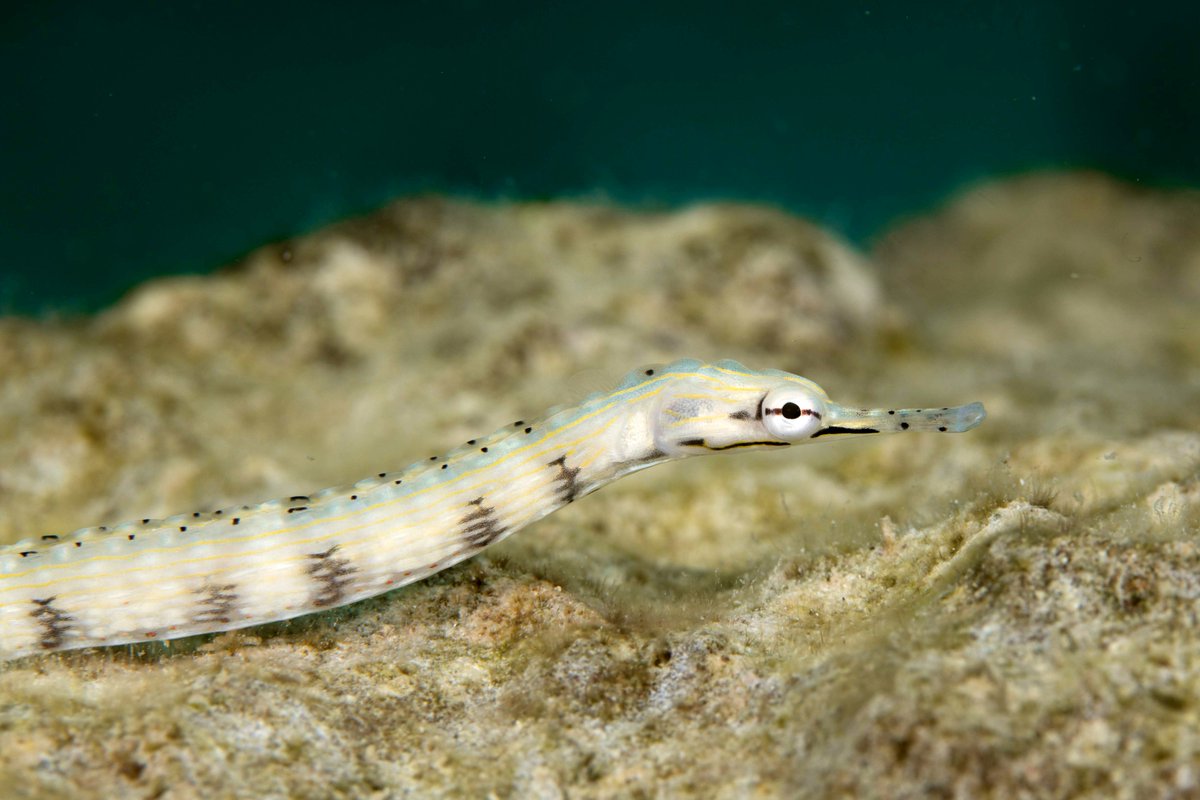
Trumpetfish are masters of camouflage and master hunters. They can change their colors to match their surroundings and have been seen schooling with other fish species to get closer to their prey! Sneaky, sneaky...
#trumpetfish#scuba#diving#scubadiving#underwaterphotography
This Coral Scallop excavates and embeds itself in live coral. Only about an inch and a half long, the clam helps provide water flow for the coral which helps the coral feed. One of our favorite photos to date, unbelievable colors captured here! :)
#diving#scuba#scubadiving
This is the Pink Anemonefish. The largest one in the anemone is the alpha female. When the alpha female dies, the largest male grows larger, switches gender, and takes her place. Then the other males move up in the hierarchy. Weird fish facts...
#scubadiving#diving#scuba
We challenge you to see a Spotted Garden Eel this close up! It will dive back into its sandy burrow as soon as you approach. If you wait patiently, it might pop back up again for you to snap a photo.
.
.
.
#spottedgardeneel#eel#gardeneel#scuba#diving#scubadiving
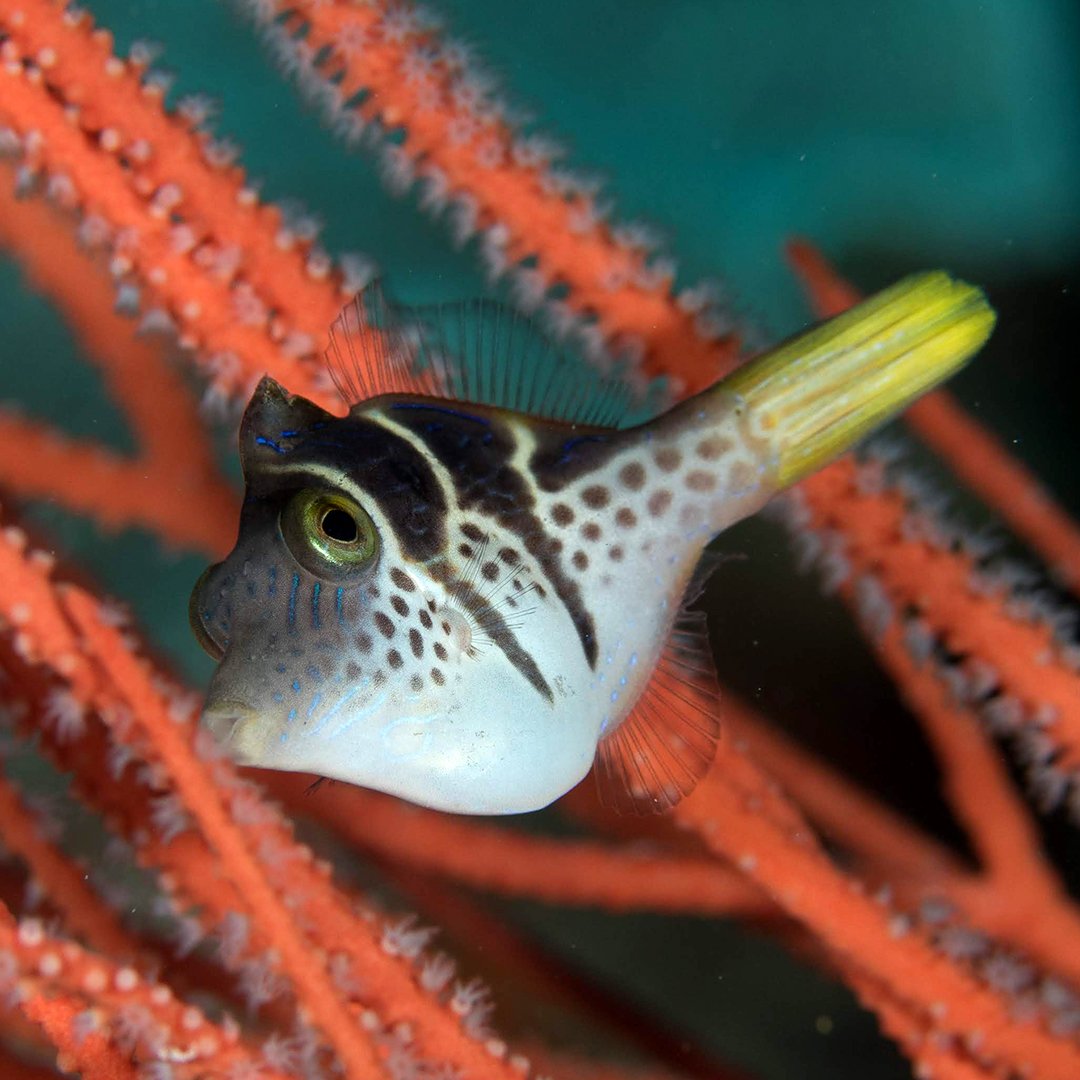
This is the Mimic Filefish. This species evolved to imitate the Black Saddled Toby, a type of Puffer that is poisonous to eat. The easiest way to identify the Mimic Filefish from the Black Saddled Toby is by the long dorsal and anal fin, and the raised dorsal spine seen here.
Filled with thousands of Golden & Moon Jellyfish, Jellyfish Lake is an amazing sight to be seen! Around 12k years ago the sea levels dropped & left the lake on Eil Malk island in Palau. Since then, the Jellyfish that inhabited the lake evolved to lose their natural sting.
The Disco Clam or Electric Clam is mesmerizing to watch! It doesn't actually produce bioluminescence. What we see is light reflecting through tiny bits of silica near the edge of it's shell. Grab your flashlight and check out some caves or head out for a night dive to find one!
Here we are up, close, and personal with a Lionfish! This invasive species originated in the Indo-Pacific region and now runs rampant in the Western Atlantic. They harm other local fish populations by eating juvenile fish. Females lay up to 2 million eggs per year.
The Shrimpgoby and these shrimp have a fascinating underwater symbiotic relationship! The shrimp are great at shoveling out and building dens and they have poor eyesight. The Shrimpgoby acts as watchdog and is quick to warn its den mates of potential dangers.