karena banyak yang nanya juga, here i present a thread on how i reached these stats! karena aku mau sedetail mungkin, akan aku bagi jadi 3 fase; before, during, dan after. 🧵
buat kalian yg pengen latihan speaking dgn topik yg berbeda, this is for youu😆
aku ketemu satu WEBSITE LATIHAN SPEAKING BAHASA INGGRIS, terutama untuk interview atau belajar test vocab‼️
seru bangett loh kyk lagi main game, yuk dicoba bareng temen~
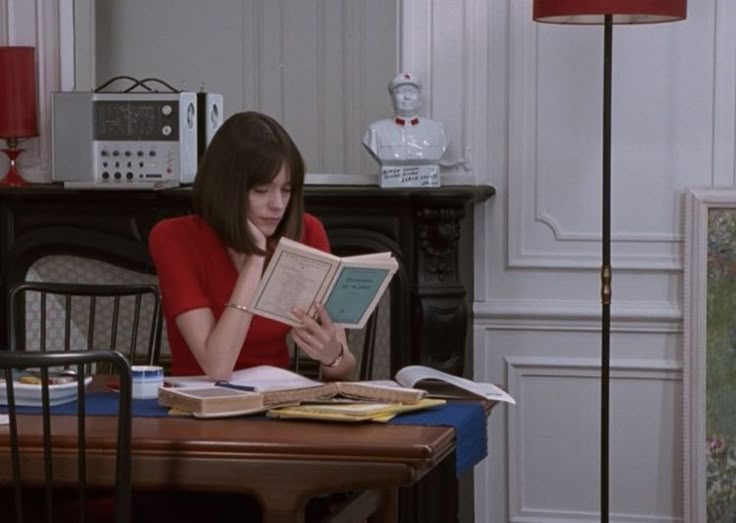
7 minutes after you finish studying, your brain quietly runs a file-transfer process. Columbia scientists caught it on a brain scan, and repetition is what speeds it up.
In the study, 29 people went into an fMRI machine and saw flashcards pairing words with pictures. Some flashcards appeared once. Others appeared three times. After the flashcards, participants closed their eyes and rested for 7 minutes, still in the scanner, while the researchers watched what their brains did next.
The hippocampus (a seahorse-shaped chunk deep in your brain that handles new memories) replayed the flashcards at the same rate whether people had seen them once or three times. The scan showed no difference between the groups in that region.
Three other brain regions went the other way. All three belong to your brain's long-term storage network, the system that keeps memories around for years. Those regions replayed the repeated flashcards way more than the once-seen ones. One of them also started firing in sync with the hippocampus more often when replaying the repeated cards, like two colleagues confirming a file had been saved.
Textbooks describe memories moving from the hippocampus to long-term storage as a slow process, one that takes weeks, months, or sometimes years. This study caught that process starting within the first 7 minutes after closing your eyes, with repetition speeding it up dramatically.
When a flashcard had been shown three times, the long-term storage regions replayed the most recent viewing. Your brain treats each repetition as an update.
The hippocampus was doing its own kind of work. For the flashcards people saw only once, the more the hippocampus replayed them during that 7-minute rest, the more likely people were to remember them on the test afterward. The hippocampus was picking up the slack for the weaker memories, while the long-term regions took over the stronger ones.
The paper was edited by Robert Bjork at UCLA, the guy who coined "desirable difficulties," the idea that when learning feels harder in the moment, the memory tends to stick longer. This study adds a mechanism. Repetition works by moving a memory, fast, in the minutes right after you stop looking at the thing.
CARA NGE-HACK OTAK KAMU
1. DOPAMIN (hormon bikin happy)
* Selesain kerjaan/tugas
* Makan enak
* Rayain pencapaian kecil
* Me time / rawat diri
2 OKSITOSIN (hormon cinta & bonding)
* Main sama bayi
* Main sama hewan peliharaan
* Ngasih pujian ke orang
* Pelukan sama pasangan/keluarga
3. SEROTONIN (hormon penenang mood)
* Main & having fun
* Berjemur kena matahari
* Jogging/lari
* Gowes atau berenang
4. MELATONIN (hormon tidur nyenyak)
* Redupin lampu pas malem
* Kurangin screen time dimalam hari
* Makan sehat
* Lakuin hal-hal yang bikin tenang
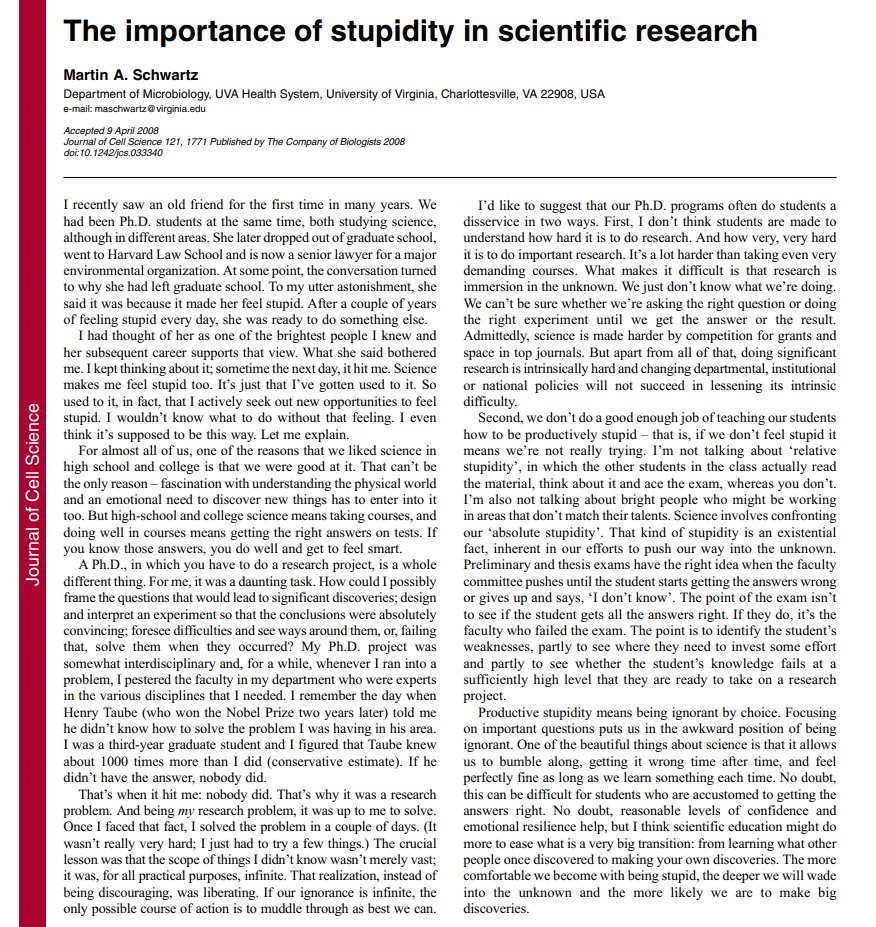
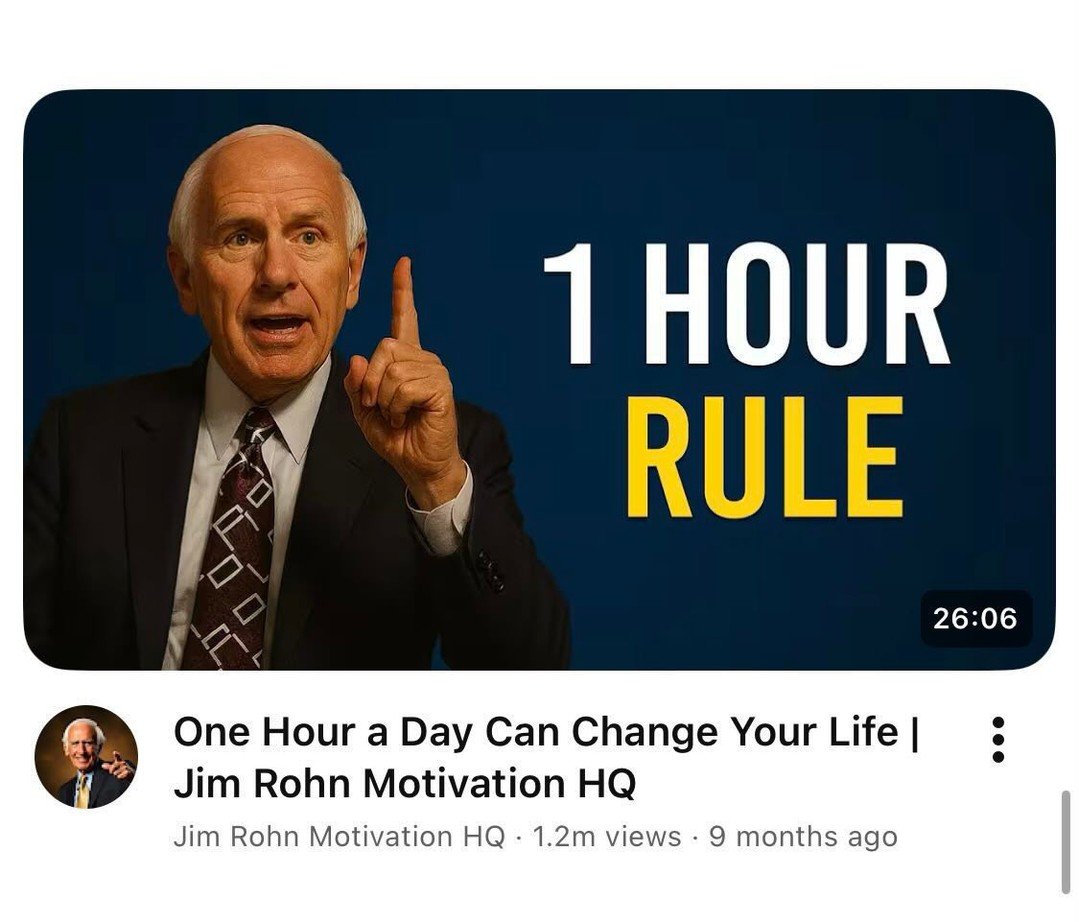
To improve your writing, read more.
To improve your thinking, write more.
To improve your storytelling, present more.
To improve your energy, rest more.
To improve your understanding, teach more.
To improve your network, give more.
To improve your happiness, appreciate more.









![unkaeki's tweet photo. WTS Hadalabo Gokujyun Milk 100ml (1 New & 1 Used)
🛎 Yang PL isi 99%+
💰 [New: 40rb] [Preloved: 35rb]
🍊 Oren NO FEE GRATIS ONGKIR
📍Dom Bekasi
#zonaba #zonauang #zonajajan #zonajajanᅠᅠᅠ want to sell sale dijual moisturizer moist hadalabo wtb #skincare #new #preloved https://t.co/55jNtojHdD](https://pbs.twimg.com/media/HCAstRFaMAMYdFm.jpg)
![unkaeki's tweet photo. WTS Hadalabo Gokujyun Milk 100ml (1 New & 1 Used)
🛎 Yang PL isi 99%+
💰 [New: 40rb] [Preloved: 35rb]
🍊 Oren NO FEE GRATIS ONGKIR
📍Dom Bekasi
#zonaba #zonauang #zonajajan #zonajajanᅠᅠᅠ want to sell sale dijual moisturizer moist hadalabo wtb #skincare #new #preloved https://t.co/55jNtojHdD](https://pbs.twimg.com/media/HCAstLdbkAAGpwP.jpg)





![unkaeki's tweet photo. WTS Hadalabo Gokujyun Milk 100ml (1 New & 1 Used)
🛎 Yang PL isi 99%+
💰 [New: 40rb] [Preloved: 35rb]
🍊 Oren NO FEE GRATIS ONGKIR
📍Dom Bekasi
#zonaba #zonauang #zonajajan #zonajajanᅠᅠᅠ want to sell sale dijual moisturizer moist hadalabo wtb #skincare #new #preloved https://t.co/55jNtojHdD](https://pbs.twimg.com/media/HCAstR8aMAIk3Q7.jpg)


