THE WHITE BLOUSE
If you stay in Pattaya long enough to keep a few dozen local numbers in your phone, you will eventually witness the overnight transformation on your Facebook feed.
Last month, her timeline looked the way it had for eight years: mirror selfies taken in cramped studios off Soi Buakhao, tight black dresses with rhinestone straps, plastic buckets of cheap whiskey on bar tables, and 3 AM captions throwing shade at "fake friends" and stingy men.
Then, on a random Tuesday morning, the archive goes quiet. Half the old albums vanish—quietly switched to Only Me—and a new profile photo appears.
Her hair is pulled back cleanly with no extensions. The heavy false eyelashes are gone. She is wearing a loose white cotton blouse buttoned to the collarbone, kneeling on the swept stone tiles of a temple in Nong Prue, holding three lotus buds and a yellow plastic bucket stuffed with instant noodles, dish soap, and bottled water. Below the photo sits a quote attributed to a monk, pasted over a faded picture of a sunrise: Let go of what hurts you. Karma remembers every address.
Down in the comments, thirty of her friends—half of whom still work the exact same strip she left three weeks ago—drop folded-hand emojis and write Sathu.
To a Western guy scrolling through his phone over morning coffee, the whole thing looks like comedy. He remembers her pouring tequila shots down her own shirt on Walking Street two high seasons ago, or screaming at a German boyfriend outside a beer bar at four in the morning. He laughs, screenshots the Buddha quote, sends it to a mate on WhatsApp, and calls her a hypocrite.
He is looking at it through a Western lens—as if she walked into a church, begged forgiveness for her sins, and decided to play saint. That isn't what happened at all.
In Pattaya’s nightlife grid, time runs at double speed. At twenty-one, the room bends around you. You can show up hungover in a cheap sundress, barely speak twenty words of English, and still pull the richest table in the bar before midnight.
By thirty-two, the math stops working in your favor.
The bar lighting becomes less forgiving. Fresh nineteen-year-olds step off the overnight bus from Buriram every week, needing ten minutes of lip gloss to outshine two hours of careful contouring. The mama-san doesn't say anything cruel—she just stops seating you near the front door. And inside your own body, ten years of going to sleep at six in the morning and waking up at three in the afternoon with a sour stomach and a swollen face starts collecting interest. You don't wake up one morning hating the bars out of moral outrage. You wake up staring at a cracked ceiling fan during a dead rainy-season Tuesday and realize you do not have one more fake laugh left in your chest for a drunk stranger from Leeds.
When a woman decides it is time to step off the carousel, she doesn't just quit a job. She has to cross a border back into polite Thai society—and in Thailand, you don't cross that border wearing a bodycon dress.
First, there is the karmic ledger. Westerners treat morality like a permanent stain: once you were wild, any later decency looks fake. Thai folk Buddhism treats life more like a bank account. Ten years in the bars generates a lot of noise—drinking, jealousy, broken households, lying to lonely men, fighting over tips, carrying home other people’s bad energy. You don't sit around drowning in guilt over it. You balance the ledger. You wake up at six, put on white cotton, offer hot curry to barefoot monks, pour a small brass bottle of water onto the roots of a banyan tree to settle old debts with unseen spirits, and post the proof where everyone can see it.
Second, there is simple market repositioning.
The twenty-something market in Pattaya pays for loud availability. The thirty-plus market pays for the exact opposite. Whether she is quietly aiming for a settled, sixty-year-old retired engineer on the Darkside who swears he wants a "traditional, calm Thai woman who never goes to bars," or opening a small nail salon near a residential village, or finally going back to Khon Kaen to stand beside her mother at the temple fair—the uniform has to change completely.
Six-inch heels are swapped for flat beige sandals. Flashy club jewelry disappears, replaced by a single neat gold chain holding a small framed amulet. The photos shift from dark rooms to quiet cafés in Bang Saray—an iced green tea on a wooden table, a wide-brimmed straw hat, and a soft caption about peace being worth more than money.
And here is the part foreign men rarely grasp: nobody in her Thai circle calls bullshit on it.
The women commenting Sathu under her temple photos know every single bar she ever worked in. Her aunties back in the province know the new roof on the family house wasn't paid for by waitressing at a seafood restaurant. None of them care to drag up last year's receipts. In Thai social logic, the past is dead weight; what matters is whether you know how to carry yourself with composure today. If you put on the white blouse, keep your voice soft, stop causing scenes at three in the morning, and show up at the temple with a yellow bucket, the village quietly grants you a clean slate.
By the end of the year, the transition is seamless. She is asleep by ten every night, sells homemade chili paste or whitening cream on TikTok, and genuinely bristles if someone mentions Walking Street in polite company.
To the foreign ex laughing at her profile from two bar stools away, she is putting on an act. To her, the act was the ten years she spent smiling under strobe lights in a mini-skirt—and the white blouse is simply the price of finally going home.
Follow @PattayaUnf
#farang #walkingstreetpattaya #bargirl #pattayalife #pattayanightlife #pattayaunfiltered #pattayabars #Pattaya #Pattayathailand #ThailandLife
@DrewPavlou He won a Miles Franklin award, which has a dubious history of bangers.
Read only Booker Prize winners and you can't go wrong.
Kazuo Ishiguro
Richard Flanagan
Ian McEwan
Read your way through, they're the best books you'll ever read.
these are the kinds of romantic fantasies programmed into men's minds that end up ruining their lives. Nothing like this exists, and that's not hatred, it's reality. Women don't have that kind of capacity. They love you when you don't indulge in all this romantic nonsense. The moment you do, you lose them. Genuine love is romanticised only in the third person, in the first person, we only love the chase. No chase, no desire. Possession is the end of love.
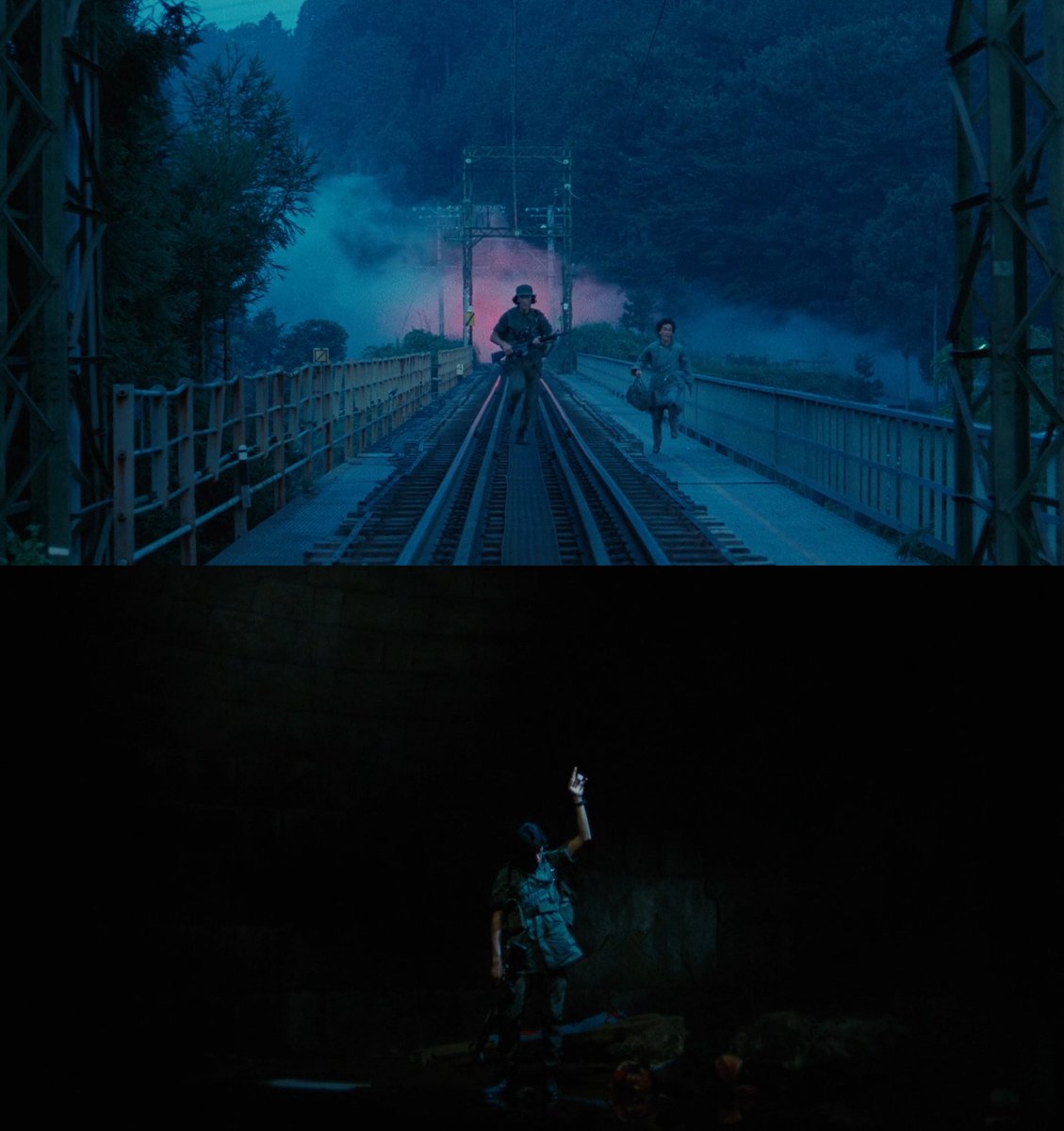
The Beast to Die (1980)
Some Murakawa, Matsuda and Sengen magic. The third adaptation of Haruhiko Oyabu's novel The Beast Must Die. The original writer of Youth of the Beast, Cruel Gun Story, Detective Bureau 2-3, Resurrection of the Golden Wolf and Dirty Hero. Very prolific.
This is one of the most horrifying movies I have ever seen. Once you see it, it is impossible to forget. If I have to choose a movie that I would NEVER recommend to others, this one would be high on my list.
There is a sense of horror, dread & hopelessness throughout the movie. It has evil written over every single frame that can make your skin crawl. The most interesting aspect of the movie is that most of the violence is suggestive.
While the movie works as a horror, it fails as a political one despite it being heavily focused on fascist past of one of the lead characters.
In a Glass Cage (1986)
Director: Agustí Villaronga
P.S: I have recommended it once before :)