BBER Director Michael O’Donnell talks with @NMPBS New Mexico In Focus correspondent Gwyneth Doland about how President Trump’s cuts to federal programs will make their mark in our state. https://t.co/yYJ5FDOJwI
Our 2021 report, available at https://t.co/5aI6ixnuW8 outlines potential economic and fiscal impacts of implementing community solar projects in New Mexico, showing the facilities could substantially contribute to New Mexico’s economy in several ways.
https://t.co/pnnJB89606
The difficulty with predicting a recession is that this time economic volatility is not strictly based on typical economic fundamentals, such as GDP growth, employment growth and income growth, which up until this point have been fairly solid. https://t.co/HzifKANFjp
Director Michael O'Donnell joined KUNM Radio Let's Talk New Mexico host Kaveh Mowahed and guests Rep. Melanie Stansbury and Association of National Park Rangers President Rick Mossman this morning.
https://t.co/S0ipC6SPCM
BBER’s Michael O’Donnell, an economist who has helped officials game out the twilight of the boom, likened the task to the notoriously hit-or-miss art of predicting oil prices. https://t.co/ogr7sEbbrB
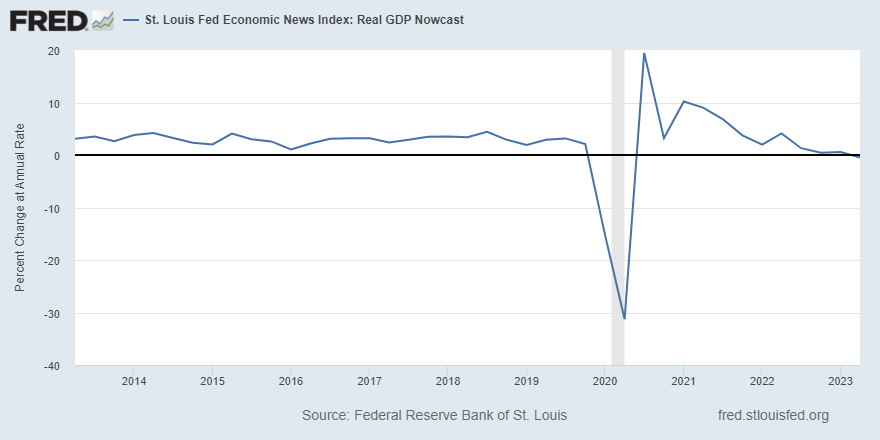
On June 16, the St. Louis Fed Economic News Index—our #realGDP “nowcast”—was estimating growth in Q2 of -0.46% at an annual rate https://t.co/1SxmCCIk6j
These data tables provide the most detailed information about populations that are not published in the annual ACS 5-year data products. If you need help finding the New Mexico data, contact us! Our data bank manager, Suzan Reagan, can help at [email protected] or 505.277.6626.
The study sought only to identify, as anonymously as possible, how legislators feel about the issues. Formal recommendations were limited to what needs additional staff would have and did not advise the legislature on what it should do about pay, session length or other issues.
Suzan Reagan, senior program manager of the Data Bank at BBER, estimates payments into the fund would total more than $463 million in the first year, and increase to more than $514 million by 2028. That annual income would total more than the payouts.