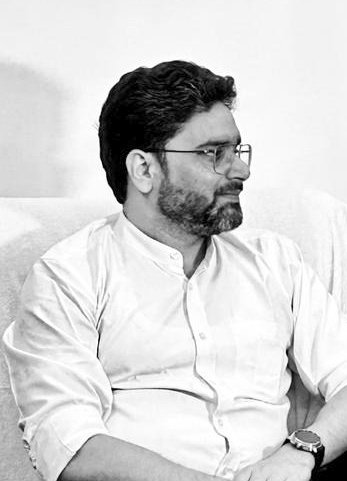
मैं चाहता तो ये था कि मेरा पैगाम असरदार हो
जमाना मगर मेरे रुख़ की तासीर में उलझा रहा।
हमने जिसे चाहा उसे पाया जरूर ये सच है मगर
हर महबूब ख्यालों से जुदा तस्वीर में उलझा रहा।।
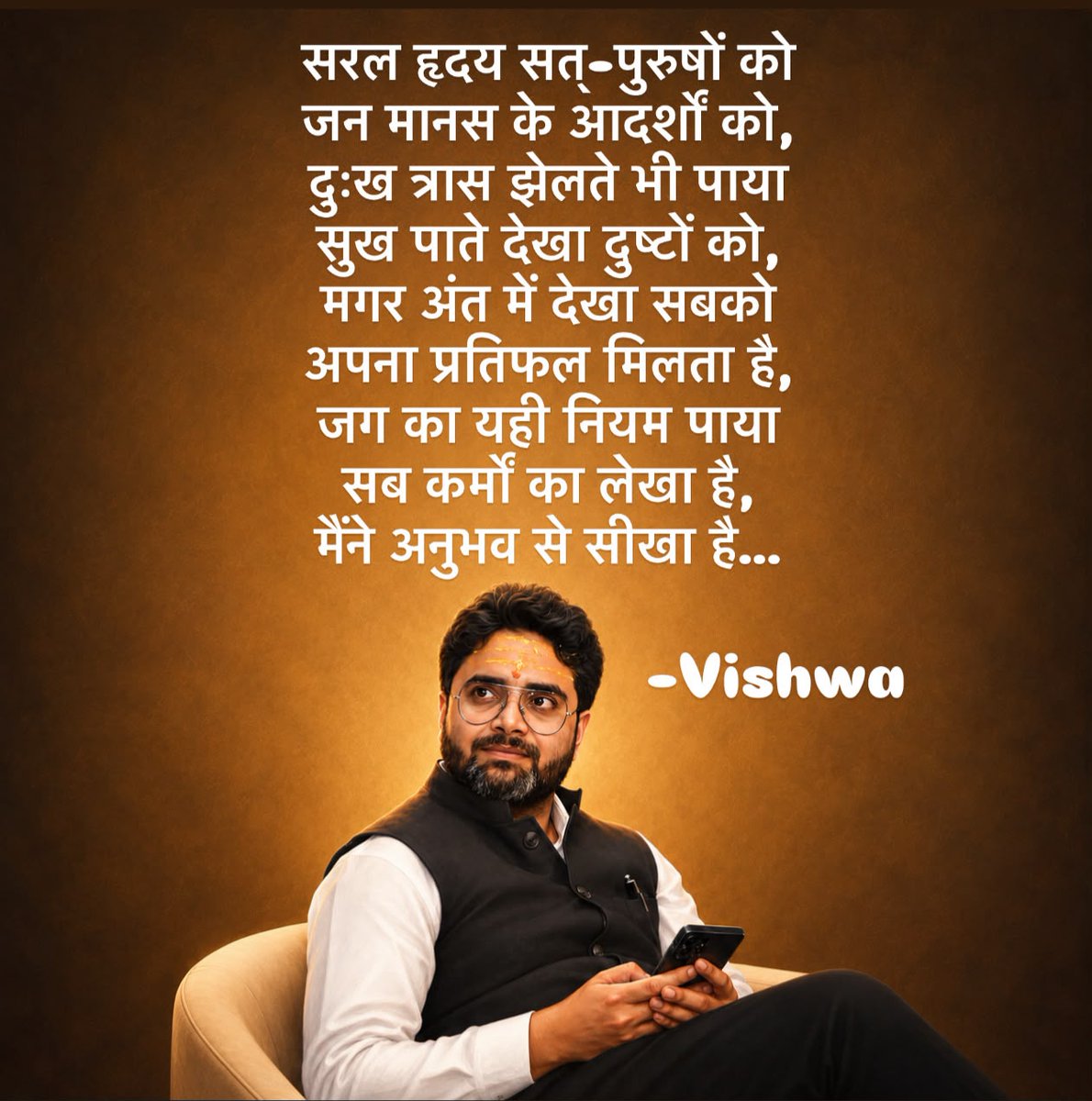
ये मौजूं शेर "मासूम शहर" ( https://t.co/6BQIZyQ4Fu ) से। फिलहाल किसी कारणवश इस समय यही रंग रूप है। दाढ़ी मूंछ हटने के कारण बहुधा सरकारी बैठकों एवं सामाजिक आयोजनों में पहचान का संकट उत्पन्न हो जा रहा है। सोचा था सावन की प्रतीक्षा कर पुराने रूप में आ कर ही फोटो सोशल मीडिया पर लगाऊंगा, लेकिन शुभेच्छुओं के सुझाव/आग्रह पर यह हालिया फोटो पेशे नज़र है, ताकि सनद रहे और वक्त जरूरत शिनाख्त में दिक्कत न हो 😃😀🙏
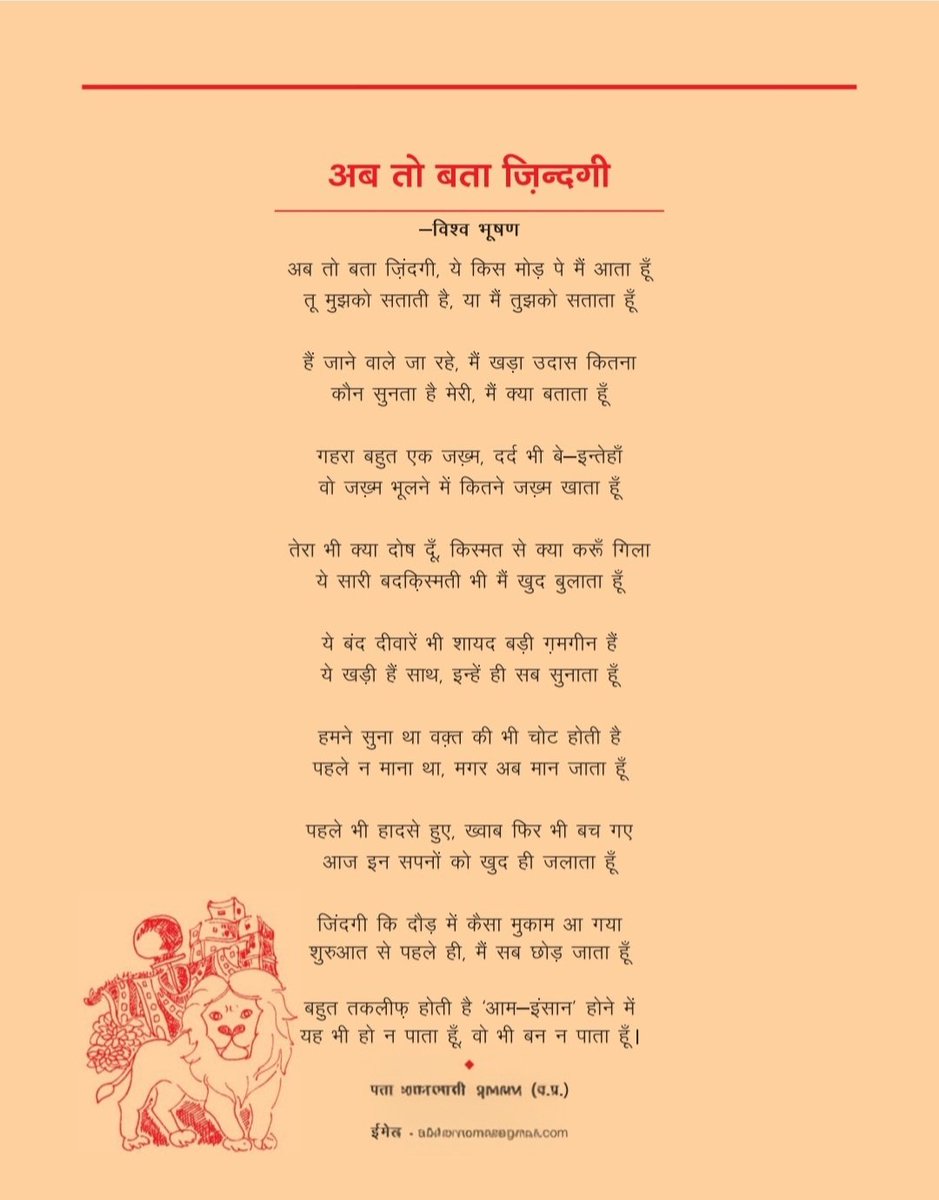
"उत्तर प्रदेश" पत्रिका के मई अंक में प्रकाशित "मासूम शहर" ( https://t.co/MLoszyOoKe ) की गज़ल "अब तो बता जिंदगी"
अन्य प्रकाशित पुस्तकें एवं उन्हें प्राप्त करने का amazon लिंक:–
"ग्लोबल सनातन" :– https://t.co/IafslaaSWI
"सनातन संवाद कथाएं" :– https://t.co/nwDJeThUQ8
"मैंने अनु��व से सीखा है" :– https://t.co/nYKGEHktQ1
"सनातन कुम्भ" :– https://t.co/yIPxJCg8Gn
Nostalgia may be regarded as one of the quiet privileges of an aging mind. As the years pass, memories of the past increasingly take on the character of cherished relics—fragments of experience revisited not merely through recollection, but with a reflective appreciation shaped by distance and perspective. Human understanding, insofar as it operates within the boundaries of perceptible reality, appears to interpret both life and its surroundings through the lens of a single fundamental measure: time.
Yet time itself remains among the most profound and elusive concepts contemplated by human consciousness. Much of our understanding and measurement of time is grounded in the regular movements of celestial bodies. The rising and setting of the sun, the phases of the moon, and the continual motion of stars and planets across the sky have deeply influenced humanity’s perception of a world in constant motion and, consequently, of time as a phenomenon that progresses. This invites an intriguing question: if such recurring celestial patterns had never existed, would the human mind have developed any conception of time at all?
If there were no awareness of time, what role would memory serve? Memory may be understood as the preservation of experience across a perceived temporal interval. Without memory, could there remain any meaningful distinction between pleasure and pain? These experiences derive significance not solely from immediate sensation, but also from their persistence in remembrance and anticipation. If both memory and temporal awareness were absent, how would an individual perceive existence itself?
At this point, the enduring philosophical question of Being emerges. Within the limits of human cognition, pleasure and pain may be viewed not as entirely independent realities, but as experiences shaped by the perception of time. They are intertwined with remembrance, expectation, and duration. From this perspective, to transcend time—or to stand beyond its influence—is to become free from the dualities of pleasure and pain. Such transcendence suggests a condition of profound peace, understood not as an emotion, but as a state of being unaffected by temporal change.
This enduring yet difficult-to-define condition may be understood as one in which awareness extends beyond time, pleasure, pain, and even conventional notions of existence. It lies beyond the categories imposed by the senses and beyond the distinctions constructed by the mind. What remains cannot readily be described as an object of perception, for it is not a discrete entity among other entities. Rather, it is that which eludes direct perception while quietly underlying every act of perceiving.
Thus, the inquiry finds resolution not through intellectual analysis alone, but through the recognition of that which transcends all forms of apprehension—the unconditioned reality that neither appears nor disappears, neither remembers nor forgets, and neither exists nor ceases to exist in the manner ordinarily understood through sensory experience. It is the mystery that lies beyond time and, consequently, beyond all that time makes possible.
– From "Being Shiva" by @AuthorVishwa
Might it be that we are not the beings we presume ourselves to be? Is it possible that the entirety of humanity labors under a sensory shroud, forever barred from perceiving the true nature of existence? Do we grasp merely a fragment of the Infinite? What if the science we venerate is but a phantasm, woven by a mind conditioned to sustain a perpetual deception? What if the history we scrutinize, seeking truth through the artifacts of evidence, is but a tapestry fabricated by a superior intelligence?
Is the geography we traverse merely a stage, set to entice us into performing irrational follies under the guise of adventure? Might the philosophy in which we immerse ourselves be a design, a mental architecture built to restrain us from breaching the veil that conceals our true limitations? Do we exist to higher orders of consciousness as termites exist in the shadow of our own perceptions? Is our civilization inherently tethered to a cycle of predestined dissolution? Does "time" itself stand as a static thoroughfare, upon which we are compelled to travel, devoid of the agency to deviate from our course? Is existence perhaps but the magnified projection of a dream we inhabit?
All knowledge we cultivate arises from the fleeting impressions of our senses. Yet, by the very tenets of the science we hold dear, we acknowledge the inherent fallibility of those senses. We discern only a sliver of the visible cosmos; we capture but a whisper of the audible spectrum; we inhale a mere fraction of the world’s fragrances; we touch but the infinitesimal periphery of the particle-wave reality we so confidently deem absolute.
Might it not be, then, that our entire existence is a construct of perception? We perceive a universe, yet what if this reality is illusory—a phantasm within the dreaming mind of some primordial entity, an ancient, slumbering creature indifferent to the shadows we call life?
"Being Shiva" by @AuthorVishwa
फेसबुक स्मृतिका से संसद भवन सचिवालय कार्यकाल के दिनों की यह फोटो, "मासूम शहर" ( https://t.co/6BQIZyQ4Fu ) से उद्धृत इन पंक्तियों के साथ :-
कभी संयोगवश हो जाती है लेज़र की खोज
और कभी सर्वश्रेष्ठ मस्तिष्क बूढ़ा हो जाता है
अनियंत्रित बाह्य कारकों से अप्राप्य परिणाम में।
जीवन सफलताओं नहीं संघर्षों का उत्सव है
लोग भले याद रखते हों परिणामों की महत्ता
निज मन प्रयासों को जीता और भोगता है
अंतर्मन में प्रयास महत् है परिणाम से ।।
"सनातन संवाद कथाएं" ( https://t.co/REHgDlSLDF ) से:–
"प्राचीन काल से ही भारत वर्ष की धरा बौद्धिक उन्नयन की उर्वर स्थली रही है। जब शेष विश्व जंगलों में बर्बर शिकारी अथवा दुर्ग नगरों एवं ग्रामों में दस्यु जीवन व्यतीत कर रहा था, भारतीय मेधा उपनिषदों के जटिल दार्शनिक विमर्श गढ़ रही थी। जब शेष विश्व नगर साम्राज्य की कल्पना भी करने की स्थिति में नहीं थ��, भारत में रामायण और महाभारत जैसे महाका��्य लिखे गए।"
Varanasi ranks 1st in the Central Zone in Swach Survekshan Grameen 2025 for the works done in Rural Sanitation. It's heartening to see the works done as CDO with the whole team in last 3 years bearing good results
सनातन सभ्यता के अतिरिक्त वर्तमान में अस्तित्ववान अन्य समस्त सभ्यताओं की उत्पत्ति 500 से 2500 वर्��ों से अधिक पुरानी नहीं है। सनातन सभ्यता इन समस्त विलुप्त एवं जीवित सभ्यताओं के उत्थान पतन की साक्षी रहते हुए सदा से जीवंत कैसे है?
सनातन पर किए जाने वाले समकालीन आक्षेपों यथा; असहिष्णुता, जाति विभेद, अंधविश्वास इत्यादि का सत्य क्या है?
विसंगतियों से ग्रस्त कोई सभ्यता काल के प्रवाह में शाश्वत अस्तित्व में कैसे रह सकती है?
यह सारे कथ्य “सनातन: संवाद कथाएं” (https://t.co/REHgDlSLDF) में “संवाद कथा” शैली में और “ग्लोबल सनातन” (https://t.co/xE0iU8zzBz) में “ऐतिहासिक विमर्श” के रूप में प्रस्तुत किए हैं।
श्री राम की भक्ति में गोस्वामी तुलसीदास ने लिखा है:–
हम चाकर रघुबीर के, पटौ लिखौ दरबार।
तुलसी अब का होइहें, नर के मनसबदार।।
महाभारत में एक बहुत सुंदर कथा वर्णित है। सर्वस्व दान दे चुके परशुराम जी से द्रोणाचार्य ने दान ��ी अभ्यर्थना की। परशुराम जी ने द्रोणाचार्य को आचार की शिक्षा देते हुए यह भी कहा कि, "स्वधर्म के पालन हेतु संकल्पित होने पर किसी का सेवक नहीं बनना चाहिए; क्योंकि स्वामी का आदेश यदि स्वधर्म के प्रतिकूल हुआ तो कर्तव्य की प्रधानता के कारण धर्म भंग करना ही होता है।"
हालांकि मानव जीवन की यह त्रासदी है, या कहिए कि अदृष्ट प्रारब्ध है; कि यह ज्ञान प्राप्त होने के बाद स्थितियां ऐसी बनीं कि द्रोणाचार्य ��े हस्तिनापुर की राजकीय सेवा स्वीकार ही नहीं की अपितु उस सेवा में ही प्राण भी त्यागने पड़े। जिस पुत्र अश्वत्थामा के लिए द्रोणाचार्य सेवक बने वह भी कैसा हतभाग्य रहा! वह चिरंजीवी हुआ परन्तु द्रोण की राजसेवा के परिणाम से उत्पन्न प्रारब्ध से मस्तक पर कलंक का चिन्ह धारण कर शापित अवस्था में!
ऐसे अनेक कथानक पढ़ें "सनातन संवाद कथाएं" में। पुस्तक यहां उपलब्ध है:– https://t.co/REHgDlSLDF
दैनिक जागरण समाचार पत्र के राष्ट्रीय संस्करण में आज 03 जून 2026 को प्रकाशित "ग्लोबल सनातन" की पुस्तक समीक्षा 🙏
पुस्तक यहां उपलब्ध:- https://t.co/gSYB79wVuX
विश्वेशं माधवं ढुण्ढिं
दण्डपाणिं च भैरवम्।
वन्दे काशीं गुहां गंगा
भवानीं मणिकर्णिकम्॥
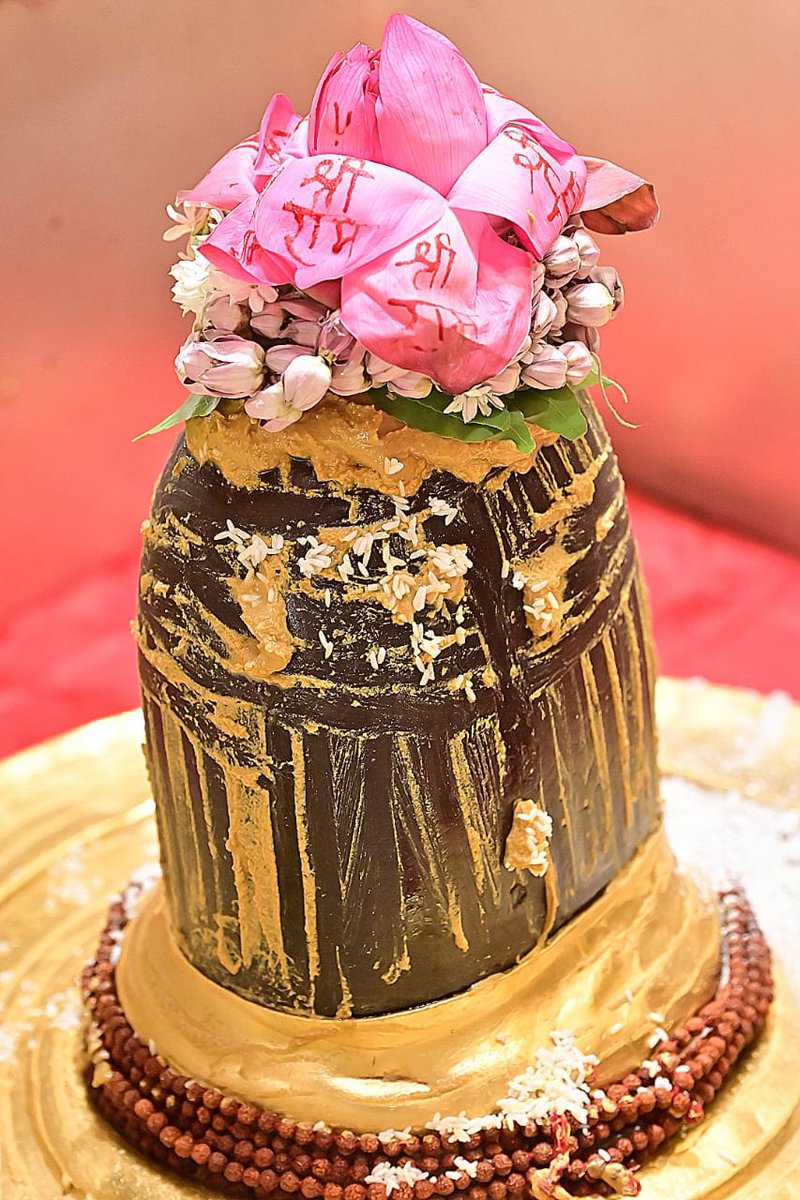
वैशाख पूर्णिमा श्रृंगार आरती दर्शन श्री काशी विश्वनाथ महादेव 🙏
।।श्री काशीविश्वनाथो विजयतेतराम।।