Russia had a gay foreign minister over 120 years ago.
Count Vladimir Lamsdorf served under Nicholas II, and his sexuality was an open secret at court. His relationships, career, scandals, and the men around him left a remarkable paper trail.
His story → https://t.co/u5cDwzpJOB
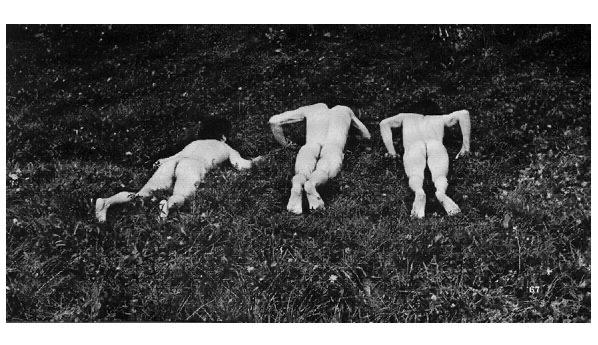
Moscow, 1976. The Gnezdo (“Nest”) art group stages "Fertilization of the Earth" as part of its satirical series "Helping the Soviet Government in the Battle for the Harvest". Gnezdo was part of Moscow’s unofficial Soviet art scene.
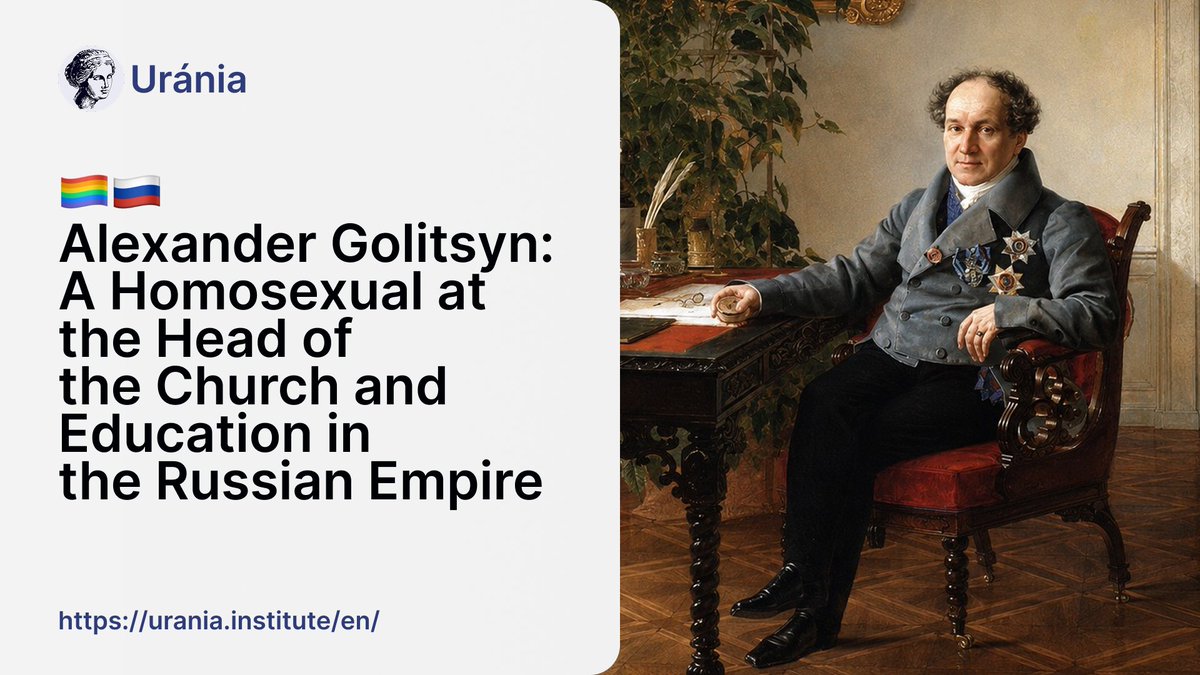
For almost the entire reign of Alexander I, the Russian Orthodox Church and public education were headed by a homosexual man
Meet Prince Alexander Golitsyn: one of the most powerful and contradictory figures of the Russian Empire. He was a former freethinker who became a mystical religious minister, sponsored the first mass translation of the Bible into modern Russian, and navigated a court where his private life was an open secret.
Read the full story of his incredible rise and the homophobic intrigues that brought him down in our new article: https://t.co/a7IiaAJXvm
@inferus_v Наверное, да, хотя мы не иноагенты. Кстати, вот она в качестве получше, это из статьи «Гомосексуальность в древней и средневековой России» (https://t.co/0BEtTlJF2N).
On a palace ceiling in Vicenza, Domenico Brusasorzi painted Phaethon in the late 1550s. The son of the sun god Helios loses control of the solar chariot, Zeus strikes him, and he seems to fall from the zodiac-filled sky right onto us.
Don’t listen to the people writing stuff here about Greeks and pederasty. This image is from the Etruscan Tomb of the Chariots. It shows the Etruscans, a people who lived in Italy before the Romans. They really did have more open views on sexuality, outside the context of pederasty, and those views were more liberal than those of the Greeks and Romans.
@Dancinraspberry@dark_salvatoree This isn’t an image of Greeks or Romans; these are Etruscans, whose views on sexuality were even more open than those of the Greeks and Romans. This image is from the Etruscan Tomb of the Chariots.
@donnieplath Actually, he’s watching some kind of sports performance, since it’s a scene under the stadium stands, and he doesn’t give a damn about those guys having sex, since he’s more interested in watching sports, which is even more wild. 😭
It’s actually more complicated. Researcher Elif Ceylan Özsoy argues this wasn't true "legalization." The 1858 Penal Code (Ceza Kanunname-i Hümayunu) removed the specific term "liouta" (sodomy), but Article 202 introduced jail time for "fi'l-i şeni" (abominable acts). Ahmed Cevdet Pasha, the main architect of these reforms, used the French model to give the state more control over "ırz" (family honor) rather than protecting individual rights. So, it was more about hiding it from public view than making it legal.
This is a 15th-century medieval miniature for the romance Parzival by the German poet Wolfram von Eschenbach. It is a medieval story about knights, adventures, the quest for the Grail, trials, and important encounters.
It shows the moment when Parzival and Feirefiz realize that they are brothers. Both are knights, and at first it seems to be just a meeting between two strangers on the road. Then it becomes clear that they share the same father.
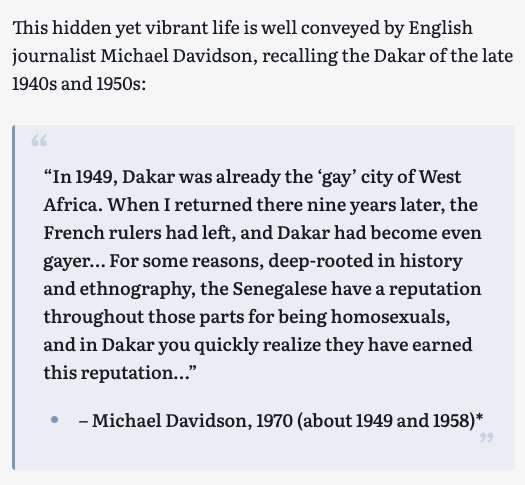
@hrw It is sad, because Senegal and its capital, Dakar, were once the gay capital of all West Africa in the 20th century. They have a rich LGBT history in that region: https://t.co/0ZW6uNULmW