🇺🇸 Happy Independence Day!
Before cable news, there were Saturday morning cartoons. "No More Kings" — Schoolhouse Rock's very first America Rock episode — taught a generation how we fired a king and built a free country.
Some lessons never get old. 🎆
#IndependenceDay#4thOfJuly
Happy Fourth of July! 🇺🇸
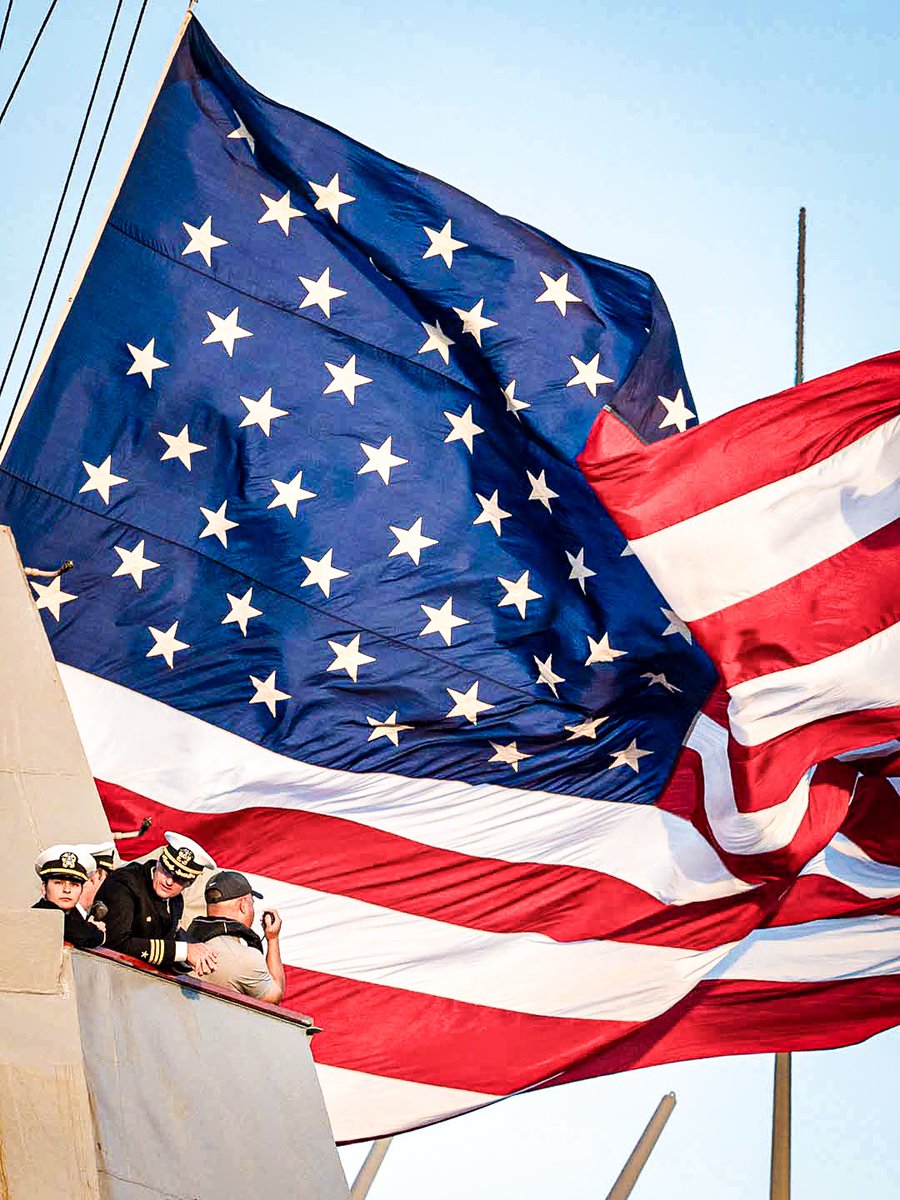
Enjoy the United States Navy Band’s live performance of “The Star-Spangled Banner” from the Great American State Fair as we celebrate Independence Day and our nation’s 250th birthday!
#FourthofJuly#America250#USNavy#Freedom250
Happy 250th Birthday America! 🎉 Tokyo is celebrating with you tonight with beautiful fireworks lighting up the bay and Rainbow Bridge plus Tokyo Tower glowing red white and blue!
It makes me so happy as a Japanese person to see this warm friendship. Real allies celebrate together like this.
God bless the USA and God bless Japan 🇺🇸🤝🇯🇵
Robin Williams’ emotional tribute to the American Flag leaves an entire stadium speechless — then in tears.
Is there a single Hollywood star who would give this performance today?
Total Patriot.
RIP Legend 🇺🇸
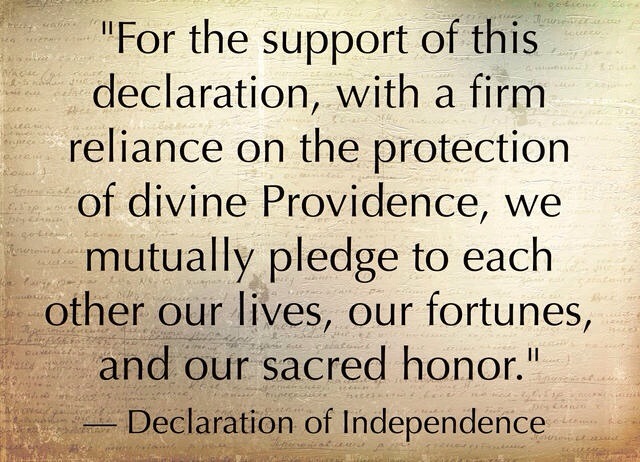
250 years ago today, men, average men, summoned to a major role in the history of the world, the world, agreed to make the following pledge.
May we honor their commitment by how we treat the country they created for us. #DeclarationOfIndependence#USA250#America250
#OnThisDay June 29, 1767, two of the Townshend Acts, the Revenue Act of 1767 and the Commissioners of Customs Act 1767, were enacted. The Revenue Act taxed glass, lead, paint, and tea, and the Commissioners of Customs Act created a board of customs commissioners who would enforce shipping regulations and raise tax revenue. https://t.co/GUHMCQUtiv
The Battle of Bunker Hill was fought #OnThisDay June 17, 1775, between British forces and American patriots. After it was leaked that the British were planning to attack the Americans on the heights north and south of Boston, a band of 1,000 soldiers from Massachusetts and Connecticut gathered to defend a hill in Charlestown mistakenly called “Bunker Hill.” The Americans were ultimately defeated, but the British suffered two times as many casualties and learned that the patriots could hold their own against them. https://t.co/GffbSmChj3
For 251 years, we have fought for and defended our Nation’s freedom. 🇺🇸
From Washington’s militias to today’s premier fighting force, the U.S. Army has adapted to stay ahead.
We’re just getting started.
🎥 @GoArmy
250 years ago today, a man stood up in a room full of nervous delegates and said the words that made America inevitable.
Not Thomas Jefferson. Not George Washington. Not Benjamin Franklin.
A Virginia planter named Richard Henry Lee.
It was June 7, 1776. The war had already been going for over a year. Men were dying. Cities were burning. And yet the Continental Congress still had not officially declared independence from Britain.
That morning, Lee rose and read aloud a resolution he had been instructed to deliver by Virginia:
"That these United Colonies are, and of right ought to be, free and independent States, that they are absolved from all allegiance to the British Crown, and that all political connection between them and the State of Great Britain is, and ought to be, totally dissolved."
John Adams immediately seconded it.
The room erupted.
The debate that followed was so heated that Congress had to table the vote entirely. New York, New Jersey, Pennsylvania, Delaware, Maryland, and South Carolina were not ready. Their delegates had not been authorized to vote for independence. Some feared it was too soon. Some feared it was treason.
So Congress bought time. They postponed the vote for three weeks and quietly appointed a committee to draft a formal declaration, just in case the resolution passed.
That committee included Adams, Benjamin Franklin, Roger Sherman, Robert Livingston, and a soft-spoken 33-year-old Virginia lawyer known for his elegant writing.
Thomas Jefferson.
Jefferson wrote the Declaration. It was adopted July 4. The world celebrated.
And Richard Henry Lee, the man whose words started everything, whose resolution is the reason any of this happened?
He had already gone home to Virginia. He missed the signing entirely.
Jefferson is immortalized. Lee is a footnote.
History is funny that way.
Dan Taylor reads the original proclamation issued by the Continental Congress 250 years ago:
"In times of impending calamity and distress; when the liberties of America are imminently endangered by the secret machinations and open assaults of an insidious and vindictive administration, it becomes the indispensable duty of these hitherto free and happy colonies, with true penitence of heart, and the most reverent devotion, publicly to acknowledge the over ruling providence of God; to confess and deplore our offences against him; and to supplicate his interposition for averting the threatened danger, and prospering our strenuous efforts in the cause of freedom, virtue, and posterity.
The Congress, therefore, considering the warlike preparations of the British Ministry to subvert our invaluable rights and privileges, and to reduce us by fire and sword, by the savages of the wilderness, and our own domestics, to the most abject and ignominious bondage: Desirous, at the same time, to have people of all ranks and degrees duly impressed with a solemn sense of God’s superintending providence, and of their duty, devoutly to rely, in all their lawful enterprises, on his aid and direction, Do earnestly recommend, that Friday, the Seventeenth day of May next, be observed by the said colonies as a day of humiliation, fasting, and prayer; that we may, with united hearts, confess and bewail our manifold sins and transgressions, and, by a sincere repentance and amendment of life, appease his righteous displeasure, and, through the merits and mediation of Jesus Christ, obtain his pardon and forgiveness; humbly imploring his assistance to frustrate the cruel purposes of our unnatural enemies; and by inclining their hearts to justice and benevolence, prevent the further effusion of kindred blood.
But if, continuing deaf to the voice of reason and humanity, and inflexibly bent, on desolation and war, they constrain us to repel their hostile invasions by open resistance, that it may please the Lord of Hosts, the God of Armies, to animate our officers and soldiers with invincible fortitude, to guard and protect them in the day of battle, and to crown the continental arms, by sea and land, with victory and success. Earnestly beseeching him to bless our civil rulers, and the representatives of the people, in their several assemblies and conventions; to preserve and strengthen their union, to inspire them with an ardent, disinterested love of their country; to give wisdom and stability to their counsels; and direct them to the most efficacious measures for establishing the rights of America on the most honorable and permanent basis–That he would be graciously pleased to bless all his people in these colonies with health and plenty, and grant that a spirit of incorruptible patriotism, and of pure undefiled religion, may universally prevail; and this continent be speedily restored to the blessings of peace and liberty, and enabled to transmit them inviolate to the latest posterity. And it is recommended to Christians of all denominations, to assemble for public worship, and abstain from servile labor on the said day."
Everyone knows John Hancock for his iconic signature, but how did the Massachusetts native become the President of the Continental Congress and the first to place that signature on the Declaration of Independence? #OurStoryContinues
Explore Hancock’s story: https://t.co/YCc2cjszfk
Week of March 16, 1776:
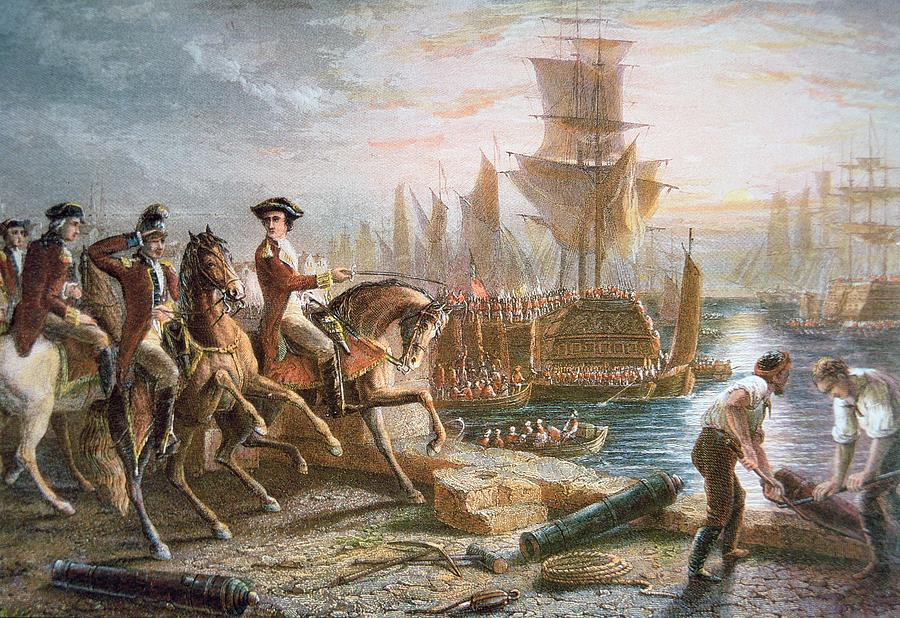
**In Boston, as the British depart, Continental Army troops enter the city.
**In Philadelphia, delegates finalize a diplomatic mission to convince Canadians to support the revolution.
**In Cambridge, Washington prepares to lead New York City's defense.
The following is an installment of “On This Day,” a new series celebrating America’s 250th anniversary by following the actions of Gen. George Washington, the Continental Congress, and the men and women whose bravery and sacrifice led up to the signing of the Declaration of Independence. | @ZitoSalena
Read a related story here: https://t.co/f77zNBVYtz