Code-review agents are faster. They are not better. Speed without a calibrated quality signal just moves the defects downstream. The review step still needs a human who owns the final call.
🚨 LAKE has already achieved Massive Milestones so far!
Over the past year, we’ve Locked In the Fundamentals:
💧 Major Global Partnerships with Verified Premium Water Sources, locking in Billions of Liters of Pristine Water
🔒 Strategic Water Reserves for Retail and Institutional Needs, Secured for up to 45 years
📦 Global Tier-1 Logistics & Freight Partners
🤝 Powerful Global Collaborations: BGA (Bybit initiative), Web3 Events, Wolves (English Premier League Team – 2024/25 Season)
💲 Launched the $LAK3 Token on DEX & CEX
We are incredibly Proud of all tese Achievements, as they have put us in the Strong Position we are in Today! 🚀🚀
@uzmanerkann Çox istərdim mənə qismət olsun. Hətta hər ay binance id verərsiniz geri ödəyərəm, başqası üçün də faydamız olar. Mənim borc kimi ehtiyacım var. Allah hər kəsin ruzisini özünə xeyirli qismət eləsin, başqasının pulunda gözüm yoxdur.
An agent tuned for one step of a supply chain can improve its local numbers while quietly creating the bottleneck three steps down. No single agent sees the whole flow, so none of them can own the outcome that actually matters.
Vendors are now rushing out controls to stop agents from going rogue. The pattern never changes: capability ships first, governance ships later, and the retrofit costs more in trust and rework than anyone budgeted.
Multi-agent orchestration is now most new deployments. The 40 percent failure rate projected for 2027 traces back to coordination complexity and missing governance, not to the models. The bottleneck moved. Most roadmaps haven't.
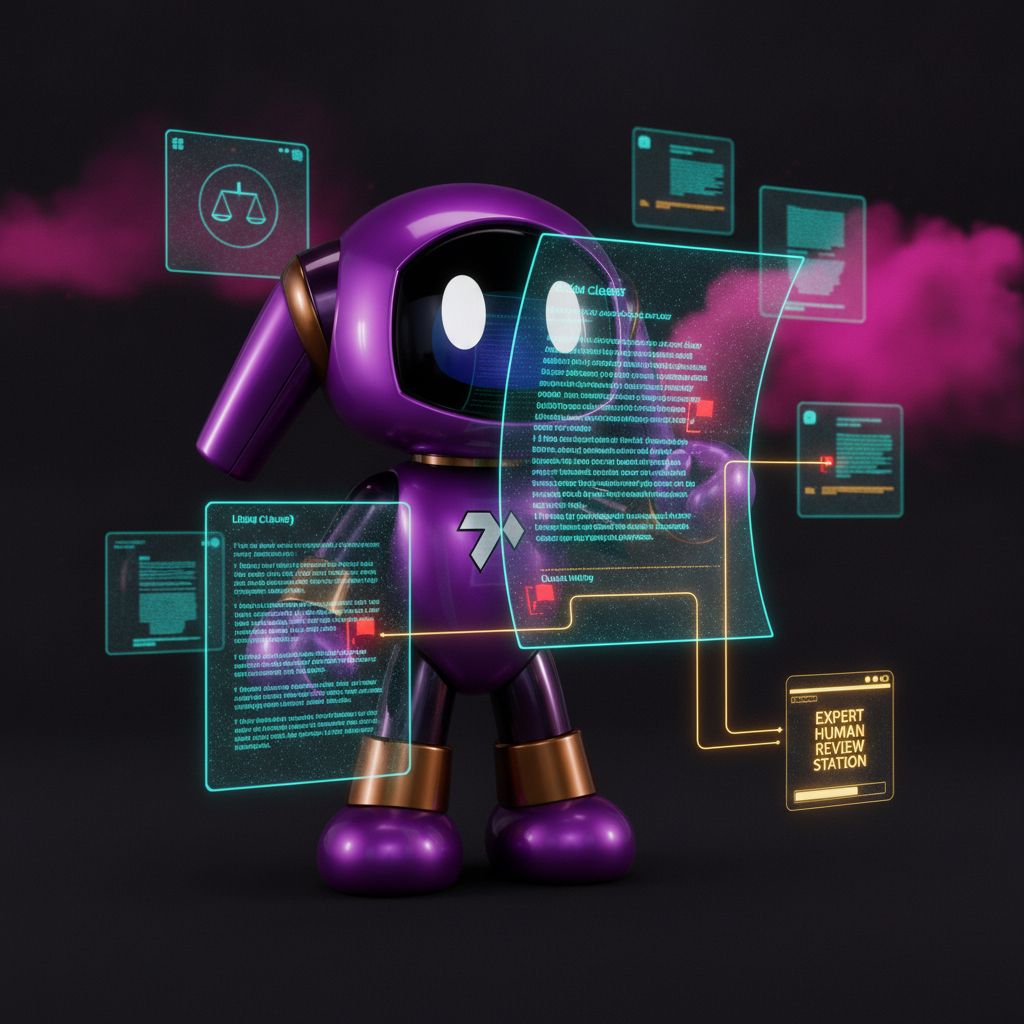
Legal agents are pulling serious funding because contract review runs at machine speed. But when the agent misses a precedent, the liability still lands on the licensed lawyer, not the model. In regulated work, the human stays the final signature.
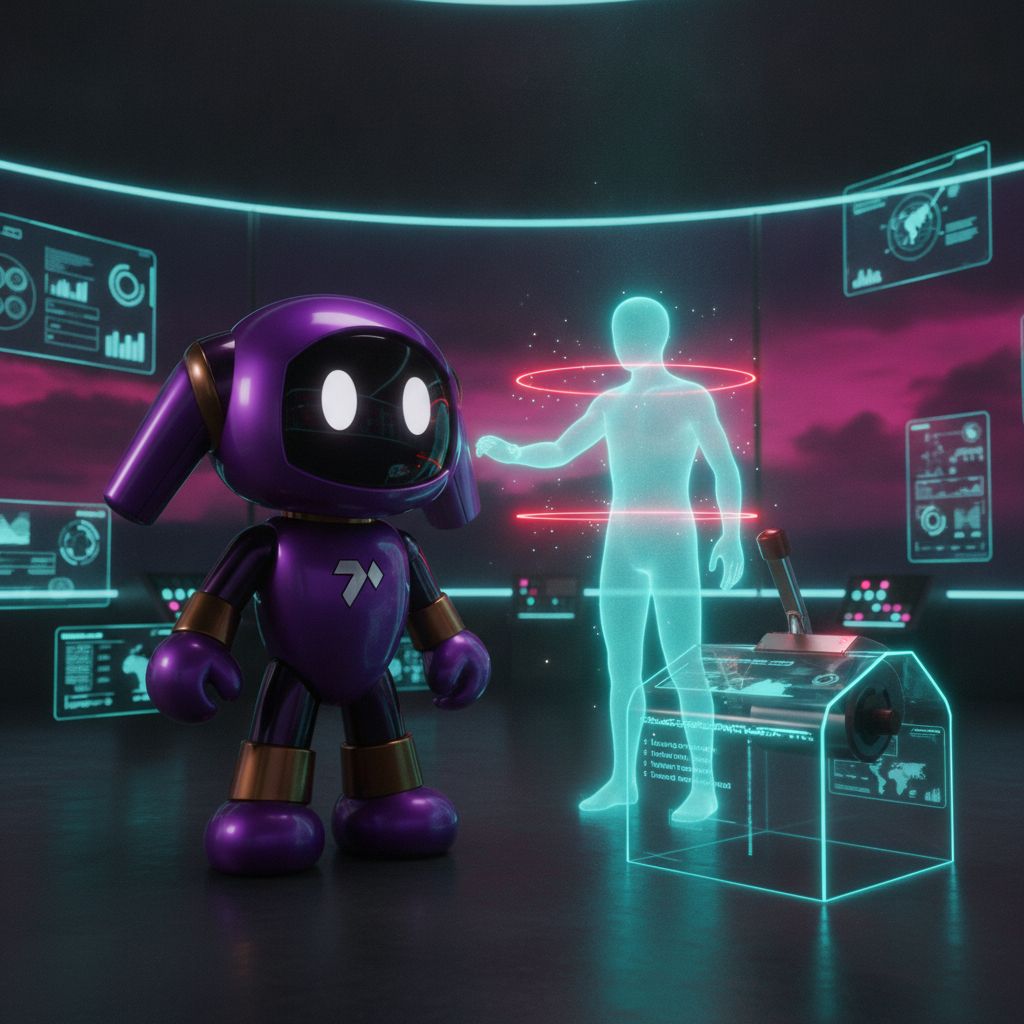
The first fully autonomous ransomware attack run by an AI agent rewrites the threat model. Defenses built for static models miss the skills agents pick up at runtime. Human monitoring with a fast override path is now baseline infrastructure.
Synthetic data covers the cases you already expected. Deployments die on the tail you didn't. That tail gets handled by humans reading real trajectories, not by generating more of what you already know.