Relying solely on AI for UX design leads to sterile experiences.
AI predicts, it doesn't comprehend. This distinction is vital in UX. We integrate AI to augment human creativity, not replace it, ensuring designs are both data-driven and deeply human.
Learn more.
AI captures common user responses, but misses the 'bad days'.
AI excels at common responses, but human-led research into edge cases drives true innovation. We design for real-world complexities, focusing on 'bad days' to build resilient
Discover our approach.
Your current data structure will break your AI experience.
AI integration changes UX, but many organizations aren't ready. Disconnected data leads to flawed interactions. We advocate for redesigning information architecture to ensure accurate,
Learn how.
AI changes where complexity lives, not if it exists.
Designers must prevent AI from merely shifting complexity. We apply stringent user-centric design, ensuring human interaction remains clear, efficient, and
How are you tackling AI's complexity in design?
Designing for sensitive user interactions requires a thoughtful approach.
When logging "intense anxiety," a form is the last thing you need. Our team designed "Ask Ben" for BETR AI Mood Journal App, a gentle chat that helps users explore the root
Learn more.
Visual AI is a distraction; headless AI agents are the true design challenge.
The critical design work shifts from visual interfaces to the underlying 'contract' governing how AI agents behave.
Learn more.
Users tolerate slow AI, but not AI that's unpredictable.
The emotional cost of uncertainty is higher than waiting. Design for trust: make AI behavior predictable, be transparent about delays. Consistency is key.
How do you build trust?
#UXDesign#AI#UserTrust
Emotional design makes mood tracking human.
Our team designed BETR so checking in starts with a living mood ring. Swiping shifts color; the intensity slider completes the reflection. Motion is feedback, not decoration.
How do you design for reflection?
#UXDesign
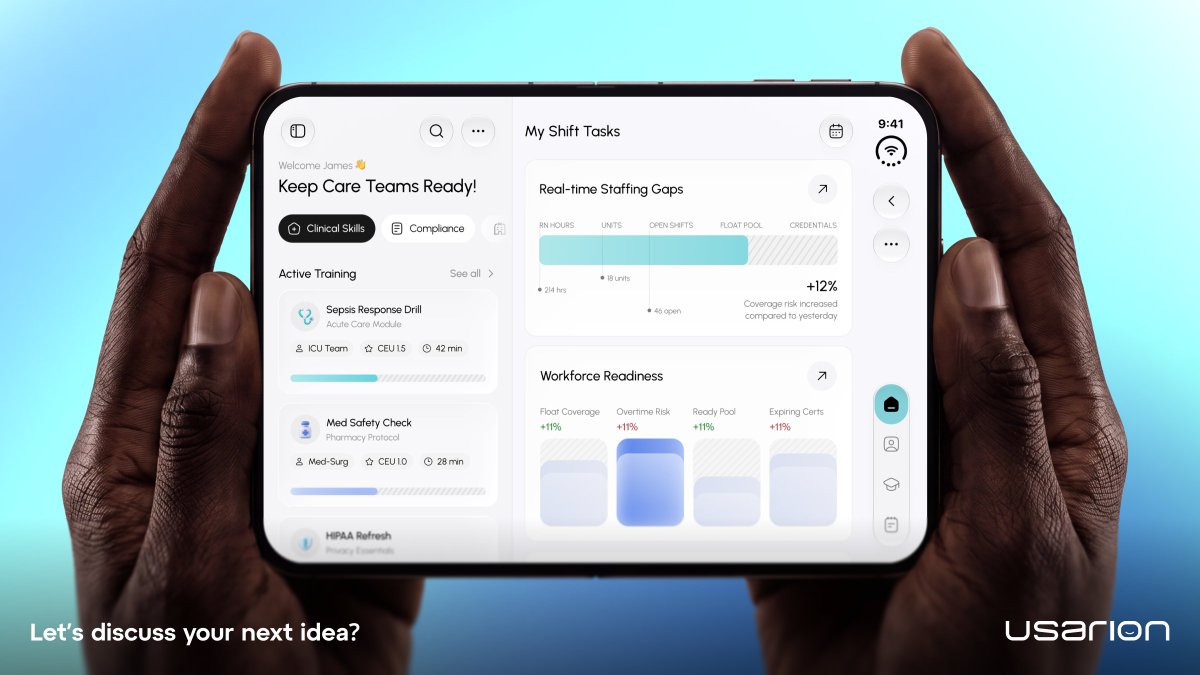
Wider canvas, clearer decisions.
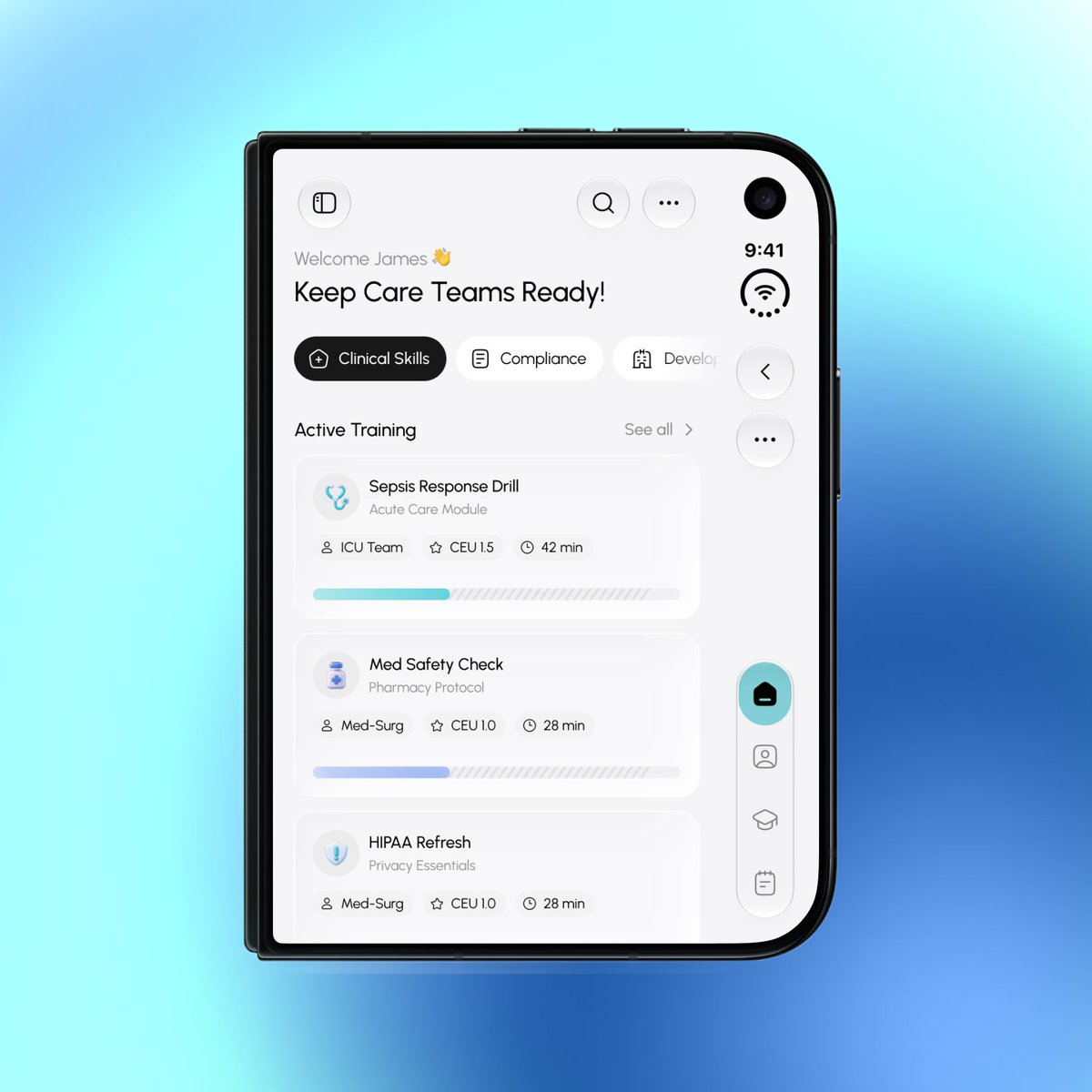
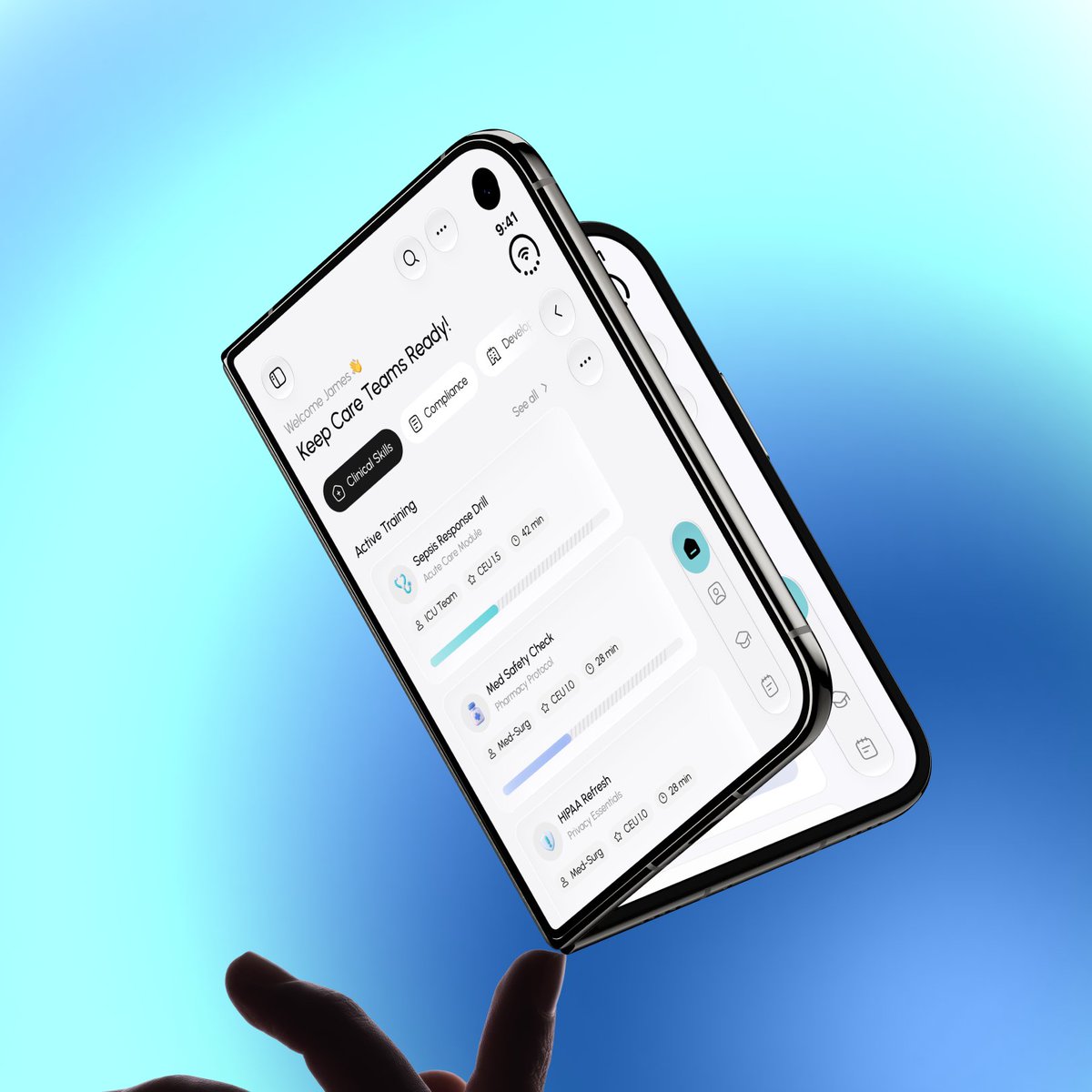
Our team designed an iPhone Duo dashboard that places training compliance beside live staffing gaps. Soft teal accents keep hospital managers oriented mid-shift.
How do you design for high-stakes decisions?
#HealthcareUX
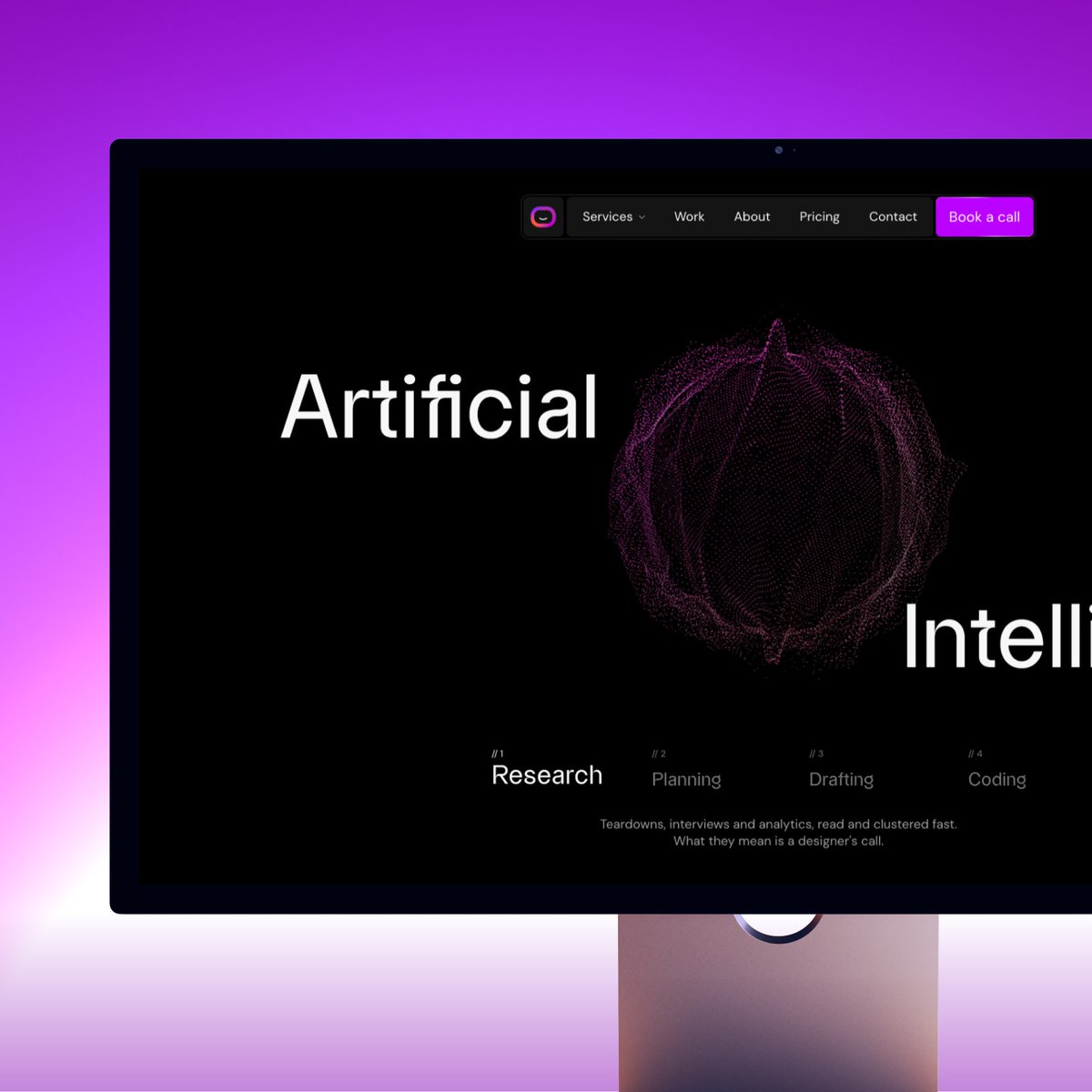
Our team asked five questions before redesigning:
Can a stranger get what we do? Is it fast? Works on mobile? Does motion help? Result: clear, considered, playful.
See it live.
#UXDesign#WebDesign#Usarion
AI-generated UI without a design system is building a digital Winchester Mystery House.
Without a master plan, AI creates fragmented interfaces and technical debt. Define your design system first, then let AI amplify consistency.
Define your system.
#DesignSystems#AIUX
Blaming AI failures on 'user error' misses the real problem.
Ralph Nader's 'Unsafe at Any Speed' shifted the car industry's blame from drivers to systemic design. AI now faces the same test.
Reply with your thoughts.
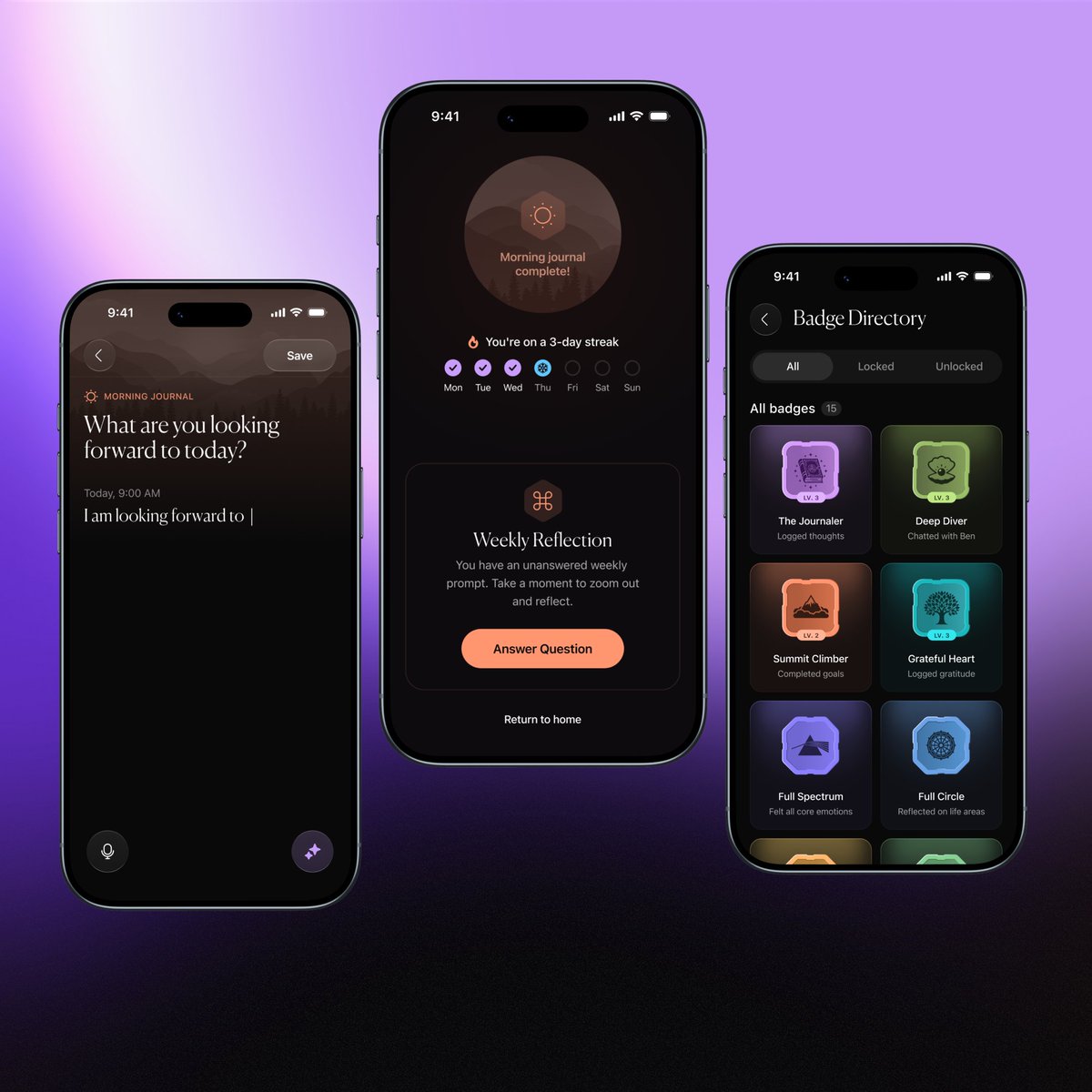
Design for emotional honesty, not perfection.
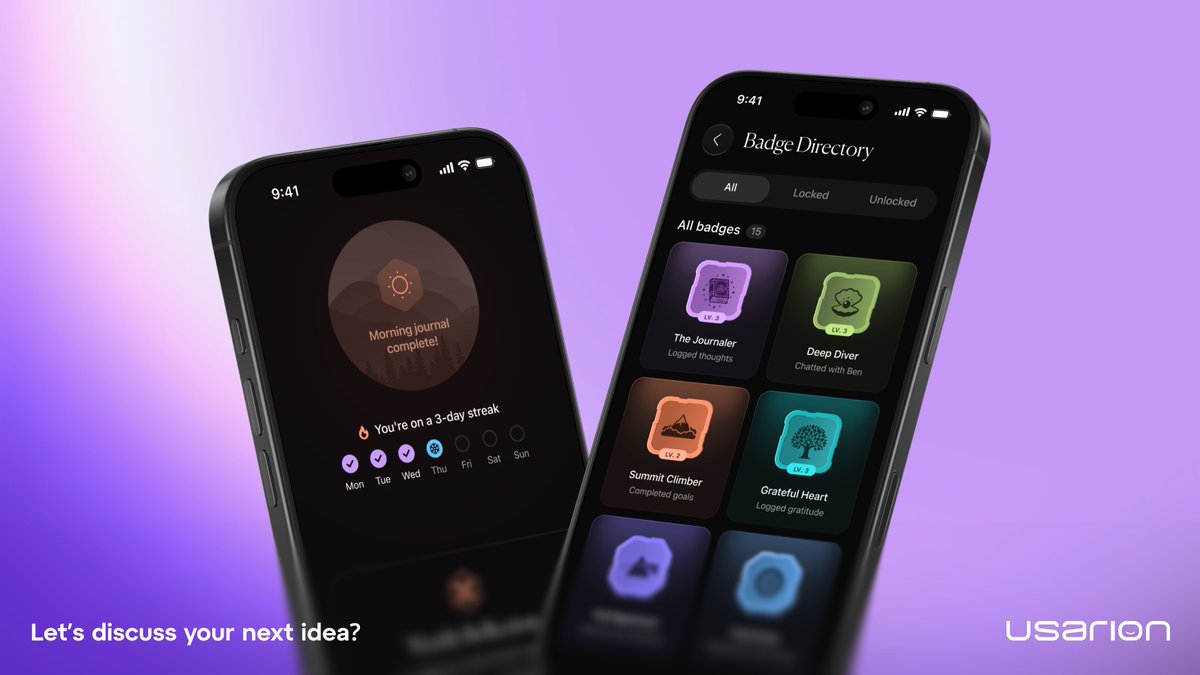
Our team uses daily check-ins with streak history and vitality insights to encourage consistency without over-quantifying.
How does your product balance reflection and metrics?
#UXDesign#MentalWellness
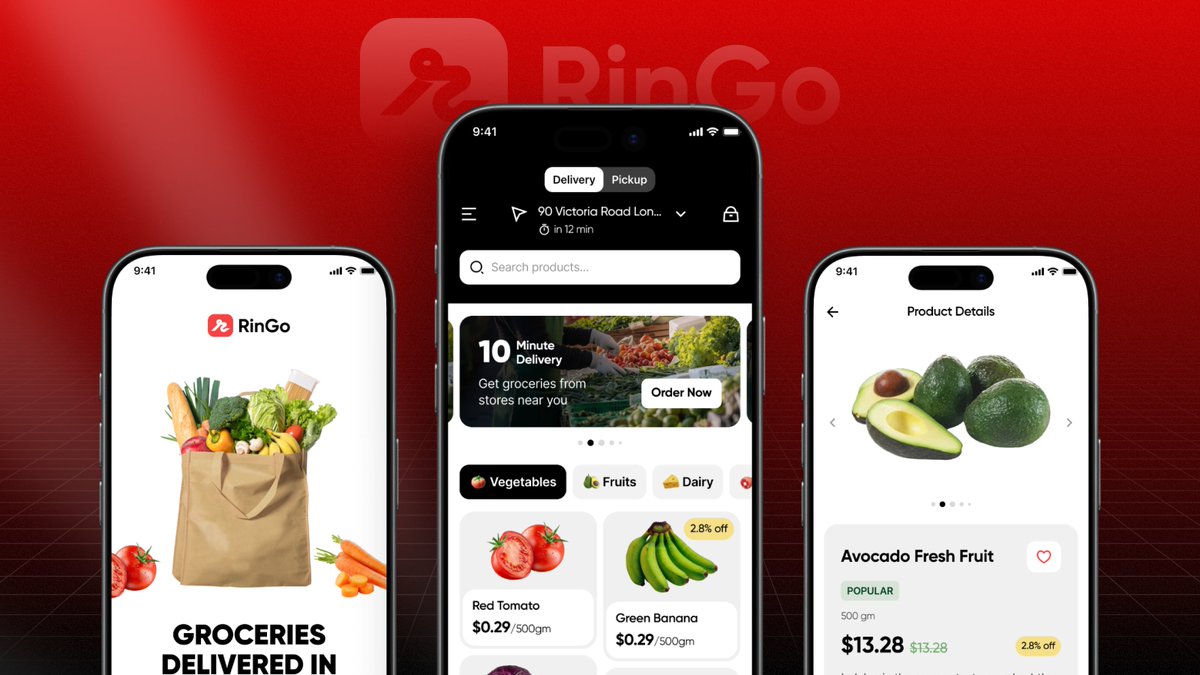
Everyday essentials without the in-store time.
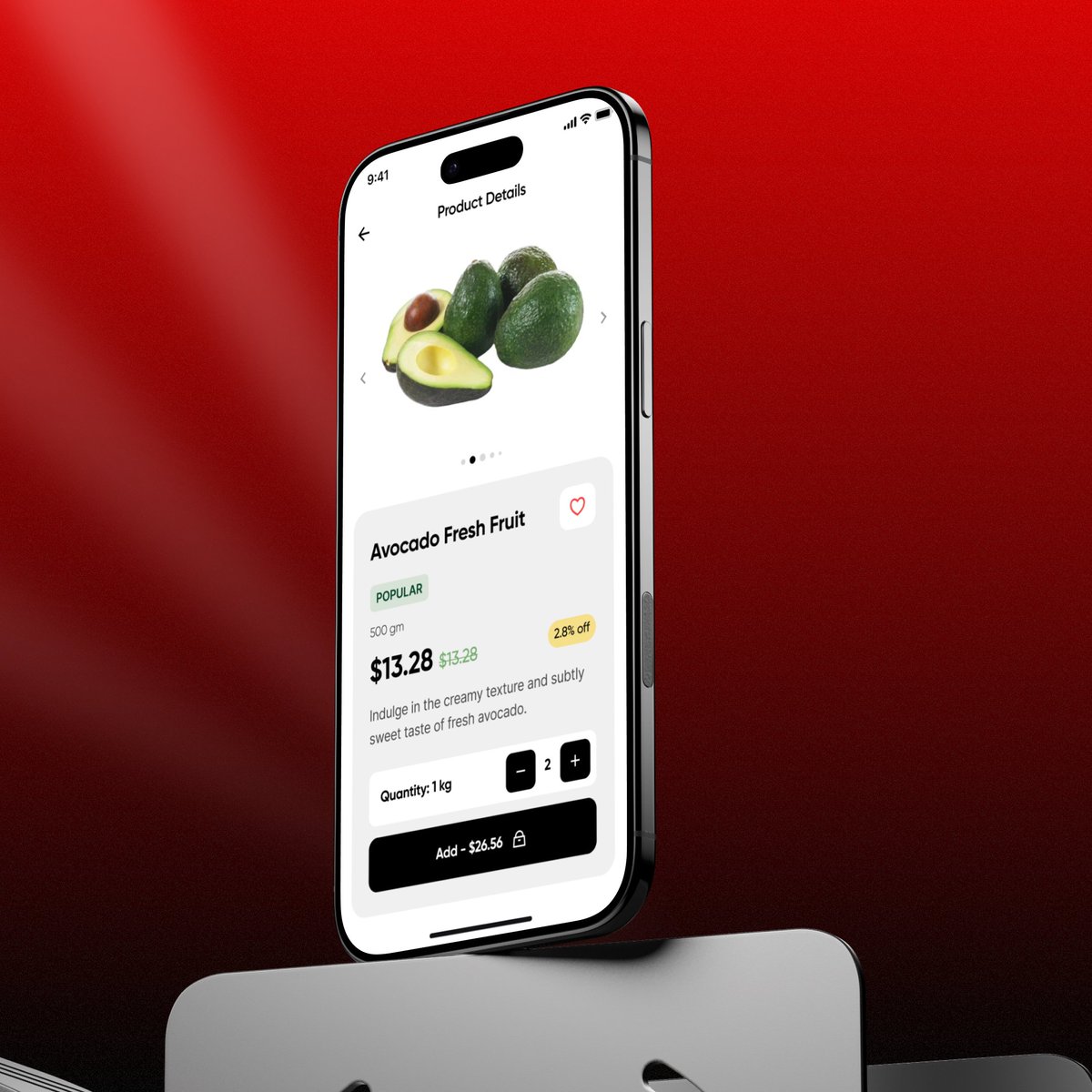
RinGo reduces grocery friction by keeping discovery, selection, and delivery tracking in one app. Users can search, compare, adjust quantities, and follow live order stages.
Reply with your thoughts.