Introducing Projects
Projects will serve as the root layer for organizing AI created artifacts, especially as we see users creating tens of folders, hundreds of artifacts and uploaded content.
All our existing agents & artifacts systems work seamlessly while giving you an extra layer of customization.
We're launching scheduled tasks.
We see this most useful for researchers. You can now schedule research work ahead of time.
We'll send you an email when your task is completed.
We're experimenting with exposing our core agentic loop within projects.
This is still early, but we expect users to create custom agents and let them perform tasks based on certain schedules and custom content.
Introducing Projects
Projects will serve as the root layer for organizing AI created artifacts, especially as we see users creating tens of folders, hundreds of artifacts and uploaded content.
All our existing agents & artifacts systems work seamlessly while giving you an extra layer of customization.
Grok 4.6 & Gemini 3.7 flash are available on Scholarly for premium & laurate users.
Grok 4.6 in particular is quite good at making PDFs and is much more proactive in fixing mistakes as compared to Grok 4.5.
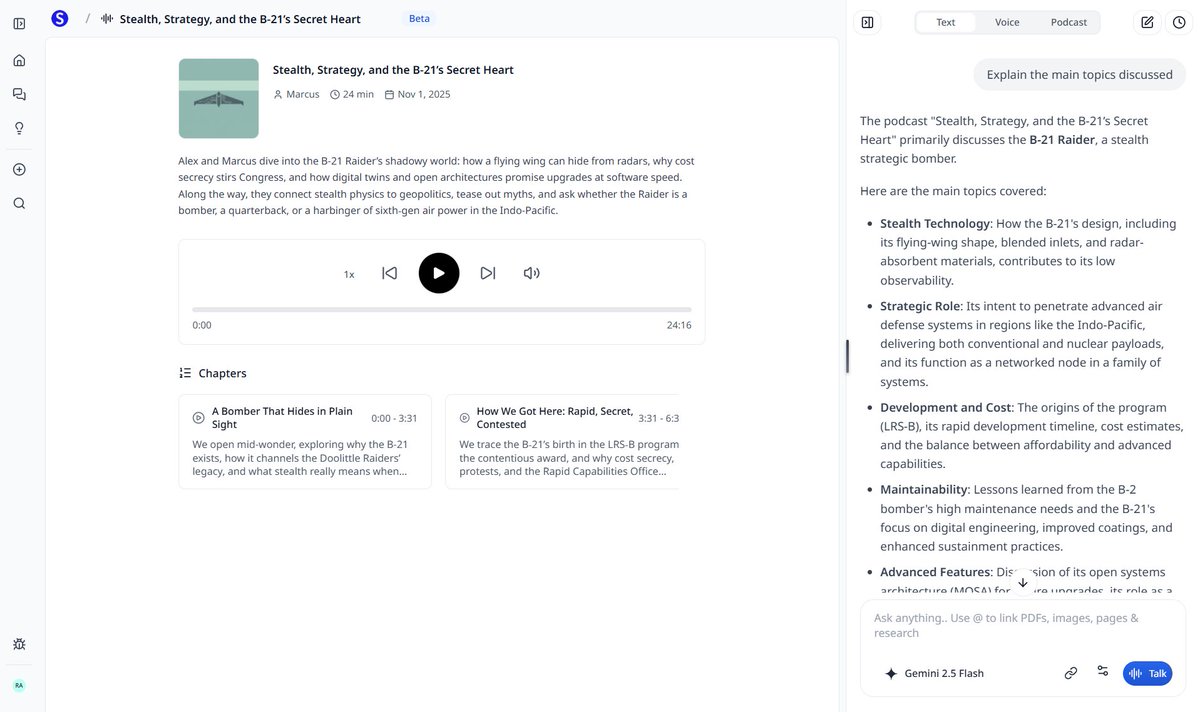
Your notes can now become a podcast w/ chapter visuals and questions on Scholarly.
Use a PDF, YouTube video, website, recording or notes. Every chapter gets a slide and questions can appear while you listen.
Watch it: https://t.co/LjtDAP2iI3
Your notes can now become a full video lecture on Scholarly.
Upload a PDF, notes or YouTube video. Scholarly writes the narration, builds the scenes and renders the final video.
This one explains compound interest.
Watch it: https://t.co/1MNVB9qDyf
Some really awesome vids generated on @usescholarly w/ new themes. Short video was something I've been working on for a few weeks. Took a lot of inspiration from NotebookLM + other short video creators + a lot of A/B testing on what users liked.
A lot of these are really fun to use and a lot of users love it.
We've launched a new Teams feature. Now, teams can collaborate and use Scholarly and the various AI agents and features, with the best models.
Team plans start at $45/mo with a 3-seat minimum. Each user receives credits to use the best models with all our features. Credits are replenished weekly.
It's just the start and we're making major strides towards making the platform feel amazing for larger workforces.
Mistral models are now live on Scholarly. (@MistralAI)
They've live on chat, and flashcards. We're slowly rolling them out for more products as we benchmark them against other models.
Try it out now!
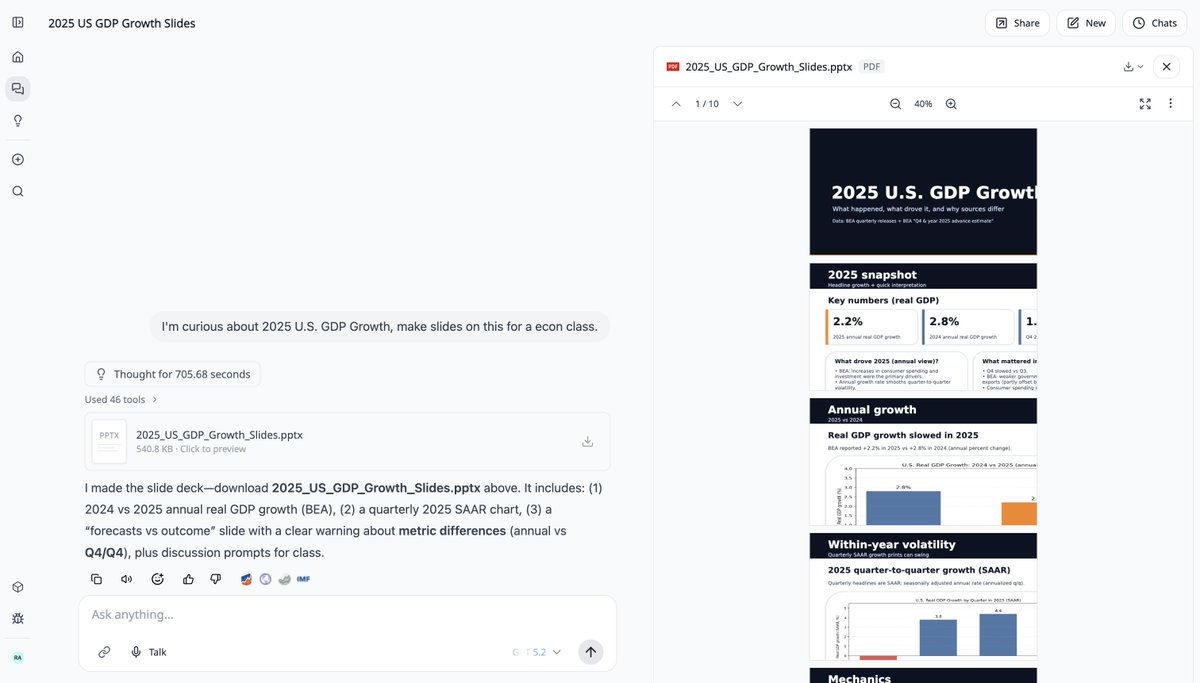
Scholarly now supports text file uploads.
Files you create through chat, research, and other features can be saved straight to your library, including videos, flashcards, and more.
It's first-class support, and the whole experience feels faster and smoother. Try it out!
Mistral models are now live on Scholarly. (@MistralAI)
They've live on chat, and flashcards. We're slowly rolling them out for more products as we benchmark them against other models.
Try it out now!
working on adding @MistralAI models to @usescholarly.
We already support the 4 big U.S. labs, and also have some open source chinese models for code/agent related tasks so let's see how these models are.
Scholarly now supports text file uploads.
Files you create through chat, research, and other features can be saved straight to your library, including videos, flashcards, and more.
It's first-class support, and the whole experience feels faster and smoother. Try it out!
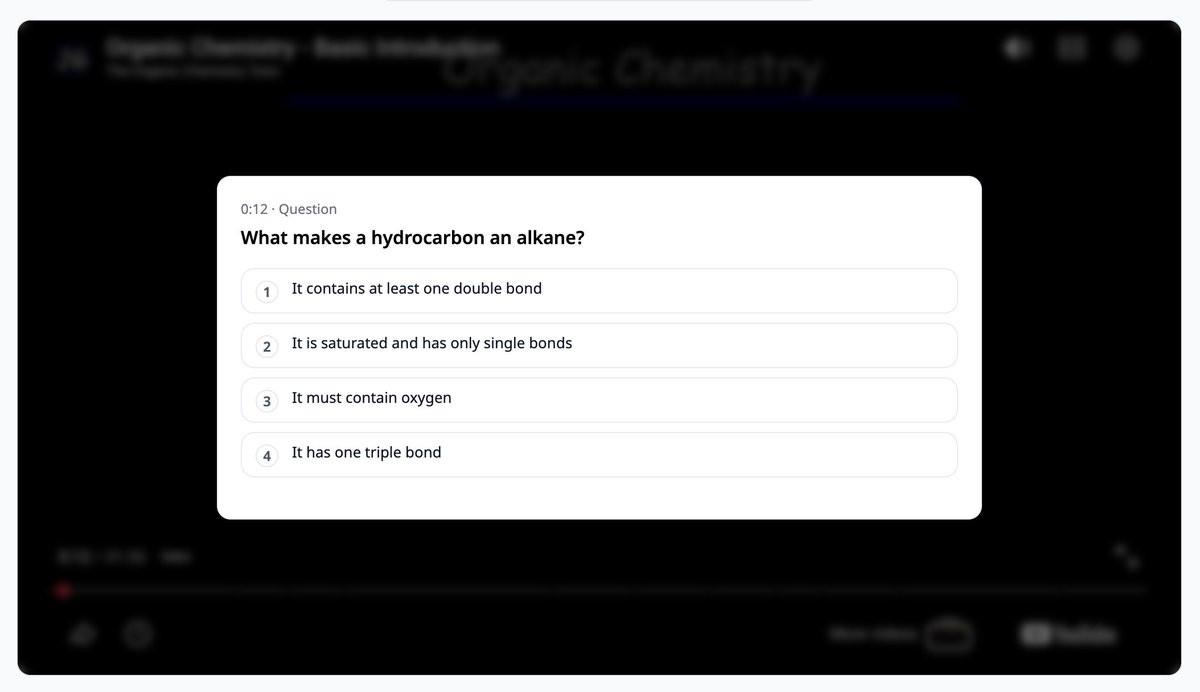
A new video learning experience is now live on Scholarly.
Automatic learning checkpoints within videos.
We now create multiple choice questions that appear after important information/learning moments.
A new video learning experience is now live on Scholarly.
Automatic learning checkpoints within videos.
We now create multiple choice questions that appear after important information/learning moments.
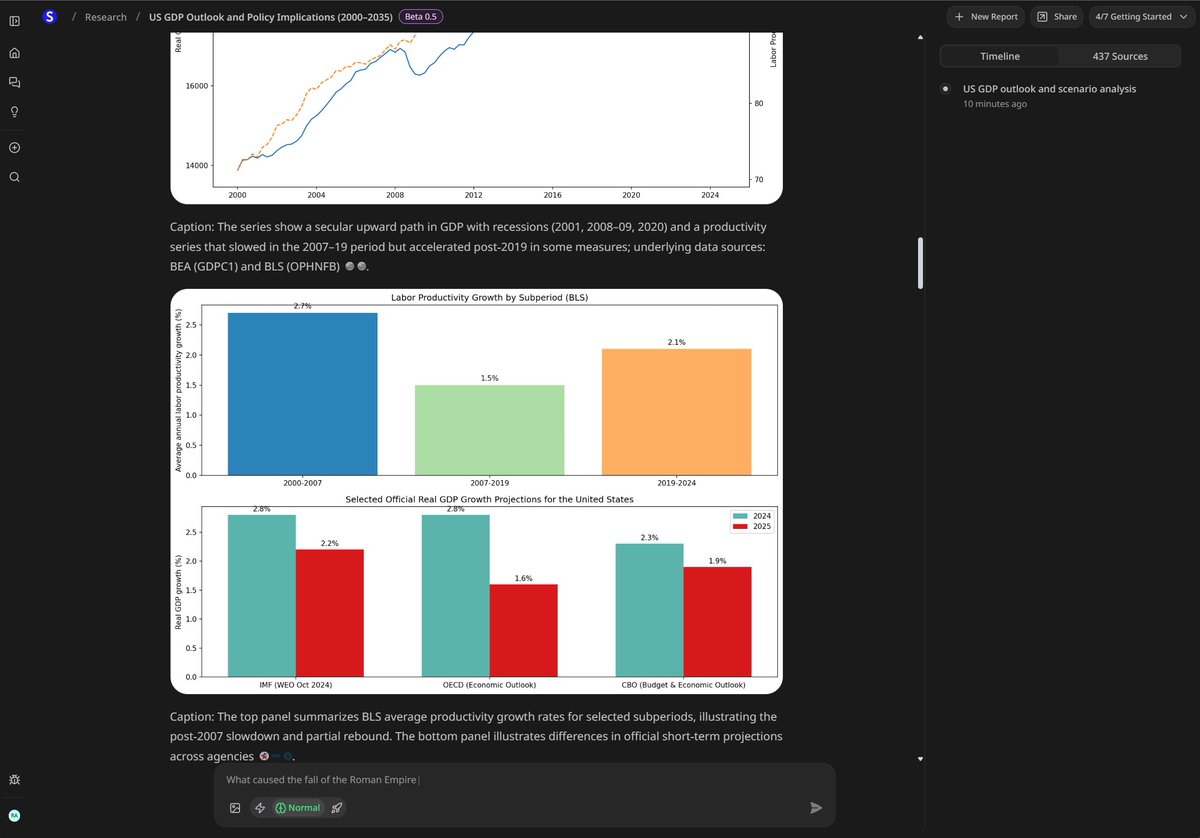
We just released Research v0.5.
It's a complete rewrite of the feature, allowing for some interesting updates.
Some improvements include:
- more tools
- better coherence over complex queries, longer time horizons
and most importantly, it runs in the background so you can refresh or leave the page.