Pages of the Glorious Qur’ān today, Friday 4/9/26, Sūrah al-Ambiyā' (21): 82-101, tafakkur verse 21: 92
Theme: The Ummah of Islam is One, no one seeks to break it and ensure it never unites except Shaytan
إِنَّ هَـٰذِهِۦۤ أُمَّتُكُمۡ أُمَّةࣰ وَ ٰحِدَةࣰ وَأَنَا۠ رَبُّكُمۡ فَٱعۡبُدُونِ
“Indeed, this community of yours is one community, and I am your Lord, so worship Me.”
LESSONS:
1. The foundation of the Muslim Ummah is unity. Our differences in race, language, nationality, culture, school of thought, or legitimate scholarly opinion should not destroy the brotherhood established by Allah.
2. Our greatest bond is the worship of Allah. Personalities, groups, organisations, tribes and movements must never become more important than our common submission to Allah.
3. Unity does not require absolute uniformity. Muslims may legitimately differ on subsidiary matters while remaining one Ummah. Not every disagreement should become a reason for hostility, insults or division.
4. Sectarian fanaticism contradicts the spirit of this verse. When loyalty to a group becomes stronger than loyalty to truth, justice and Muslim brotherhood, something has gone wrong.
5. Worship should bring us together, not make us arrogant. The more sincerely we worship Allah, the more we should develop humility, mercy, justice and concern for one another.
O Allah, unite our hearts upon truth, remove hatred, envy and destructive fanaticism from among us, make our differences a source of learning rather than hostility, and make us sincere servants who worship You alone. Āmīn.
Allahumma maghfiratuka awsa’u min dhunubi, wa rahmatuka arja ‘indi min ‘amali
O Allah! Your forgiveness is vaster than my sins, and I am more hopeful of Your mercy than my good deeds
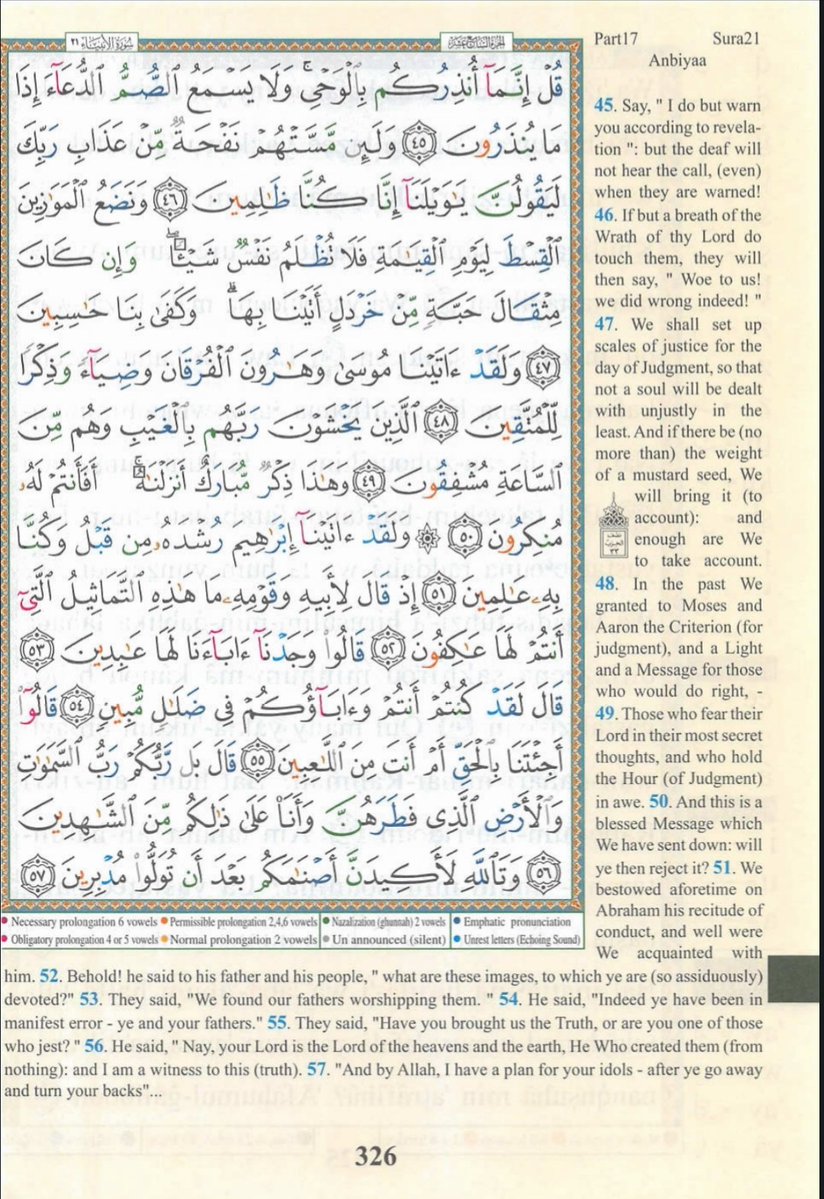
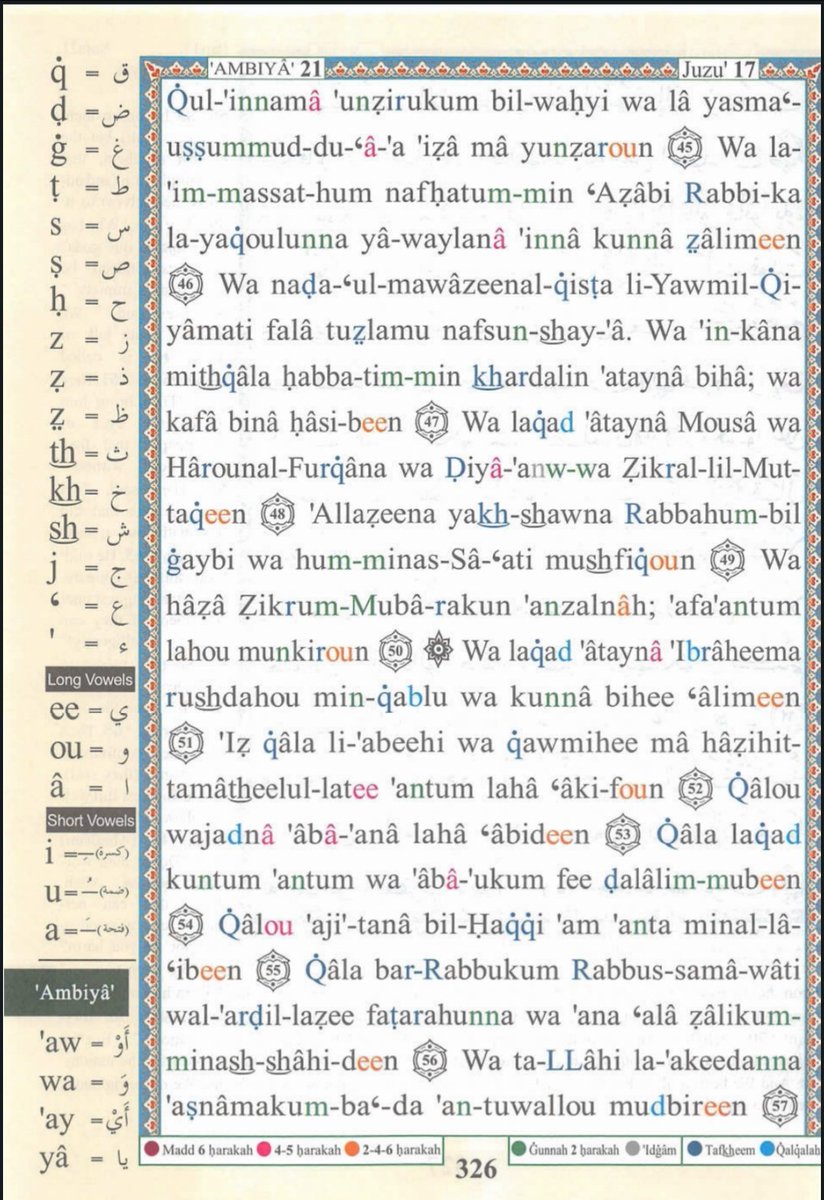
Pages of the Glorious Qur’ān today, Wednesday 2/9/26, Sūrah al-Ambiyā' (21): 36-57, tafakkur verse 21: 52-53
Theme: Truth Is Not Determined by Ancestral Tradition
إِذۡ قَالَ لِأَبِیهِ وَقَوۡمِهِۦ مَا هَـٰذِهِ ٱلتَّمَاثِیلُ ٱلَّتِیۤ أَنتُمۡ لَهَا عَـٰكِفُونَ قَالُوا۟ وَجَدۡنَاۤ ءَابَاۤءَنَا لَهَا عَـٰبِدِینَ
“When he said to his father and his people, ‘What are these statues to which you are so devoted?’ They replied, ‘We found our forefathers worshipping them.’”
LESSONS:
1. Islam teaches us to question inherited beliefs: Prophet Ibrāhīm عليه السلام did not accept the religious practices of his society merely because they were ancient or widely accepted. He subjected them to the test of truth.
2. “Our forefathers did it” is not sufficient evidence: The people could not provide a rational or revealed justification for their worship. Their defence was simply that they inherited it from their ancestors. Islam respects parents and cultural heritage, but neither is infallible.
3. Culture must be evaluated by revelation: Not everything inherited from our people is wrong, and not everything inherited is right. A Muslim may preserve customs that are compatible with Islam while abandoning those that contradict Tawḥīd and the commands of Allah.
4. Popularity and antiquity do not make falsehood true: A practice may have existed for centuries and may be followed by an entire community, yet still be mistaken. Truth is established by evidence, not by numbers, age, or social acceptance.
5. Reform sometimes begins by asking courageous questions: Ibrāhīm عليه السلام challenged his people intellectually before taking further action. His question, “What are these statues?”, invited them to think critically about something they had accepted without examination. Daʿwah should likewise awaken reflection rather than merely reproduce inherited assumptions.
اللَّهُمَّ أَرِنَا الْحَقَّ حَقًّا وَارْزُقْنَا اتِّبَاعَهُ، وَأَرِنَا الْبَاطِلَ بَاطِلًا وَارْزُقْنَا اجْتِنَابَهُ، وَثَبِّتْ قُلُوبَنَا عَلَى التَّوْحِيدِ وَالْهُدَى.
O Allah, show us the truth as truth and grant us the ability to follow it; show us falsehood as falsehood and grant us the ability to avoid it. Keep our hearts firm upon Tawḥīd and guidance. Āmīn.
Pages of the Glorious Qur’ān today, Monday 31/8/26, Sūrah Tāha (20): 126-135 and al-Ambiyā' (21): 1-10, tafakkur verse 20: 132
Theme: Build Your Home Around Ṣalāh and Trust Allah for Provision
وَأۡمُرۡ أَهۡلَكَ بِٱلصَّلَوٰةِ وَٱصۡطَبِرۡ عَلَیۡهَاۖ لَا نَسۡـَٔلُكَ رِزۡقࣰاۖ نَّحۡنُ نَرۡزُقُكَۗ وَٱلۡعَـٰقِبَةُ لِلتَّقۡوَىٰ
“Command your family to observe prayer, and be steadfast in maintaining it. We do not ask you to provide sustenance; We provide for you. And the ultimate outcome belongs to those of taqwā.”
LESSONS:
1. Our responsibility for Ṣalāh extends to our families: it is not enough for a Muslim to pray while remaining unconcerned about the prayer of the household. Parents and guardians must lovingly teach, encourage and establish Ṣalāh within the home.
2. Establishing Ṣalāh requires patience and consistency: Allah says, “and persist patiently in it.” Maintaining the five daily prayers throughout life requires discipline, especially amid work, business, travel and other demands.
3. Never sacrifice Ṣalāh in pursuit of livelihood: the connection between prayer and provision in this verse is profound. Immediately after commanding Ṣalāh, Allah says: “We provide for you.” Your work is a means; Allah is the Provider. Do not abandon the command of the Provider while pursuing the provision He controls.
4. A successful home is not measured by wealth alone: a family may have money, education and material comfort, yet something fundamental is missing when Ṣalāh has no place in the home. One of the greatest legacies parents can leave their children is a living relationship with Allah.
5. The ultimate measure of success is Taqwā: the best outcome belongs to the people of God-consciousness. Our worldly struggles should therefore never make us lose sight of what ultimately matters before Allah.
اللَّهُمَّ اجْعَلْنَا وَأَهْلَنَا مِنَ الْمُقِيمِينَ لِلصَّلَاةِ، وَارْزُقْنَا الصَّبْرَ وَالثَّبَاتَ عَلَيْهَا، وَبَارِكْ لَنَا فِي أَرْزَاقِنَا، وَاجْعَلْ عَاقِبَتَنَا خَيْرًا، وَاجْعَلْنَا مِنَ الْمُتَّقِينَ. آمِين.
O Allah, make us and our families among those who establish Ṣalāh. Grant us patience and steadfastness upon it, bless our provisions, grant us a good end, and make us among the people of Taqwā. Āmīn.
Parents, beyond doing the right things—such as providing proper Islamic, moral, and academic upbringing—pray for your children so that Allah may guide and protect them .