The U.S. Fish and Wildlife Service (USFWS) is dedicated to the conservation, protection, and enhancement of fish, wildlife, plants, and their habitats. 🐟🦆 🌱
The vast majority of nunulu breed and nest in the northwestern Hawaiian Islands, including Midway Atoll NWR; all of the islands are protected as part of the Papahānaumokuākea Marine National Monument.
USFWS volunteer video: Dan Rapp
Video description: Various rear views of black and white birds with heads obscured as they use their pinkish webbed feet to kick sand and soil backwards, with grasses growing all around.
It’s nest burrowing season right now for the nocturnal bonin petrel, or nunulu in Hawaiian, on Midway Atoll National Wildlife Refuge in the middle of the Pacific Ocean.
It isn’t always glamorous work, but the little seabird parents-to-be waste no time while on their bellies, loosening soil with their bills and kicking it backwards with their webbed feet.
Nunulu burrows on the refuge can be up to 10 feet long and are usually about 3.5 feet deep, just big enough to fit both parents.
Congratulations to retired Senior Special Agent Eric Holmes (third from left) on winning the Guy Bradley Award!
After 32 years with @USFWS Office of Law Enforcement, Holmes leaves a legacy that includes Operation Broken Glass — a 6-yr, 20-agency probe into illegal glass eel trade: $7M in exports seized, 22 convictions.
Thank you for protecting wildlife!
Meet the Oregon Chub! 👋🐟 Catch our latest episode later today and new episodes every Monday wherever you get your podcasts: https://t.co/2wVquS5xFX🎣
📷 Off-channel habitats are important to both Oregon Chub and Chinook Salmon. (Freshwaters Illustrated/used with permission)
By 1907, fewer than 1,000 bison remained in North America.
That year, the Bronx Zoo shipped 15 bison to Oklahoma's Wichita Mountains in one of the first bison reintroduction efforts — and it worked.
Their descendants still roam those grasslands today.
It's National Wildlife Refuge Week — visit one near you. 🦬
Video of a close up of bison bull bellowing by Nancy Corona: USFWS
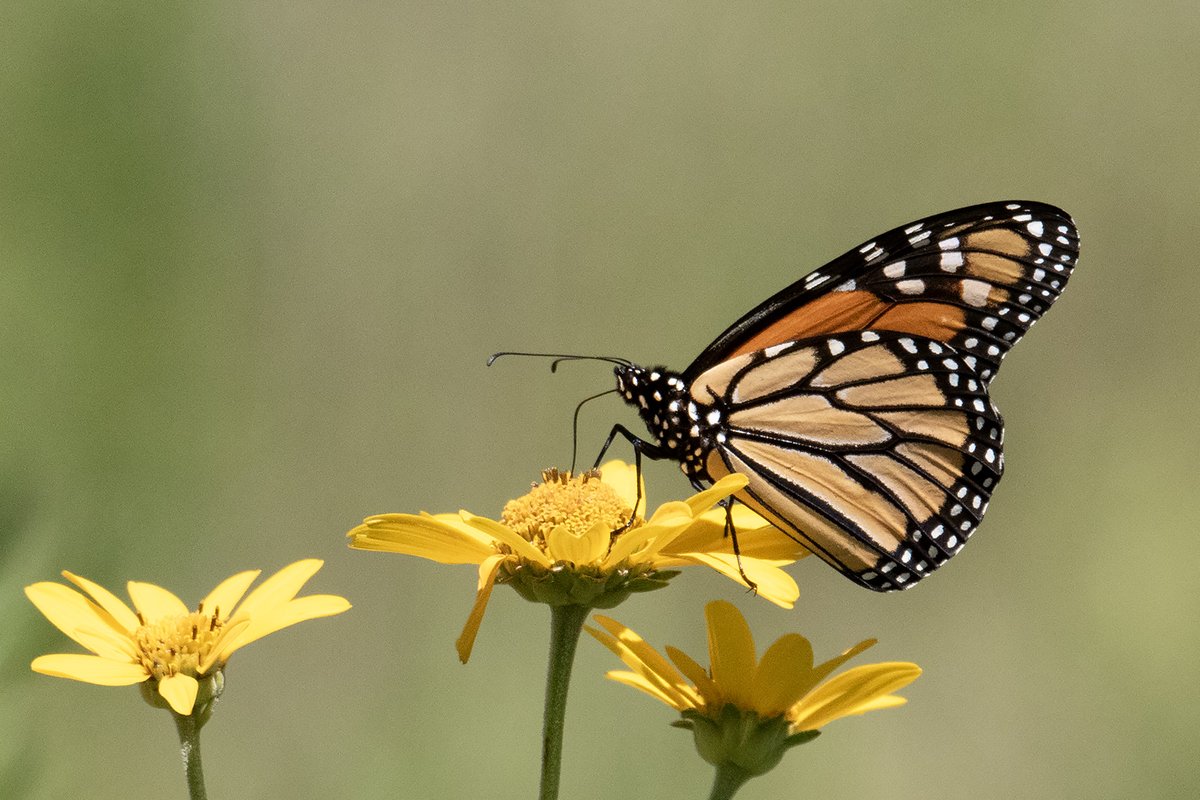
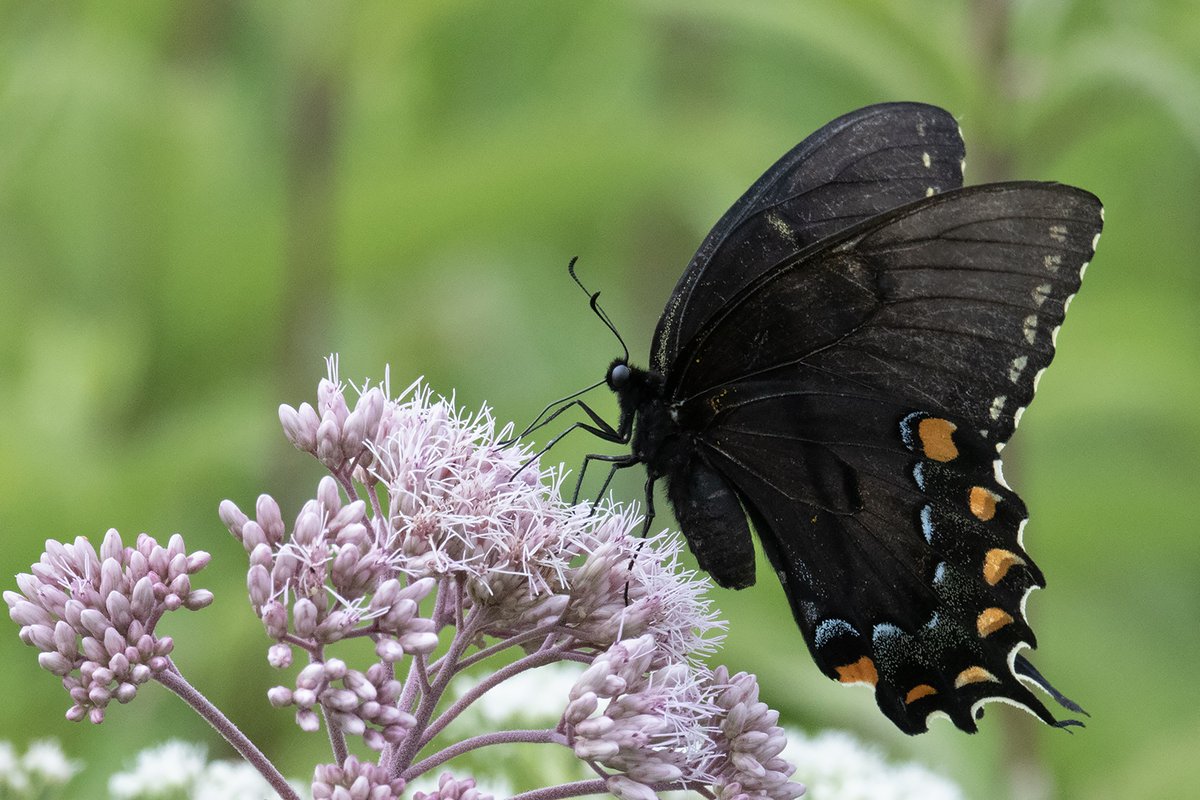
Small wings, big work. 🦋 Bees, butterflies, and hummingbirds keep the world blooming. National wildlife refuges give them the meadows and prairies they need. USFWS photo by Mike Budd
Did you know that hunting and fishing opportunities are available at many national wildlife refuges across the U.S.? That means family traditions, good food on the table and access to the outdoors on public lands across the country.
Hunters and anglers have always been conservationists at heart. Their contributions restore habitats, support wildlife and ensure future generations can experience the same outdoor traditions we love today.
Just in time for fall, @Interior announced the largest expansion of hunting and sport fishing opportunities in the history of the USFWS.
In total, the final rule will deliver 1,488 new hunting and sport fishing opportunities across 32 states. Read more about the new access to hunting and fishing: https://t.co/H2wS4o1muG
USFWS photo
National Wildlife Refuge Week, Oct. 10-17, is an invitation to explore your public land, slow down, look closely, and see the wildlife that calls it home.
There are more than 570 national wildlife refuges and 38 wetland management districts, with at least one refuge in every state and U.S. territory, and within an hour's drive of most major cities.
Refuges offer outdoor activities like fishing, wildlife viewing, photography, and hunting, while providing lands and waters for thousands of wildlife species, from sandhill cranes and American alligators to bison and sea turtles.
Find a refuge near you: https://t.co/LfPdsj8sHD
Video: Tandem Stills + Motion in partnership with the U.S. Fish and Wildlife Service; watch full video with closed-captioning and audio-described version: https://t.co/ny0kbU3R8M
Learn more and find a refuge near you: https://t.co/rL82I2G2Ue
USFWS video
Video description: Black-footed ferrets use their long, slender body to rapidly approach the stationary camera in the grass, then obscure the field of vision as they satiate their curiosity.
So close we can smell it!
National Wildlife Refuge Week starts this weekend, and that includes a fee-free day on Sunday, Oct. 11!
The National Wildlife Refuge System spans more than 570 refuges, including at least one in every state and one within an hour of most major cities.
Consider getting outside and treating yourself to the nation’s premier network of public lands dedicated to wildlife conservation!
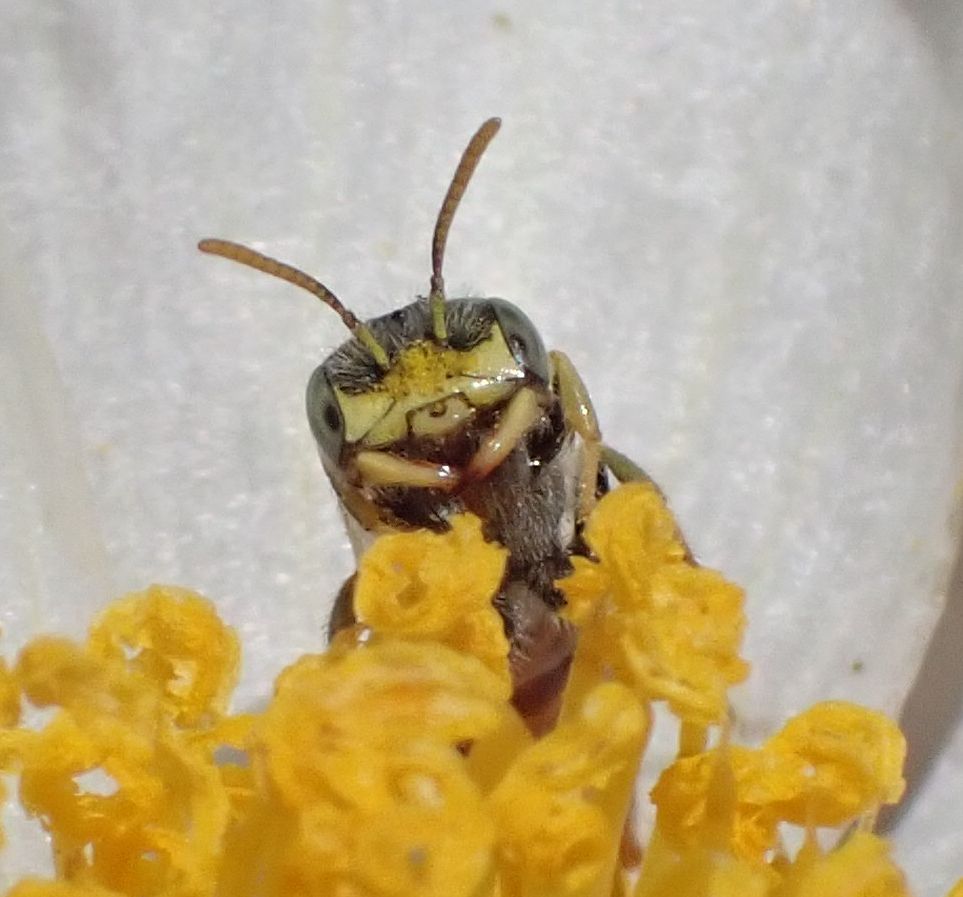
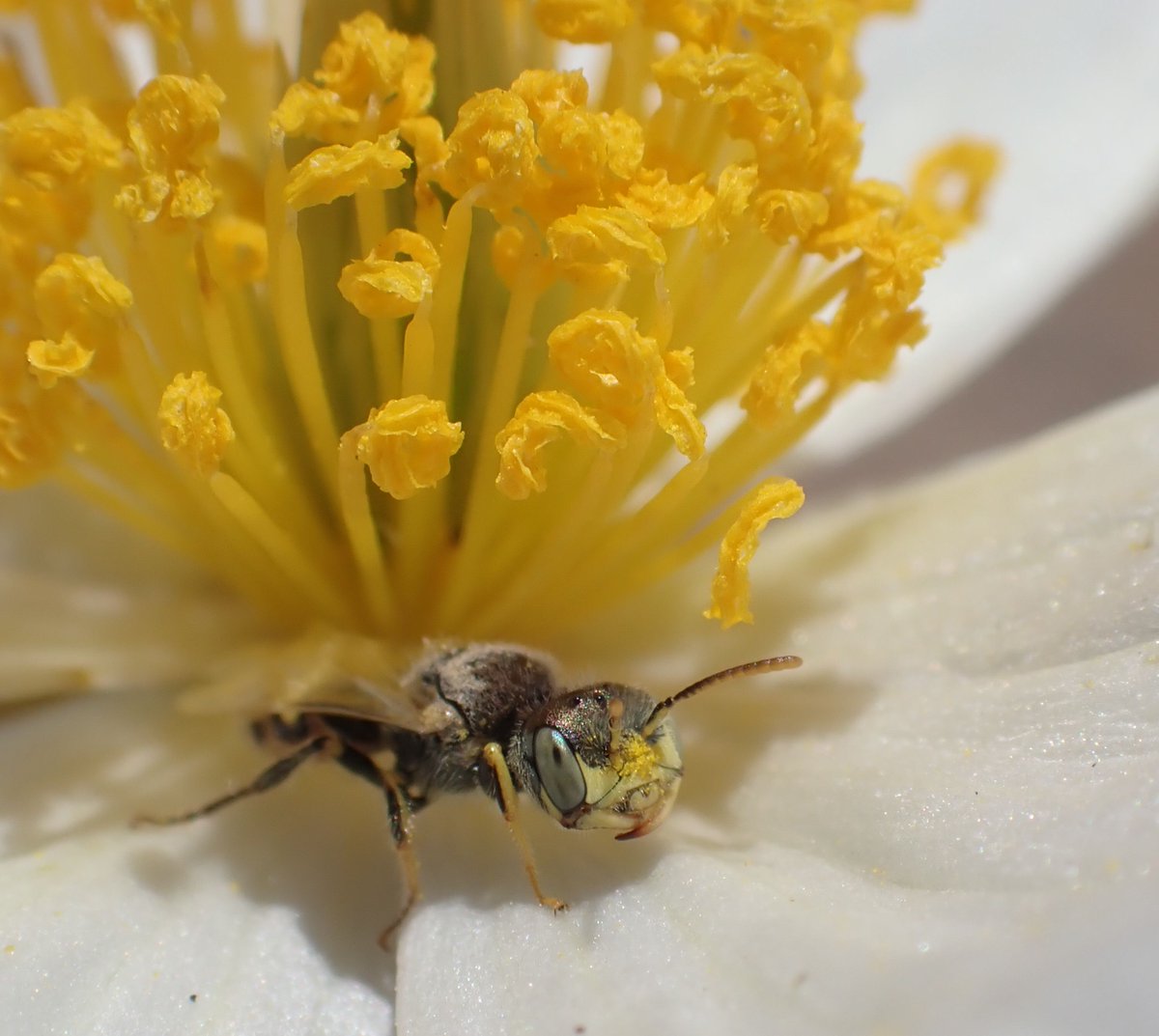
Thankfully, with this discovery of six previously unknown population groups, the Mojave poppy bee will not need to be listed as threatened or endangered under the Endangered Species Act.
USFWS photos: Corey Kallstrom
Biologists were concerned about the Mojave poppy bee because of its small range and reliance on the blooms of just a few host plants during its brief, days-to-week-long lifespan. Oh, and did we mention it lives in the Mojave Desert, one of North America’s harshest landscapes?
Proactive science for the win!! 🐝🌼
New populations of the Mojave poppy bee were recently discovered, a dramatic expansion for the tiny species – about the size of a grain of rice – that was previously thought to be in trouble.
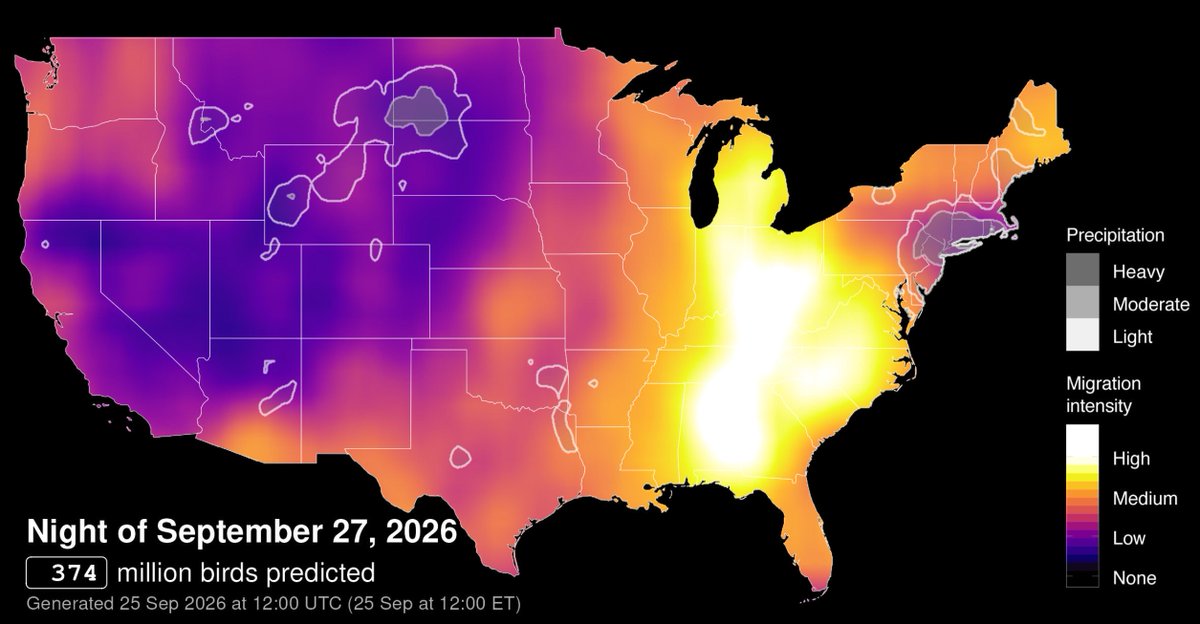
About 340-375M birds are predicted to migrate across the U.S. each night this weekend!
Lights at night can be very disorienting to birds during their long fall migration. To help prevent deadly bird collisions, turn off or dim unnecessary lights!
Graphic: CornellLab, BirdCast
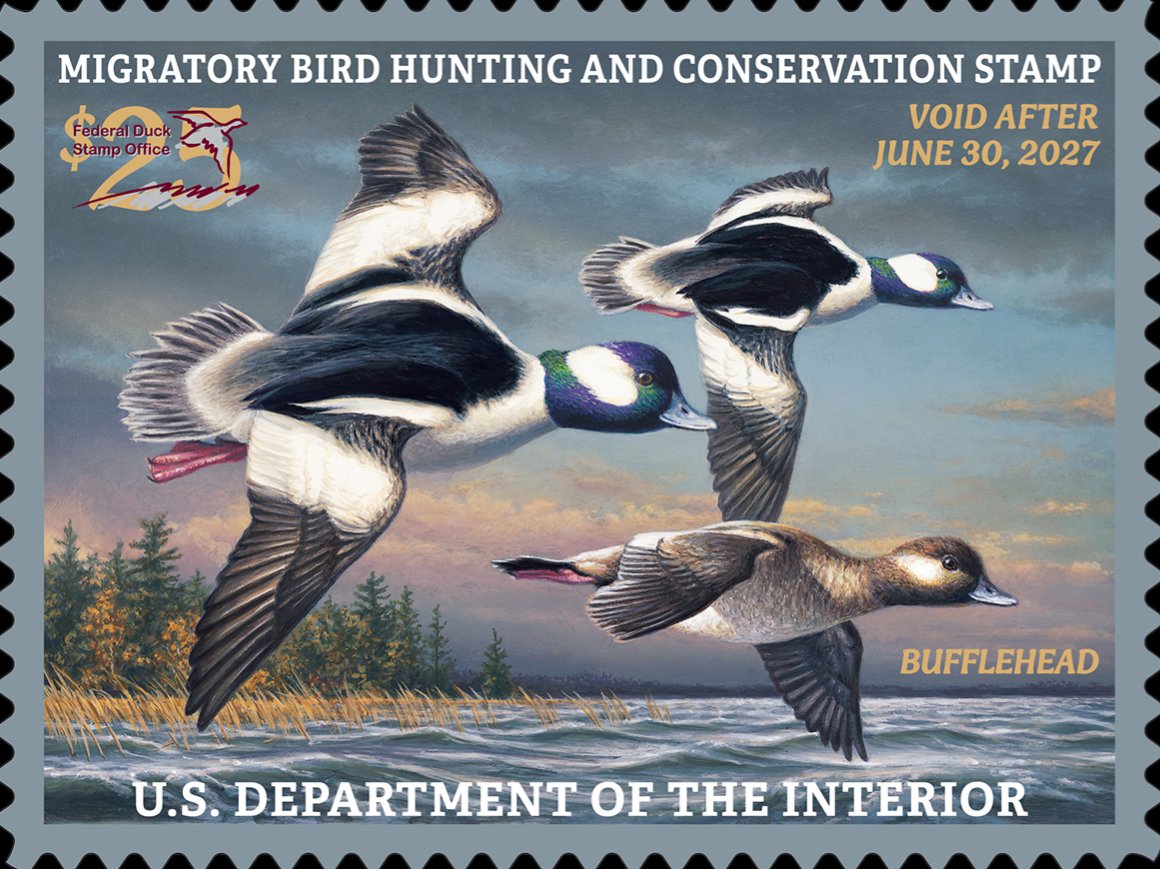
More info about the federal Duck Stamp program, including links to both live stream days and the 2026 art gallery: https://t.co/MSU5GbOOuv
USFWS video
Video description: Ducks take off from water and fly in a small group as staggered white text appears, first ‘DUCK,’ then ‘STAMP,’ then ‘CONTEST,’ and finally ‘SEPT 24-25,’ with the blue-winged teal finally landing in water.
It’s time. 🦆🎨🎊
The 2026 Duck Stamp Contest is next week, Sept. 24-25!
Watch the livestream on the USFWS YouTube page starting at 10 a.m. Central time, 11 a.m. Eastern time both days.
Every year, hundreds of talented artists submit their work to see if it can become the symbol for one of the most successful conservation tools in American history. Since 1934, federal Duck Stamp sales have raised more than $1.3 billion to conserve millions of acres of vital wetland habitat for migratory waterfowl.