The National Wildlife Refuge System is the world's premier system of public lands & waters set aside to conserve fish, wildlife & plants. RT/like/follow≠endorse
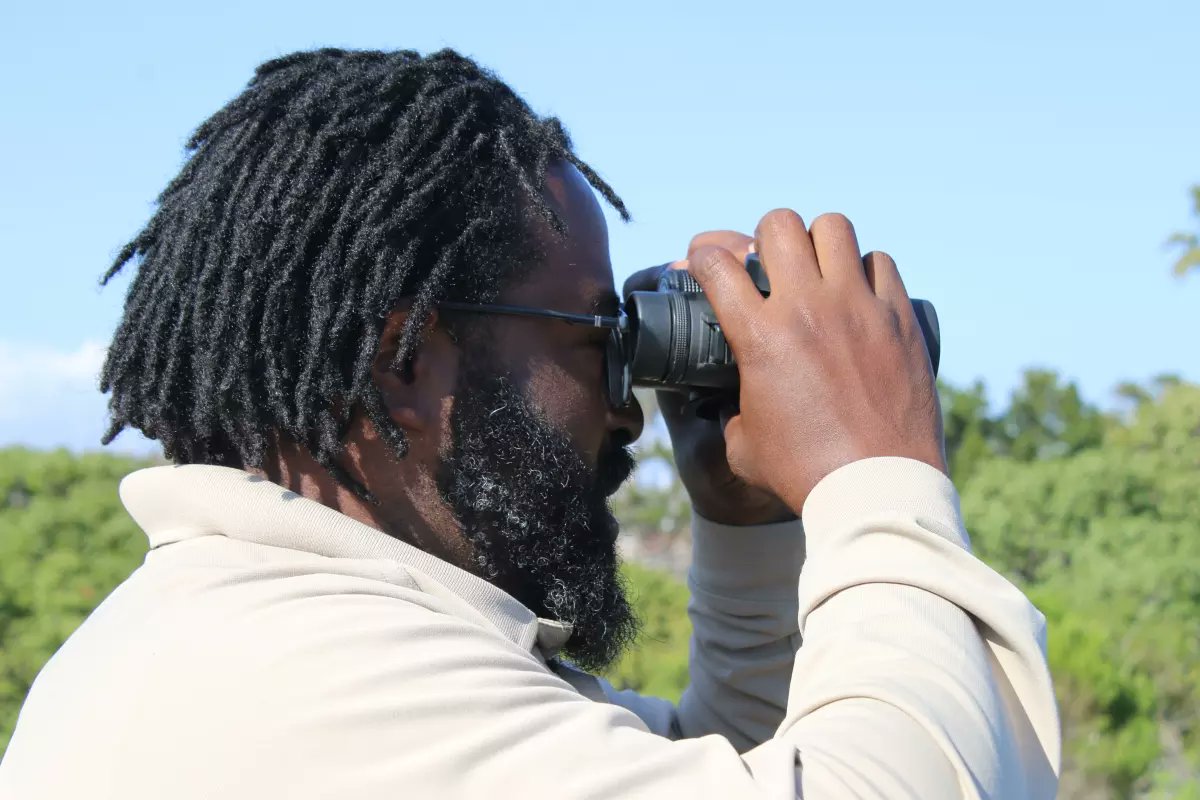
"I'm a birder at heart. Getting out into nature & enjoying it helps center me, & it helps reinvigorate the passion I have for wildlife." - Project leader Nick Stanley, Hopper Mountain National Wildlife Refuge Complex, CA. Nick's story: https://t.co/wYoWRyFLYU #BlackBirdersWeek
Since time immemorial, salmon were the common thread uniting Tribal communities throughout the Klamath River Basin. But a changing climate is impacting the natural world, especially the once abundant salmon runs. Learn more: https://t.co/J4Ncfq28jn
Photo by Roger Tabor/USFWS
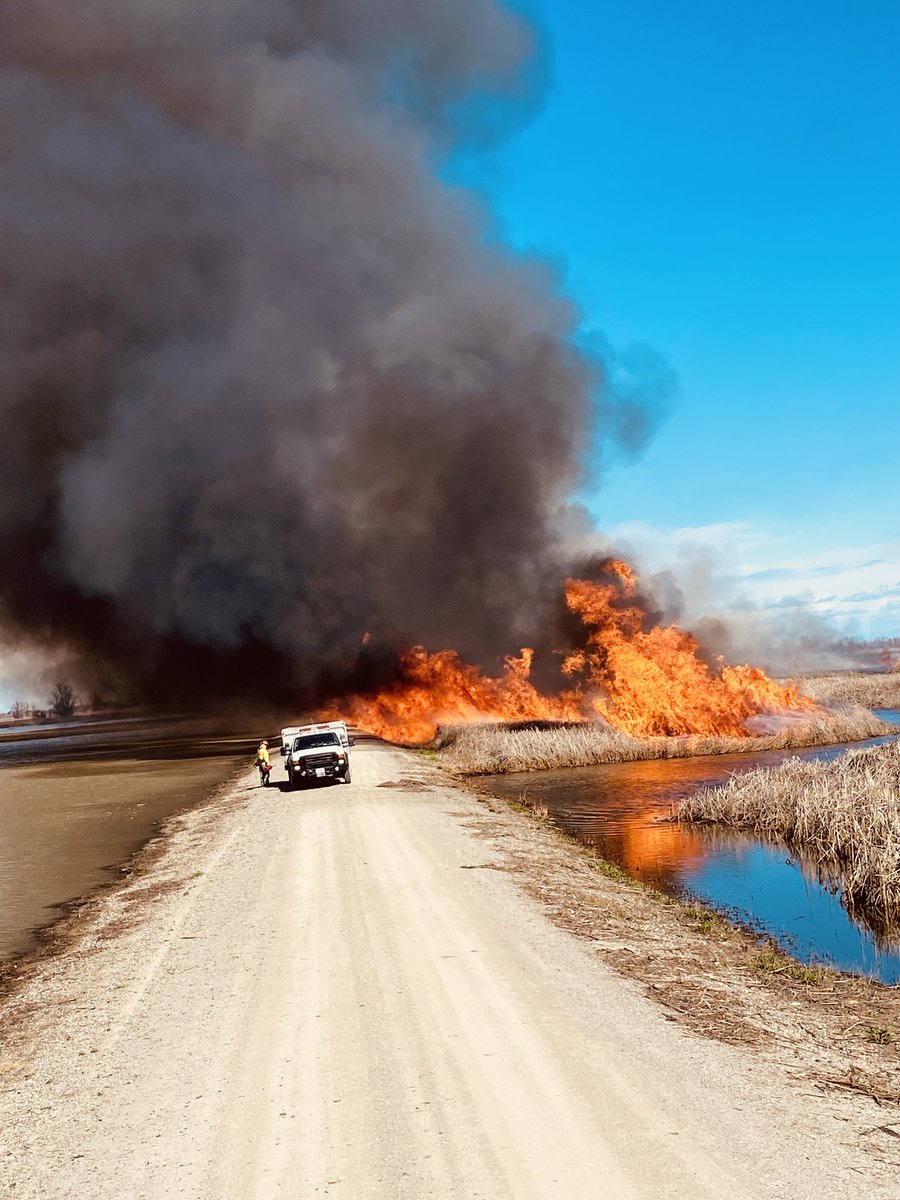
Apprenticeships are permanent, entry-level #firejobs providing 3,000 hours of training & on-the-job experience. No previous firefighting experience req'd! Apply on @USAJOBS: https://t.co/1hqaQdqsU3
Learn how to apply: https://t.co/F8wurdb4bw
@USFWSCareers
📸 USFWS
Sometimes it's hard to be a serious and professional science agency when amphibians like the northern red salamander exist. Our first caption was, "LOOK AT THIS PERFECT SMOL NUGGET! HAVE YOU EVER SEEN ANYTHING MORE PERFECT IN YOUR WHOLE LIFE?! LOOK AT THEM DO THEIR PUSHY UPPIES!
Who can call bingo first? Bird watching is one of the easiest outdoor activities to try. Once you're hooked, you can start keeping lists and tell all your friends fun bird facts, trust us, they'll love it 😉 Visit a national wildlife refuge near you https://t.co/w6LOLQnMSO
On this Earth Day, let us stand,
Together for the good of the land.
Let's celebrate this sunrise with pride,
And vow to keep the Earth's beauty alive.
📸: Sunrise at Minnesota Valley National Wildlife Refuge courtesy of Erik Fremstad.
Meet Jesus and Miguel Jimenez:
A father and son who have dedicated their careers to national wildlife refuges in CA. Miguel is currently the Kern National Wildlife Refuge Complex project leader and Jesus is an engineering equipment operator in the Klamath Basin. #thread (1/3)
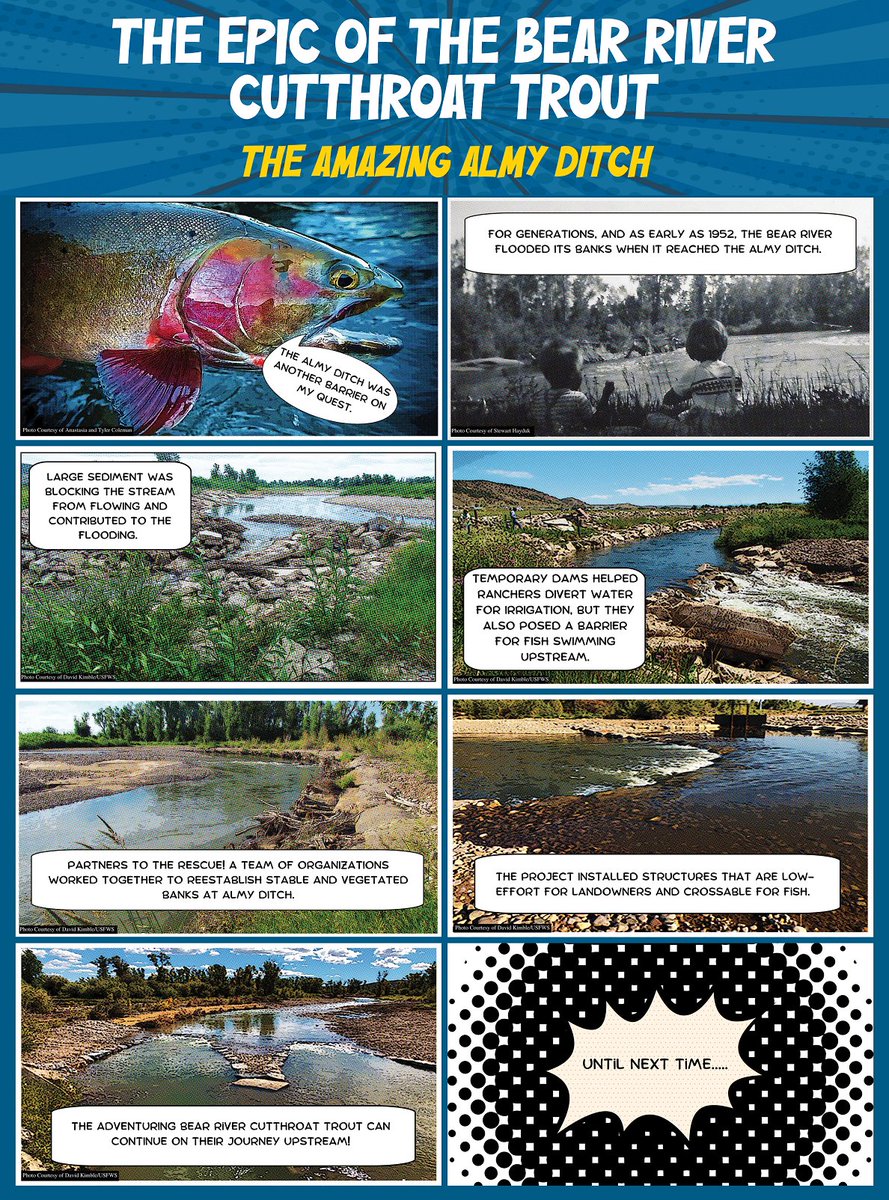
Our hero, the cutthroat trout, is back to continue its epic journey through the Bear River!
We last left off in Evanston, Wyoming, where our hero overcame the Old Evanston Dam. Today, this trout meets a new foe turned friend.
As temps rise, northern water snakes begin to come out of winter denning sites to find mates. In late summer, females will give birth to live litters averaging 20-25 young. These nonvenomous snakes aren't dangerous to people but will bite in self-defense.
📷 Jessica Bolser/USFWS
On a liquid diet? The wood nymph is. This common wood nymph uses its proboscis, a straw-like mouthpart, to drink sweet nectar from flowers. A proboscis is rolled up when not in use.
📷 by Laurie Sheppard/USFWS https://t.co/5WRACUdD0v
Water still too chilly at the beach? No worries! You can still enjoy coastal vibes at national wildlife refuges! Did you know the FWS has more than 180 national wildlife refuges that conserve marine, coastal and Great Lakes habitats? 📷 A. LaValle/USFWS at Dungeness NWR
We're celebrating 120 years of the National Wildlife Refuge System, with 568 national wildlife refuges nationwide. Visits to wildlife refuges benefit communities, generating $3.2 billion+ in visitor spending annually. https://t.co/Xn2SD0s8jw
Planting native plants is a great way to support local ecosystems. Purple coneflowers, like the ones pictured here at Lake Woodruff National Wildlife Refuge, are beneficial for pollinators and other wildlife! 📷FWS Eileen Tramontana
https://t.co/j8FYNd38Dz
They’ve built the nest. She laid her eggs. Now, we wait.
Viewers can follow along for all the bird drama with the Bald Eagle Cam at the National Conservation Training Center in West Virginia and enjoy the tender moments around the nest. https://t.co/XQQyOJdDdx
These factors, coupled with several days of calm, undisturbed water and just the right angle of sunlight, will result in this seldom-seen rainbow phenomenon in swamps and marshes.
This Spotted Towhee, "spotted" by Cathleen Nichols, looks to be puffing its feathers to get warmed up from the recent snowfall. This species may visit feeders in the West for sunflower seeds, cracked corn, milo, peanut hearts, or millet. Have they visited your feeders?
Do you design a costume for Mardi Gras? Have inspiration for next year? We want to introduce you to the purple gallinule. They step out in all their glorious colors across the southeast coastal region, from South Carolina to Texas and into South America.
📸: John Magera/USFWS