This site monitors the USGS Bee Inventory and Monitoring Lab's Flickr/Instagram/Tumblr sites. We are a museum for #bees/#insects/#life Contact: [email protected]
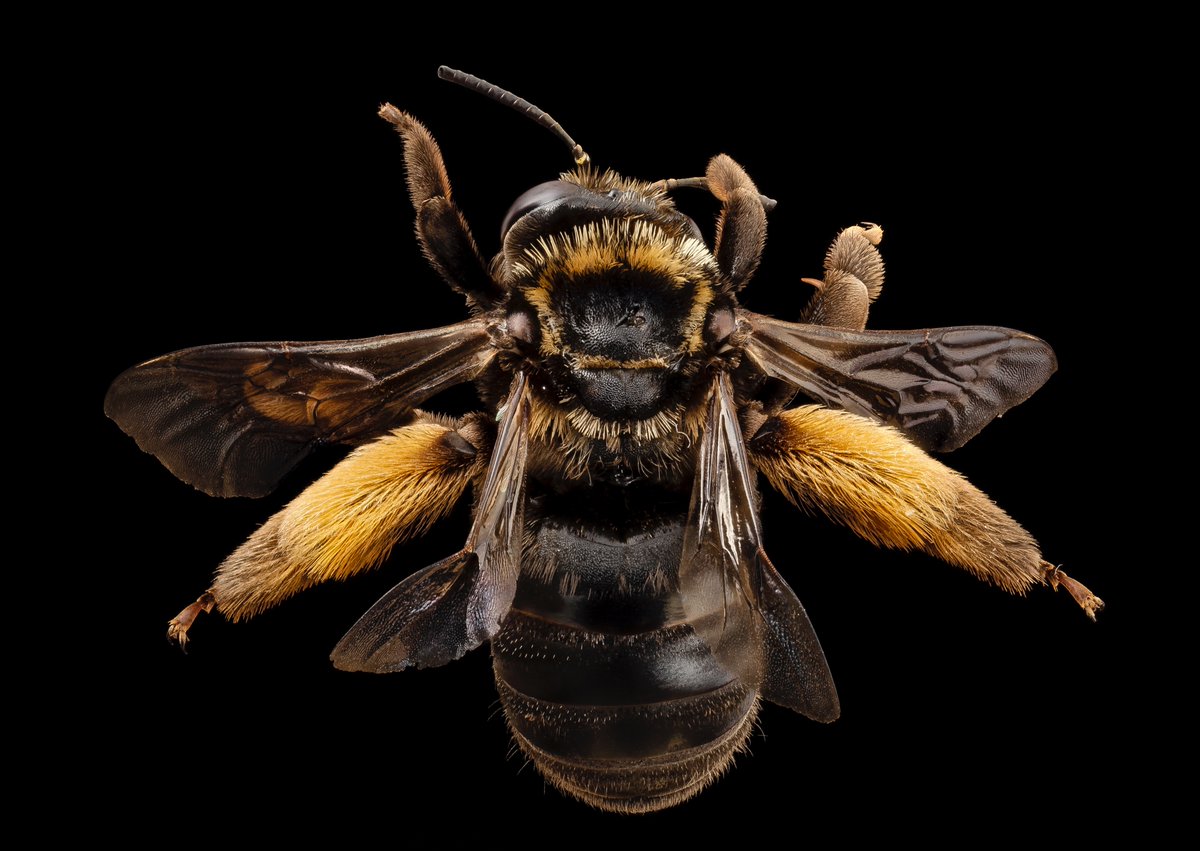
Probably our most iconic and used photo. So widely used that most of the time it no longer even carries any of our association. So bee it! This Halictus ligatus is covered in sunflower pollen, collected in Morris Arboretum outside of Philly as part of a bee study by S. Wilson
Carries long squishy things. Ammophila pictipennis. One of several species of North American Thread-waisted Wasps. Hunters of caterpillars and sawfly larvae. Carries them under its body between its legs to a nest in the ground where the wasp's larvae feeds on the paralyzed prey
Found on Eastern Neck Island National Wildlife Refuge in their lovely lovely native plant garden and fields. This large Eucerine bee is a good indicator of high quality habitat. May we see them in more than places with this bee.
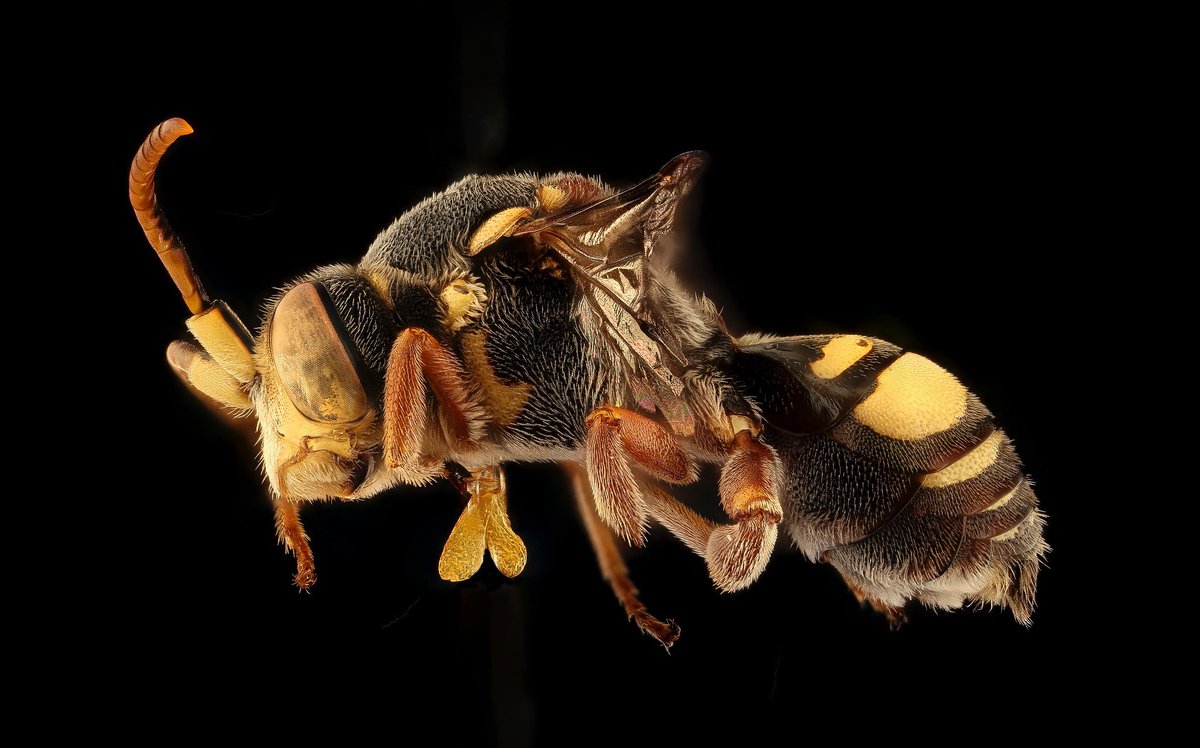
Ceratina cockerelli. Like other species of Ceratina it likely builds its nest in the cut stems of plants. Not much is known about this species' life history, so if you are looking for things to do, then studying this species nesting biology should be right up there.
Lasioglossum nymphale, one of the most abundant bees in the world, but/and it is thus so only in places of deep sand. Buckets of this species can be collected in the dunes and deep sands of coastal ocean and gulf lands from New Jersey down and around to probably Texas (unclear)
First MD record for Nomada erigeronis. This male was found by Gene Scarpula on traps set on a dredge spoil island in the Chesapeake Bay. Since it’s a man made island created 20 years ago, this means it had to fly over 2 miles to get to that island. Build it and they will come
Another lovely and mysterious Nomada. Nomada placida. Eastern U.S. This one from Highland County. Late season species. Host...unkown, probably Andrena, but...other possibilities exist. Collected by Steve Roble in VA
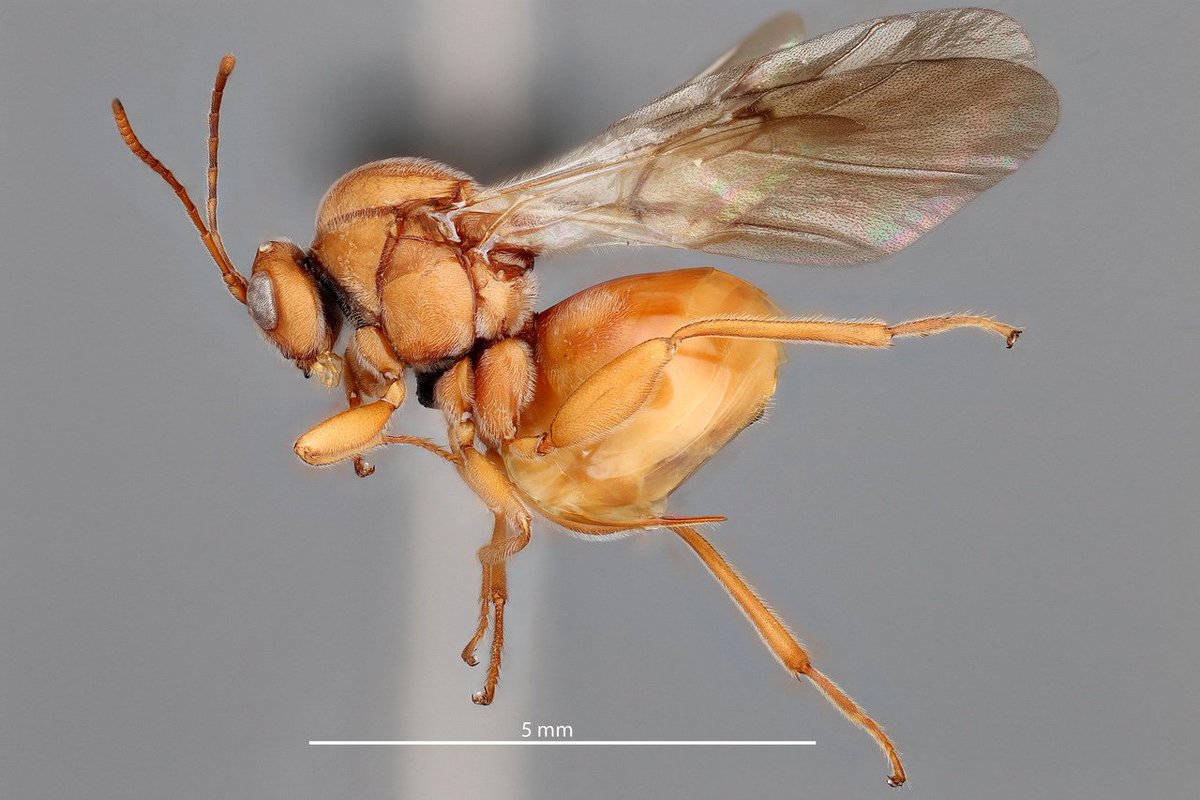
Ah, how lovely small things can be. Here is a Torymus species (thanks Matt Buffington for the ID while you were in the lab). Often parasitizing gall forming wasps, you can see from its ovipositer that something interesting is happening out there in nature. Collected in Maryland
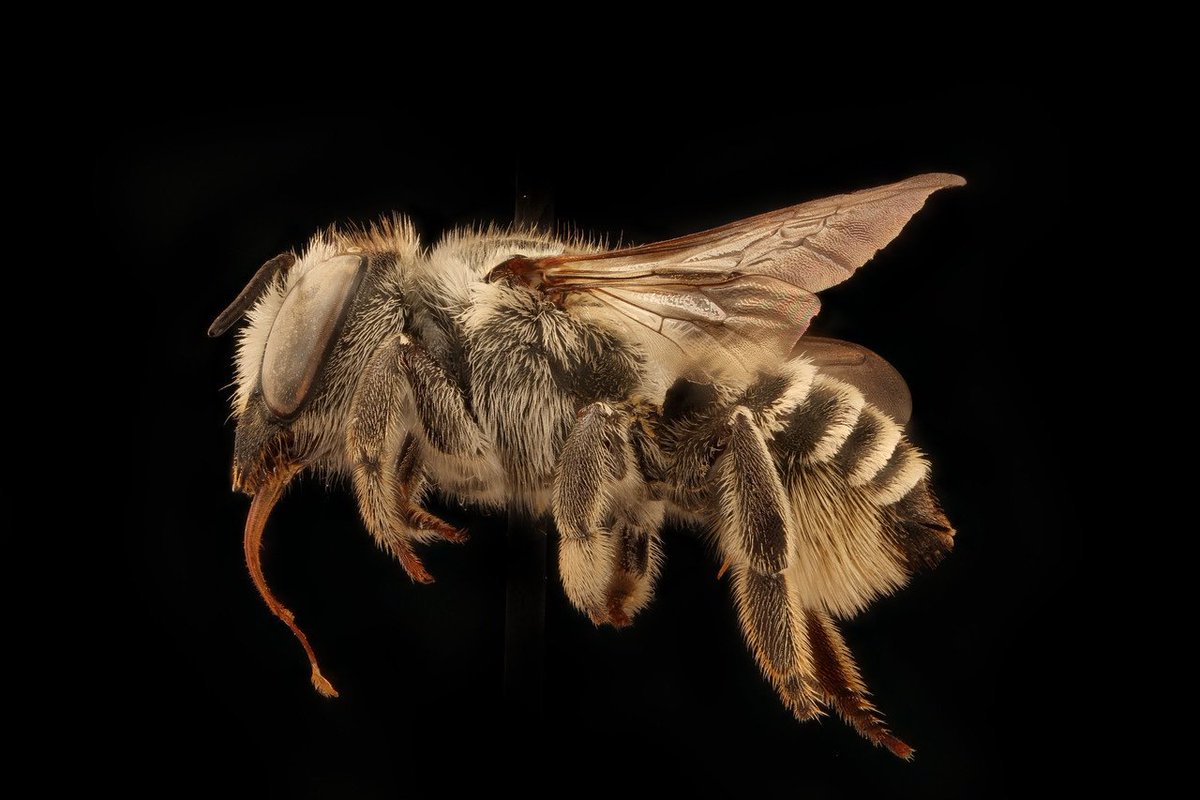
Heard it was #InverteFest! A trinomial: Megachile brevis onobrychidis. Thus it is a declaired subspecies of M. brevis of which there have been several and at least one has turned into a species, super cool!
Aspicera hartigi. Females lay eggs into aphid-predaceous syrphid larvae (hover flies). Turns out syrphid larvae don’t like to be parasitized. They try to fight her off, but she is too fast, using quick-strike oviposition behavior. Aphids can thank Aspicera for saving their lives!
This oak gall wasp (Cynipini) is a common species in California, producing ‘oak apples’ on the singular and mysterious valley oak (Quercus lobata). Super tiny wasp
Cicuta maculata (Water Hemlock). The most poisonous plant in North America. Children have died using the hollow stems as blowguns. Thankfully no children play outside any longer. Photo and specimen by Helen Lowe Metzman from Howard County, MD.
Calendar costs shouldn’t be more that $20, but all funds go towards our lab, so it is all beneficial for research. Calendar announcement will be within the week if we decide to move forward with it