I’m a Product Designer (UI/UX) who helps fix common issues like confusing interfaces, poor usability, and low engagement. I create clean, intuitive designs that make digital products easier and more enjoyable to use.
Check out my portfolio👇🏾
https://t.co/JTbM8kQiI9
Over the past four days, I have been traversing the northeastern part of our country.
Our journey began in Gombe, from where we proceeded to Potiskum and Damaturu in Yobe State, before finally arriving in Maiduguri, Borno State.
I am happy to report that the Obi-Kwankwaso and NDC message of hope is resonating. We sympathised with the people of Yobe and Borno States, in particular, over the insecurity that continues to plague the lives of many.
I also promised that we shall work assiduously to restore the economy of the region by empowering the microeconomic systems of our country.
It is equally heartening to note that my able brother, our presidential candidate of the NDC, His Excellency Peter Obi, has been doing tremendous work in Anambra State and other parts of the country. - RMK
They rigged 2023 because nobody had proof.
In 2027, we will have proof.
Photograph your EC8A at your polling unit. Upload it. Get a receipt.
If they try to change the result, we will show the world the original.
Don't just vote. Protect your vote. #ProtectYourVote 🇳🇬
NIGERIANS, GO AND VERIFY (7)
LIFTING THE VULNERABLE : ANAMBRA’S BLUEPRINT FOR POVERTY ALLEVIATION AND SUSTAINABLE EMPOWERMENT (2006–2014)
Economic growth that does not translate into improved living conditions for ordinary citizens is incomplete. This is one of our fundamental concerns with President Bola Ahmed Tinubu's government. Development must ultimately be measured by its impact on human lives, particularly those of the poor and vulnerable. This was underpinned by the Anambra Integrated Development Strategy (ANIDS). We believed that infrastructure, education, healthcare, agriculture, and social protection must reinforce one another. Poverty was not merely a shortage of money; it was also a lack of access to opportunities, productive resources, and the basic conditions necessary for a decent life.
Our poverty alleviation strategy, therefore, went beyond temporary handouts. It focused on restoring dignity, creating economic opportunities, and equipping vulnerable citizens with the means to become self-reliant.
Our approach attracted recognition beyond Anambra. In May 2010, Magnus Kpakol, then National Coordinator of the National Poverty Eradication Programme (NAPEP), commended our commitment to poverty reduction, declaring: “We are prepared to support you in the excellent work you are doing in Anambra State.”
1. POVERTY MAPPING: KNOWING WHERE POVERTY LIVES
We recognised that poverty could not be effectively addressed without knowing where it was concentrated and what caused it. We, therefore, undertook a poverty-mapping exercise to identify the most deprived local government areas and communities.
The exercise revealed that some of our poorest communities were also important food-producing areas. Their challenges included poor access to markets, agricultural inputs, electricity, water, and other economic opportunities.
Areas including Anambra West, Orumba South, Awka North, and Ogbaru required particular attention. The findings informed our development priorities, enabling us to direct roads, agricultural support, and social interventions toward neglected communities.
2. EMPOWERING WOMEN, WIDOWS, AND COOPERATIVES
We recognised that rural women, widows, and indigent households bore a disproportionate burden of poverty. Across the 21 local government areas, we provided financial assistance and productive support to thousands of beneficiaries.
Our administration provided financial assistance to support the establishment and expansion of small businesses and farming activities. We also introduced revolving loan schemes to promote enterprise development, economic self-reliance, and improved livelihoods.
We distributed productive equipment, including sewing machines, generators, ovens, cookers, hair dryers, shoe-making machines, and welding equipment. The objective was to help beneficiaries establish sustainable livelihoods rather than remain dependent on government assistance.
We also promoted access to microcredit and cooperative financing to enable small entrepreneurs to expand their businesses, improve their incomes, and create employment.
Our philosophy was simple: rather than merely giving people money to survive today, the government should help them acquire the means to earn a living tomorrow.
3. AGRICULTURE AND FADAMA: MAKING RURAL COMMUNITIES PRODUCTIVE
Agriculture was central to our poverty-reduction strategy because many rural households depended on farming.
Through partnerships with the Federal Government, the World Bank, and other development partners, particularly under the FADAMA programme, we supported farmers with finance and productive assets.
In November 2009, our administration disbursed millions to FADAMA Community Associations across the state. By October 2010, the National FADAMA office was commending Anambra’s commitment. Its National Project Coordinator, Buka Tijjani, represented by Charles Ugwuona, described Anambra as the leading state in the programme.
NIGERIANS, GO AND VERIFY (6)
SECURING LIVES AND PROPERTY: PARTNERSHIP WITH SECURITY AGENCIES
Peter Obi
In the preceding instalments, I explained how we approached governance under the Anambra Integrated Development Strategy (ANIDS), beginning with strengthening state institutions and investing in education and other critical sectors. Our conviction was that development must rest on strong institutions, capable human beings, and a secure environment.
No meaningful development can take place where lives and property are constantly under threat. Education, commerce, investment, and other productive activities can only flourish when people feel safe. This informed our approach to security. We understood that the responsibility of protecting lives and property could not be discharged through speeches and declarations alone. It required deliberate investment, effective coordination, and sustained partnership with the security agencies.
When we assumed office, Anambra faced serious security challenges. Armed robbery, bank attacks, kidnapping, and other violent criminal activities had created an atmosphere of fear. In 2006, I personally approached the then Inspector-General of Police, Mr Sunday Gabriel Ehindero, to seek urgent intervention. Following our appeal, the police authorities constituted a special team comprising experienced officers, including the late Haruna John, Alhaji Amusa Bello, and others, to confront the security challenges in the state.
We therefore made security a major priority of our administration, recognising that government must provide both the leadership and the resources required to enable security agencies to perform their duties.
EQUIPPING THE SECURITY AGENCIES
We believed that those entrusted with protecting our people must be adequately equipped. Accordingly, our administration, using funds from the security votes, provided over 600 patrol vehicles to various security agencies, including the Police, Army, Civil Defence, Customs, Immigration, NDLEA, Road Safety, Prisons, SSS, Navy, and community vigilante organisations.
Our support went beyond vehicles. We provided Armoured Personnel Carriers (APCs), armoured Hilux patrol vans, communication gadgets, repeater and linker stations, base stations, mobile vehicular radios, walkie-talkies, generators, and other logistical requirements. We also used the same security votes to provide financial support for their operations, including fuel, weekly allowances, and other essential needs of security personnel.
We paid particular attention to community security because we understood that effective policing must have a strong local presence. Again, using funds from the security votes, we provided billions of naira to the 177 communities in Anambra State to strengthen security in their respective areas. We directed traditional rulers and town union presidents to establish vigilante groups under police supervision, with the police providing uniforms for proper identification. We also contributed towards the payment of their salaries.
Additionally, we provided 250 patrol vehicles to communities across Anambra State. These vehicles were manufactured by Innoson Vehicle Manufacturing Company in Nnewi. Some towns received more than one, depending on their size and security needs. This initiative was also extended to universities and other large institutions in the state.
We also recognised that markets were particularly vulnerable because of the volume of commercial activities and the large number of people who visited them daily. Thus, in March 2014, we presented security vehicles to major markets in Onitsha and its environs. The beneficiaries included Bridge Head Market, Ogboefere Market, Building Materials Market, Ogidi, Onitsha Main Market, Marine Modern Market, Ogbaru Main Market, Ose Okwodu Market, Electronics Market, and the Amalgamated Market Traders Association.
🇳🇬 DEAR NIGERIANS, PLEASE, LET'S DO SOMETHING TOGETHER!
On the 1st of December 2026, can we all take a moment to participate in a simple online campaign?
Let's flood our WhatsApp statuses, Instagram stories, TikTok, Snapchat and X with one simple message:
VOTE 🗳️ MR. PETER OBI.
You don't need money to participate. You don't need to belong to any political group. All we are asking is for you to use your social media platforms to make your voice heard.
Imagine thousands, even millions of Nigerians posting the same message on the same day.
It may look like a little effort, but collective voices can create conversations and encourage civic participation.
Please, let's make December 1st count.
Let's do this little one together. 🥹🤲🏿🇳🇬
DECEMBER 1ST — ONE MESSAGE, ONE ONLINE CAMPAIGN
CHRIST THE KING COLLEGE, ONITSHA: CELEBRATING MY HERITAGE AND ENCOURAGING THE NEXT GENERATION
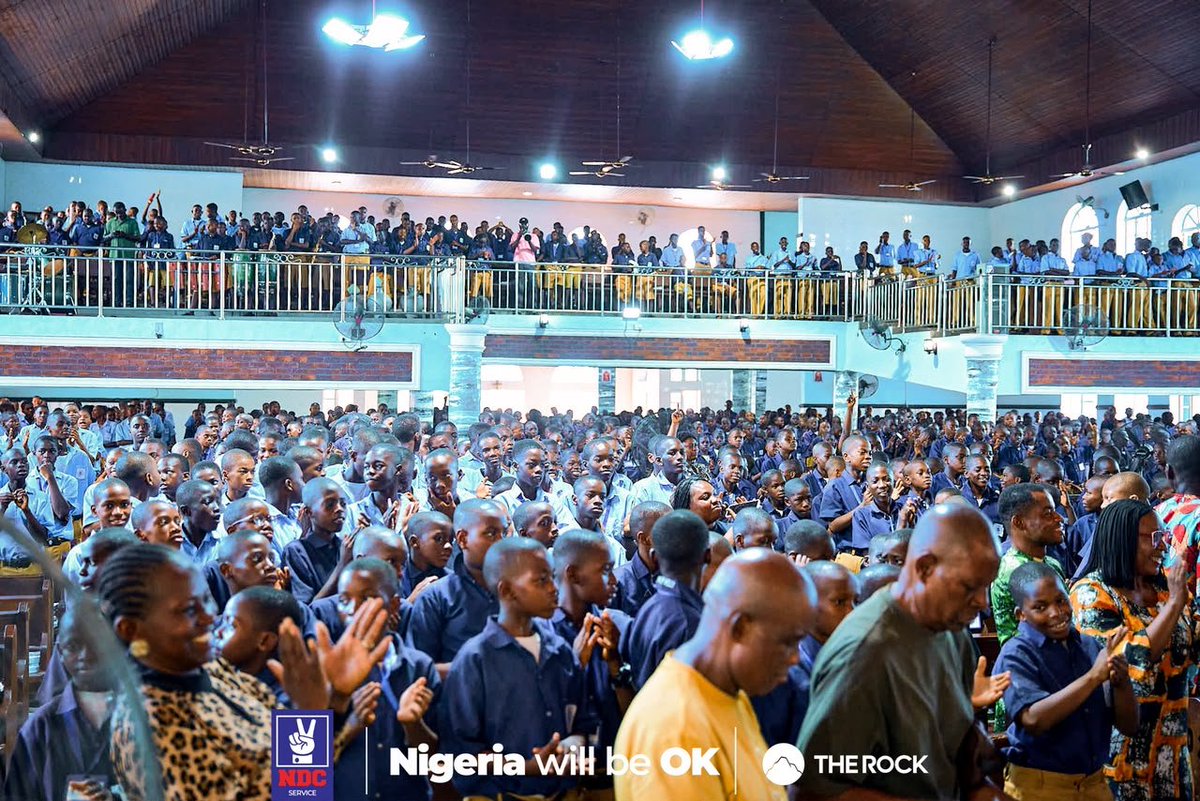
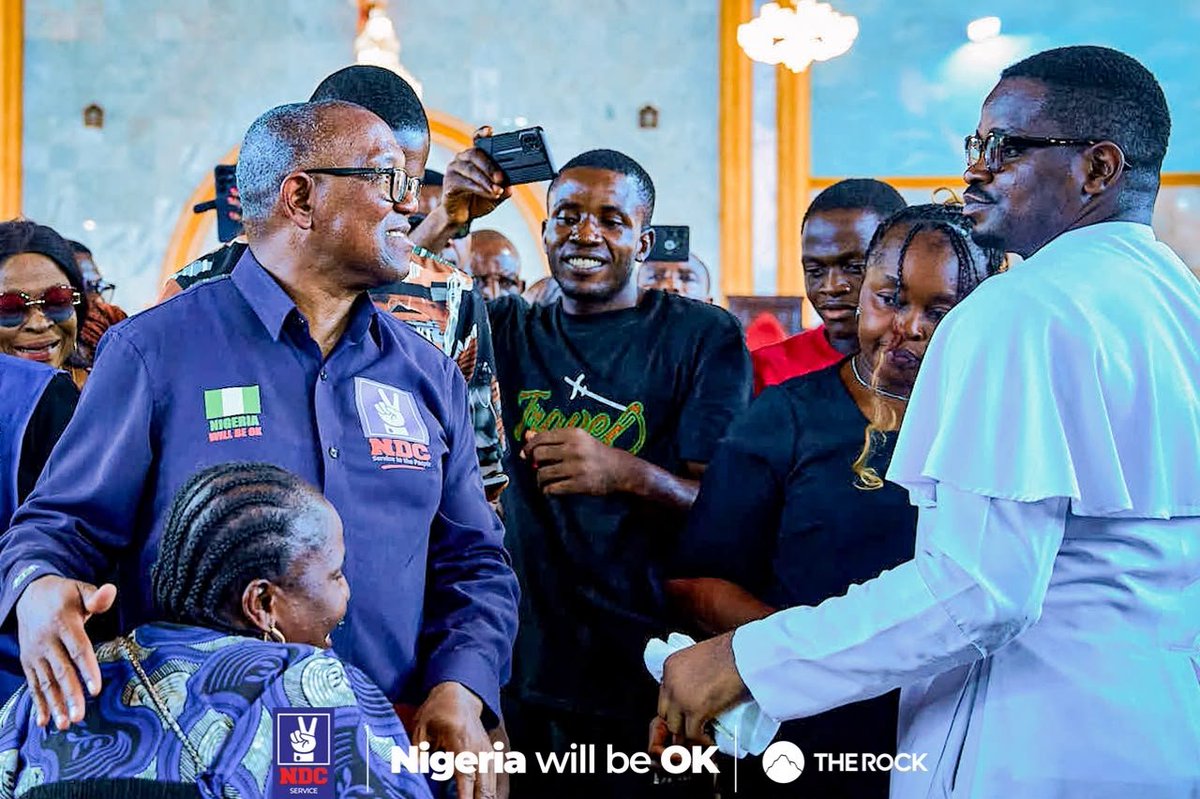
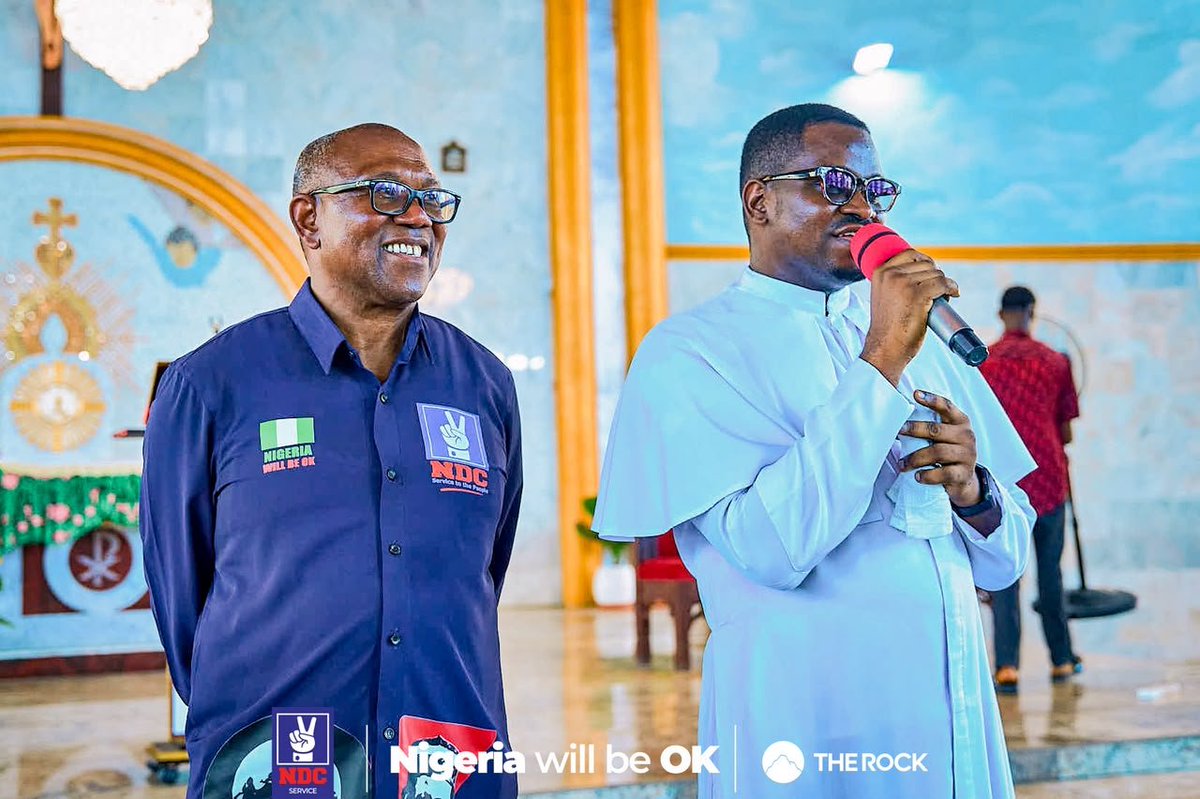
Each year, my alma mater, Christ the King College (CKC), Onitsha, invites me to its celebration of the Feast of Christ the King, scheduled for this Sunday, November 22. Although my demanding campaign schedule will prevent me from attending this year's ceremony, I made a brief visit to the school today while on my way to engage with traders and residents of Onitsha.
It was a warm and memorable visit, and I was graciously received by the School Administrator and Senior Prefect. In my interaction with the students, I emphasised the importance of education, urged them to remain focused and dedicated, and reminded them that Nigeria's future President could emerge from among them.
I also inspected the newly constructed Teachers' House, a project I facilitated with the support of friends to strengthen the school's teaching and learning environment.
CKC remains an enduring part of my life's journey, having shaped my values, discipline and sense of responsibility. I remain grateful for this lasting bond.
Wherever life takes us, the values of our alma mater remain with us. CKC will forever be home. -PO
🚨 BREAKING: Another troubling INEC revelation!
Uploaded polling-unit results cannot appear on IReV until a RATECH logs in and approves them. Even worse, the RATECH has the power to overwrite the results.
Why should anyone other than the Presiding Officer have such power over uploaded election results?
INEC must explain this. Nigerians are watching!
Repost and Tag INEC, remember Rig and Die 2027.
People get irritated by you, not disappointed (unlike Enny). You cannot disappoint us because we never thought highly of you in the first place.
Disappointment is, in a way, evidence that someone mattered enough for you to expect better. 🤷♀️
For next year ileya, someone needs to buy you as Ram. Not to kill you for meat, but to make you fight other rams. At least, they can make sure you use your head for once.
President Tinubu has never granted a one-on-one interview to any Nigerian journalist, indigenous media personality, or local station. Instead, he sat down with American political strategist and lobbyist Diana London (of London Global Strategies), a figure whose character and motives have drawn serious questions amid reports of large payments and lobbying ties. This is an insult to the Nigerian people and the local press.
— Ayo Mairo Ese