This isn’t complicated.
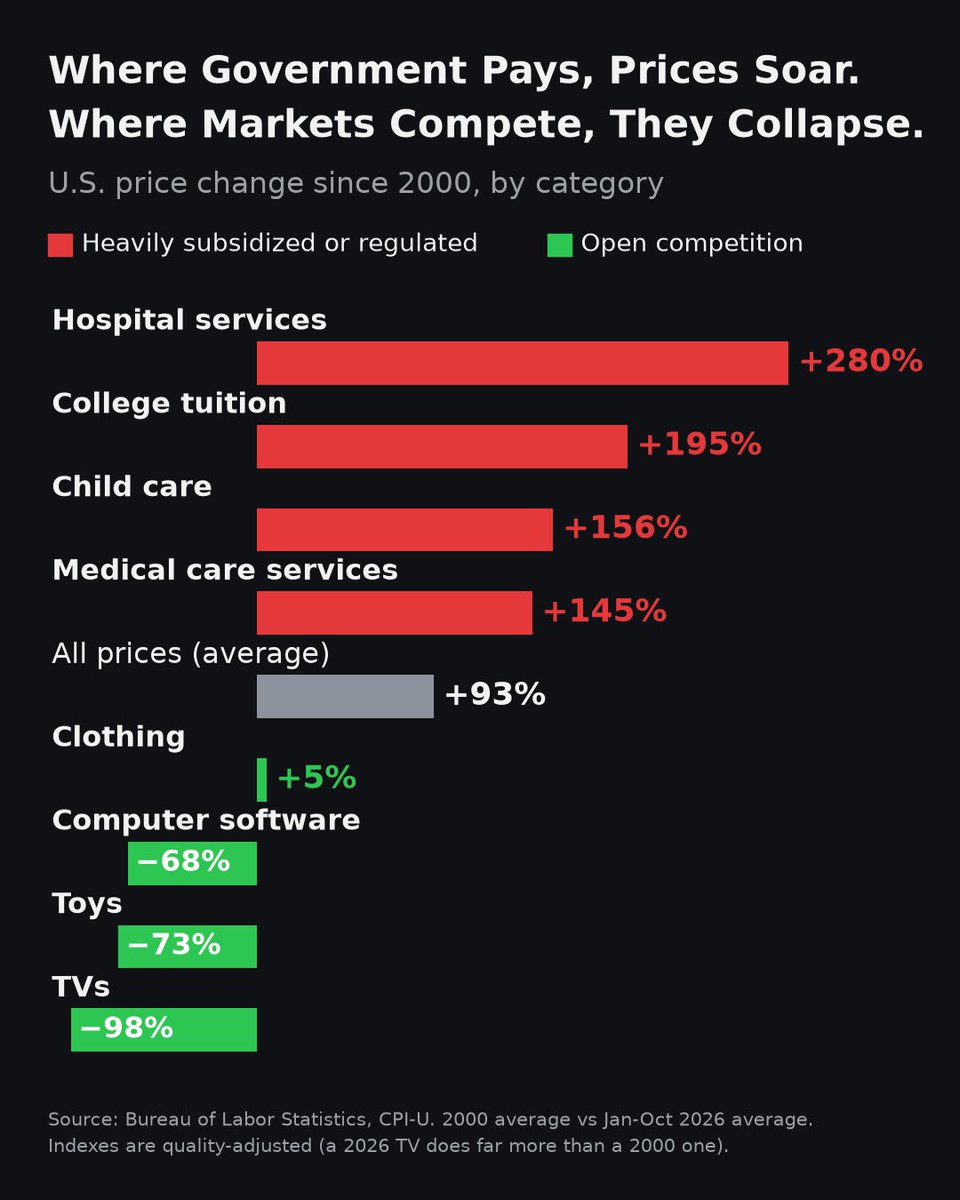
Free market sectors get cheaper and better.
“Helped” sectors get more expensive.
Anyone still demanding government regulation and subsidies is either an idiot or a grifter.
Minimum wage laws are a special kind of cruelty. If you advocate for minimum wage laws yours either intentionally cruel, ignorant of economics or a political shill…there’s some overlap between 1 and 3…
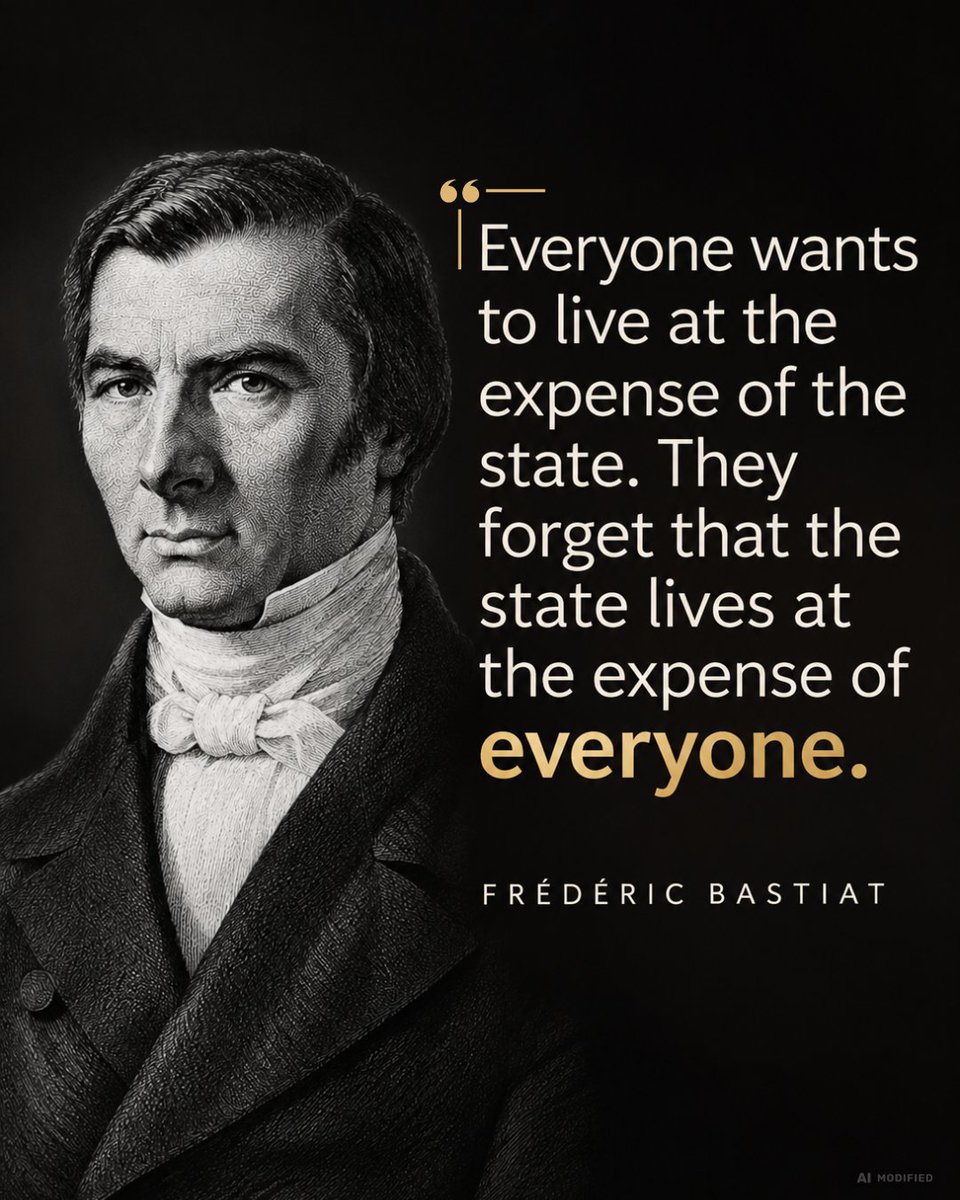
Income tax is theft.
The Sixteenth Amendment passed in 1913 as a wartime revenue measure, sold to Americans as a modest levy on the very wealthy. The top rate sat at 7 percent. Wilson's government promised restraint.
That restraint didn't even last a decade.
By 1944, the top marginal rate hit 94 percent. Today the federal income tax alone reaches 37 percent at the top bracket, and that figure ignores payroll taxes, state income taxes, and the inflation tax the Federal Reserve quietly runs in parallel. You hand over, depending on your state, somewhere between 40 and 55 cents of every marginal dollar earned.
The mechanism is simple: governments never surrender revenue streams voluntarily. What legislators frame as temporary always calcifies into permanent infrastructure, complete with its own bureaucracy (the IRS now employs 90,000 people) and its own enforcement apparatus.
Your labor is property. Compulsory extraction of that property at gunpoint is confiscation. Who receives the payment does not change the nature of the transaction.
Between 1820 and 1900, real GDP per capita in the United States grew eightfold. No welfare state. No central bank. No income tax. The federal government consumed less than 3% of GDP for most of that period, and the results speak for themselves.
Secure property rights, contract enforcement, and a commodity-backed dollar created the conditions where capital formation exploded. Entrepreneurs knew that what they built, they kept. John D. Rockefeller drove kerosene prices from 58 cents per gallon in 1865 to under 8 cents by 1885, delivering affordable light to millions of ordinary households, not through government mandate but through relentless productive competition.
Real wages for manufacturing workers doubled between 1860 and 1890. Immigration surged because workers across Europe calculated, correctly, that their labor earned more in Philadelphia or Pittsburgh than anywhere in the old world. Markets made that signal clear.
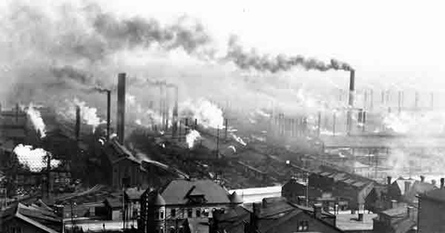
Critics point to inequality, child labor, and dangerous working conditions, ignoring that mass poverty preceded industrial capitalism. Andrew Carnegie's Pittsburgh was brutal, but it was also dramatically better than the subsistence farming the workers' grandparents had endured.
The railroad network grew from 9,000 miles in 1850 to over 160,000 miles by 1890, financed almost entirely by private capital once you exclude the genuinely corrupt land-grant subsidies, which free market thinkers condemned at the time. State intervention produced scandals; private lines produced the freight.
Minimal government produced the fastest sustained material improvement in recorded human history to that point.
@Gndmtakipcisi23@nnairob@JMilei Enflasyon düşmüyor. Bu da artık bir tercih. 2 yıl içinde seçim olacak. Bu saatten sonra da kimse sıkı para politikası uygulamaz.
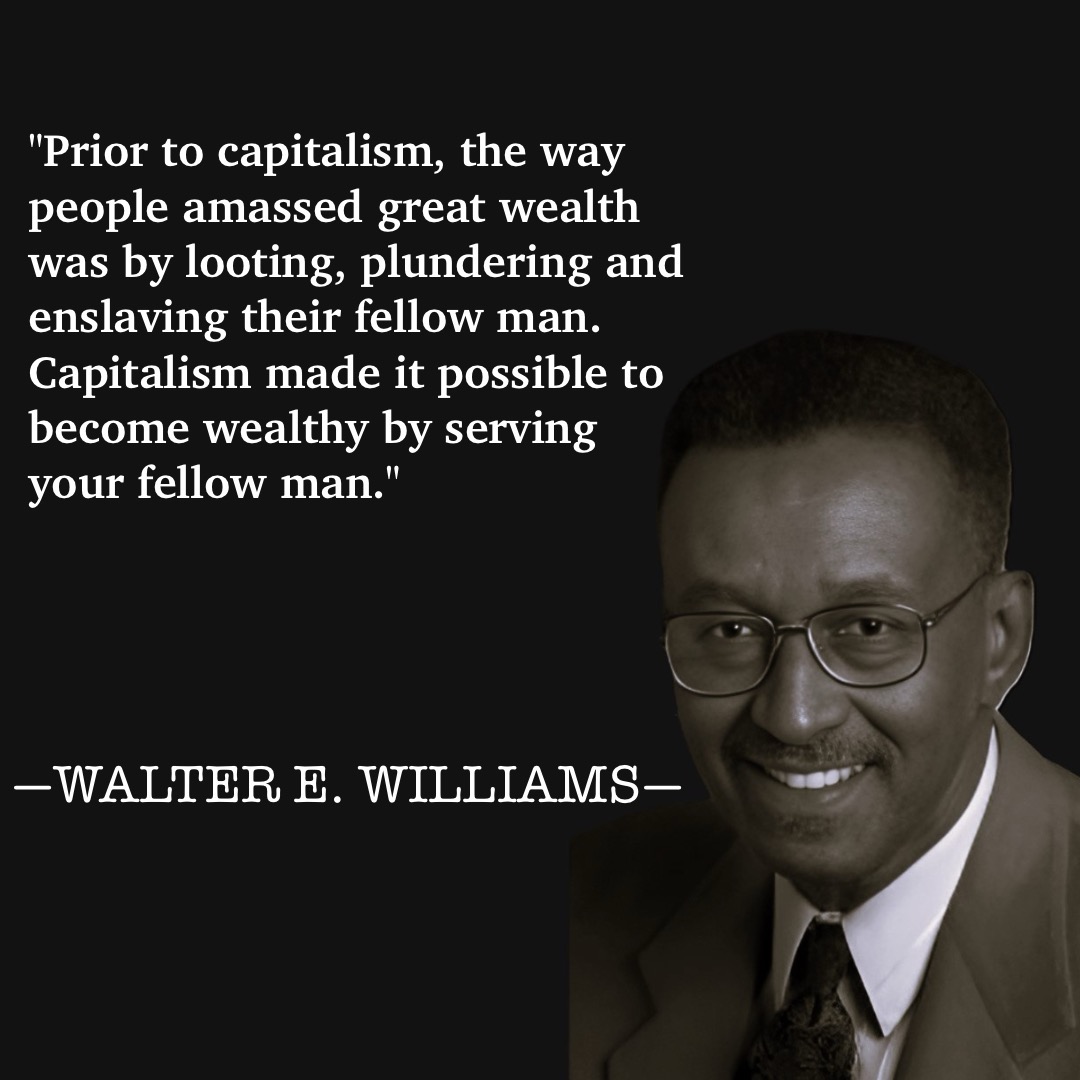
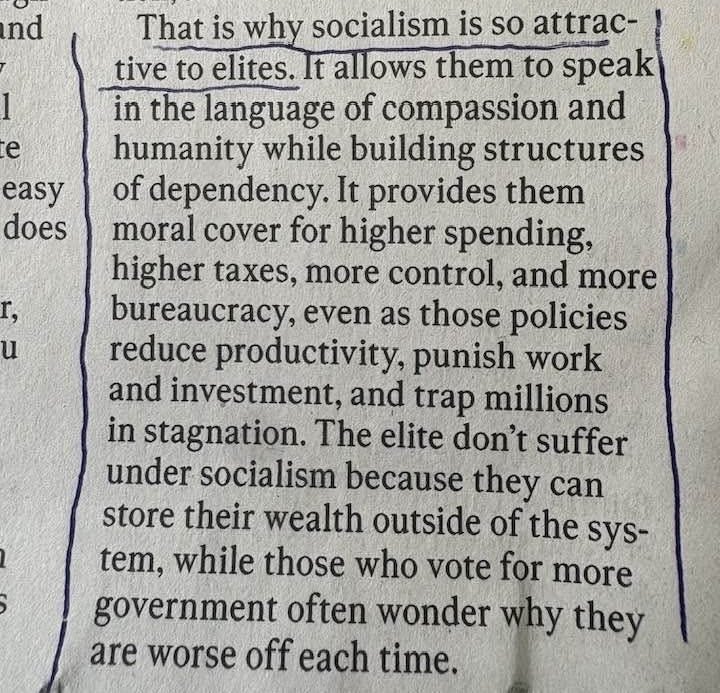
Capitalism views the poor as capable masters of their own destiny. It trusts them to improve their lives by creating value and making their own choices.
Socialism views them as people who must be managed and provided for, then builds a system that makes it harder to prove that assumption wrong by rewarding dependence and penalizing independence.
@longhaus1877@thrklync@Herbokolog_Utku Yurtdisinda cok daha iyi bir hizmetin/ürünün buraya getirilip insanlara sunulması ve insanların bundan fayda sağlaması neden kötü?
Bereketten kasıt refah ise eğer, sadece kapitalist iktisat teorileriyle anlaşılabilir. Refahın ön koşulu ise faizin yokluğu değildir. Faiz, insan eylemine içkin olan zaman tercihinin ortaya çıkış biçimlerinden bir tanesidir. İnsanların farklı zaman tercihlerine sahip olmasının sonucunda faiz oranları ortaya çıkar. Bu faiz oranları o toplumdaki insanların şimdiki zamana mı yoksa gelecekteki bir zamana mı değer verdiğini anlamamıza yardımcı olur.
Faiz oranı görece yüksek ise insanlar şimdiki zamana, şu anda tüketmeye daha çok değer veriyordur. Faiz oranı düşük ise insanlar şimdi tüketmeye değil, gelecekteki tüketime değer veriyor demektir. Faiz sayesinde kaynakların tahsisi kolaylaşır ve verimli hale gelir.
Öyleyse faizin sömürüyle yakından uzaktan alakası yoktur. Asıl sömürü piyasada ortaya çıkan faiz oranına müdaha etmektir. Bu müdahaleyle birlikte hem sömürü gerçekleşir hem de insanların büyük bir kısmı uzun vadede daha yoksul bir duruma düşürülür.
“The essential notion of a capitalist society is voluntary cooperation, voluntary exchange. The essential notion of a socialist society is force.”
— Milton Friedman
@Peatahh @ce_kuin@EyphanMandraci@hurriyeticin Cumhuriyetçiler ekonomik liberal diyorsun. Lafa gelince evet öyleler ama icraate bakarsan. Sosyal Demokrat Liberallerden (bahsi geçen ABD liberalleri) ekonomik anlamda hiç bir farkları yok. Para genişlemesi, büyük şirketleri kurtarmaları. Kamu harcama genişlemesi.
@Peatahh @ce_kuin@EyphanMandraci@hurriyeticin "Türkiye haricinde klasik liberalizmi ciddiye alan veya savunan pek kimse de yok" Türkiyede herhangi bir şekilde liberalizmi ciddiye alan hiç kimse yok. Klasik olsun veya günümüzde ABD de kullanılan anlamıyla olsun. Ne ekonomik ne sosyal anlamda.