HRS 2026 Chicago: Featured Posters from our EP lab @ McGill University Health Center https://t.co/aSJiK1JjwW https://t.co/F0TeA4HHRP https://t.co/Dl3GZqX5po https://t.co/afXUtNjpZ7 https://t.co/cQOvdMnAPA
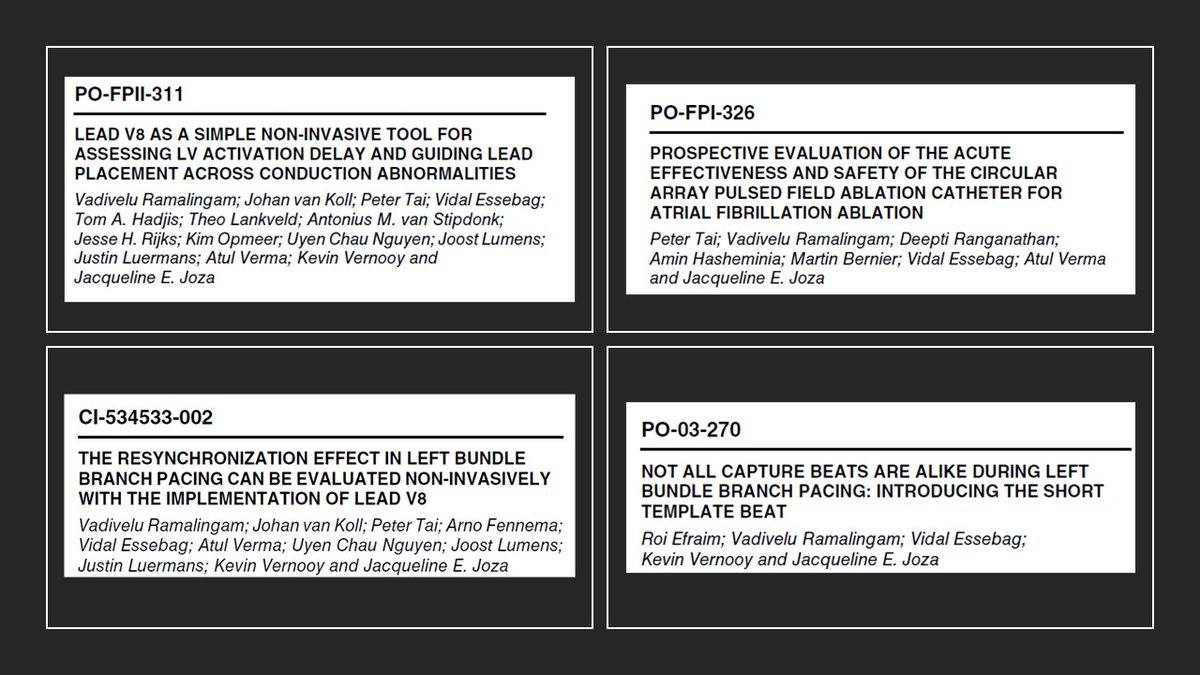
Five of our Scientific works were presented and published as "Featured Posters" in the recently concluded Heart Rhythm Society conference, April 2026. Works were related to LBB pacing, CRT pacing, LOT CRT pacing, PFA for AF ablation, and OAC strategy after AF ablation #NDAT V8
Are we comparing apples to oranges in VT ablation? 🍎🍊
Our new meta-analysis on outcome reporting shows significant heterogeneity that might be clouding our clinical evidence. Time for a standard? 🧵👇
https://t.co/PRkDDAdxNi
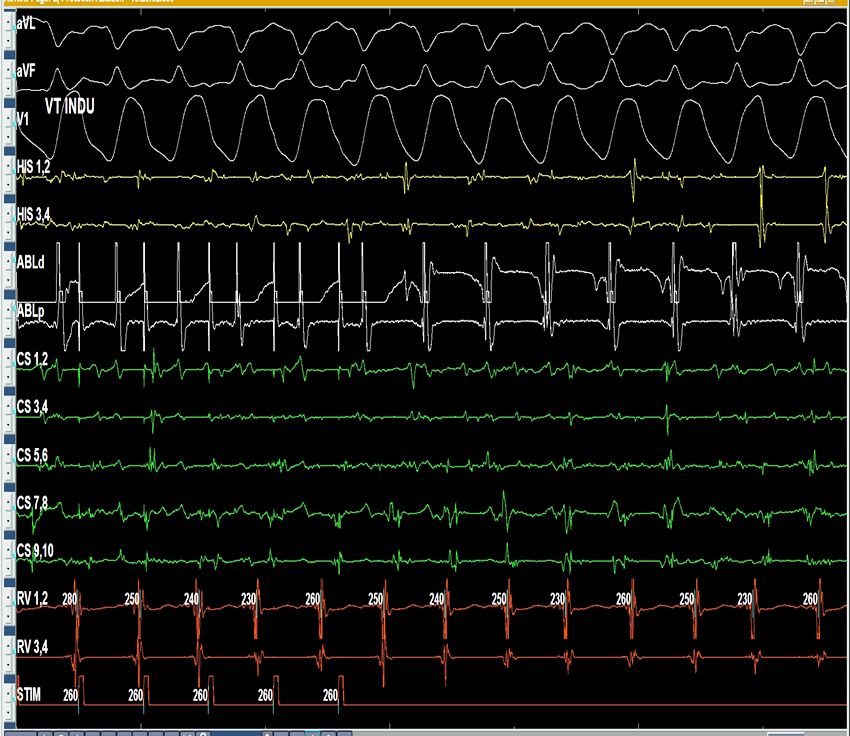
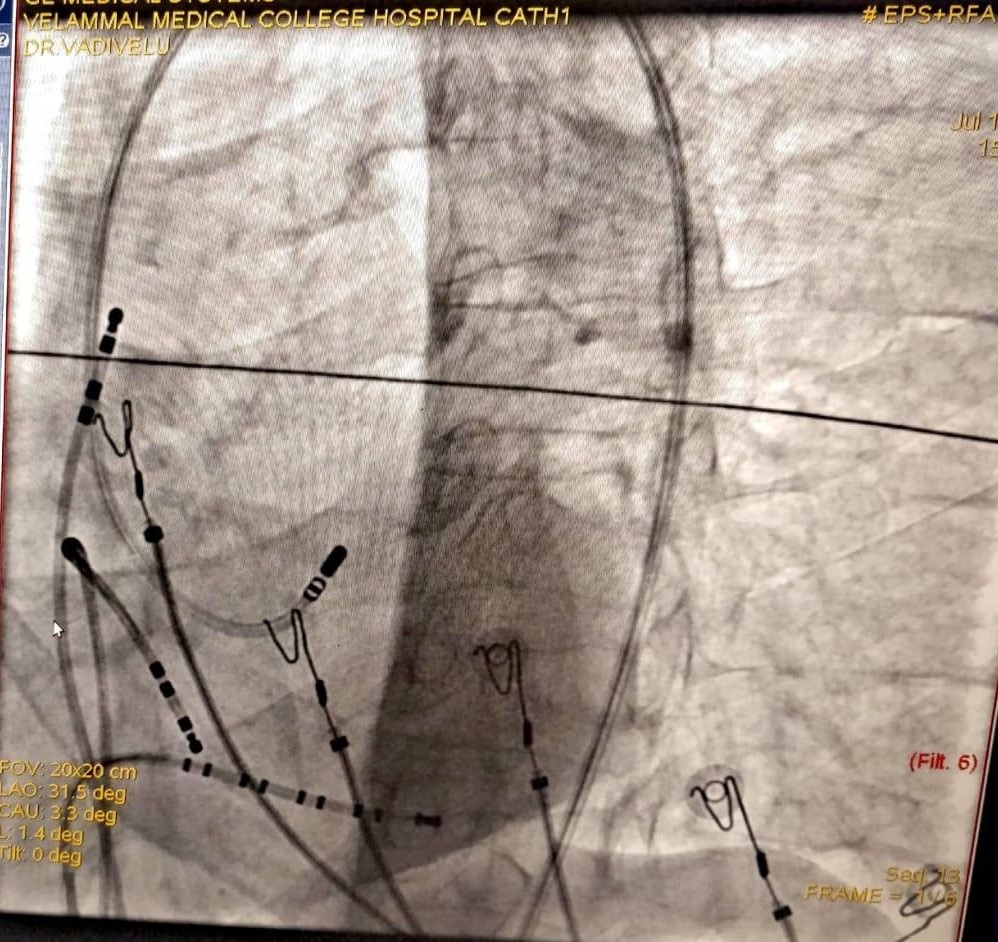
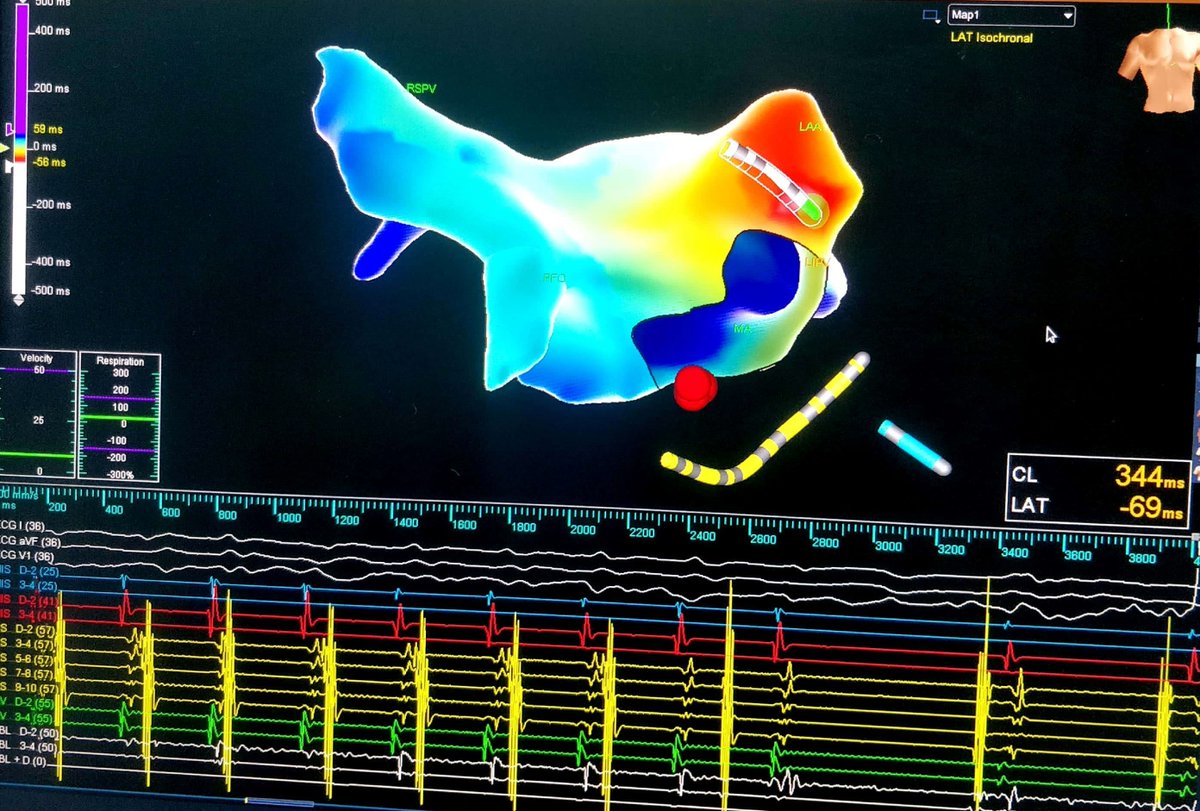
Old AWMI/Post CABG(1998) -Incessant VT; EF 0.20; Dual Tachy (VT and AF; See CS signals)
Scar VT ablation: 5 yrs and 9 months post-ablation doing well; EF 0.3
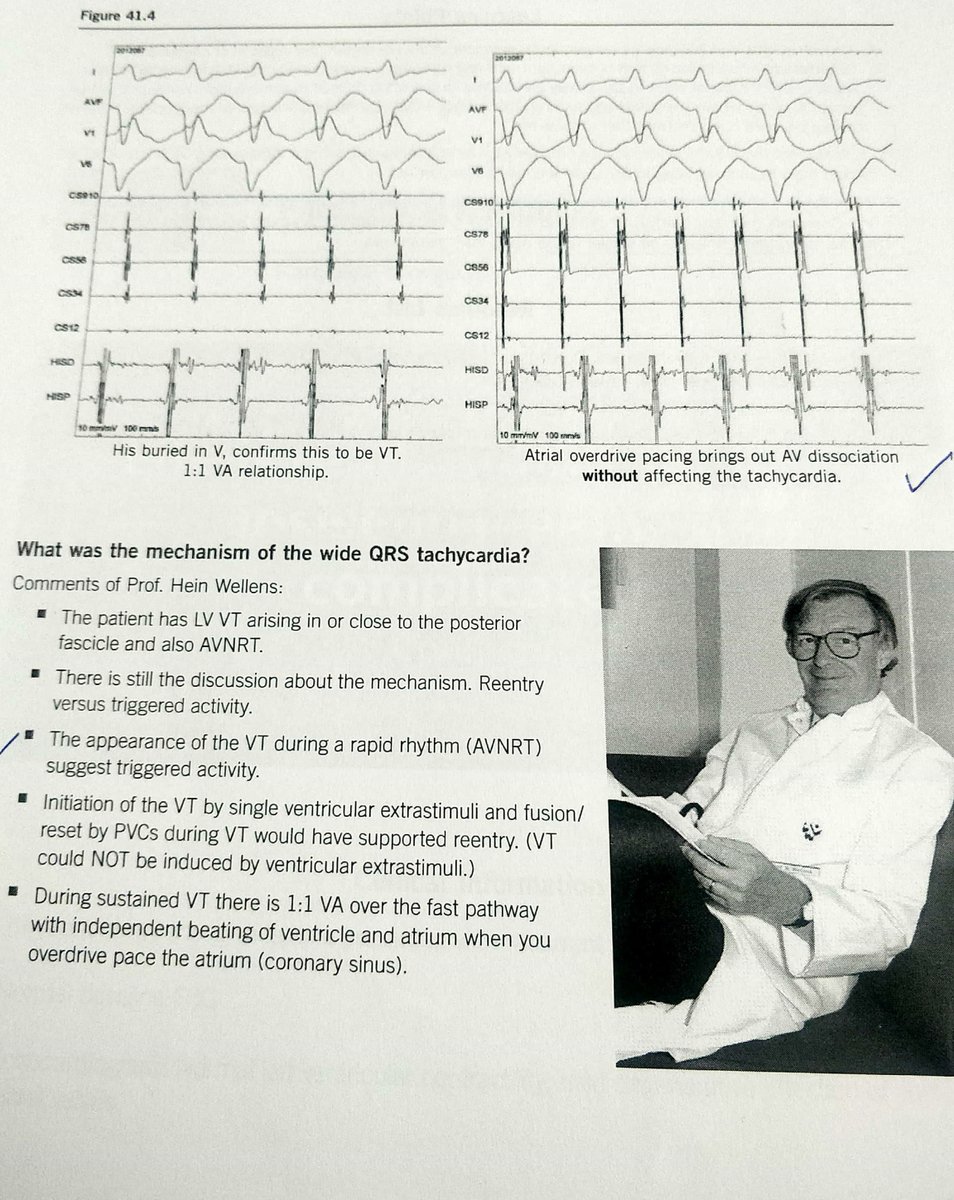
One of the pearls from Dr. Hein Wellens and Dr. Yash Lokhandwala
Sometimes narrow QRS tachycardia-SVT (AVNRT) can initiate wide QRS tachycardia- VT(Fascicular VT)
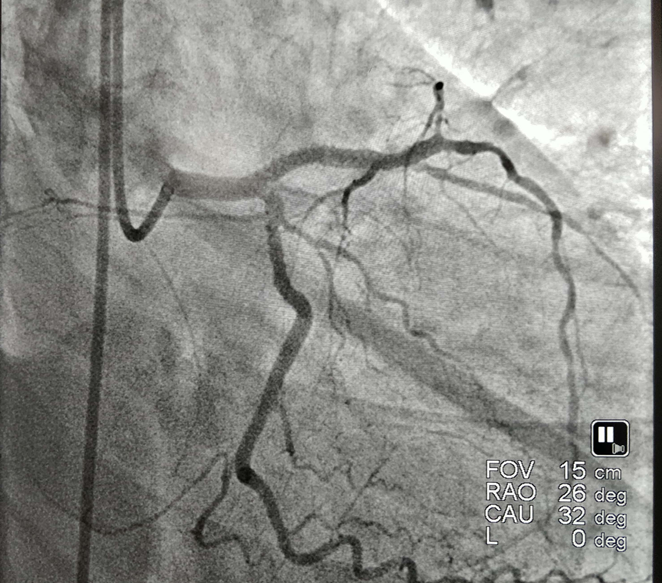
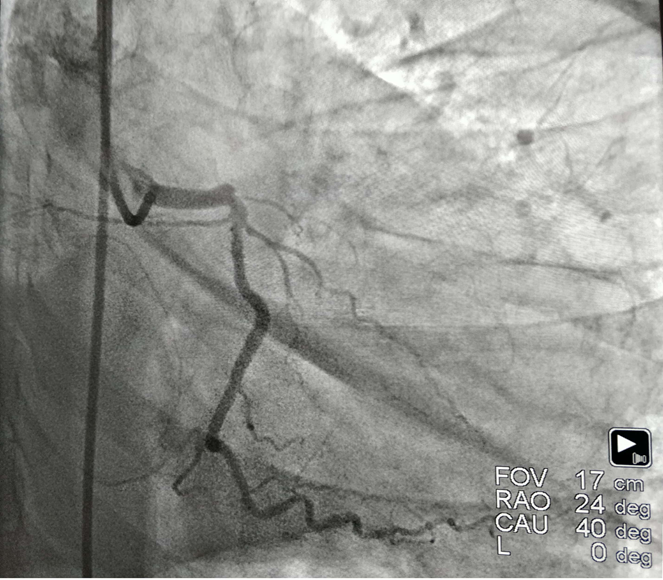
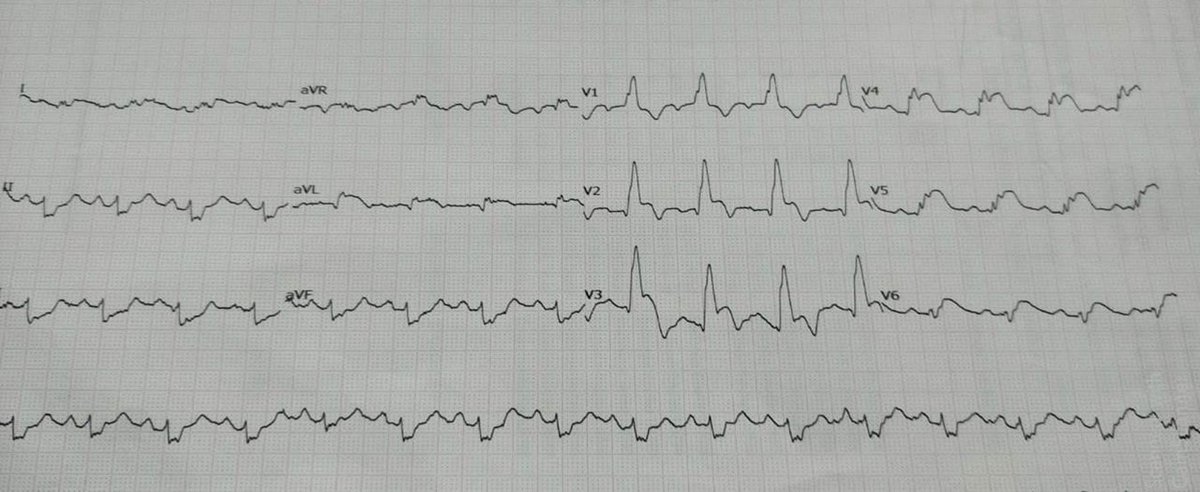
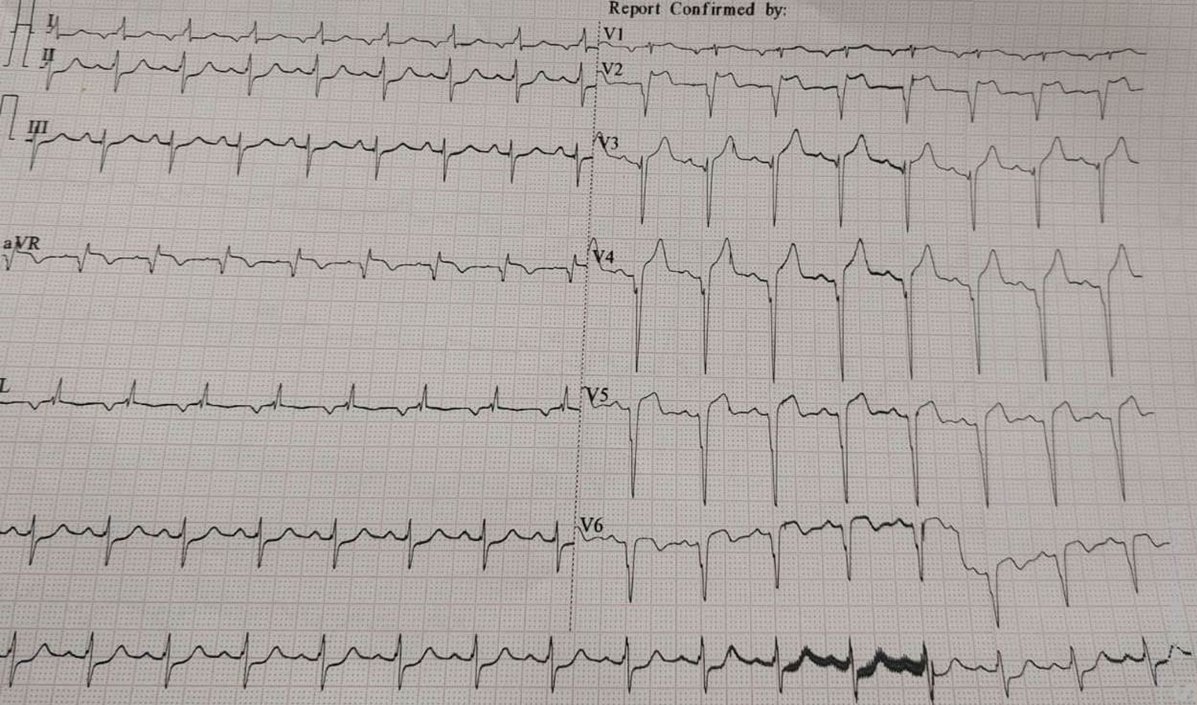
60/M chest pain.ECG-qRBBB STE V1-V5 s/o ostial LAD occlusion seen in angiogram. Post PCI to ostial LAD disappearance of qRBBB s/o successful recanalisation. qRBBB-grave prognosis, large myocardium at risk, more LVSD, mechanical & electrical complications. #veluecgblog#ECG
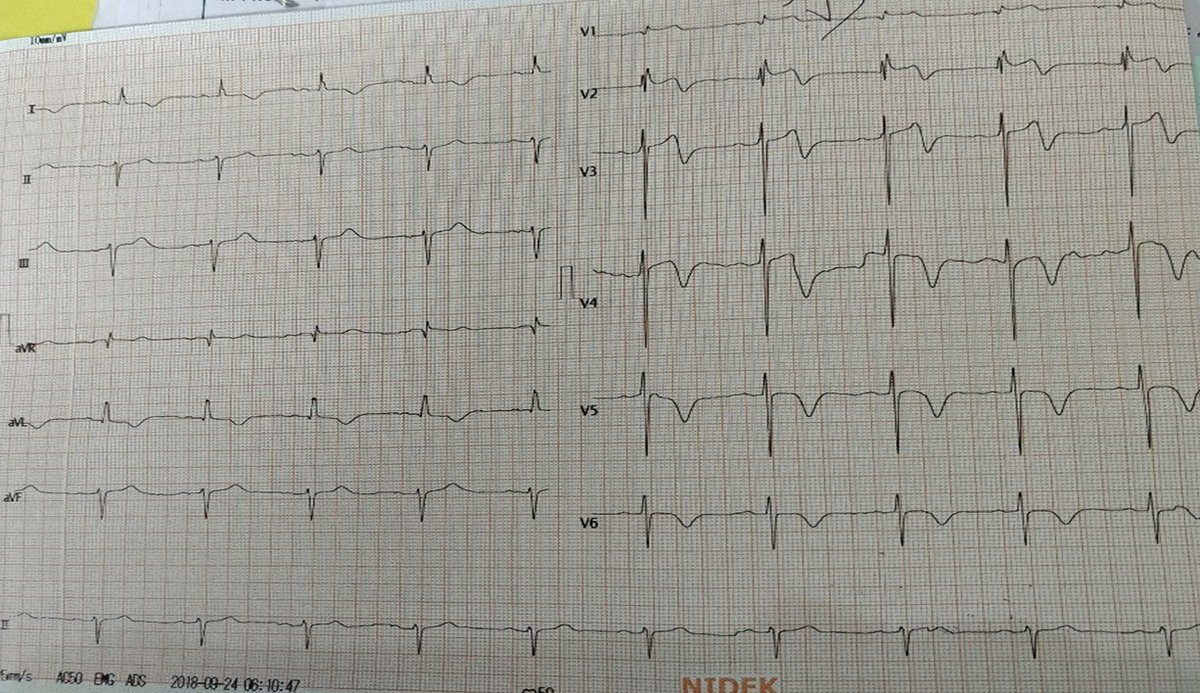
81 Y doctor-chest pain and breathlessness x 3 hours. ECG shows tombstone pattern ST elevation in V1-V6 & AVR suggestive of Ostial LAD Occlusion. Post thrombolysis ECG shows STE resolution and T wave inversion in V1-V3 s/o recanalised LAD. #ecg#veluecgblog