When they first debuted I was so prepared to like them for two reasons one their sound and two long time Sakura fan wanted to see what would happen with her being a K-pop idol. Then the scandal bullying bullshit happened I look away for 3 seconds+
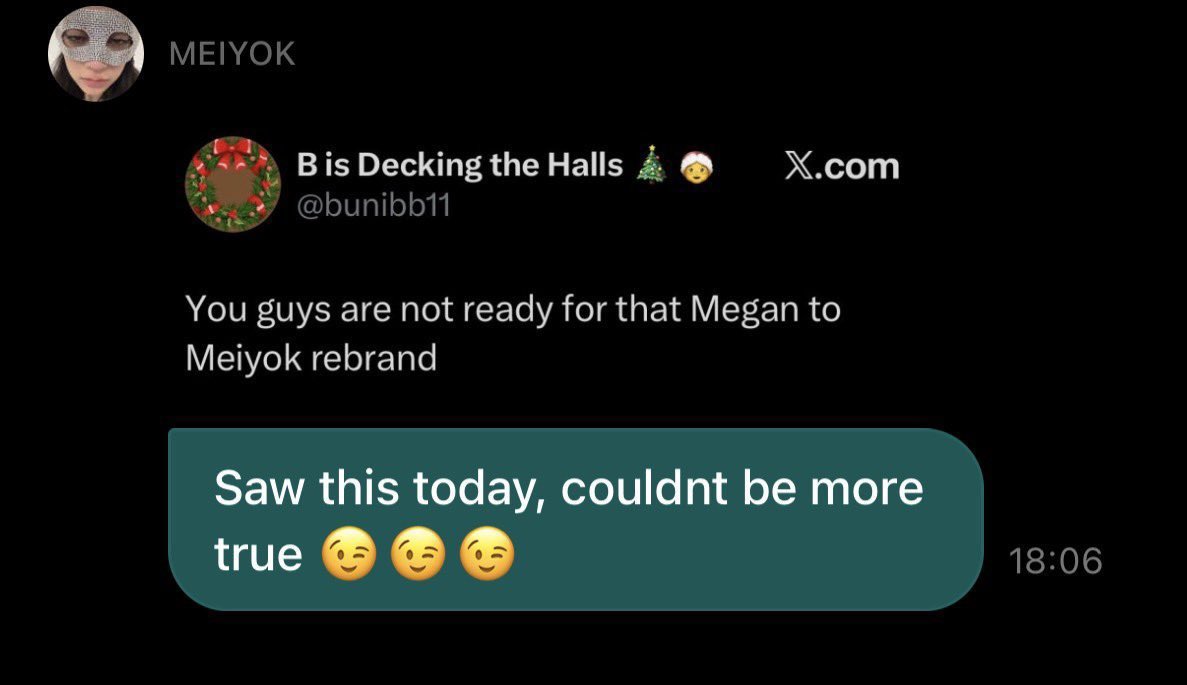
KATSEYE member #Megan under fire for platforming anti-black account @bunibb11
This account is infamous for attacking girl group #FLO, Leigh-Anne from #LittleMix, and her band mate #Manon
Her suspected account @slimshadymegan has unfollowed two people since being called out
Glorifying the kpop system with a mid movie amid discussions of abusive contracts for minors, exhausted idols collapsing from exhaustion, and executives facing fraud charges by the dozens feels like a desperate attempt at image washing, and it is 100% going to work.
Sepanjang MV "OMG", setiap member digambarkan terjebak dalam delusi masing-masing di bangsal psikiatri (Hanni merasa dirinya iPhone, Haerin merasa jadi kucing, Hyein merasa putri dongeng, Minji merasa dokter).
Menjelang akhir lagu, Danielle tiba-tiba sadar dan berkata bahwa mereka sebenarnya adalah NewJeans yang sedang syuting MV "OMG". Adegan post-credit tersebut menegaskan bahwa seluruh cerita dalam MV adalah sebuah metafora tentang batas tipis antara ilusi hiburan K-Pop, delusi penggemar dan realitas di dunia nyata.
@PopCrave What a way to glorify the industry with so many dark sides but since on the surface it’s all lovey dovey, we should promote them to all the kids and teeens right
i don’t really see the need to make this into a movie if they don’t actually show how the kpop trainee life really is. this movie is just hybe propaganda
What disappoints me the most is that I thought once MHJ won all her lawsuits, K-pop fans would finally understand NewJeans’ situation and empathize with them. But now, even with the abusive contract terms coming to light, they still don’t care.
Interesting, various fashion articles have actually pointed out how much NewJeans drove K-pop's balletcore wave, pulling straight from real dancewear rather than just surface-level trends.
Fashion analyses even noted how their dreamy, fairy-like worldview laid the foundation for K-pop's wider "post-balletcore" movement, inspiring a massive shift toward ethereal, fairytale-inspired styling across other K-pop groups and wider street fashion.
jype really thought she was popular enough to carry an album, and now they’ve realized she isn’t. They’re gonna throw every last penny of their budget in promo for her next album because they can’t afford to let the girl they chose over the group flop as a soloist
🚨Reportedly NWJNS were told they would be receiving an award, hence why they attended MAMA
They later found out that the award they were originally supposed to receive was changed to “Producer” award
It was later revealed that the request to change the award came Bang sihyuk
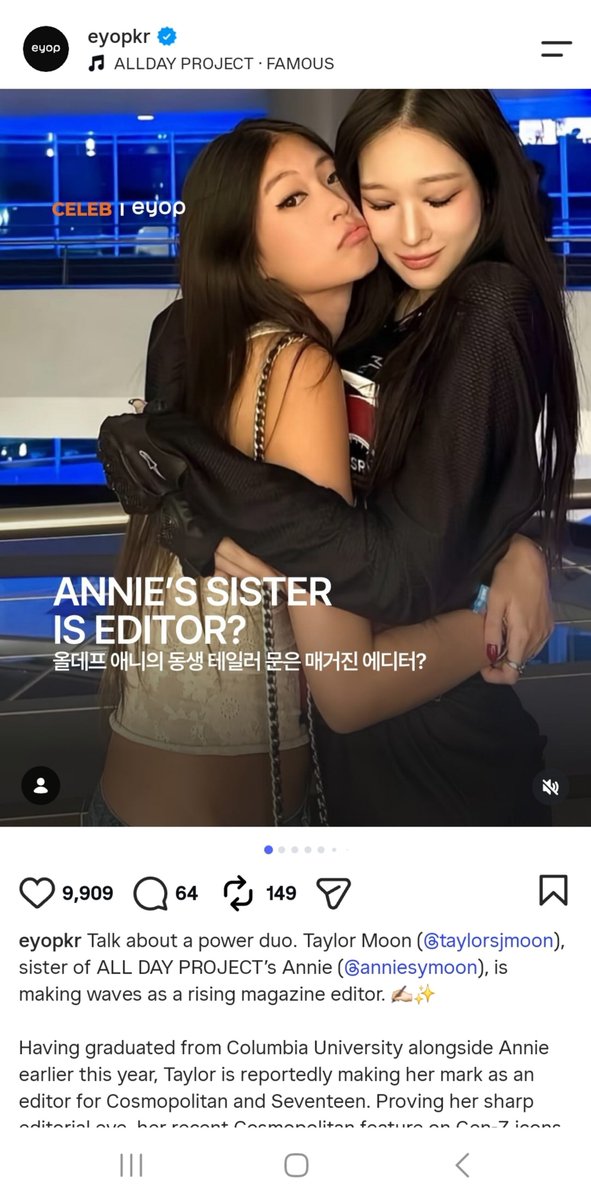
@juantokki I read the article and saw who wrote it. The name seems familiar so I checked it... and voila. No wonder the writer's opinion felt like it came from a place of privilege. Lol
I can’t believe how this Cosmopolitan article tried to justify the entrenched toxic system in K-pop.
The issue here is not outsiders imposing their standards on South Korea, nor is it outsiders failing to understand the cultural nuances of K-pop. This is a human rights issue. And human rights do not become optional simply because an industry has its own traditions, a unique business model, or a history of commercial success.
Cultural context can help explain how the K-pop system developed, but it cannot be used to excuse harmful practices or shield powerful entertainment companies from accountability. Long working hours, excessive control over young artists, psychological pressure, restrictions on personal autonomy, inadequate protection of minors, and the unequal power dynamics between agencies and artists are not merely cultural differences. They are legitimate concerns about human dignity, workers’ rights, and the protection of children.
And the argument that idols openly discuss their trainee years or that these practices have been normalized within the industry is particularly concerning. Normalization does not make something acceptable. The fact that young people have learned to endure certain conditions, or have been conditioned to see them as necessary sacrifices for success, does not mean those conditions are harmless. People can participate in a system and still be harmed by it. They can even defend the very system that has failed to protect them.
Then comes the argument that these controls might be responsible for producing global K-pop superstars. Since when does commercial success justify the mistreatment of the people who make that success possible? Are we seriously suggesting that the achievements of an entertainment industry would not have been possible without sacrificing artists’ autonomy, wellbeing, and basic rights? If an industry needs to compromise the rights of young people to remain commercially competitive, perhaps the industry itself needs to change.
And why on earth is the success of the industry being given more consideration than the human beings working within it?
There is also something deeply troubling about framing criticism as a white-savior complex. It conveniently shifts the conversation away from the actual concerns and turns a discussion about artists’ rights into a debate about who has the cultural authority to speak. But these concerns are not exclusive to Western critics. South Korean journalists, lawyers, human rights advocates, former trainees, artists, and even government institutions have raised questions about working conditions and the need for better protections. The November 16 announcement of a government survey following the NewJeans controversy, regardless of whether it came from genuine concern or a need to show the public that the government was taking action, demonstrates that these are legitimate domestic concerns, not simply a case of foreign interference.
Respecting Korean culture does not mean unquestioningly accepting every practice within the Korean entertainment industry. Koreans themselves have different opinions, and many are also speaking out against these practices and calling for change. Its artists, workers, parents, lawyers, and citizens are entitled to question the institutions operating within their own society. Calling for better protections is not an attempt to impose Western culture. It is an acknowledgment that the people serving as the life blood of this multibillion-dollar industry deserve the same fundamental protections and dignity as anyone else.
K-pop does not need to abandon its cultural identity to protect its artists. It needs to stop treating exploitation as an unavoidable price of success.
We should be asking how to build an industry that can produce extraordinary artists without compromising their human rights, not defending the conditions that may have made those artists vulnerable in the first place.
🔗: https://t.co/uewh9b9Ng3
a billionaire conglomerate heiress from south korea with an ivy league degree is telling fans and the new york times they have a "white-savior complex" for worrying about a kpop group's exploitative contract and a concussed young idol dancing in a heart monitor. trust fund bby pls