HOW TO SELECT YOUR BABY'S SEX.
Sperm cells are either X or Y. The Egg cell is always X. If X-Sperm cell meets the egg(X) the baby will be a Girl (XX). If Y-Sperm cell meets the egg(X), the baby will be a Boy (XY).
The Y-Sperm cells move fast but die fast (its lifespan is about 24hrs). X-Sperm cells move slowly but survive longer (up to 3-4days).
Therefore, if you have intercourse some days before ovulation, most of the Y-Sperm cells would have died leaving mostly X-Sperm cells to fertilized the egg
Here's a simple way to calculate your ovulation period.
1. From the first day you see the blood of your period.
2. Pick up a calendar and count 15 days including the first day of the blood stain.
3. Mark the 15th day with a pen.
Check Thread 👇
Troubleshooting Common Issues With SFP Modules ❓
Common Issue 2: Unstable Link or Frequent Disconnections
Issue Description
Another common issue is an unstable link or frequent disconnections, which can severely impact network performance and reliability.
Hello everyone so let's create an educational Cybersecurity thread.
You will mention a tool you've used in your Cybersecurity journey and you tell us what's the function of that tool.
@ireteeh@jay_hunts@OnijeC @Sec_fortress @commando_skiipz@sisinerd@CyberSecFalcon
Dear future wife,
I am saving the video, cause I love banana bread, I have an idea how to make it, I’m sure it’d be easy for you.
I hope you too know how to make it sha, you can always learn.
You can now apply for the German Opportunity card. This may be the opportunity you have been waiting for. The requirements are achievable.
According to BBC, "those granted the Opportunity Card can live in Germany for up to one year while looking for work, rather than requiring an employer to sponsor them beforehand. The card also allows people to legally work part-time while searching for something more permanent"
I also went to the German Embassy in Nigeria website and filled the visa navigator form, and it showed that based on the details I filled in, I can apply for an opportunity card. Don't sleep on this, please. 🙏🙏
https://t.co/wk5VYgm42Y
https://t.co/3raUmJ0lk6
SCHOLARSHIP ALERT!!!
Learn Cybersecurity and how to build a career in it for FREE.
Powered by @ingressive4good and @cisco
Apply here https://t.co/IsikSkgAec ✨
Applications close on the 18th of June, 2024.
Tell someone about this opportunity, you may change their lives 🤍
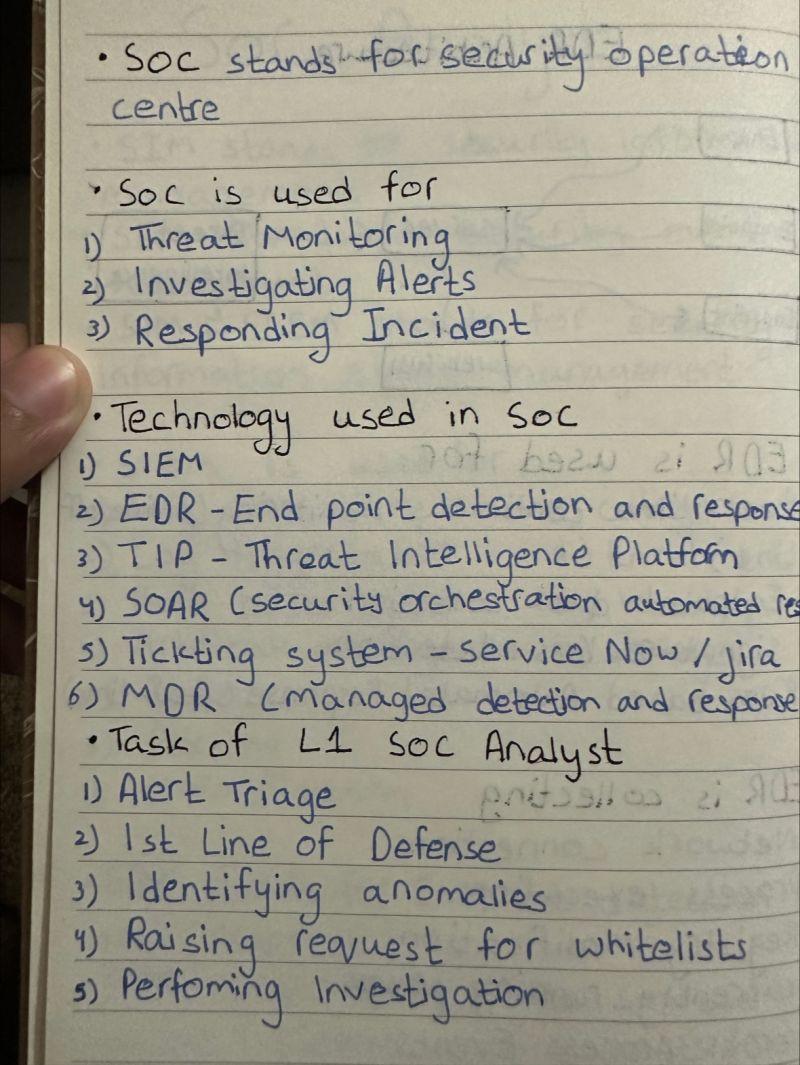
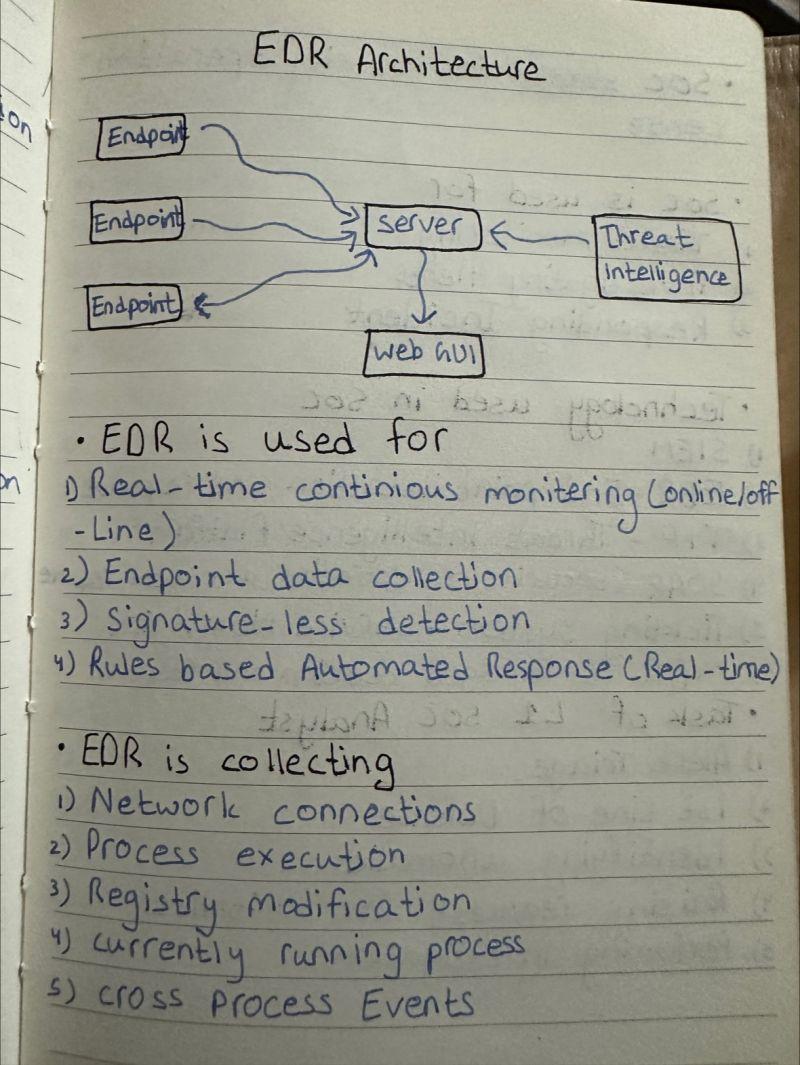
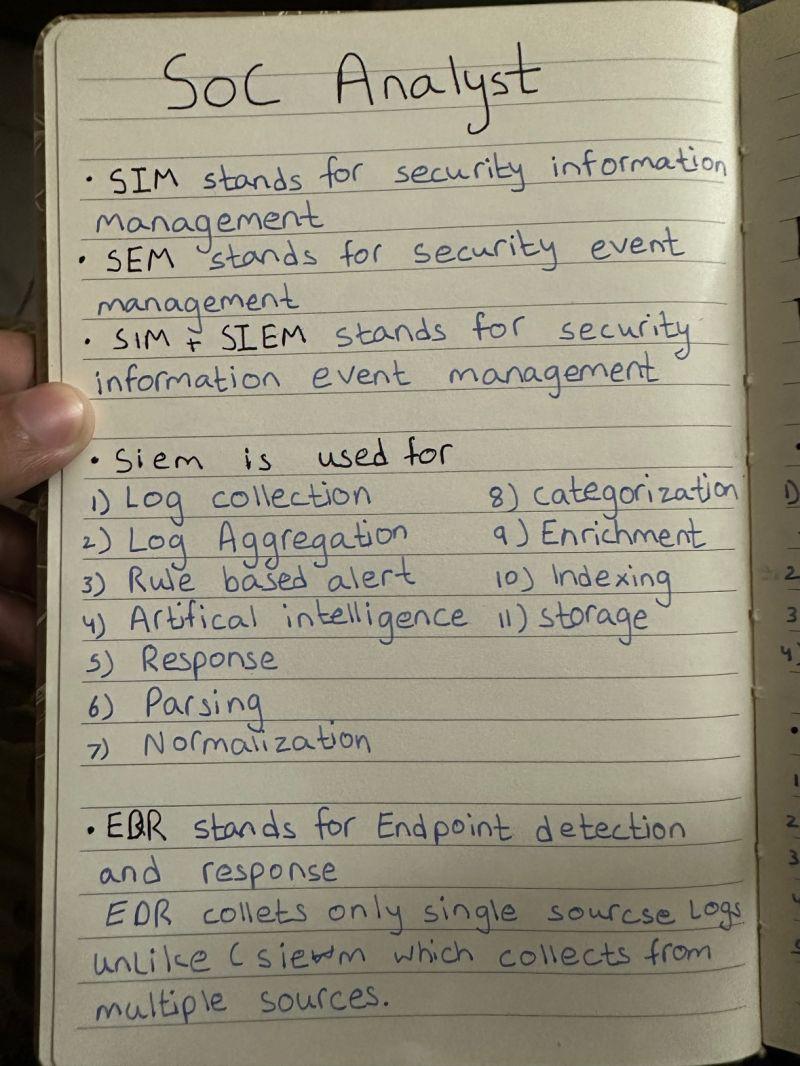
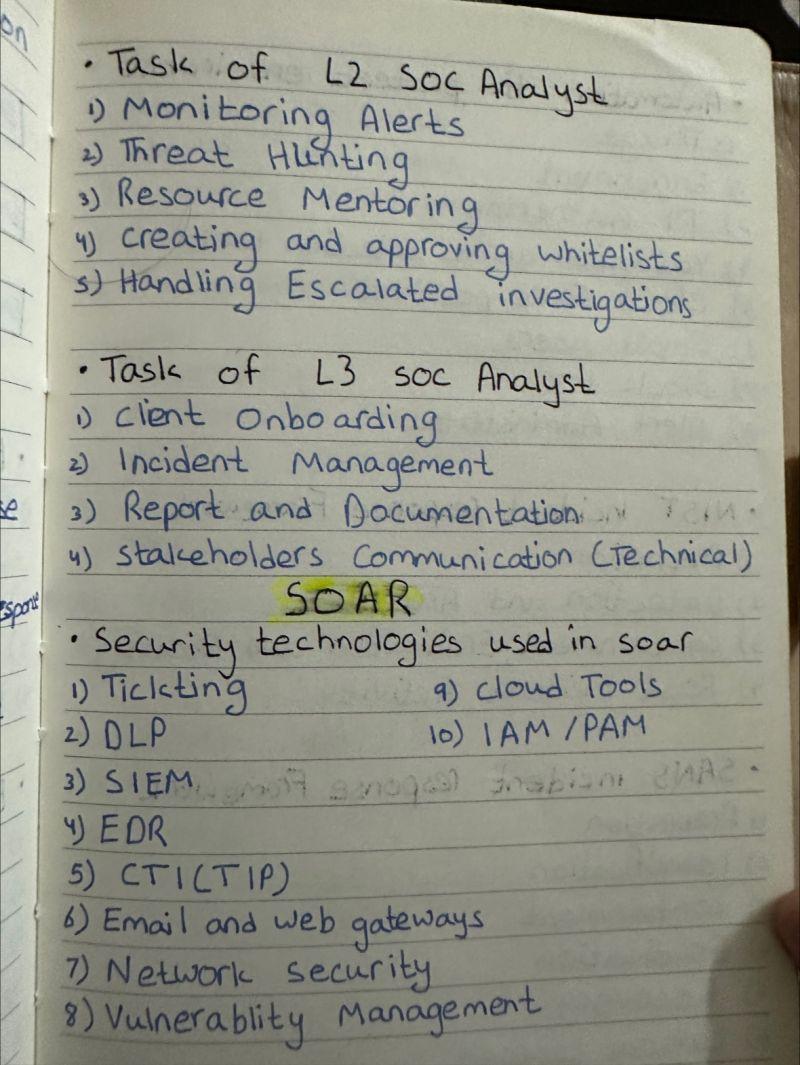
SOC ANALYST MUST-KNOW LIST
1. Incident Response Phases:
Preparation: Establish incident response policies and procedures.
Identification: Detect potential security incidents.
Containment: Limit the scope and magnitude of an incident.
Eradication: Remove the root cause and any traces of the incident.
Recovery: Restore and validate system functionality.
Lessons Learned: Document the incident and improve future response efforts.
2. Common Tools and Commands:
Wireshark: Packet analysis tool.
tcpdump: Command-line packet analyzer.
nmap: Network mapping tool.
Netcat: Networking utility for reading/writing network connections.
Splunk: Log analysis tool.
3. Log Monitoring:
Monitor authentication logs, system logs, application logs, and network traffic logs.
Key log files in Linux:
/var/log/auth.log
/var/log/syslog
/var/log/apache2/access.log
etc.
4. Indicator of Compromise (IoC)
Identification: IP addresses, URLs, domain names, and file hashes.
Unexpected system or network behavior, unusual outbound traffic, and alerts from security tools.
5. Phishing Analysis:
Verify the sender's address and domain. Look for urgency, grammatical errors, and suspicious attachments or links.
Use tools like VirusTotal or https://t.co/xMJytgrvG1 to analyze URLs and files.
6. SIEM Utilization:
Familiarize yourself with your organization's Security Information and Event Management (SIEM) tool.
Develop and refine correlation rules to detect anomalies and potential threats.
Regularly review and investigate alerts generated by the SIEM.
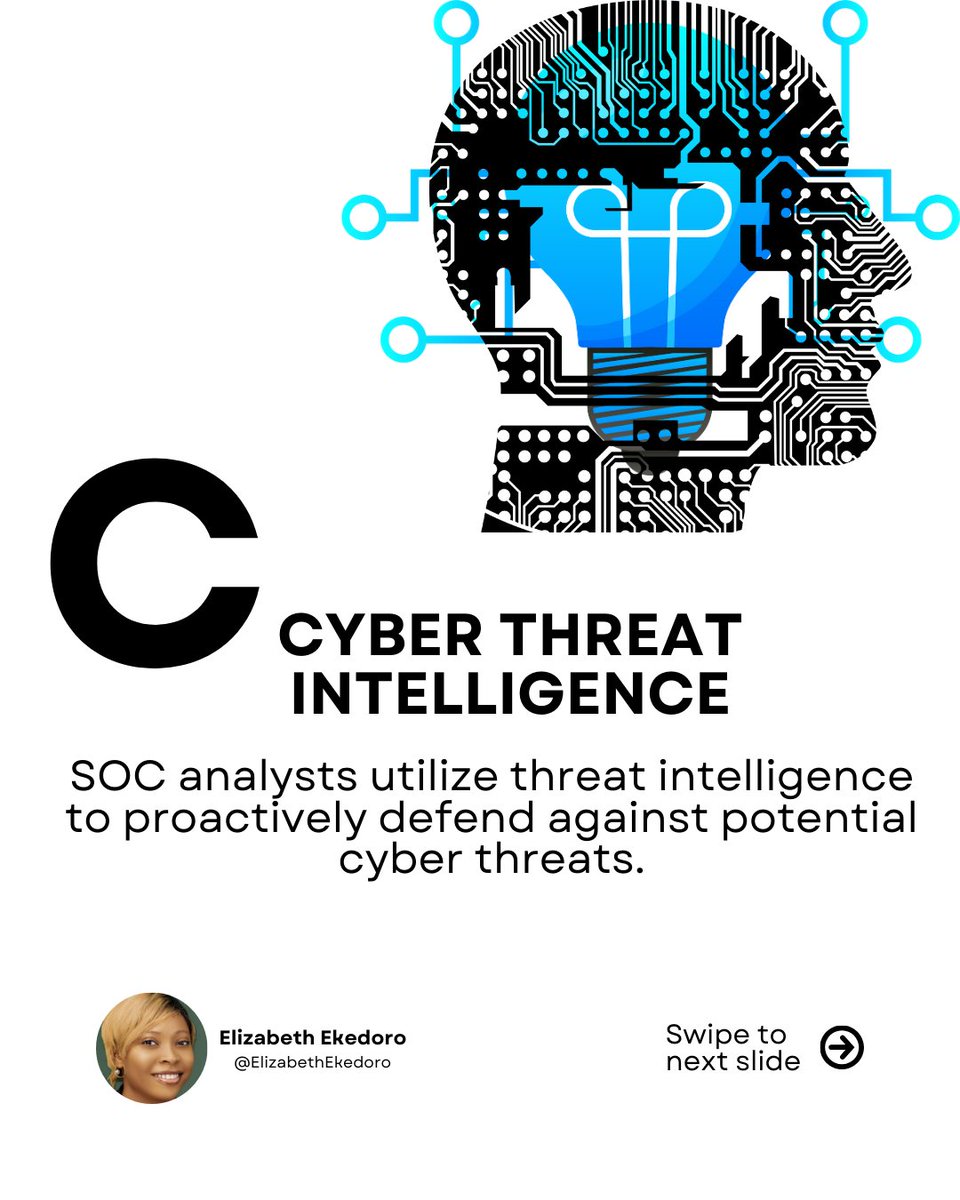
7. Threat Intelligence:
Utilize threat intelligence feeds to stay updated on the latest threat actors, malware, and vulnerabilities.
Integrate threat intelligence into security monitoring and incident response processes.
8. Communication:
Document all findings and actions taken during incident investigation and response.
Communicate effectively with relevant stakeholders during and after an incident.
9. Continuous Learning:
Stay updated with the latest cybersecurity trends, threat intelligence, and best practices.
Participate in training, webinars, and conferences.
10. Daily Checks:
Check for critical alerts and review dashboards in your SIEM.
Monitor news feeds for the latest vulnerabilities and threats relevant to your organization.
11. best platforms for learning:
LetsDefend
Security Blue Team labs
HackTheBox - Dr. AITH
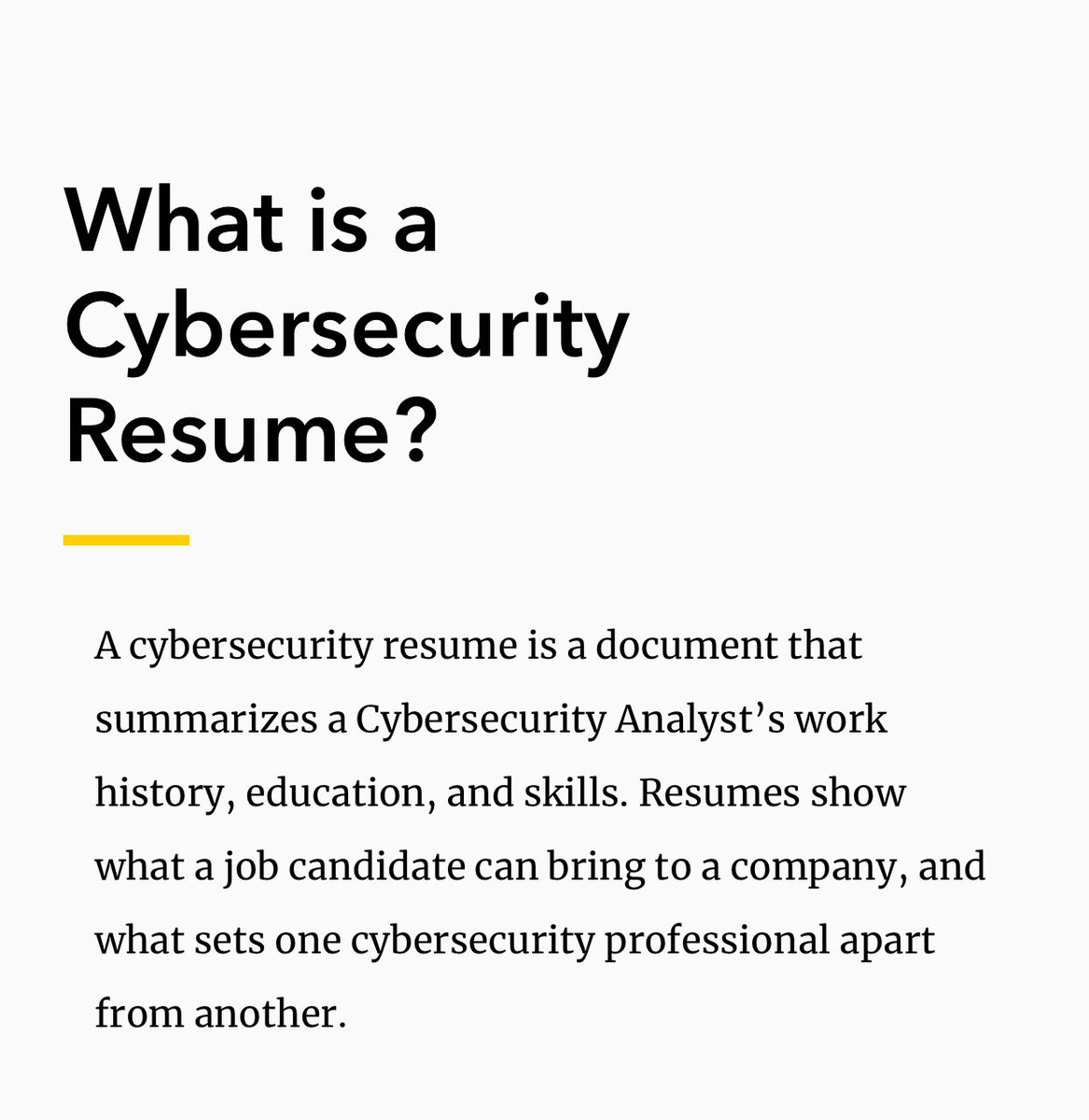
If you are actively searching for a Cybersecurity job, read this post 👇🏾
1.PREPARE
Ensure you have obtained the relevant skills, knowledge and experience required for the job you are applying for. Conduct a Skills Gap Analysis by comparing your CV to the job descriptions. Identify the key skills you are yet to acquire.
2.IMPROVE
Use learning platforms, certifications, bootcamps, freelancing, internships and volunteering experience to fill in the gaps you identified. Update your CV.
3.TEST
Test your CV by applying for the jobs you’re interested in. Read the job specifications before applying. Understand important criteria like country of location, security clearance, visa requirement etc before applying.
4.STRATEGIZE
If you are not getting any recruiter calls or interview invites, you may have to review your CV and restrategize. This may be caused by different factors (being out of job, gaps in employment, location, skills/certification gaps etc). You may want to ask for help by asking someone experienced to review your CV.
5.TRACK
Track every job application you submit. Update your tracker when you get recruiter calls and interview invites (by stages). Keep track of every organization you have interviewed with.
6.INTERVIEW
Never go to an interview unprepared. Practice interview questions before your interview. Ask yourself important interview questions like “Tell me about yourself, Why should we hire you, Do you have any question for us”? Record your responses and listen to yourself when done. Practice repeatedly until you are confident. Learn how to use the STAR technique to respond to scenario based questions. Prepare for both technical and soft skills questions. Attend a Mock Interview Prep session.
7.CONTINUE
Continue to attend interviews if you don’t get an offer. It may get tiring and frustrating at some point. I usually tell people that the more interviews you attend, the better you get at responding to interview questions. If you can, ask the recruiter or hiring manager for feedback, this will help you get better.
8.OFFER
From experience, accepting an offer does not mean the job is yours. Wait for all the required checks to be completed before you get extremely excited. If you have upcoming interviews, you may want to still attend them. The job is truly yours once all checks are complete and your start date is confirmed.
9.CONGRATULATIONS
The wait is over, you have finally joined the league of Cybersecurity Professionals. It can only get better. Never forget that continuous learning and improvement is important in this field.
Whether it's a career in...
#Networking 💻
#Programming 🐍
#Cybersecurity 🔒
You need to start with the fundamentals. That's why we have our...
NetAcad courses: https://t.co/uG4caXkw1g
Skills for All courses: https://t.co/blNjgRBzWp
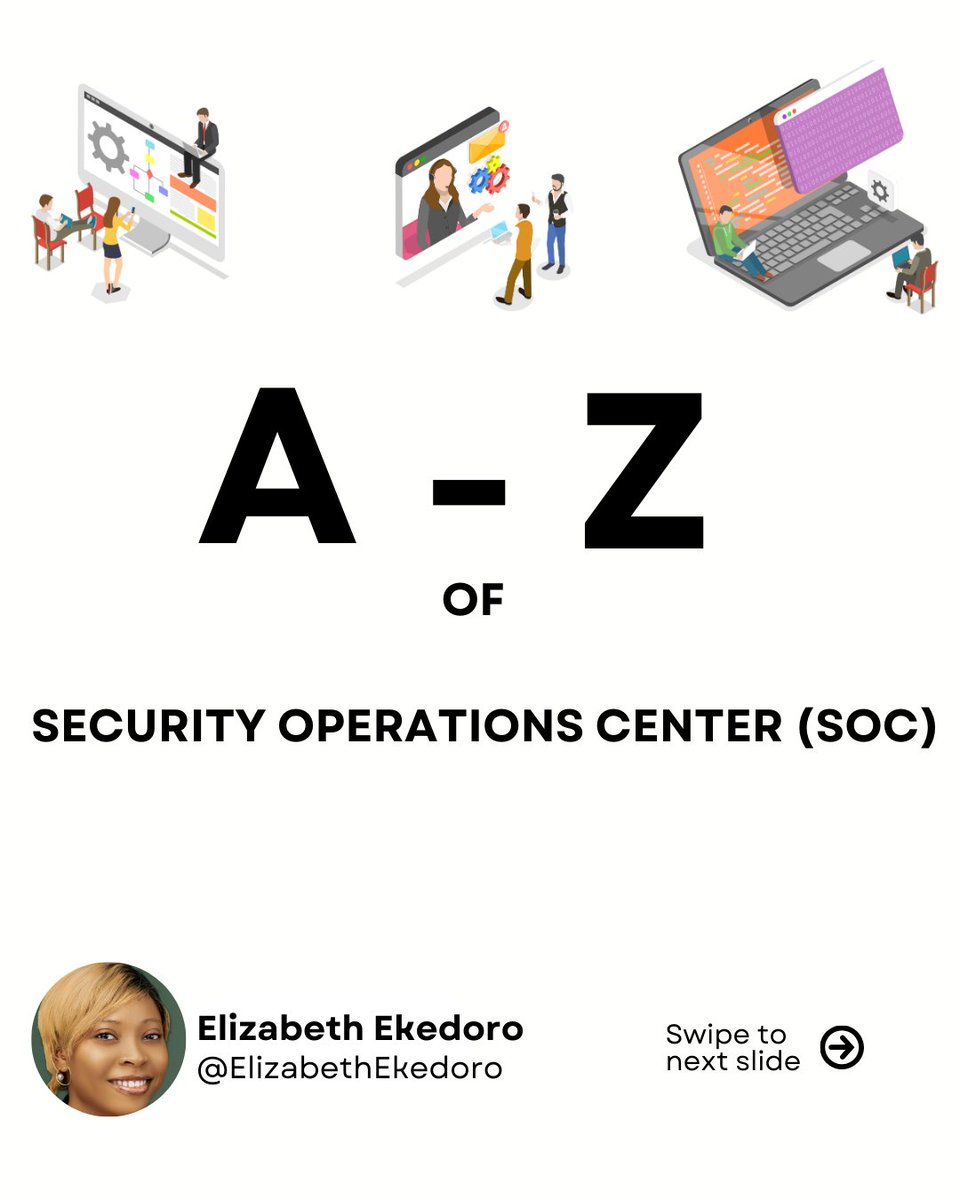
Are you interested in becoming a Security Operations Center (SOC) analyst?
Here's an A - Z I created about SOC to get you started.
Let me know what you think in the comments section below!
#Cybersecurity#SOC#SOCAnalyst
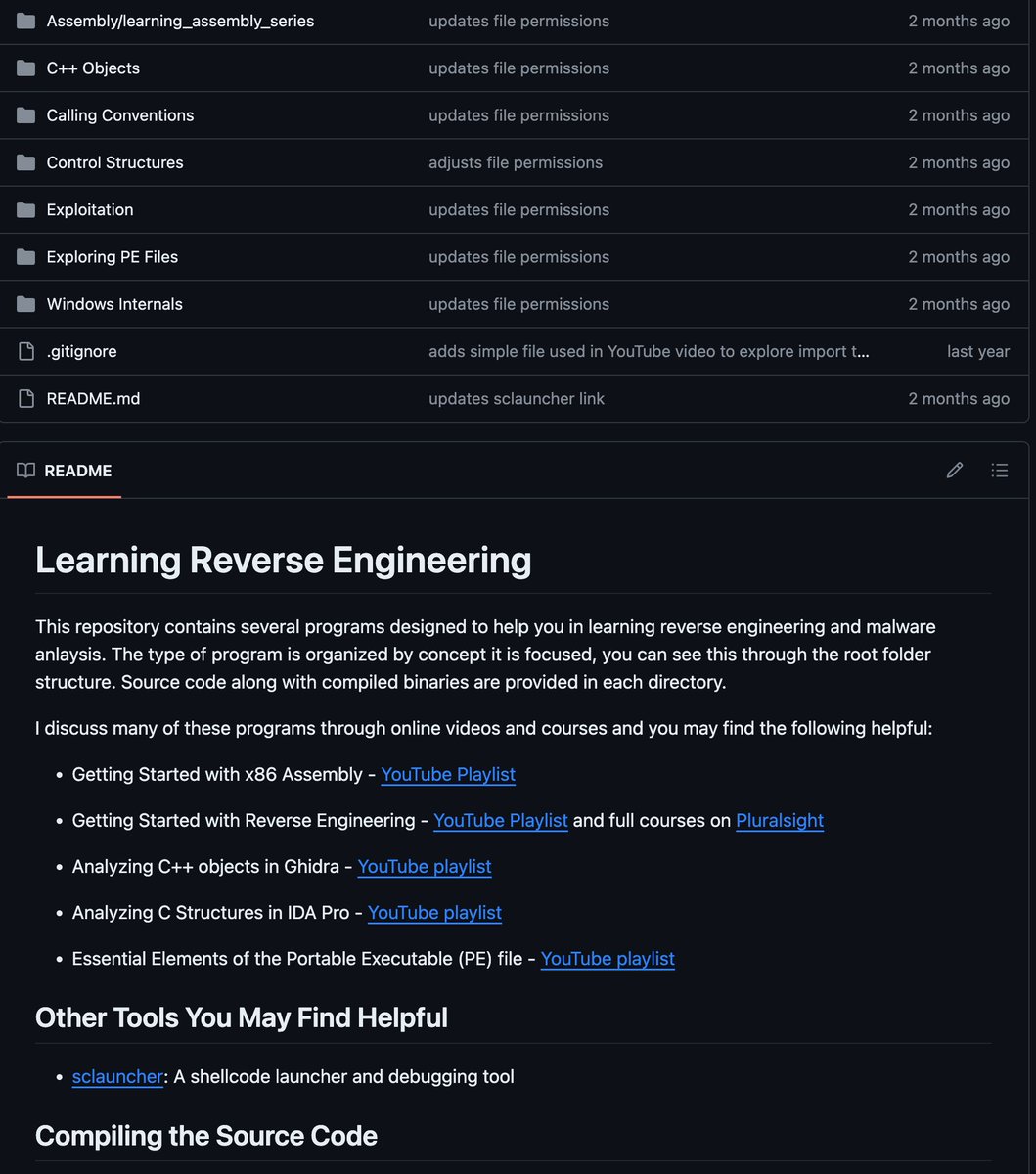
If you're looking to learn #malware or #reversing , I have a couple of #github repos that can help 👇
👿 https://t.co/DXvS6Oqpha
🛠️ https://t.co/2LTg7ngwT9
Source code that you can compile to help w/ deeper understanding - many link to videos on #youtube as well!