Virtual Vaults by @spaceandtime are custom credit vaults secured by cryptographic proofs.
They are designed for collateralized credit, with vault terms like collateral mix, margin thresholds, and liquidation logic.
Lenders can verify vault state in real time, while borrowers retain custody and control.
Margin calls, top-ups, and liquidations can be triggered from proven oon-chain data.
For credit markets, this means less reliance on delayed reports or third-party verification.
Mob is a new multi-platform signing client for @burnt_xion .
It is built around one Rust core and supports native bindings for Kotlin, Swift, Python, Ruby and more through UniFFI.
For developers, this means they can work with the same XION signing API across the languages and platforms their products already use.
See more below👇
AI agents already know how to trade and coordinate on-chain. Now they can fund themselves too.
@Fetch_ai recently launched Agent Launchpad. Agents can issue their own tokens and build a real economy around what they actually do.
An agent does useful work, the community backs it with a token. Pricing runs on a bonding curve, no order books, no middlemen. Every trade and every deployment creates direct utility for FET.
When a token hits the liquidity threshold, it graduates automatically to a decentralized pool. Liquidity is locked forever, not by promise, by code.
Post-quantum key exchange is now live in NymVPN as part of its security roadmap. The update from @nym is implemented via the Lewes Protocol and is available for testing in Fast mode.
It strengthens the key exchange phase — critical to overall VPN security — and is designed to address future quantum threats, including “harvest now, decrypt later.” The protocol also improves connection startup performance.
This is the first of three phases in Nym’s post-quantum plan. The feature is currently optional and can be enabled in settings.
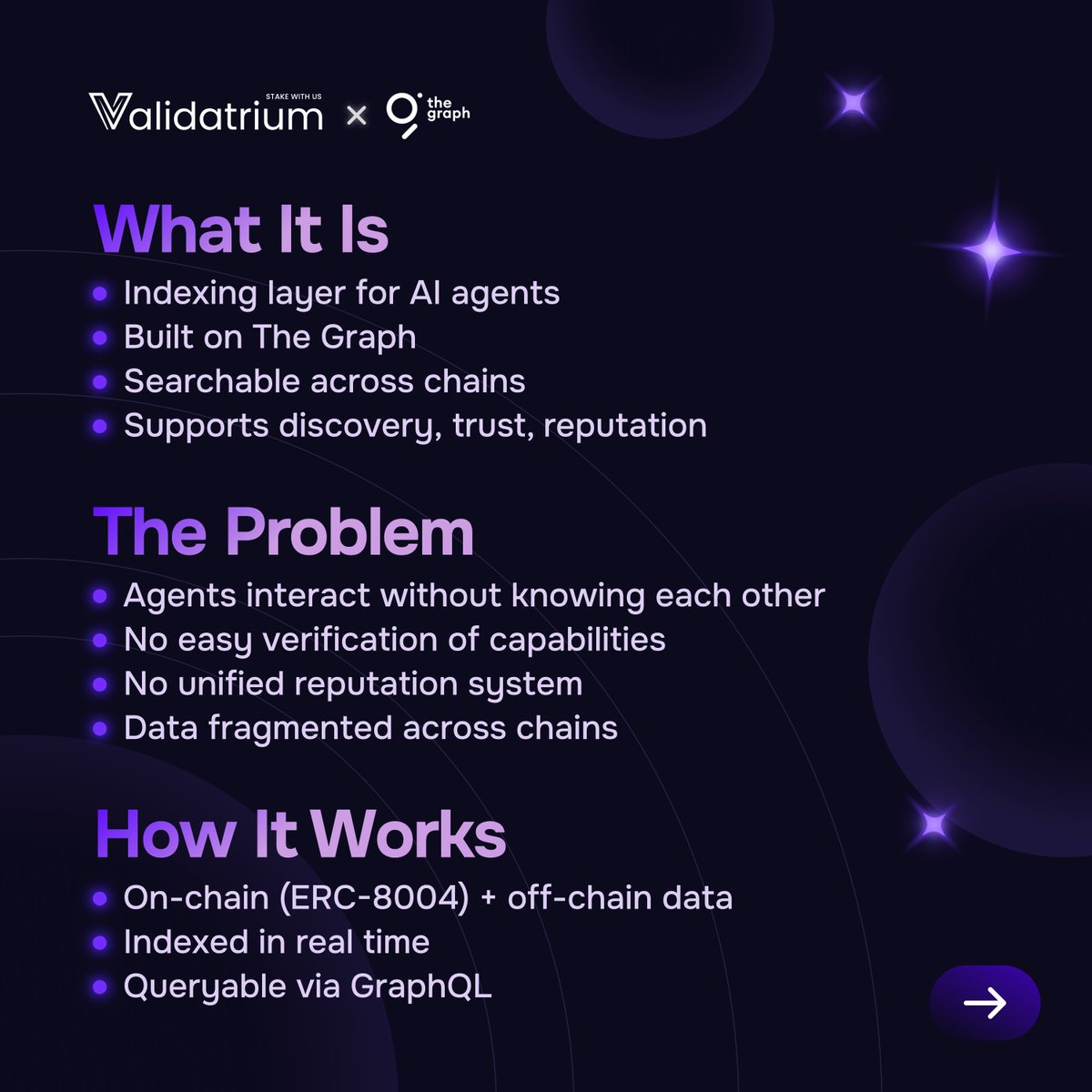
AI agents are starting to act like real participants in the economy.
They interact, make decisions, and transact across chains.
But without structured data, they can’t really find or evaluate each other.
That’s what the @graphprotocol is solving with Agent0 Subgraphs.
More below👇
sPOL has recently launched as @0xPolygon native liquid staking token.
Over 3.6B POL is currently staked, but only a small portion is liquid. sPOL unlocks that capital: stake POL and receive sPOL in return.
It starts at a 1:1 ratio and increases over time as rewards accumulate, while your position remains liquid and usable across DeFi.
No lock-ups, no interruptions in rewards. Validators in the sPOL program also share a portion of priority fees with stakers.
A step toward making staked assets more usable within the Polygon ecosystem.
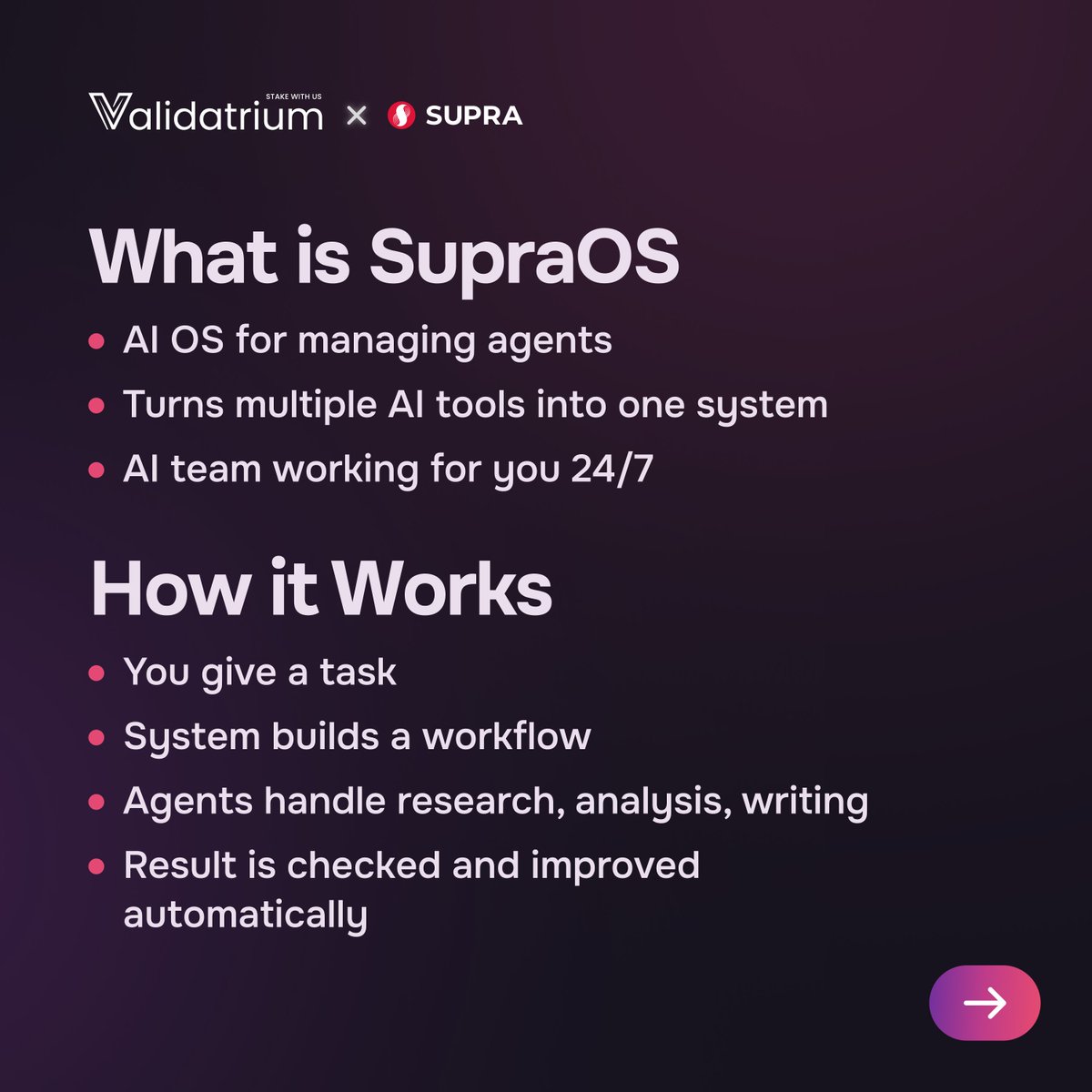
AI is starting to feel less like a tool — and more like something that can run work for you.
With SupraOS, @SUPRA_Labs is pushing that shift forward.
Agents coordinate, execute tasks end-to-end, and improve results over time.
More below 👇
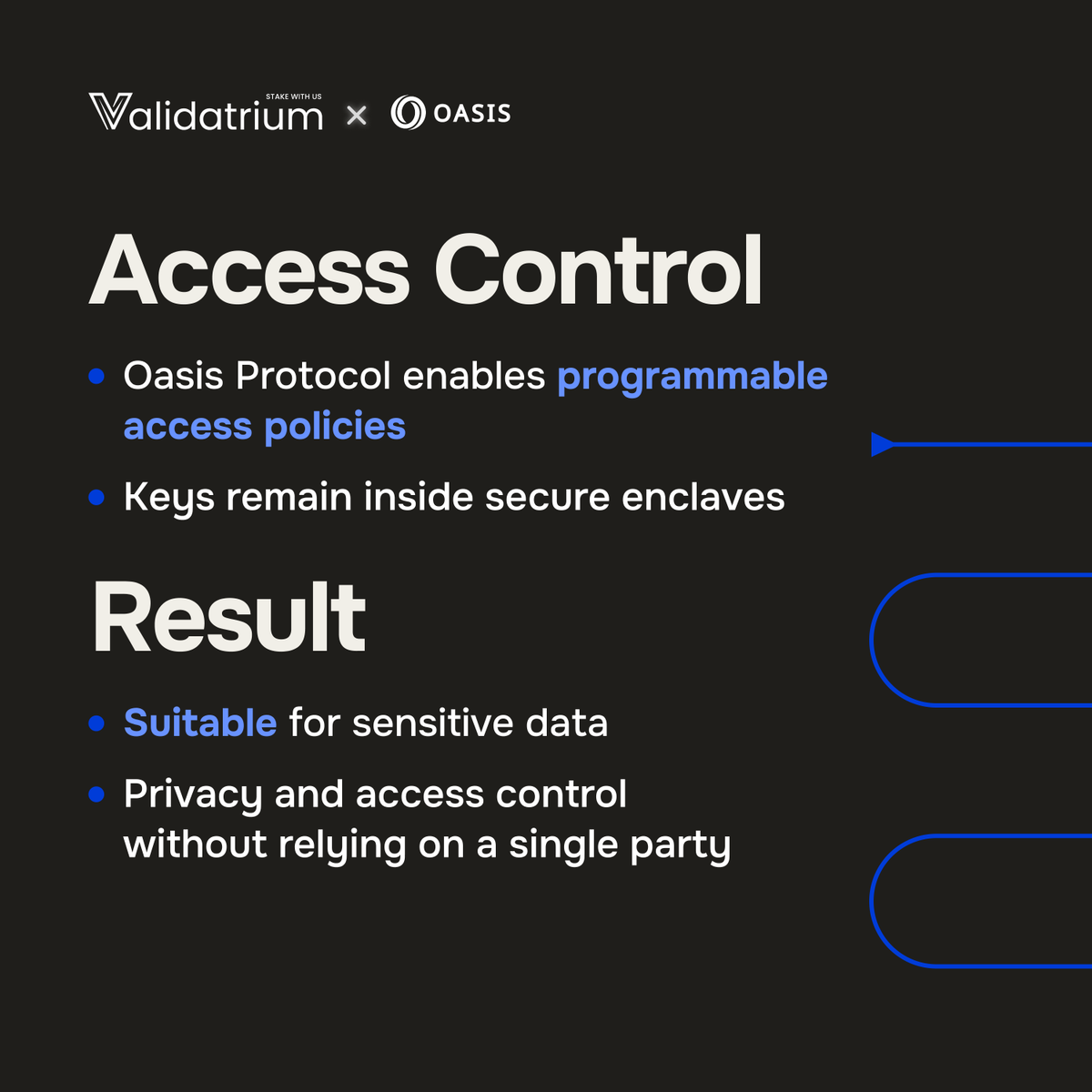
Decentralized storage has made data way more accessible and resilient, but privacy and real control are still basically nonexistent.
@OasisProtocol adds a privacy layer with Sapphire,
where data is encrypted before storage and handled inside secure enclaves.