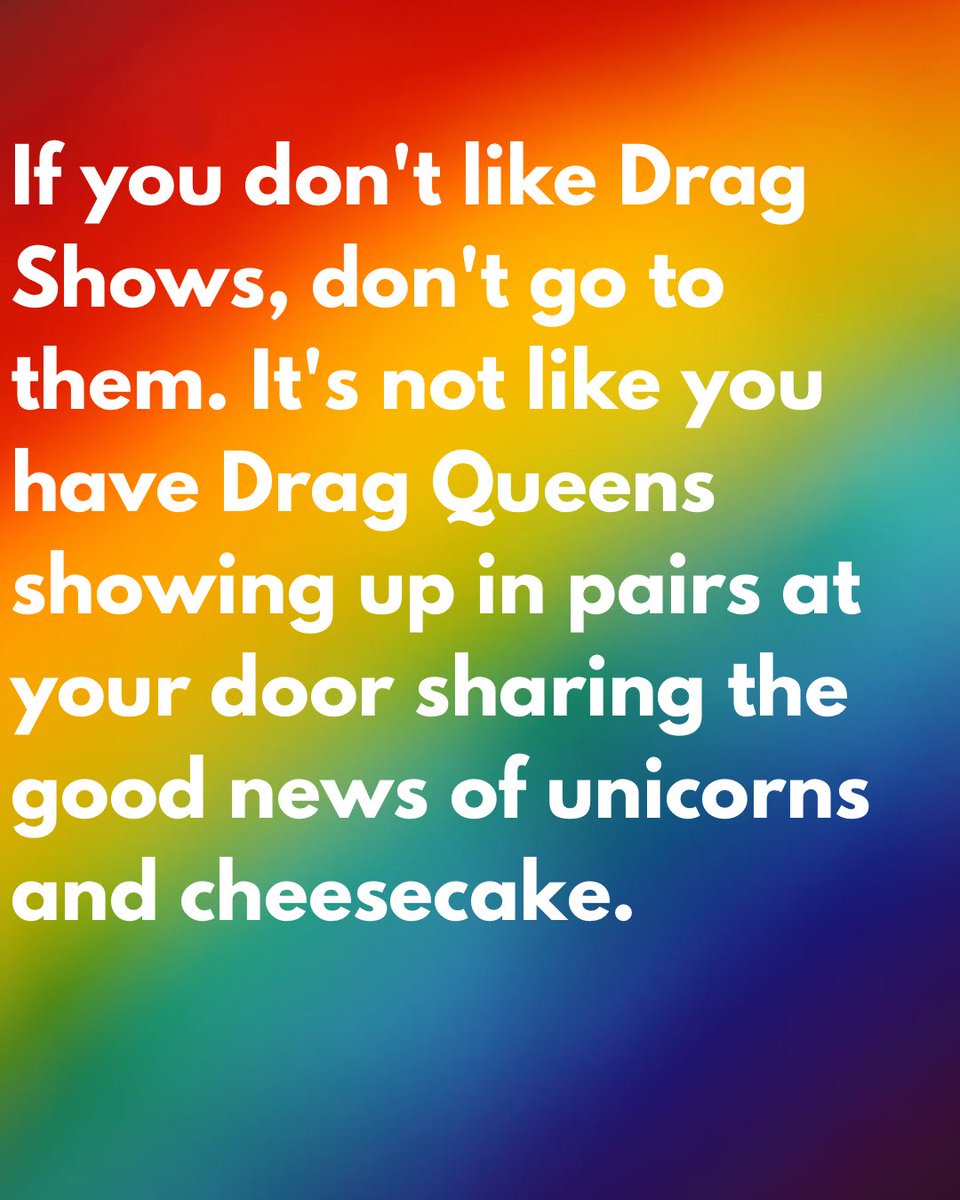
99 years is the amount of prison time a doctor in Alabama will receive if they perform an abortion.
6 months is the amount of prison time you will receive if you rape an unconscious girl next to a dumpster.
Wake up.
In 1935, two American doctors examined seven women's ovaries and saw small lumps. They called them cysts and named the disease after them. They were wrong. It took 91 years to fix.
What we called PCOS is now Polyendocrine Metabolic Ovarian Syndrome (PMOS), announced today in The Lancet by an international panel of doctors and patients. The renaming followed more than a decade of consensus work and 22,000 patient and clinician survey responses.
The lumps Stein and Leventhal saw were never cysts. Modern imaging shows they were follicles, the tiny sacs inside the ovary that grow and release an egg each month, frozen partway through by a hormonal imbalance. PMOS is a multi-system disorder centered in the endocrine system, the body's network of glands that produces hormones like insulin (controls blood sugar), cortisol (the stress hormone), and thyroid hormones (set the body's metabolism). The ovary trouble flows downstream from there.
The naming choice is not academic. When doctors hear "ovary" in a diagnosis, they look at the ovary. "Metabolic" and "endocrine" send them to the whole body.
PMOS affects roughly 1 in 8 women worldwide, more than 170 million people. The WHO estimates 70% have never been diagnosed. Among those who do, 1 in 3 wait more than 2 years, and nearly half see 3 or more doctors first. The CDC reports more than half of women with PMOS develop type 2 diabetes by age 40, a risk 5 to 10 times higher than women without the condition. Around 37% have clinically significant depression, compared with 14% in women without it. Anxiety runs at 42% versus 8.5%.
A label born from a 1935 look at seven ovaries is finally going away. The new diagnostic guidelines roll out fully in 2028. By then, a woman walking into a clinic with these symptoms should hear questions about her blood sugar and her mood alongside her cycle. Those are the parts of the disease the old name hid for 91 years.
Canada has been named the second safest country in the world for LGBTQ+ travellers:
1. Netherlands 🇳🇱
2. Canada 🇨🇦
3. France 🇫🇷
4. Australia 🇦🇺
5. Austria 🇦🇹
Forget killing cancer cells. South Korea just figured out how to talk them back into being normal.
Scientists at KAIST in Daejeon have done something the world has been chasing for decades.
They found a molecular switch that flips cancer cells back into healthy cells.
No chemo. No radiation. No destroying anything.
Just… reversal.
Professor Kwang-Hyun Cho and his team caught cancer in the act. That tiny window where a normal cell is on the edge of turning malignant but hasn't fully crossed over yet. They call it the "critical transition" — the same kind of jump that happens when water hits 100°C and becomes steam.
In that split-second window, the cell is unstable. Normal and cancerous at the same time.
And that's exactly where they hit the switch.
In colon cancer trials, they targeted three master genes — MYB, HDAC2, and FOXA2 — and the cancer cells didn't die.
They went back to being healthy intestinal cells. Like nothing ever happened.
The team built a digital twin of the gene network to map every move a cell makes on its way to becoming cancerous. Then they reverse-engineered the path home.
Their paper landed in Advanced Science, published by Wiley.
It's still early. Lab trials and mice. Human treatment is years away.
But the idea of curing cancer without killing a single cell is no longer science fiction.
Source: KAIST (Korea Advanced Institute of Science and Technology), published in Advanced Science journal
Sir Elton John had heartfelt words for Canada as he received the prestigious Glenn Gould Prize in Toronto 🇨🇦 The music icon, 79, who has a home base in the U.S., joked it was “nice to be in a country that has common sense” before reflecting on the deep family ties that keep him connected to the Great White North. “David [Furnish], my husband, his family is my family,” Elton shared. “My children, they love it here so much... It is part of my life" ❤️
📸: Getty
#eltonjohn
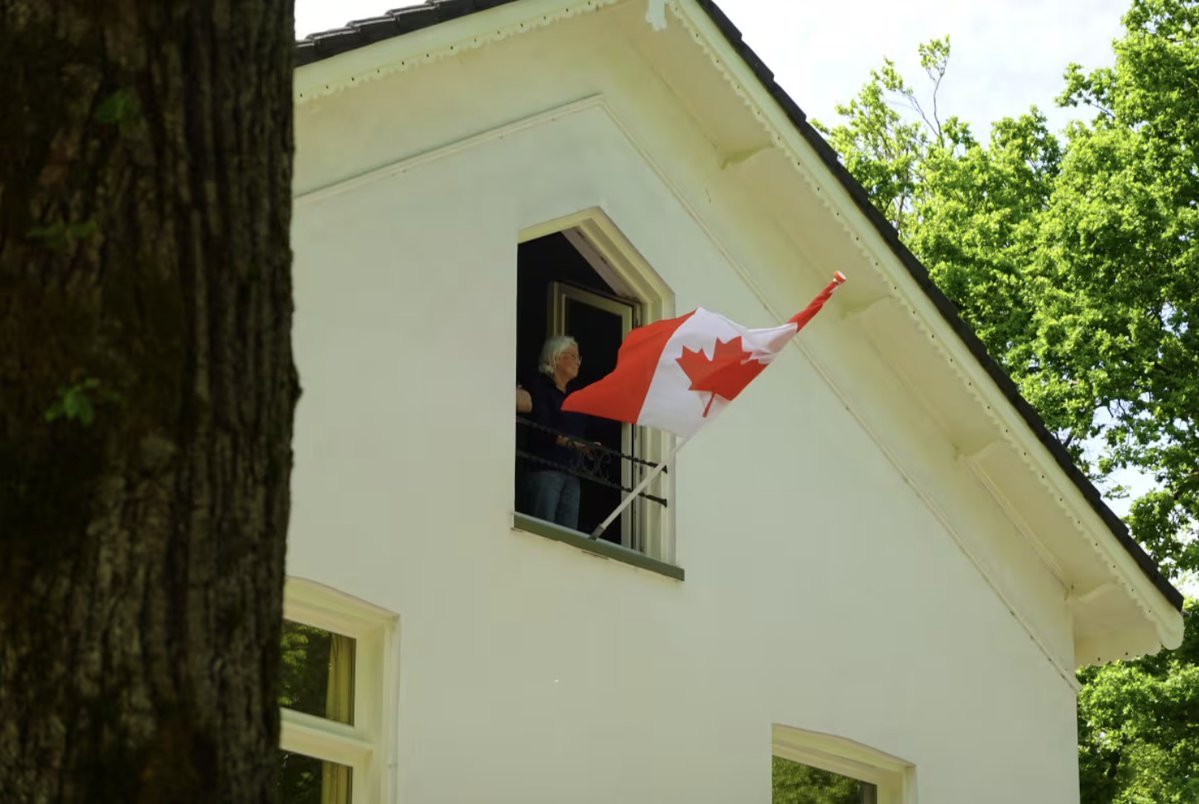
A woman in Apeldoor, Netherlands unveiling a Canadian flag in honour of the Canadian soldiers who helped liberate the Netherlands 81 years ago this week during World War II. 🇨🇦


![HelloCanada's tweet photo. Sir Elton John had heartfelt words for Canada as he received the prestigious Glenn Gould Prize in Toronto 🇨🇦 The music icon, 79, who has a home base in the U.S., joked it was “nice to be in a country that has common sense” before reflecting on the deep family ties that keep him connected to the Great White North. “David [Furnish], my husband, his family is my family,” Elton shared. “My children, they love it here so much... It is part of my life" ❤️
📸: Getty
#eltonjohn](https://pbs.twimg.com/media/HIClSL9XEAAdMgy.jpg)