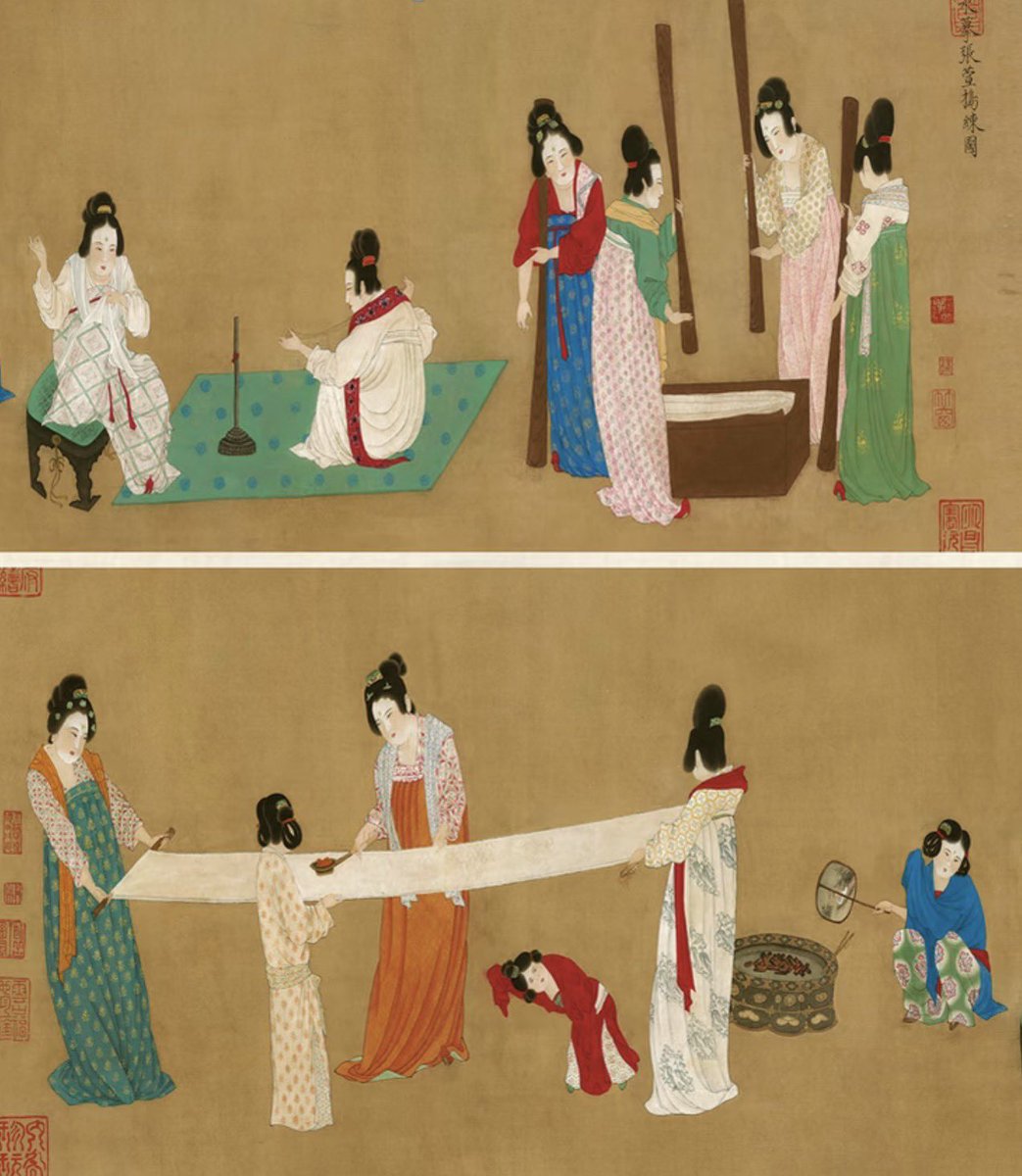
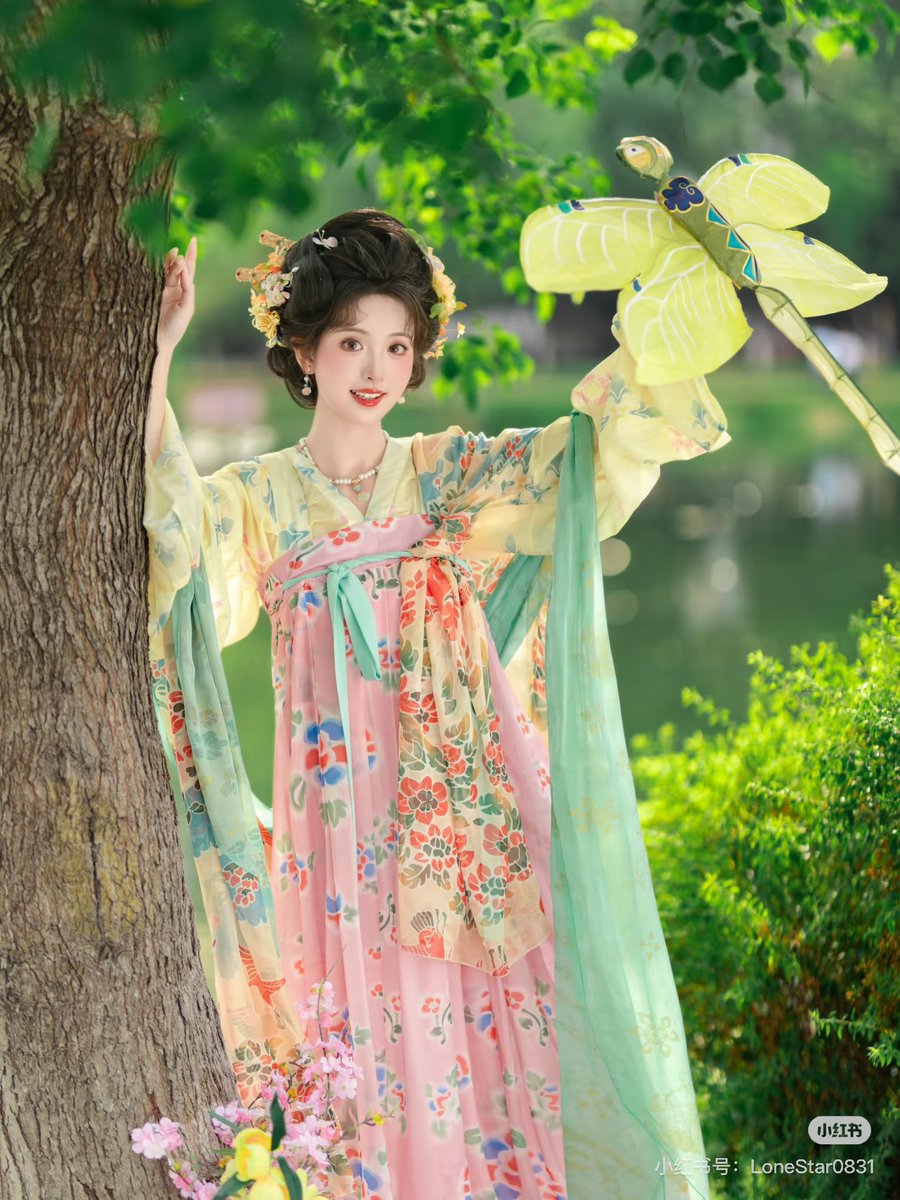
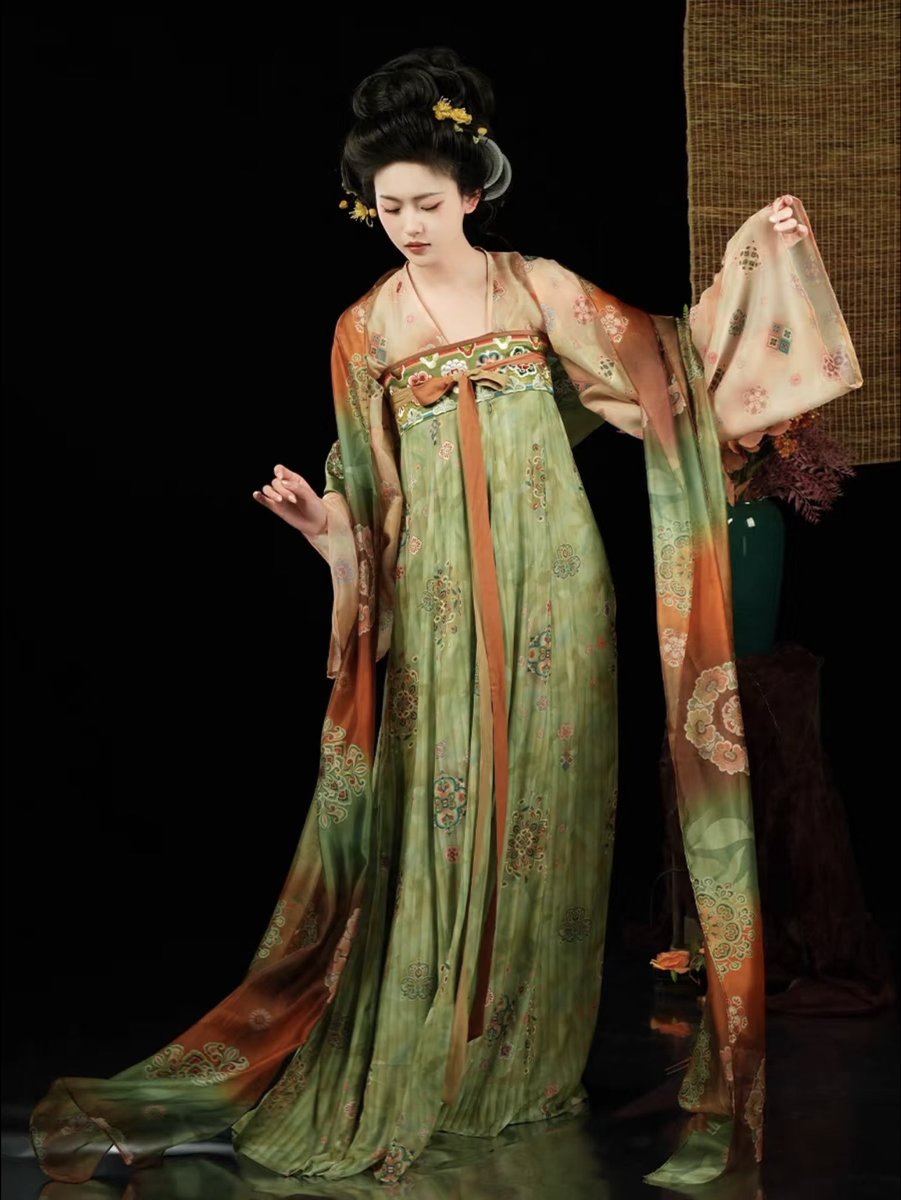
Ruqun (襦裙) is one of the earliest and most fundamental forms of traditional Han Chinese clothing. It first appeared during the Warring States period (475–221 BCE), rose to prominence throughout the Sui, Tang, Song, and Ming dynasties.
The Phoenix Coronet 凤冠 was originated in the Sui Dynasty,and rose in the Song and Ming Dynasties (581-1644). It was one of the important crown ornaments of ancient China’s imperial concubines. It inlaid with a large amount of jewelry, and elements with dragons and phoenix.
Beam crown进贤冠, originated in Han dynasty (206 BCE–220 CE), was worn by civil officials as a symbol of bureaucratic order. Rather than luxury, it used form—front high, back low—to convey duty, while the number of upright beams directly indicated rank, making status recognizable
Liangguan (梁冠) — a Ming ceremonial crown.
Built with a domed form and rising “beams,” it is richly adorned with dragons chasing a pearl, cloud scrolls, and gilt filigree. The dragons’ heads are even mounted with tiny springs, bringing subtle movement to the piece.
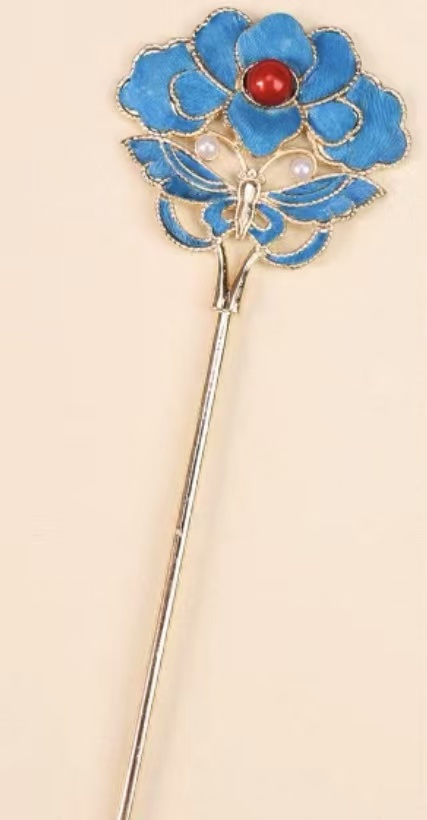
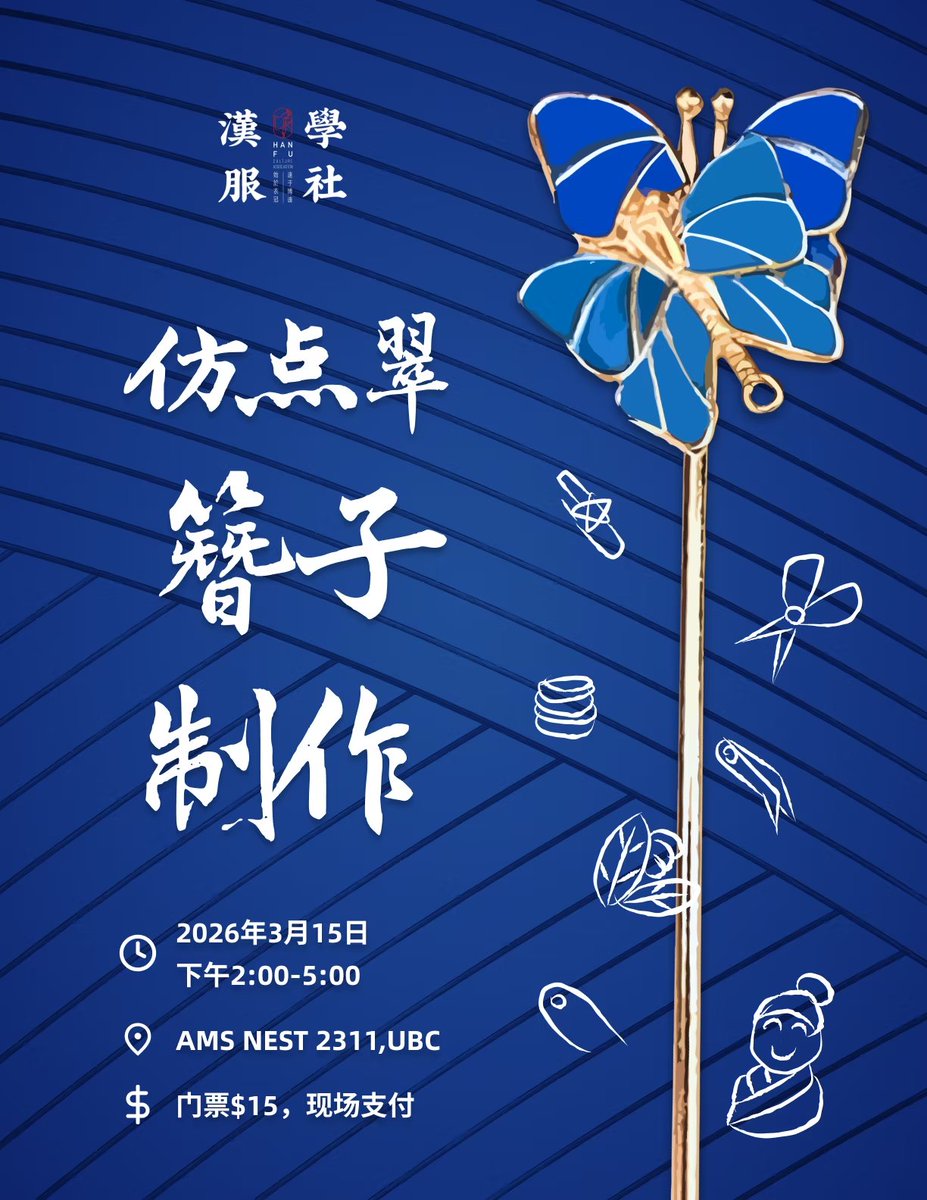
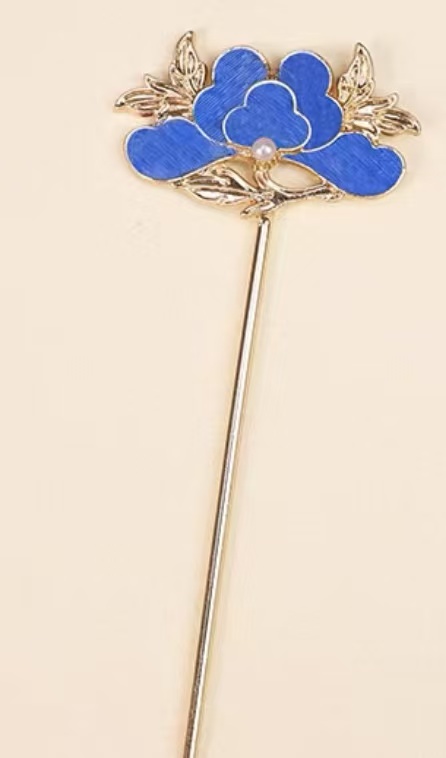
✨ Kingfisher Hairpin Workshop (点��簪) ✨
Make your own hairpin inspired by Dian Cui, a historic Chinese jewelry craft once used in imperial ornaments.
📅 Mar 15 · UBC AMS Student Nest
🎟️
https://t.co/dAx11qJnKo
Prosperous Scenes of Southern Capital (南都繁华图) — a Ming handscroll now in the National Museum of China.
Stretching over 3.5 meters, it portrays late-Nanjing as a thriving city of shops, inns, teahouses, and markets—over a hundred storefronts and countless figures in motion.
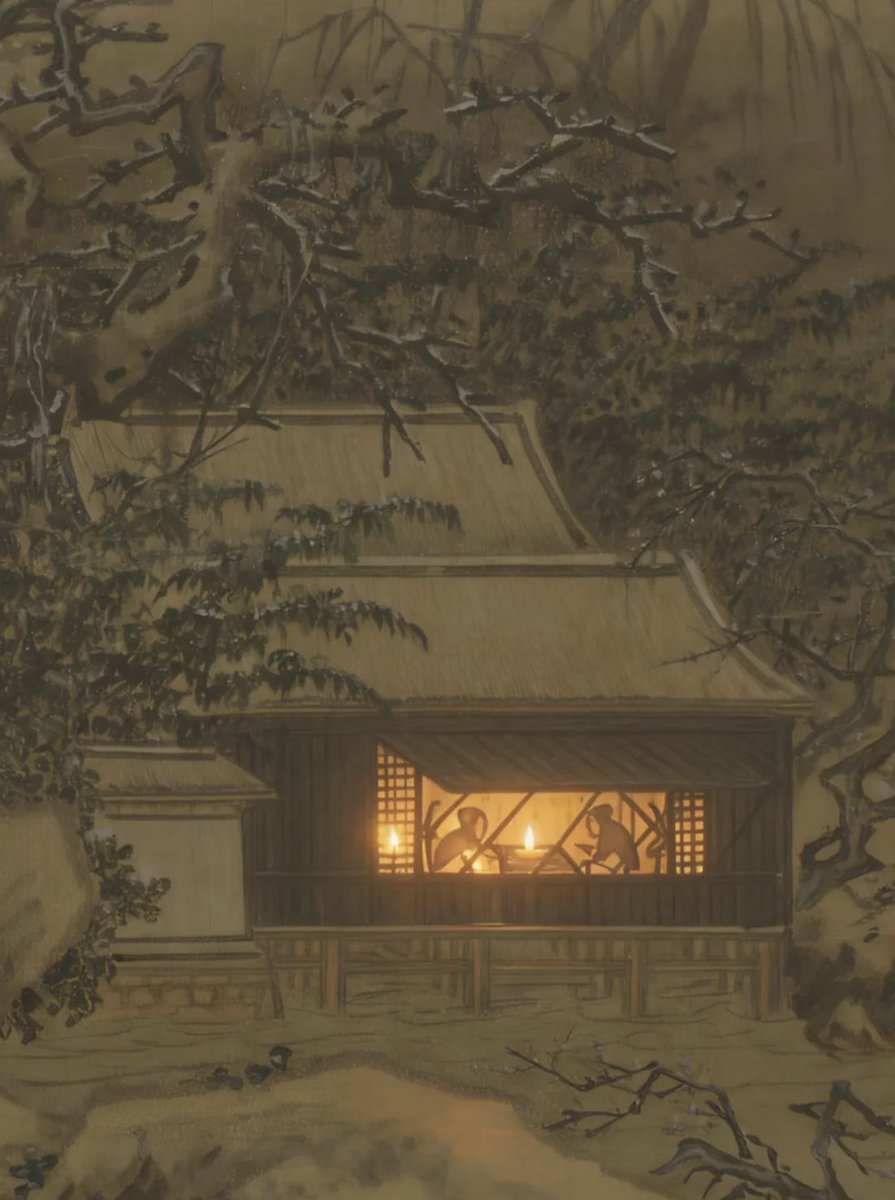
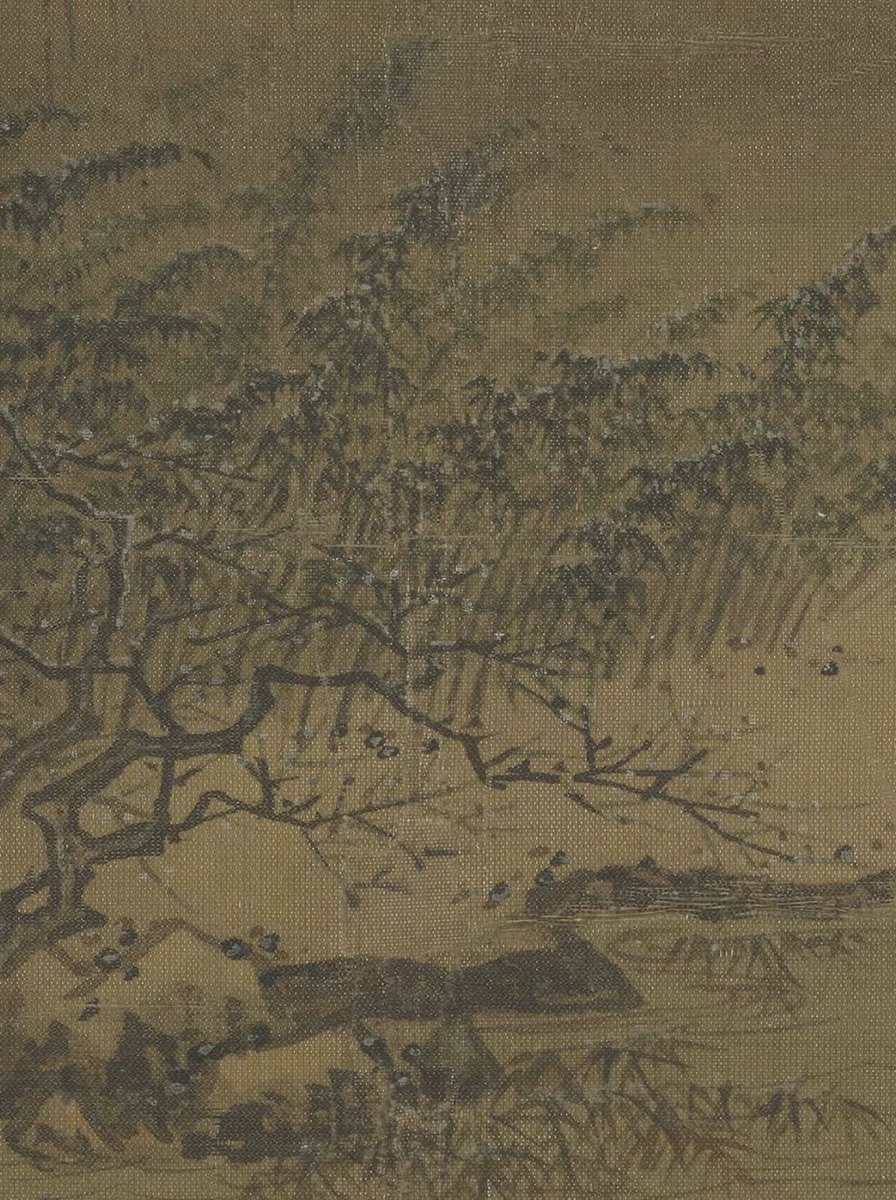
In the Southern Song painting, winter was not desolation but elegance: snow, river mist, a lone boat, and the intimacy of friends indoors with tea and wine.
“Snow Hall Conversation” 雪堂客话图 by Xia Gui (Song Dynasty, 960-1127).
Palace Museum, Beijing.
Tongtianguan 通天冠— a ceremonial crown worn by emperors and high officials.
Standardized in Ming dynasty (1368-1644), its tall vertical form expressed power status, also rank a worldview in which order, virtue, alignment were made visible through attire.
Sanyuan City God Temple is located in Sanyuan County, Shaanxi Province. The temple was originally built in the year of 1375 during the Ming Dynasty (1368 - 1644). The temple is one of the most complete examples of its kind dating from the Ming and Qing Dynasties (1368 - 1911).
Qian Xin’s Queen of the Lotus reimagines the Lady Deer tale from Dunhuang’s Cave 85.
At Lotus Mountain, a white deer drank divine water and birthed a deer-girl, later saved from Xia hunters by King Yan. She became his queen and mother to Lotus, a child cast into the river and carried to the Xia Kingdom, where a lotus opened to reveal ten boys the king adopted. When the ten princes marched against Yan, the deer-girl stepped between armies, her grace urging both rulers toward reconciliation and a peace only she could summon.
1/3
#folklore #art
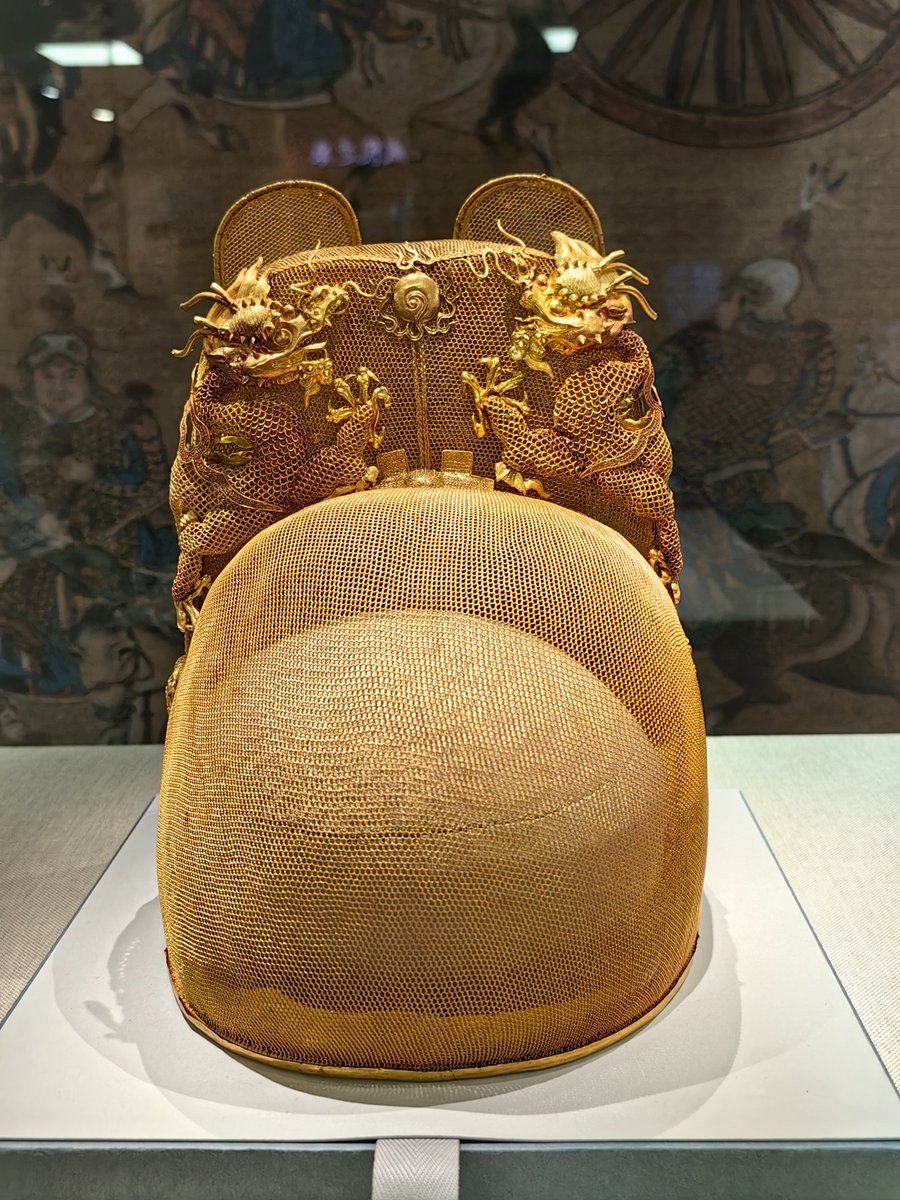
Thank you all for your interest in the black gauze crown adorned with gold, pearls, and gemstones worn by the Wanli Emperor, as well as in his turbulent life.
In the 1950s, archaeologists discovered three crowns inside Wanli's coffin. The one introduced yesterday was found resting on his head; the other two were placed in boxes beside his head. Of these two, one was also based on black gauze, though its craftsmanship was slightly inferior to the one previously discussed. The other, however, does not appear in any historical records and any other archeological discoveries, to this day, a unique and singular example in China: a crown made entirely of gold.
Nothing about this crown behaves the way gold should.
This crown is 24 centimeters high, with a diameter of 20.5 centimeters, and weighs a total of 826 grams. From top to bottom, it was hand-woven from 852 gold wires, each only 0.2 millimeters in diameter. Owing to the extraordinary skill of the artisans, the woven patterns are evenly spaced and uniformly dense, with no visible knots in between, giving the crown an appearance as light and delicate as gauze.
The gold crown also features two dragons playing with a pearl motif. The golden dragons are vivid and powerful in form, conveying great majesty. The dragon heads, bodies, claws, and other components were fabricated separately and then assembled through overall soldering. The dragon scales alone number 8,400 pieces.
The leading expert on the Ming Tombs told me that after careful examination, he could find no trace of soldering seams. When I asked how such perfection was possible, he answered simply: the work was done so well that nothing remained to be seen. He further speculated that this crown may have been worn by Wanli during hot weather, as its structure would have been more breathable than crowns made with black gauze.
Here are four photographs I took myself. Let's examine them together and see if any trace emerges.
Gold is meant to be heavy.
Yet this crown feels as light as the wind.
Perhaps this is the most truthful metaphor of Wanli's life.
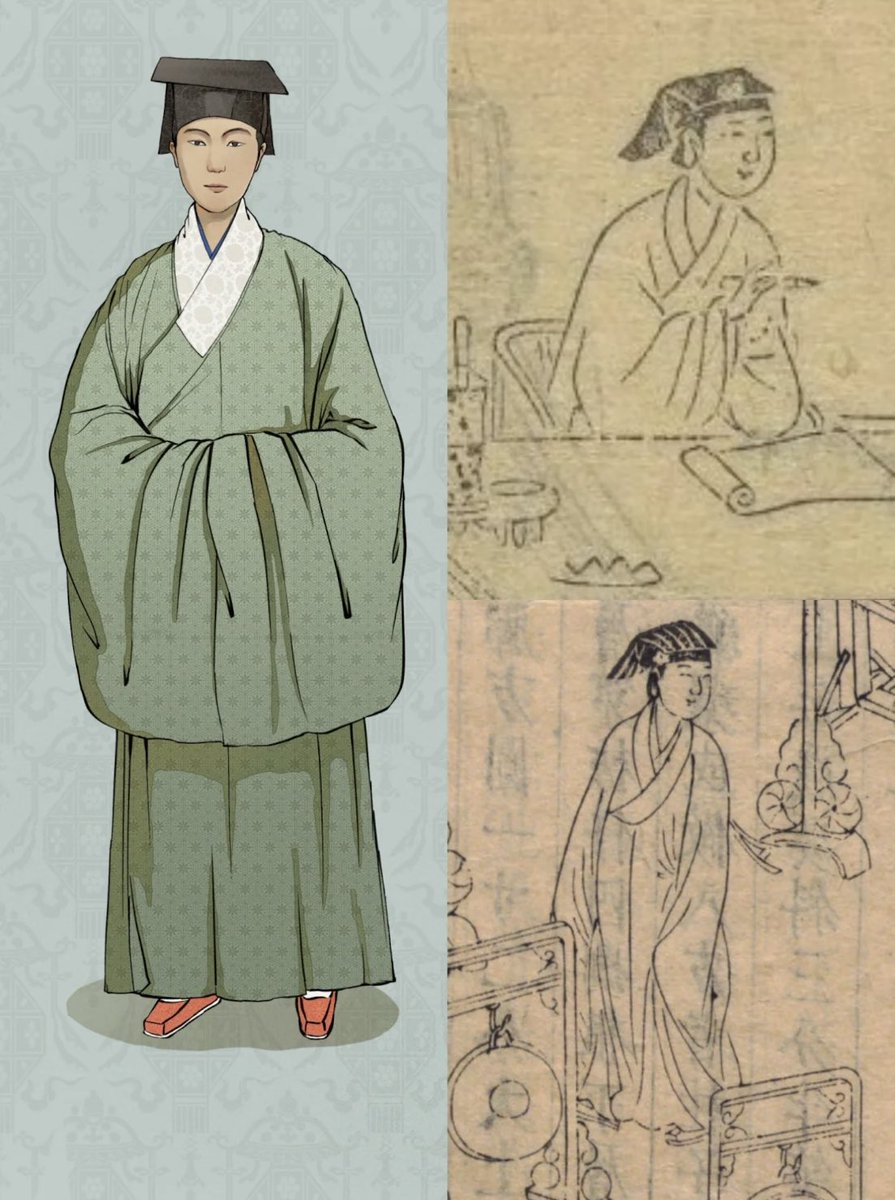
Daopao 道袍 — a refined robe widely worn in Ming dynasty (1368-1644) , associated with the attire of scholars, officials, and literati. Its colours tend toward muted blues, greens, and whites; patterns are often sparse,, a visual vocabulary of restraint rather than ostentation.
“Chujing Tu” 出警图,Ming dynasty (1368-1644). Attributed work, now in the National Palace Museum, Taipei.
This monumental handscroll depicts the Ming emperor Zhu Yijun leaving the capital to pay rites at the Thirteen Ming Tombs.
In Chinese #mythology, Lady Taizhen Wang, born Zhi, daughter of the Queen Mother of the West, moves through the world with an ease few immortals match.
She rides a white dragon across mountains and seas, unbound and fearless. Her zither playing is said to summon flocks of birds into swirling dance, as if nature itself answered her call. In her, wanderlust and artistry fuse into a portrait of divine freedom.
#art #painting
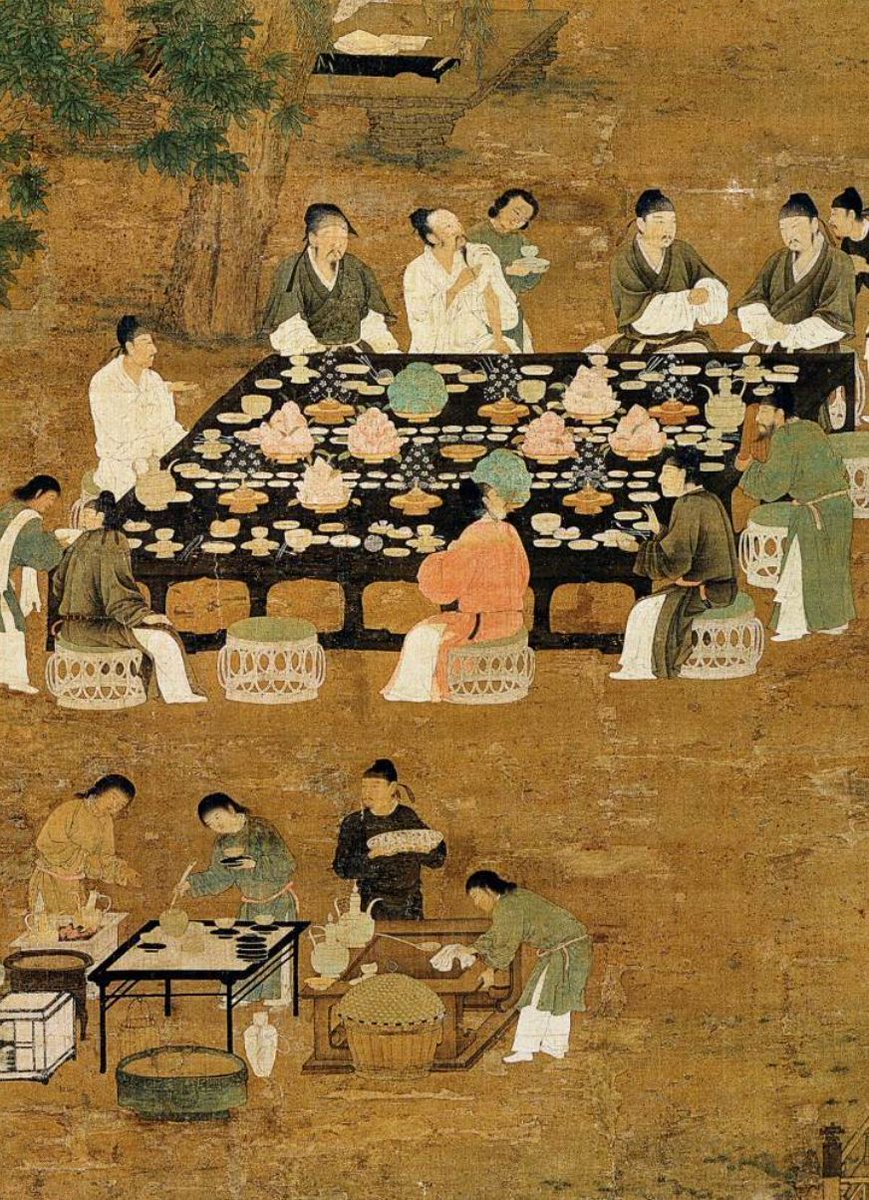
In the Song dynasty, tea became a ritual of grace among scholar-officials.
At gatherings, they perfected every detail: tea’s color, water’s source, the shape of cups, the stillness of the room. Tea was more than a drink; it was cultured silence, shared thought, and refined presence. This elegant tradition, born of prosperity and intellect, shaped centuries of Chinese taste and ceremony.
🎨 《文會圖》宋徽宗
#painting #art