HASSAS / Brezilya’da bir toptancıyı basan silahlı soyguncular sert kayaya çarptı.
Toptancıda çalışanlardan biri, kasadaki paraları boşaltan hırsızı, elindeki palayla ağır yaraladı.
Diğer silahlı soyguncu ise palalı personel tarafından etkisiz hâle getirildi.
Hırsızlardan biri tutuklanarak cezaevine gönderildi, yaralanan diğer şüphelinin ise hastanedeki tedavisi sürüyor.
¡Cuidado con usar la unidad 𝘷𝘩 en CSS en móviles!
No cuenta cuando la barra del navegador se muestra.
Mejora usa 𝘥𝘷𝘩: se ajusta dinámicamente siempre a la altura real de la ventana.
Laravel 13 ships passkeys natively. Face ID, fingerprint, hardware keys — no third-party packages, no stored passwords. Here's how it works and why it matters.
Passkeys work via two ceremonies:
ATTESTATION (Registration):
1. Server sends a challenge + your domain (RP ID) + user ID
2. Browser asks device to generate a public/private key pair
3. Private key is stored in hardware. It NEVER leaves the device.
4. Public key + signed challenge → your server
5. Server stores the public key. That's it.
ASSERTION (Authentication):
1. Server sends a new random challenge
2. Browser asks device to sign it
3. User does Face ID / fingerprint / PIN
4. Signed challenge → server
5. Server verifies with the stored public key. User is in.
What you give up with passwords:
❌ Phishable — fake domains steal them
❌ Reused across services — one breach cascades
❌ Stored server-side — breach exposes hashes
❌ Forgotten — resets, support tickets
❌ Brute-forceable — rate limits required
What you gain with passkeys:
✅ Phishing-proof — cryptographically bound to your exact domain
✅ Not reusable — per-site, per-device credentials
✅ No server secret — only public keys stored
✅ No resets — biometric = always remembered
✅ Replay-proof — sign_count prevents assertion reuse
Setup in Laravel 13 — new apps:
// config/fortify.php
Features::passkeys(), // one line
// starter kit scaffolds everything else
Setup for existing apps: Spatie’s laravel-passkeys package + `HasPasskeys` trait + PASSKEYS_RELYING_PARTY_ID=https://t.co/3EMygEgjcx
Two honest caveats:
⚠️ Requires HTTPS (localhost is exempt for dev)
⚠️ Device loss = can't log in. Always keep a fallback + encourage multiple device registration.
Full guide — both setup paths, complete frontend code, the five-step migration strategy from passwords to passkeys — linked here.
#Laravel #Laravel13 #Passkeys #WebAuthn #Security #PHP #WebDevelopment https://t.co/RqiMgRCjr3
Laravel 13 is here. This update focuses on AI-native workflows, stronger defaults, and more expressive developer APIs.
If you're running Laravel 12 or higher you can run /upgrade in Laravel Boost and have your agent upgrade your app for you.
🇺🇸 ÚLTIMA HORA | En una audiencia del Senado estadounidense, el veterano Brian McGinnis irrumpió gritando: ‘¡Nadie quiere pelear esta guerra por Israel!’ Un senador ayudó a la Policía del Capitolio a sacarlo.
🚨🚨#ÚLTIMAHORA Donald Trump confirma ataque “a gran escala” contra Venezuela 🇻🇪🇺🇸
El presidente de Estados Unidos informa que Nicolás Maduro y su esposa, Cilia Flores, fueron capturados y llevados fuera del país. 👇🏼
I finally understand the difference between LLMs, RAG, and AI Agents.
After two years of building production AI systems, I realized most people are treating them like competing tools when they’re actually three layers of the same intelligence stack.
1. The LLM is the brain.
It’s the reasoning engine. It understands language, writes, explains, and synthesizes ideas better than any system before it. But it’s frozen in time. GPT-4, for example, knows nothing past its last training update. Ask it about yesterday’s events and it’ll confidently make something up. LLMs can think, but they’re disconnected from the present.
2. RAG is the memory.
It’s what connects that frozen brain to live knowledge. Instead of retraining the model, RAG retrieves fresh information from your company’s data, APIs, or the web and feeds it to the LLM as context. Now the model reasons over real, up-to-date facts rather than outdated patterns. The best part? You can trace exactly which documents shaped each answer. It’s the difference between guessing and knowing.
3. AI Agents are the decision-makers.
They wrap a control loop around the system. The agent perceives goals, plans actions, executes tasks, and reflects on the outcome. It’s not just answering a question—it’s doing the work. Think of an AI that researches, drafts a report, sends an email, and iterates on feedback, all autonomously. That’s what an agent does.
Most “AI” demos stop at the LLM stage. Real production systems combine all three: the LLM for reasoning, RAG for accuracy, and the Agent for autonomy.
Use LLMs for pure thinking tasks writing, summarizing, explaining.
Add RAG when precision and truth matter like referencing internal documents or specialized data.
Deploy Agents when you need end-to-end action systems that decide and operate without manual input.
The future of AI isn’t one layer beating the others. It’s about architecting all three together.
LLMs think.
RAG remembers.
Agents act.
That’s the real intelligence stack.
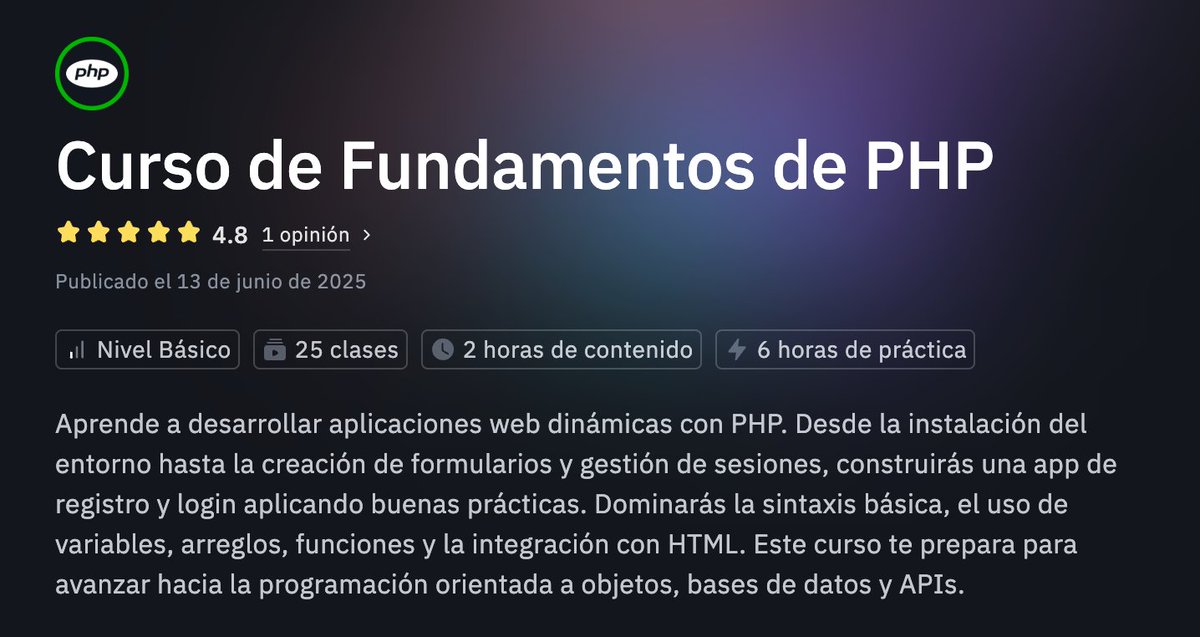
NUEVO CURSO DE PHP 💥
Junto a @ItaloFantone construímos la guía definitiva para que aprendas a programar usando PHP desde cero.
Y esta semana grabamos el curso avanzado de PHP. Pronto en Platzi 🫡
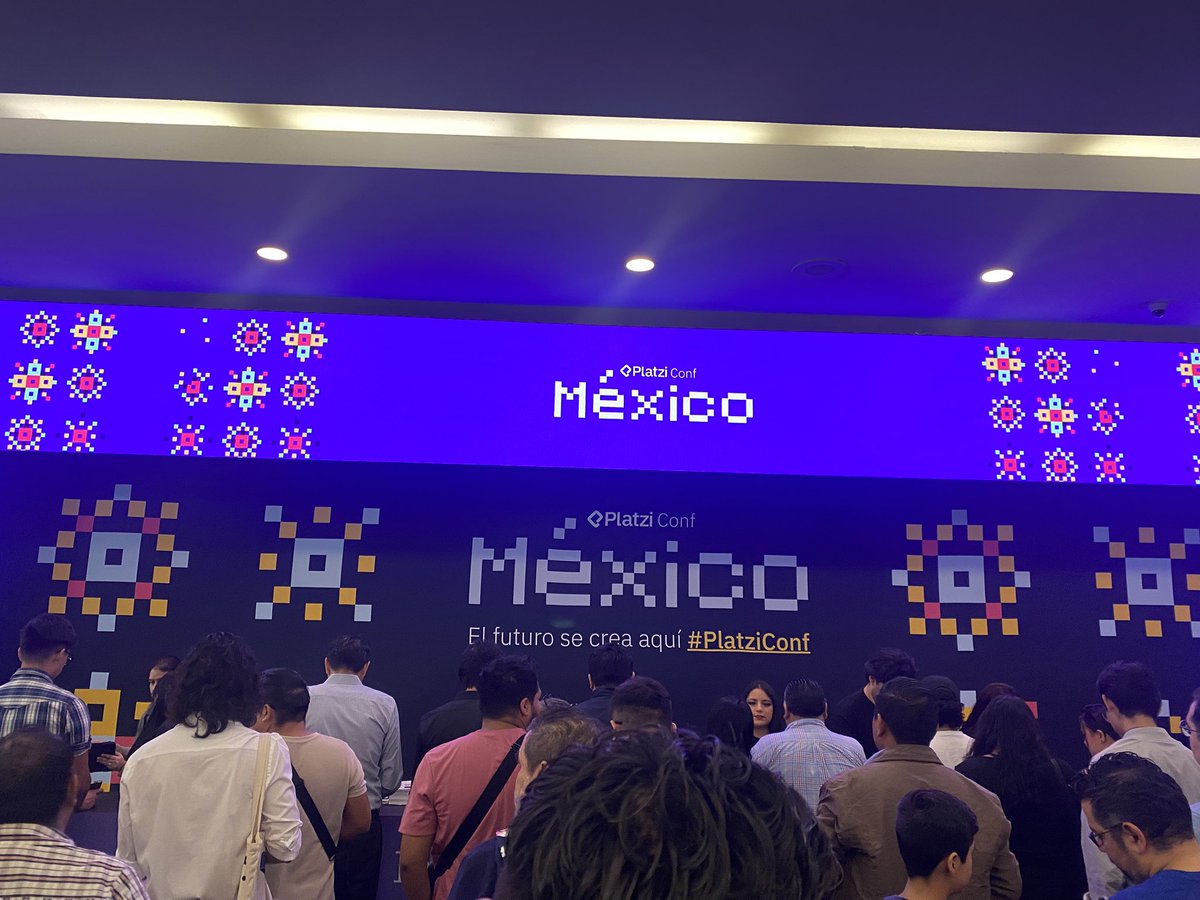
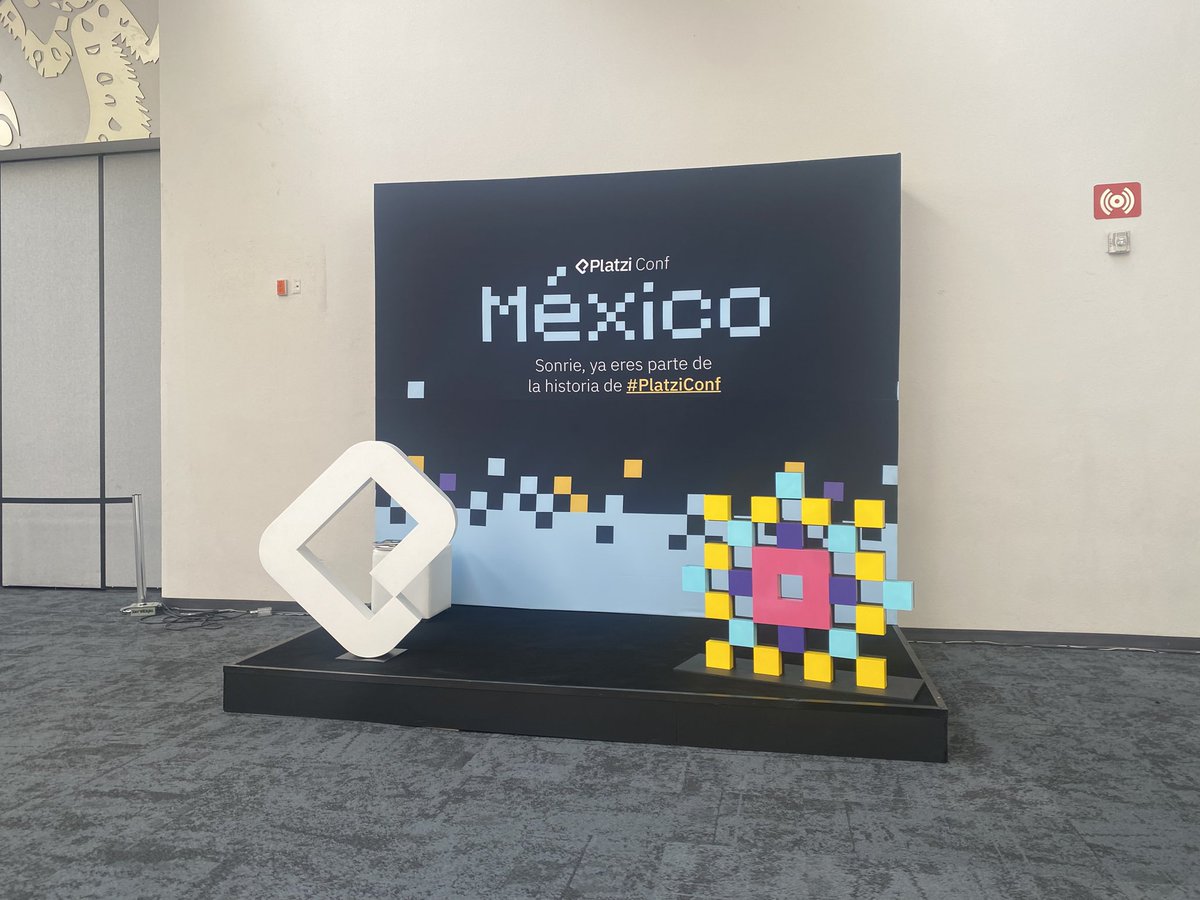
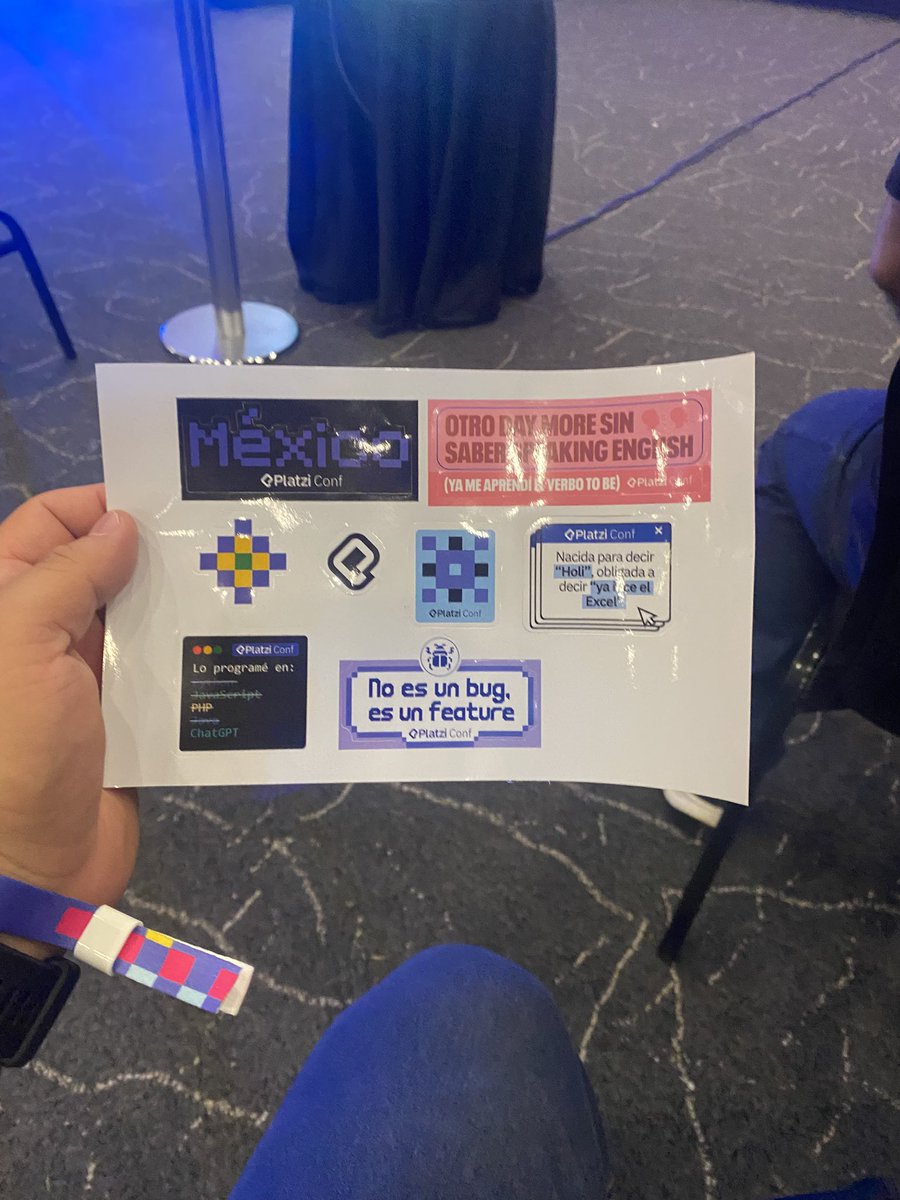
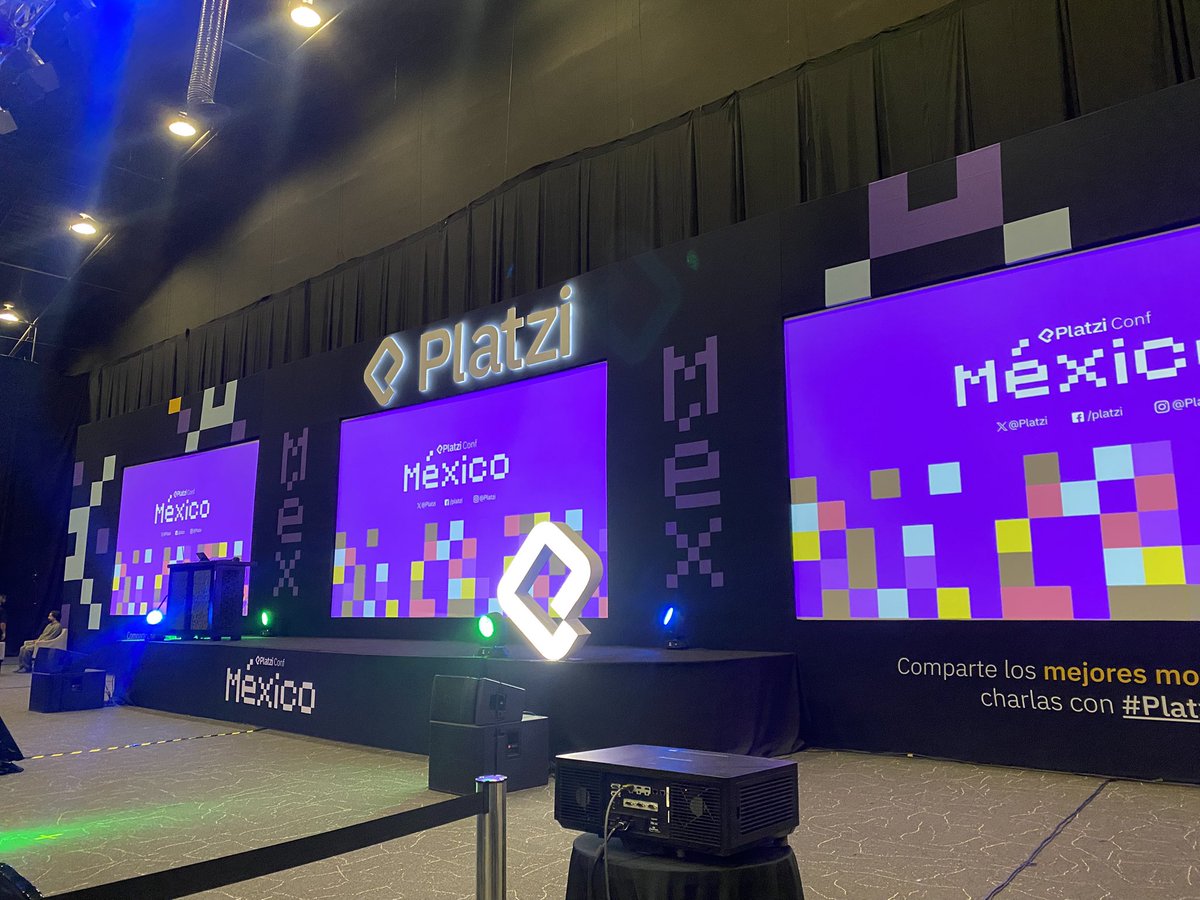
¡Estoy en #PlatziConf México y la energía está a otro nivel! 🚀
Aprendiendo, conectando y soñando en grande con una comunidad que no para de crecer.
#PlatziConfMX#NuncaParesDeAprender
7 RECURSOS para programadores. ¡Sin coste!
① Mejora tu lógica de programación en cualquier lenguaje
→ exercism․org
② +1500 APIs para tu próximo proyecto
→ publicapis․dev
③ Iconos de empresas y productos en SVG
→ svgl․app
④ Transforma JSON a C, C++, PHP, TypeScript y Python
→ quicktype․io
⑤ Colección de chuletas para desarrolladores
→ overapi․com
⑥ Gradientes bonitos para tu página web o app
→ uigradients․com
⑦ Mejores combinaciones de fuentes del sistema
→ modernfontstacks․com
¡Añade tu recurso favorito en los comentarios!