today marks 10 years since i started trading. here are 41 things i've learned 📄
------
1. keep yourself to yourself
don't tell anybody about your trading until you're at a good place with it and have made money. along the way, you'll be continuously questioned and doubted by the people in your life that don't get it, and you don't need that negative energy in your headspace
2. the 90/90/90 rule is wrong
online "prop firms"/funded companies have shown that the success rate in trading is less than 1%. therefore, it makes no sense for you to listen to other traders when it comes to your strategy. literally everyone looks at the market differently. if i give 10 people the exact same trade idea with stop loss entry and tp, they'll all trade it differently. so you have to figure it out on your own and trust yourself and what you're seeing
3. social media is probably the biggest hindrance to your trading success these days.
you need a really solid mind to be able to navigate it whilst staying in your own lane. while you're learning, you will be distracted by fake traders setting an unachievable bar in your mind, when you're losing you'll ditch all the work you've done so far on your edge to copy someone who is supposedly winning. a period of time away will improve your trading 100x. when you need to talk to other traders, the time will present itself
4. master one strategy before adding more
success in trading starts with mastering one particular strategy and building from it to create several different ways to trade that core idea. there is so much correct information out there these days that you need to pick just one idea and focus solely on that. for example, strictly trading bull flags only. enough reps will teach you where and when and how to trade them. you'll also figure out when not to take them and when to trade the failure, etc. but it all starts with pure laser focus on one thing. a lot of free online strategies work, way more than you think. the reason most people fail in trading is because they don't give one idea enough reps and jump to something else when they're in a losing period, then rinse and repeat for years
5. stick with it
you have to ride through the losing periods if you have an edge that is genuinely profitable. never move to a completely different strategy in these moments. there can be a lot to blame such as poor market conditions but the real reason is because of you. you don't understand your edge enough to know NOT to trade during certain conditions, and that experience only comes from actually going through losses and coming out of the other side. your losing trades are information. you're building an intricate system with a ridiculous amount of moving parts and the only way to figure out which parts are any good is to literally try them all out.
5. it takes WAY more time and trades than you think
20 reps can tell you if your edge is profitable but it will take over 1000 reps before you feel any level of mastery
6. normalise taking wins
the "should have closed instead of taking a screenshot" meme is real. it's not a tough one to fix, but recognising you do it as a bad habit is difficult. the same principle applies to sharing your winners - if you feel the need to do so, explore why because it's likely holding you back
7. chart time trumps everything else.
you need 10,000s of hours to ingrain patterns and movements into your head and to build the intuition to know what comes next. you may experience some winning periods in your first 2-3 years and you'll think you've cracked it but real consistency won't come until many years after that
8. don't obsess over technical analysis
technicals matter to give you a map of where to trade, but they're like 10% of the battle. i spent years and years trying to refine the perfect technical analysis but when the number goes up, the number goes up. no need to overcomplicate it or talk yourself out of the trade because of a box you drew
9. don't rely on indicators
indicators work of course but they're a distraction from you working out the fundamentals with just raw chart information, which will make you a much better and adaptable trader. you don't need a volume indicator to tell you that the chart isn't moving much or that a breakout isn't going to follow through
10. make the most of backtesting
backtesting is a great tool to scratch the itch of needing to trade when the markets are dull to protect your live account. it's also great to keep your trading processes sharp. most people will talk you out of doing it. revert to point 2
11. stay focused on the task at hand
if you're trading, you're trading. you should be watching the charts and not taking your head out of the game by going on social media apps to talk to people whilst you wait for your setup to form. treat it like a job
12. a winning trader has a boring life
if there's a lot of chaos in your life, you need to remedy that situation before you can even think of trading profitably. your life as a trader must be calm and driven by routine without emotional distraction. if you're single and live alone, you have no excuse for not completely locking in
13. record all of your data
journaling is everything. you need as much information as you can gather from all areas of your life so that you can see what you were doing during your hot streaks and what you weren't doing in your cold streaks. journal your trades, journal your trade plans, journal your day to day life, journal your habits. it sounds like a lot because it IS a lot, and it's what is required
14. have a maximum daily trades rule
limiting your trades per day and being 100% strict with it will make you a better trader. it'll help control your problem with impulsive action, make you more selective with your trades, prevent account ruining spirals and teach you discipline for sticking to your rules. when you miss a winning trade because you have reached your daily limit already, that pain will teach you for tomorrow
15. narrow down your trading pairs
each chart moves differently almost like they have their own personalities. focusing on one or two charts only can help you better understand what you're trading and its behaviours. it puts you more in sync with the price action and helps you develop an edge with more consistency. your edge may work on another chart but it will likely need some tweaks because of the difference in behaviour, but you need a solid starting point
16. don't compare yourself to others
every trader comes from a different background, bringing to the table different emotional issues and psychological problems. a trader that comes from a stable background and loving childhood will reach profitability in a different timeframe to a trader that comes from a broken home with childhood trauma. so never compare where you are to where somebody else is, but use it as inspiration that what you want to achieve can be done. you will get there, you just haven't done enough work yet
17. figure out a timeframe that works for your personality
the lower the timeframe the higher the difficulty. trading is a catalyst for self improvement because it shows you what's wrong with you right in front of your face, forcing you to change parts of you in order to not bring those issues onto the chart, so that you can make money. executing on the one minute timeframe will throw many more demons at you all at once compared to the daily timeframe, but the reward is higher. if you want to take it on, you need to dedicate a lot more time into solving your psychological issues. revert back to point 12
18. internalise that missing trades is part of the job
accepting that you miss an opportunity is hard but once you get to grips with it, your results will increase massively. it stops you from revenge trading and it stops you trying to jump into every single move. it also stops you from looking for something to trade constantly on multiple charts and giving you an information overload before you've even hit buy or sell. you're always going to miss a move, whether you're in front of the screen or not
19. psychological tools
tom dante's demon finder and van tharp's trade efficiency (book = super trader) were two of the biggest game changers for me
20. stay off the chart when you exit
once you're out of a trade, journal it immediately and don't look back on the chart. more often than not, your decision for closing won't be vindicated and you can avoid a lot of stress and frustration
21. changing your behaviours takes a very long time
you have to repeat the same mistakes many many times before you finally learn not to make those mistakes again. it can be that you need to do the same thing wrong so many times that eventually something inside of you breaks, in order to force that necessary change. the only way to learn in trading is the hard way
22. you can't skip anything
there are no shortcuts in this game, absolutely none. the sooner you make peace with that, the sooner you can start doing the work you don't want to do and get closer to being successful
23. trading is 90% psychological.
if you're given a trading pattern with a 100% success rate that only appears once a week, you will fuck up whilst waiting for that one pattern. then once you're in the right trade, you will question if you should hold it or close it early, or move to break even, or close in drawdown before a full loss. you have to dig into yourself and why your thoughts are like that and why you submit to those thoughts
24. there's nothing wrong with demo trading.
there's no point in throwing money away immediately while you're learning something brand new. you can learn the technical skills as a foundation on demo for as long as you need (no more than a year though) before adding the emotional side of it on the live market later. it can also be utilised to help you out of a losing period without fucking up your account
25. you have to earn calling yourself a discretionary trader
it takes way longer than you think
26. keep your rules simple
if you can't explain your edge simply with objective language, you don't understand your edge
27. not losing is a win
28. anyone can make money trading
the actual skill is in making it and keeping it and not as many people can do that as you think (revert to point 2)
29. trading is simple but not easy
we naturally make it seem like a really complicated thing because of our egos, but you really can reduce trading to just one line on a chart and the buy or sell button. looking for perfection will keep you broke
30. sticking to one timeframe reduces your information load
it stops you from overmanaging your trades by looking at other timeframes that could end up talking you out of a winning position
31. patience is the most important skill to focus on with trading
your level of patience will dictate your success, which is why if you're using trading as a way to try and escape your current lifestyle, you will make more losses than wins because you're squeezing too hard. that extra 10 seconds of patience to wait a little longer as you go to press the button to enter can be a key difference in your results
32. don't rely on trading to bail you out
if you're in debt, go and sort that out first before depositing money into a trading account. it'll put you into the completely wrong mindset when opening trades that your failure is almost inevitable
33. make trading a feature of your day, not your whole day
having a set amount of hours to trade in a day is better for your work/life balance but also for your trading account. being mentally fatigued after too many hours at the charts leads to poor decision making and reacting off of emotion, which will ruin your pnl. having a cut off point or only trading one session will be better for you in the long run. it also helps in accepting that you will miss trades, revert to point 18
34. become outcome independent
learn to embrace a mantra of "it is what it is" so that you don't attach emotions to any outcome whether positive or negative. this allows you to objectively work out what went right/wrong and you can carry that information forward for your next trades, as well as you trading what you see rather than what you want to see
35. don't dismiss any data
use all of the candle for gathering information. the wicks are just as important as the body close. it makes no sense to omit that data
36. don't rely solely on trading for income
having some form of income alongside trading will take the pressure off of your results and allow you to trade more freely. whatever brings you the most income, learn to mould your trading around that until trading takes over and then you can mould a second income around your trading
37. be careful where you put your money
use more established companies/brokers than newer ones. there may be an appeal of cheaper prices for challenges or tighter spreads, but there is more peace of mind knowing your funds are safu with a firm that has been around for longer
38. trading news events carries unnecessary risk
trying to guess news events is a pure gamble and even if you're right on the direction, you can still get totally fucked first. the higher the timeframe you trade, the less likely the news is to affect your trade in a meaningful way. trading afterwards is way more fun
39. don't double down on a losing position
just because something is going down, it doesn't mean that the more it goes down, the more likely it is to bounce. it's more likely to continue. so make sure to cut where you had intended rather than adding to a losing position
40. enjoy what you're doing
you have to actually have a passion for trading to be successful with it. having the genuine interest in the process and how to improve it is key. without that, you won't care enough to do what it takes to win. addiction and passion are different things
41. remain humble
you're always one trade away from completely ruining your trading account, even if you have had 10 wins in a row. one bad decision can spiral out of control, so you always need to check yourself and stay consistent with the things that you do to be successful, and be humble when things go well knowing you can royally fuck up tomorrow
-------
there's plenty more to talk about but that about does it for this list. if you've learned something let me know in the replies, or if you want to add to the list let me know something important to you
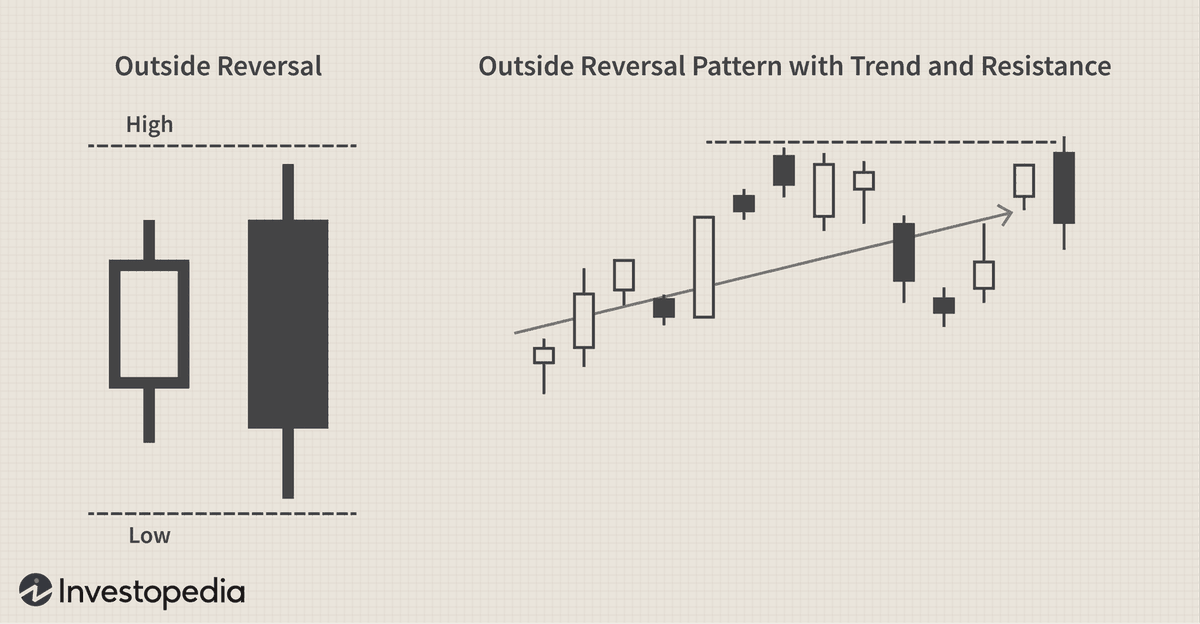
■ 아웃사이드 데이 : 단기 트레이딩
아웃사이드 데이란 전날의 캔들보다 시가와 종가가 더 높고 낮은 날을 의미합니다.
전날보�� 시가는 높지만 종가는 더 내려간 형태는 음봉의 아웃사이드일 것이고,
전날보다 시가는 낮지만 종가는 더 높은 형태는 양봉의 아웃사이드 형태일 겁니다.
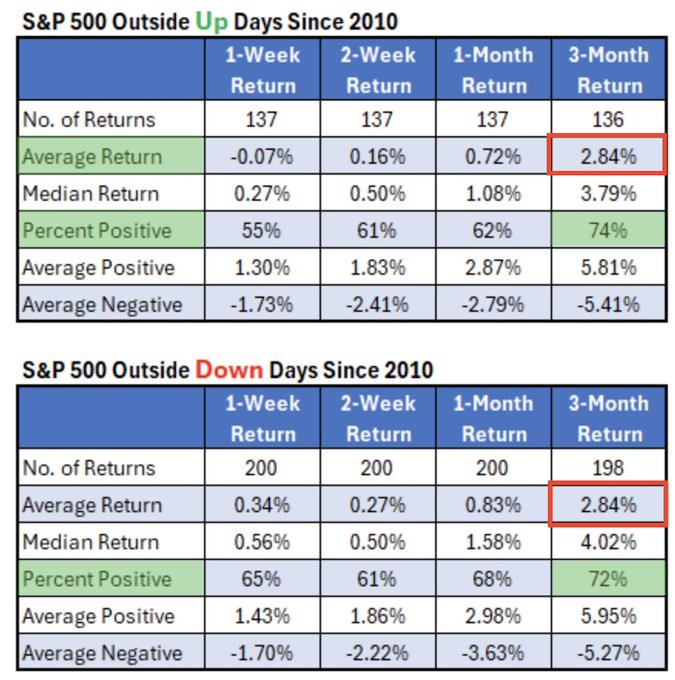
이런 날 이후 1-2일 정도 보유하고 파는 평균회귀 전략도 많습니다.
아래 표처럼 1주일 이상 길게 보유하게 되면 크게 유의미한 차이는 발견하기 힘듭니다.
실행력. 우리가 간과하는 역량 중 하나. 능지랑 실행력은 관계성이 없다는 것.
“저는 수십 년 동안 이 부분을 직관적으로 잘못 이해하고 있었습니다. 아마도 지능에 대한 만연한 숭배, 각종 엔터테인먼트·미디어, IQ 집착 등이 그 이유였겠지요. 그러나 ‘주체적 실행력(agency)’은 훨씬 더 강력하고 훨씬 더 희귀합니다. 당신은 그 실행력을 기준으로 사람을 채용하고 있나요? 우리는 실행력을 길러내는 교육을 하고 있나요? 당신은 마치 자신에게 10배의 실행력이 있는 것처럼 행동하고 있나요?”
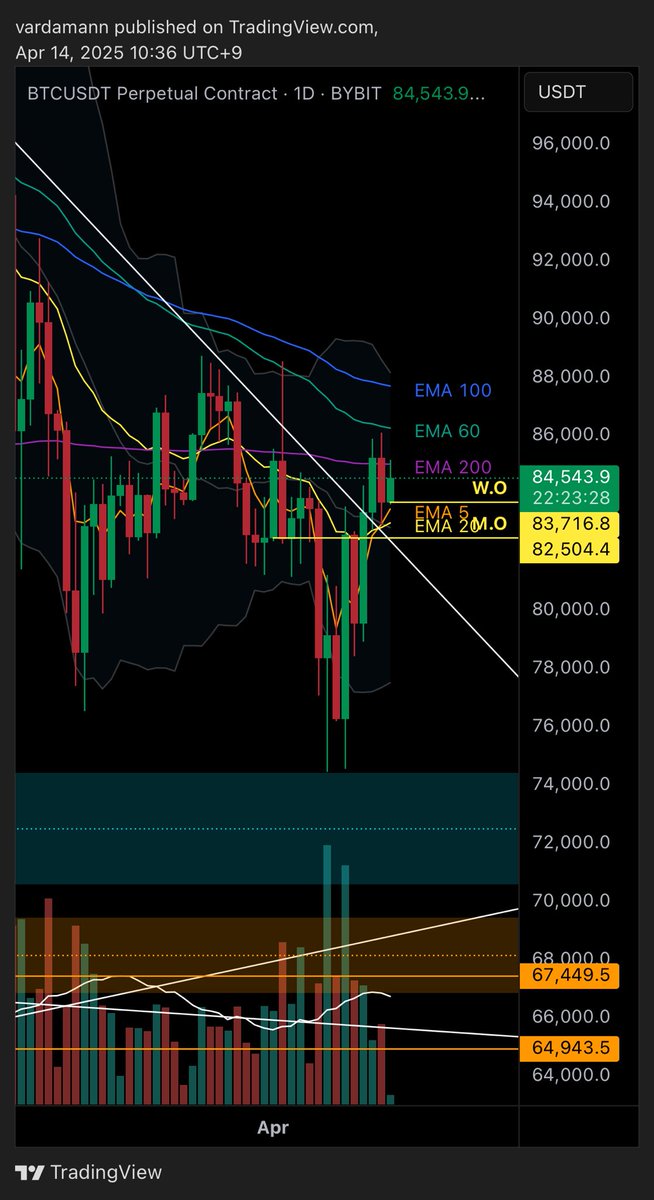
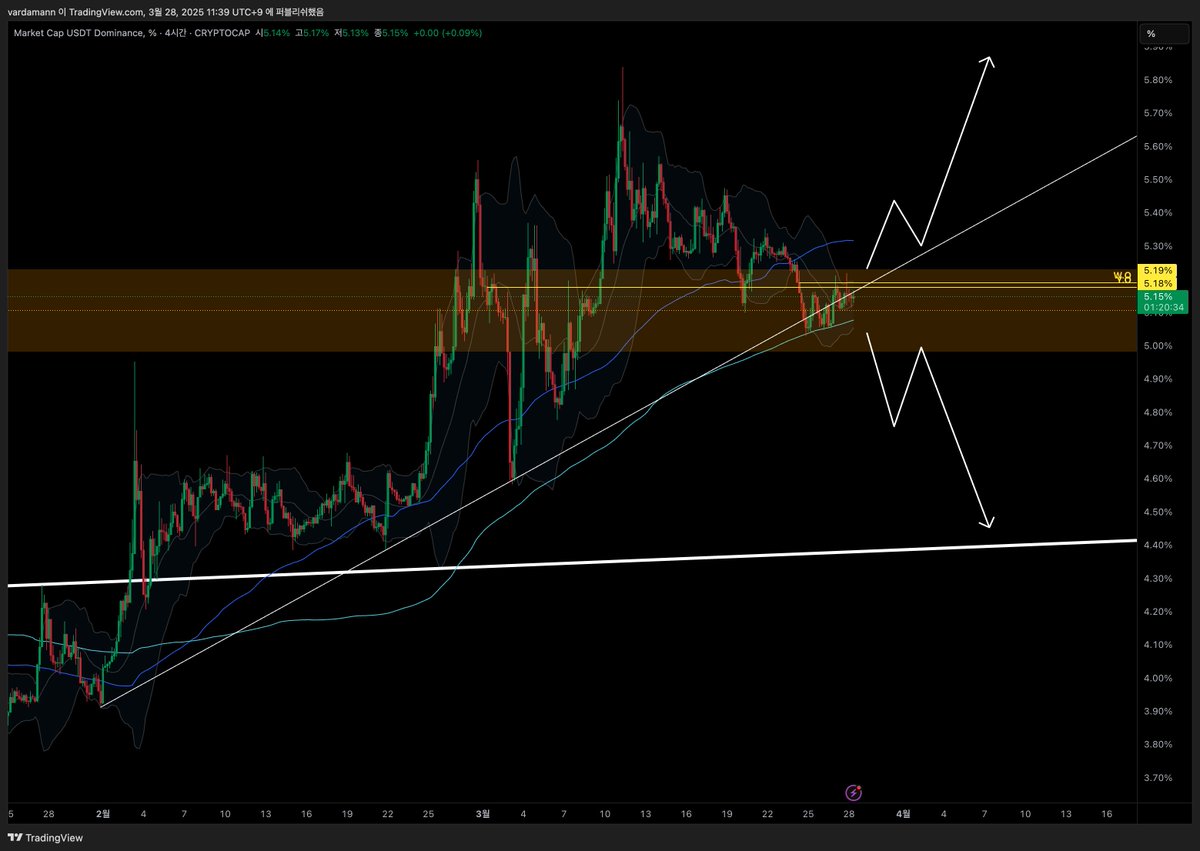
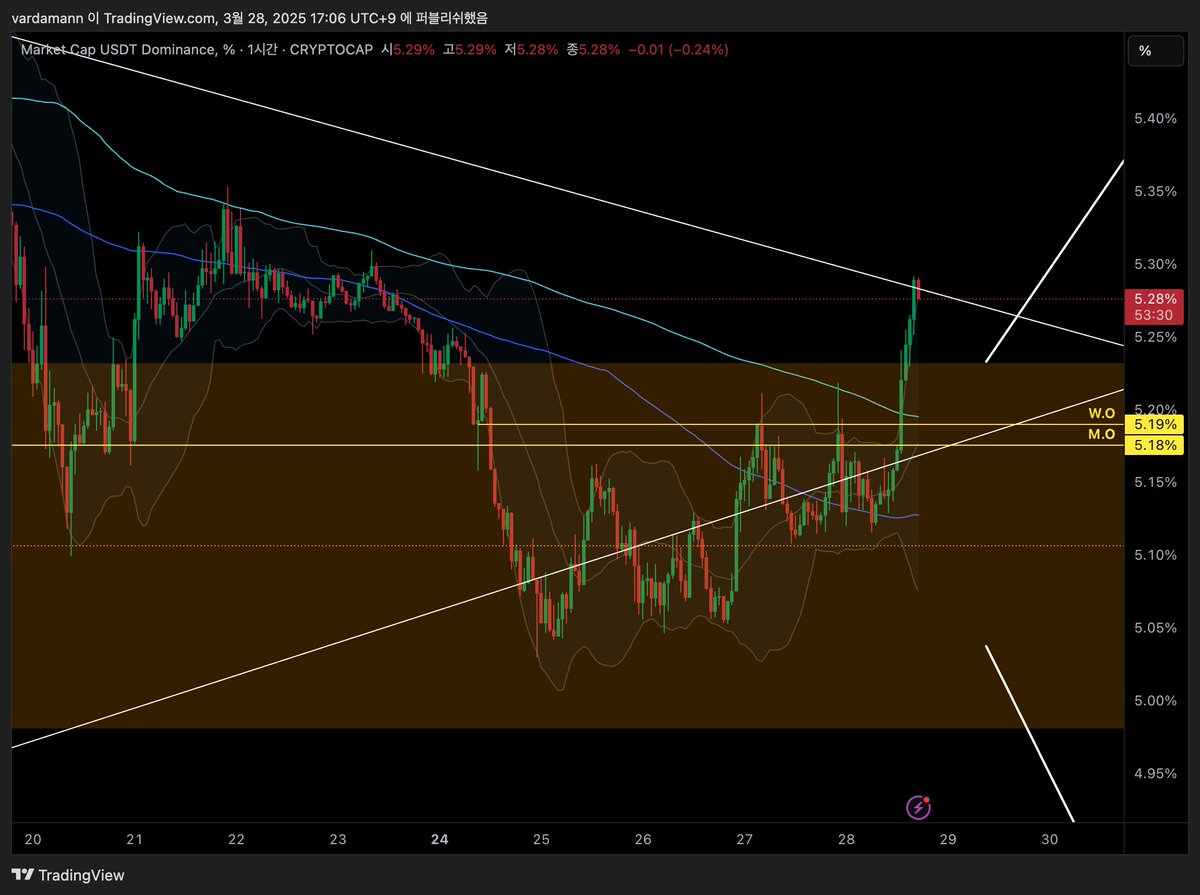
추세전환에 대한 기대감을 갖게 하는 상승이 있었지만 아직 추세전환은 이뤄지지 않았음. 하락 추세선도 가파르다 보니 신뢰하기 어렵고.
여전히 일봉 기준 이평선은 역배열이라는 점을 잊어서는 안됨. 바닥을 다지며 정���열만드는 작업은 꽤나 고루하고 스탑헌팅도 많은만큼 장기적 관점에서 시장을 바라보는게 좋을거라 판단함.
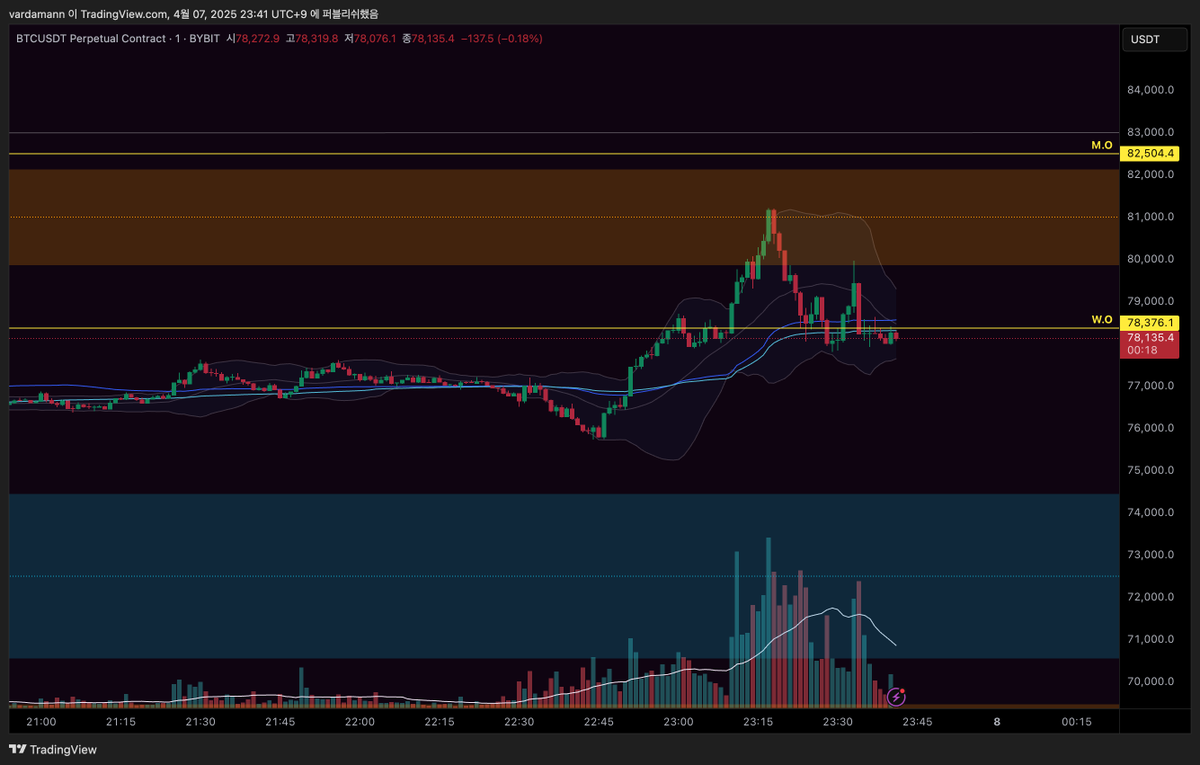
확실한건 지금 가격대는 저항부근이며 LH가 나왔다고 생각하고 숏으로 매매 중 $BTC
생각좀 하면서 살자 https://t.co/N4pXVdFFWd via @YouTube
- 생각은 실행(시도)이 수반되어야 한다. 실행이 곧 input이니까.
- iteration이 중요하다. 실행+수정+실행+수정...
- 1만번의 오류/수정이 쌓이면 그 분야의 전문가가 되는 것이다.
- 낙관적으로 크게 바라보아라. 그래야 매몰 비용을 낮추고 리프레이밍을 할 수 있다.
- 동기화된 사고를 피하고 객관화해라. (동기화된 사고: 내가 원하고 믿고 싶은 방향으로만 해석하는 것) 본인의 에고로 세상을 바라보면 시야가 흐려지기 마련.