🔥 Konten AI vs Non-AI, mana yang paling efektif menarik audiens?
Belakangan, konten berbasis AI makin sering muncul di berbagai platform. Visualnya makin rapi, prosesnya lebih cepat, dan hasilnya mulai terlihat profesional.
Tapi apakah performanya benar-benar bisa bersaing?
Another burn, another on-chain receipt.
Total $MWXT burned: 10,494
20% of marketplace revenue goes to burn: real usage → real revenue → real deflation.
No hype needed. The loop is running.
GM builders.
My take: crypto wins when it becomes infrastructure, not a lifestyle.
The real adoption path is boring on purpose:
Simple checkout, instant value, no extra steps
SMEs don’t want wallets and bridges:
They want output, more time, more sales, less overhead.
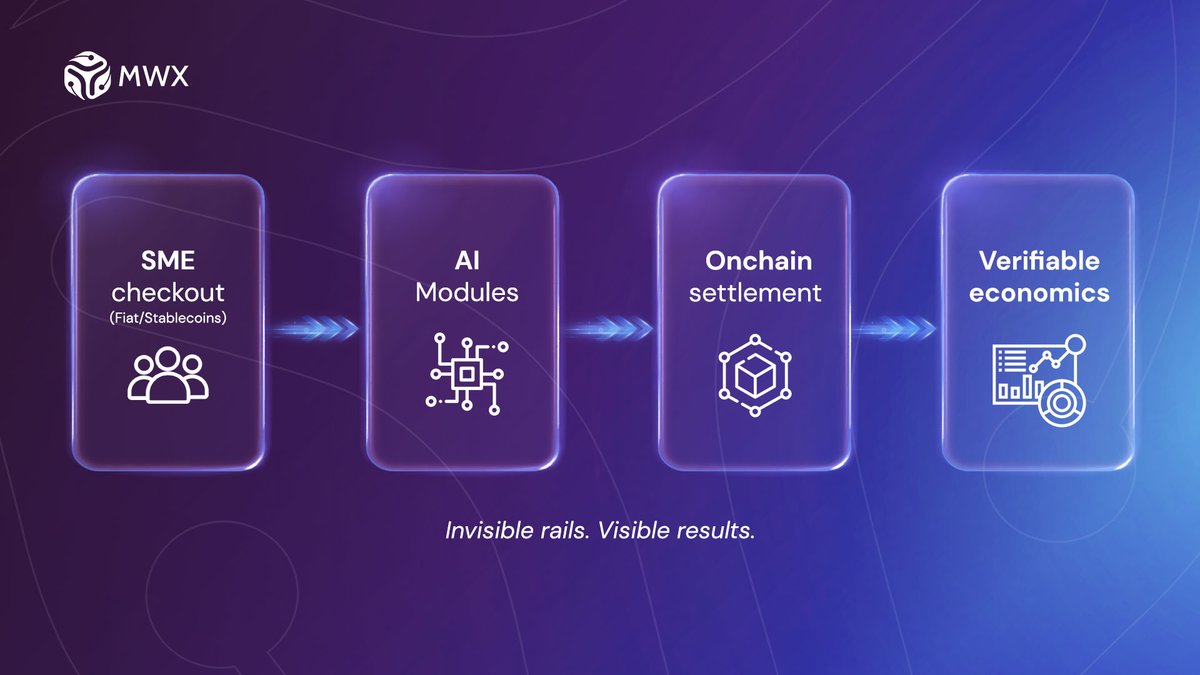
So the goal is “onchain, invisible”:
Web2-like UX on the surface;
Web3 rails underneath.
That’s why I’m obsessed with marketplaces: Distribution + payments + transparency.
All in one system.
In the next cycle, the winners won’t be the loudest.
They’ll be the ones with the cleanest path from usage → verifiable value.
GM!
I don’t think the future belongs to the loudest projects.
It belongs to the projects that make powerful tools accessible.
SMEs are the backbone of every economy, yet they’re the last to get real leverage.
AI should not be a privilege for enterprises.
That’s the mission: Give small businesses time back, confidence back, and a fair shot.
Build quietly. Help loudly.
Using protocol revenue to fund token buybacks followed by permanent burns is one of the most robust value-accrual mechanisms in token design.
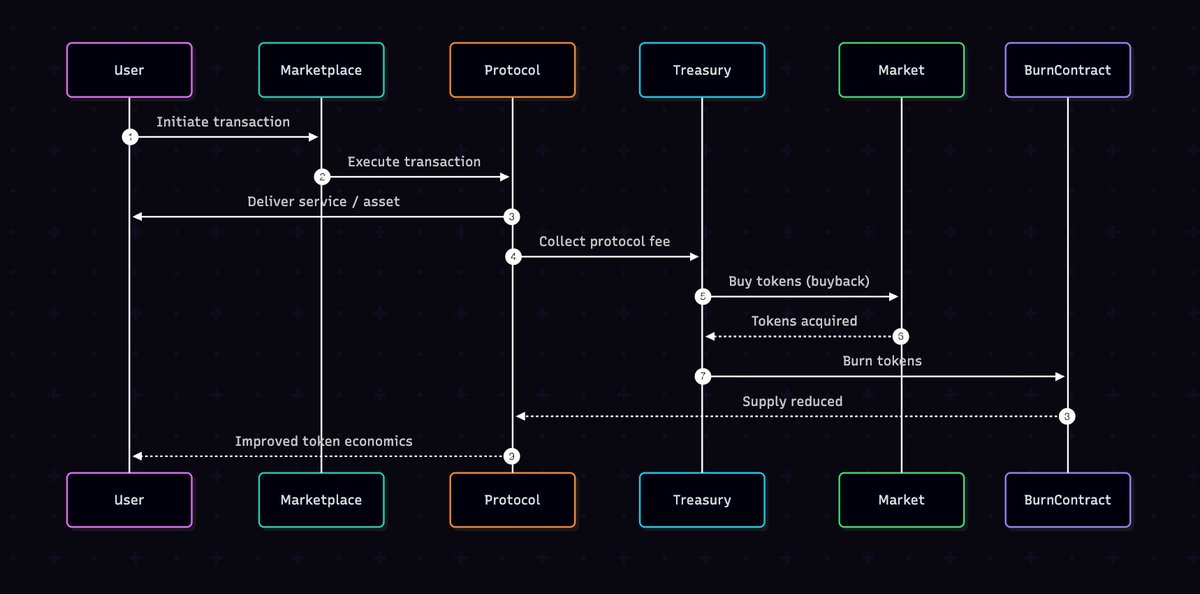
In this model, token burns are funded by real economic activity rather than emissions, incentives, or narrative-driven speculation. Product usage generates revenue, a predefined portion of which is systematically deployed to repurchase tokens from the open market and permanently remove them from circulation.
The mechanism produces structural effects:
🔹Permanent supply contraction, reducing long-term dilution risk.
🔹A direct linkage between protocol performance and token value, anchoring valuation to measurable usage.
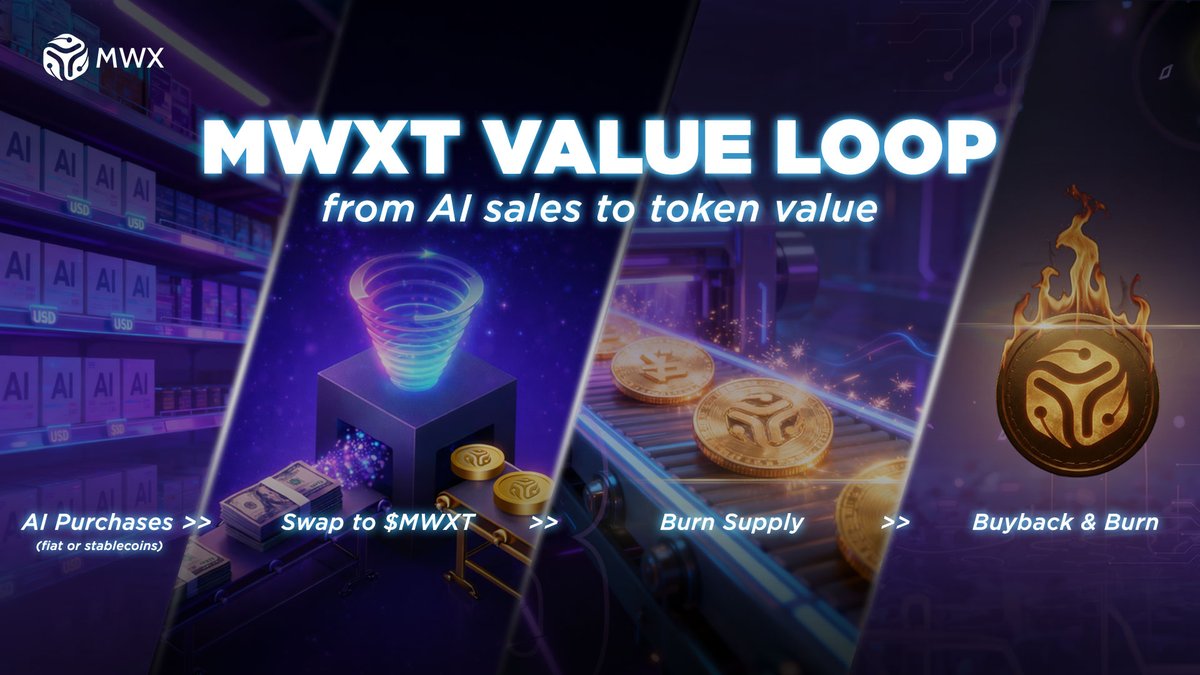
🔹Establishes a closed feedback loop: usage → revenue → buyback → burn → tighter supply.
In my view, this initiative demonstrates a disciplined approach to token economics by prioritizing sustainability and embedding value capture directly at the protocol level. While no mechanism guarantees appreciation, linking token supply dynamics to real revenue provides a strong and credible foundation.
You can visit the website below to verify data on tokens that have already been burned. The site also provides additional on-chain information such as token holders, market capitalization, circulating supply, and more: https://t.co/Ugfxb7TZwx
If you are interested in viewing the token’s price chart on @dexscreener or @GeckoTerminal, you can use the following smart contract address: 0x93918567cdD1bc845BE955325a43419a7C56d66f
Another burn. Another proof of the loop.
Total MWXT burned: 9,983
20% of marketplace revenue gets burned; supply down, value loop stronger.
Built by real usage. Not hype.
Competitor next door is always packed…and your “market research” takes days?
That’s not research, that’s lost momentum.
SmartWhiz turns social listening + competitor intelligence into actionable insights, fast and without needing a big team.
Starting at $6.
MWX marketplace revenue has been swapped into MWXT.
Update total revenue swapped into MWXT: 278K.
This is what we mean by real business demand, not hype: real usage → real revenue → on-chain value you can track.