No dia seguinte das eleições, as ações do Banco do Brasil foram as que mais desvalorizaram na Bolsa de Valores, mas só estamos entendendo o porquê disso HOJE que o banco anunciou queda de 66,5% do lucro devido ao CALOTE e atrasos de pagamento do AGRO.
A primeira coisa que eles iam quebrar pra privatizar era o Banco do Brasil.
Está claro!
Climão tenso entre o Rogério Marinho e o William Waack após ele dizer que o PT é um grande partido de quadros com grandes lideranças, enquanto o PL não é.
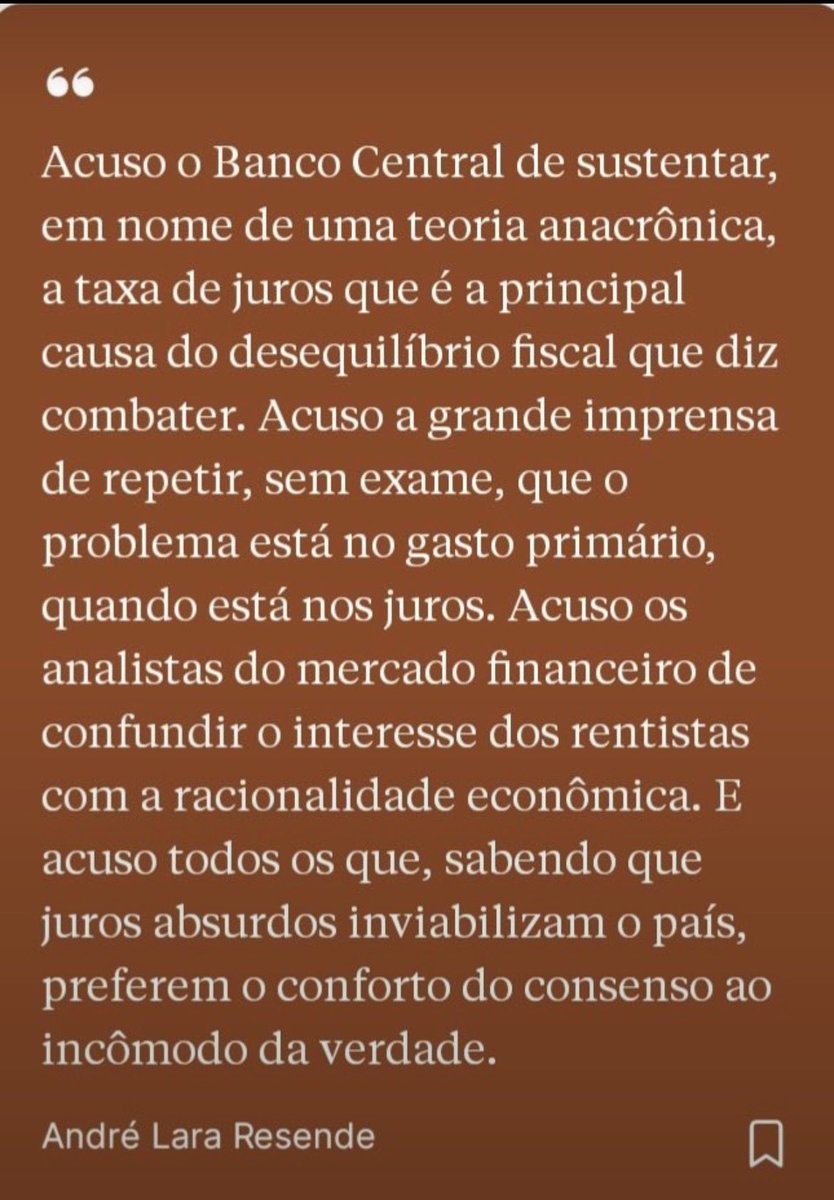
INFLUENCIADORES IRRESPONSÁVEIS TE FAZEM ACREDITAR EM MENTIRAS SOBRE O AUMENTO DA DÍVIDA PÚBLICA! SÃO OS JUROS O PROBLEMA!! CORTAR GASTOS DE MANEIRA VORAZ, IRIA FAZER OS POBRES DESSE PAÍS CHAFURDAREM NA LAMA DA MISÉRIA! OLHEM PARA A ARGENTINA!
#FlavioFugitivo#Economia#Brasil
José Kobori: sobre o terrorismo da Faria Lima “o mercado não é a sociedade, não foi o mercado que foi eleito. O que a sociedade tá pedindo é mais política econômica que beneficiem o povo”
@Gao_Zherui Sou brasileiro,foi uma contrapartida para zerar impostos de alimentos básicos... 30% de impostos em carros movidos a gasolina porém zerando os para elétricos e híbridos.
🚨#OPERAÇÃOPF | PF combate grupo suspeito de recrutar mulheres brasileiras para exploração sexual em Israel e outros países. A operação cumpre 1 mandado de prisão preventiva e 3 de busca e apreensão no Pará e em Goiás. Também foram determinados o bloqueio de bens e valores de até R$ 10 milhões e a suspensão das atividades de duas empresas investigadas. ➡️ Saiba mais: https://t.co/E05hY3udYX
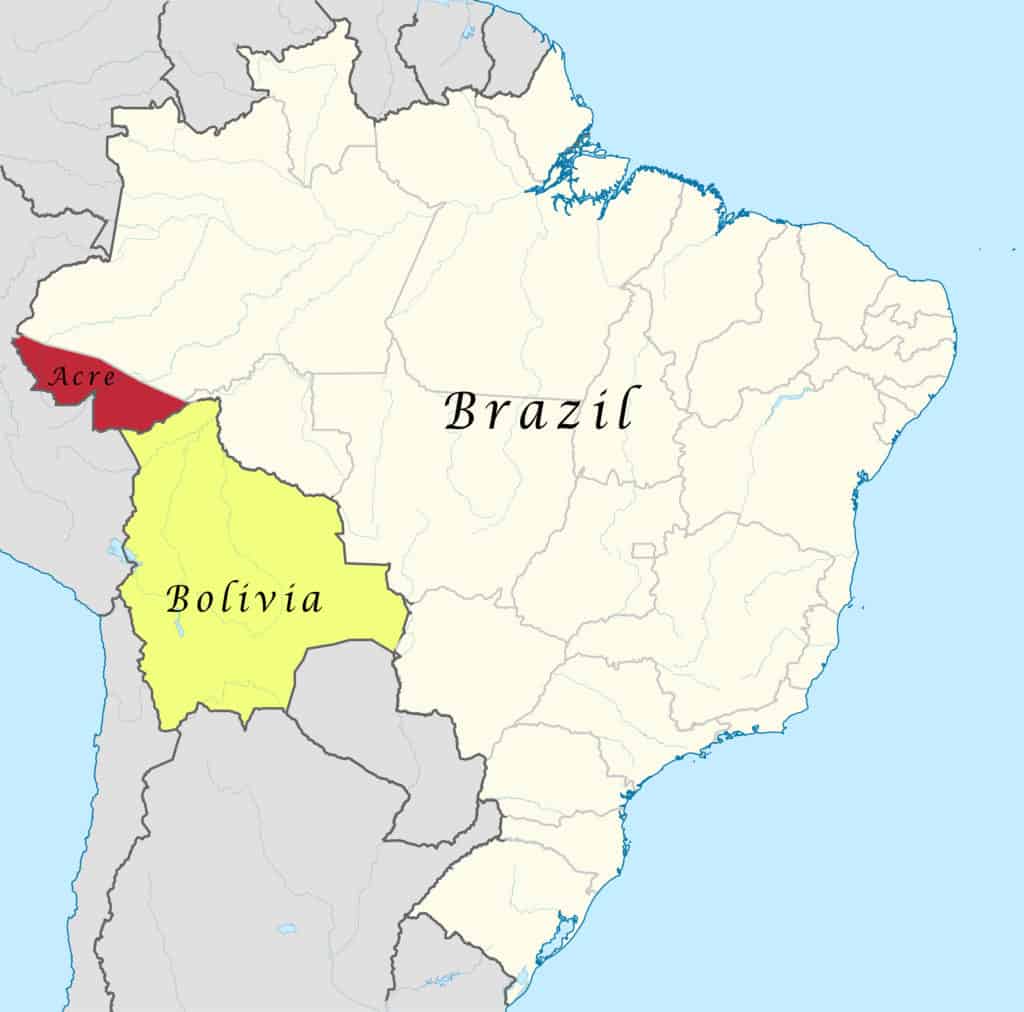
Brazil once bought the land for an entire state from Bolivia for 2 million British pounds and a promise to build a railroad through the jungle.
In the late 1800s, the land called Acre belonged to Bolivia.
Most of the people living there were Brazilian rubber tappers, many of them escaping a terrible drought in Ceará.
Rubber was the oil of its day, and Acre's forest was full of rubber trees.
When Bolivia set up a customs post to tax the rubber, the Brazilians living there rebelled.
Rebel leaders declared Acre its own country three separate times between 1899 and 1903.
Brazil's foreign minister, the Baron of Rio Branco, settled the fight at the negotiating table.
On November 17th, 1903, the two countries signed the Treaty of Petrópolis.
Bolivia handed over Acre.
Brazil paid 2 million pounds, gave up a small piece of Mato Grosso, and agreed to build the railroad.
The railroad was meant to carry Bolivian rubber around the rapids of the Madeira River and down the Amazon to the Atlantic.
Work started in 1907 in the middle of the jungle.
Tropical diseases killed thousands of workers, so people started calling it the Devil's Railroad.
The last stretch opened in 1912, after about 230 miles of track.
One year later, rubber from plantations in Asia passed Amazon rubber for the first time.
Those plantations grew from seeds taken out of Brazil.
Prices fell, the rubber trade moved to Asia, and the railroad lost most of its business.
It lost money for decades and stopped running as a working railroad in 1972.
Acre stayed.
Today it is a Brazilian state almost the size of Florida.
Infrastructure built for a single commodity lives and dies with that commodity's price.