💡My take: Moltbook is a preview of the next internet problem, not bots on platforms, but bots as the platform.
If agents become a social layer, what’s the minimum bar for verification, accountability, and safety before we let them run wild?
Have you heard about Moltbook?
It’s a social network built for AI agents, humans can only observe.
Agents authenticate via OpenClaw, then participate like users posting and replying.
El estallido será financiero, pero las decisiones que tomemos sobre la infraestructura que quede tras el polvo definirán la economía de la próxima década.
¿Pensáis que la IA está sobrevalorada o es solo el principio? Os leo. 👇
🔗 Análisis completo aquí: https://t.co/H1vUHocbRI
3️⃣ La perspectiva económica: ¿Estamos financiando productividad o solo reemplazo laboral? 🛑
Como advierte @DAcemogluMIT, corremos el riesgo de una "automatización mediocre": incentivar fiscalmente que las máquinas sustituyan tareas en lugar de potenciar al trabajador.
2️⃣ La perspectiva técnica: @ilyasut (ex OpenAI) advierte que la "era del escalado" por fuerza bruta está llegando a su fin.
Si el avance depende ahora de la investigación fundamental y no solo de meter más GPUs, el capital podría estar persiguiendo un muro.
¿Estamos ante una revolución real o ante la burbuja más cara de la historia?
🧵 Abro hilo sobre mi nuev artículo en @a_publica donde analizo el fenómeno de la IA desde tres perspectivas clave:
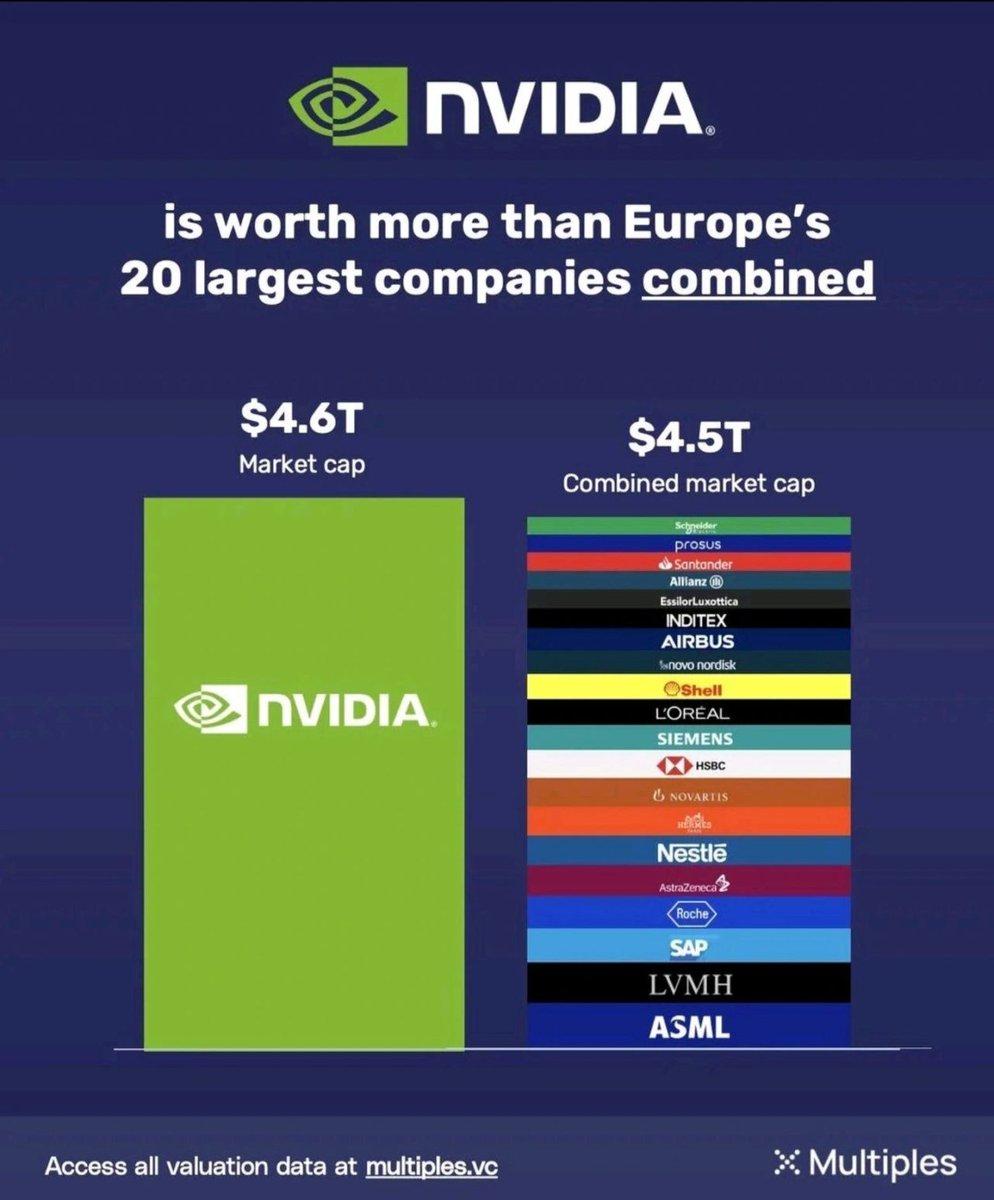
1️⃣ La perspectiva financiera: Más allá de las valoraciones, preocupan los "acuerdos circulares". Gigantes que invierten en startups para que estas les compren sus propios chips.
¿Crecimiento real o una máquina de movimiento perpetuo de ingresos?
💡My take: Regulation is giving big institutions the confidence to launch “digital dollars”. If stablecoins keep growing, they could make payments faster, but they could also pull money away from bank deposits.
Stablecoins are basically digital dollars. And this week’s news shows they’re moving from “crypto tool” to mainstream finance. What happened:
1) Tether launched USAT, a new “US-friendly” stablecoin meant to operate under a federal U.S. framework.
3) Tether’s CEO wants Tether to become a “gold central bank”:
Tether’s CEO is leaning hard into gold, saying Tether wants to build a massive gold position and even trade it actively, basically acting more like a giant reserve manager than a typical crypto company.
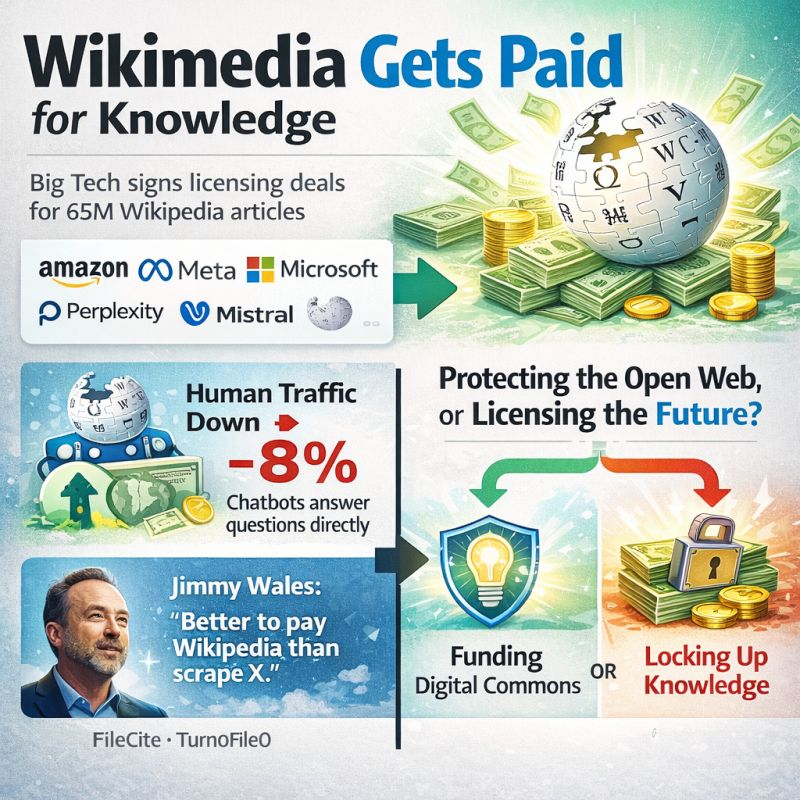
Wikipedia just did something quietly radical: it started getting paid.
After years of being the internet’s “free knowledge layer”, Wikimedia is now signing AI licensing deals with Amazon, Meta, Microsoft, Perplexity, and Mistral.
Wikipedia says human traffic is down ~8%, as chatbots answer questions directly without sending people back to sources.
Moreover, the scraping itself isn’t just annoying, it’s expensive. Bots are hammering Wikipedia’s infrastructure to pull huge volumes of content.
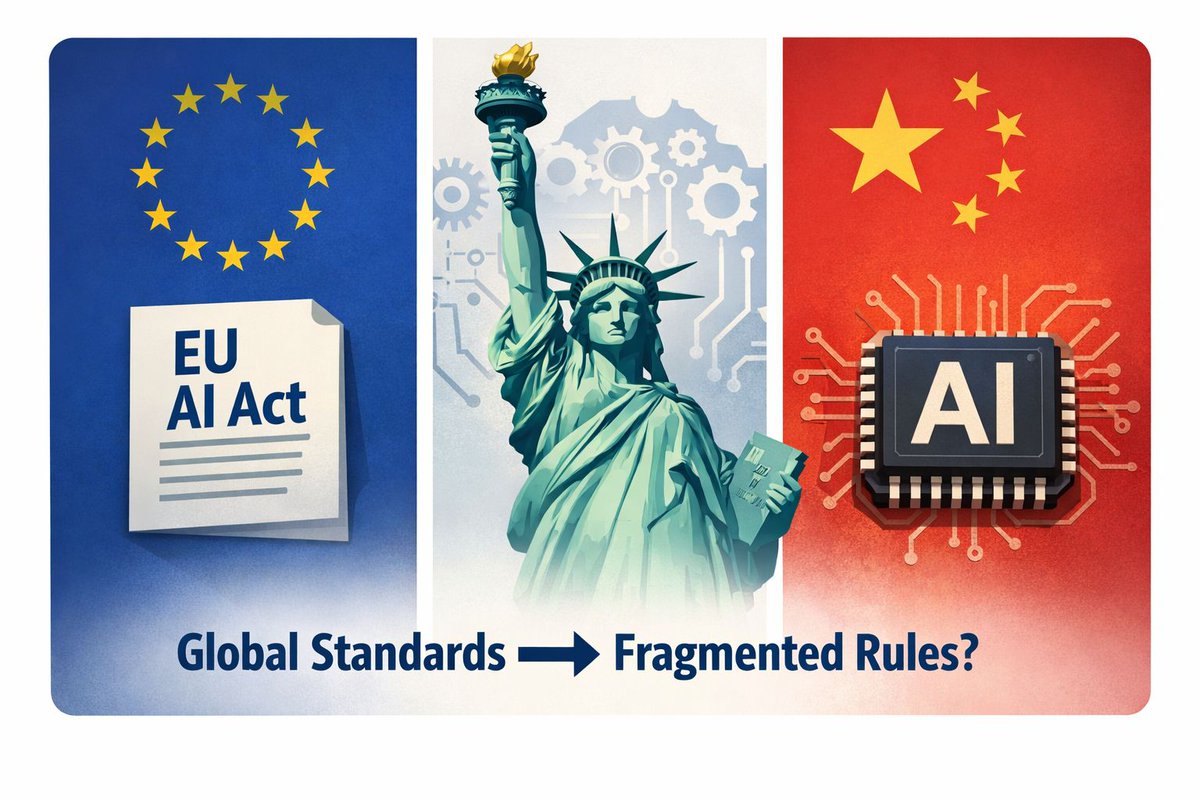
💡My take: These competing approaches could split the AI ecosystem into blocs. And once that happens, aligning on safety and accountability gets a lot harder.
China followed a different path again: fast, centralized rules focused on security, content control, and traceability, including reviews ahead of deployment and watermarking for generative AI.