Our paper is now out! Cell damage regulates expression of lipid-modifying enzymes via alternative transcription. @SARSCoV2 exploits this to boost Spike #acylation#palmitoylation and generate more infectious #virions! @FS_Mesquita@AbramiLaurence
https://t.co/1vGgyz6uiW
Our paper is now out! Cell damage regulates expression of lipid-modifying enzymes via alternative transcription. @SARSCoV2 exploits this to boost Spike #acylation#palmitoylation and generate more infectious #virions! @FS_Mesquita@AbramiLaurence
https://t.co/1vGgyz6uiW
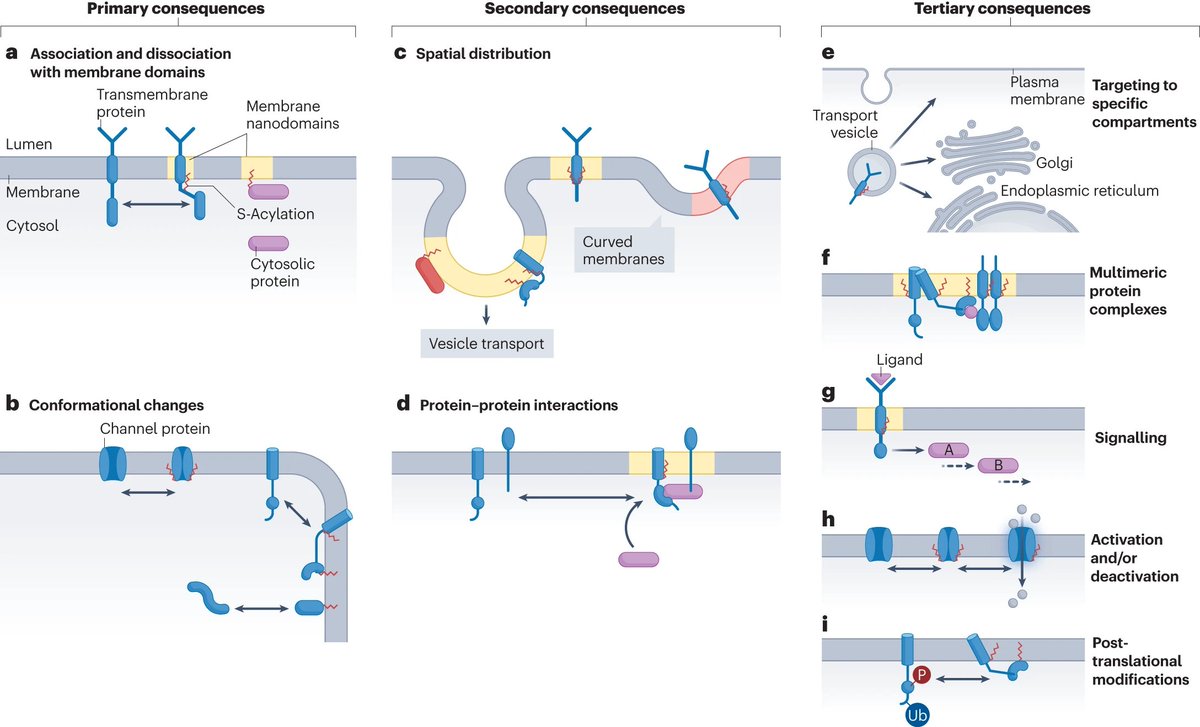
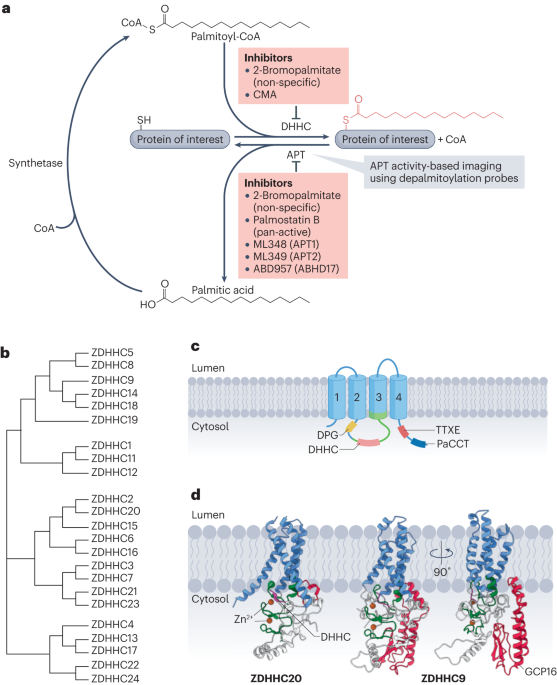
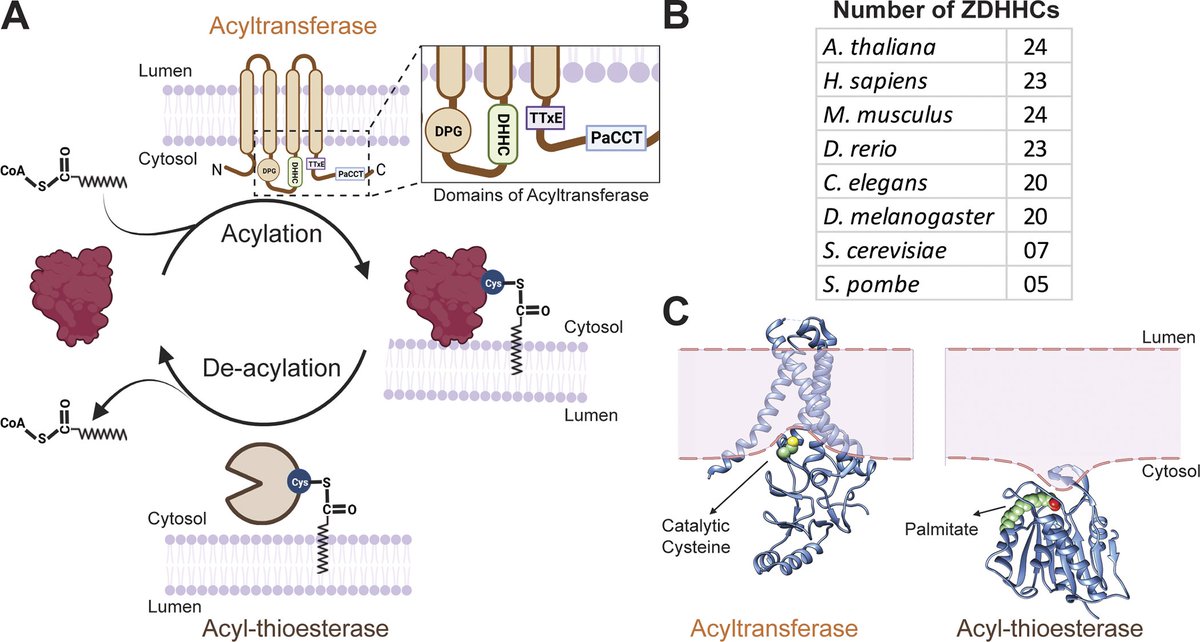
Delighted to share our take on the only reversible lipid PTM--S-acylation as a major regulator of protein dynamics and function and its implications in health and disease in @JCellBiol . @gvdgoot Thanks so much. Proud! Highlights in thread (1/7)
https://t.co/RaYNZGKKU8
Review: S-acylation is one of the most frequent posttranslational modifications that regulates diverse cellular processes. @MUmairanwar1 and @gvdgoot @EPFL_en discuss the complexity and disease implications of this highly regulated reversible lipidation. https://t.co/u6pE2vQbpB
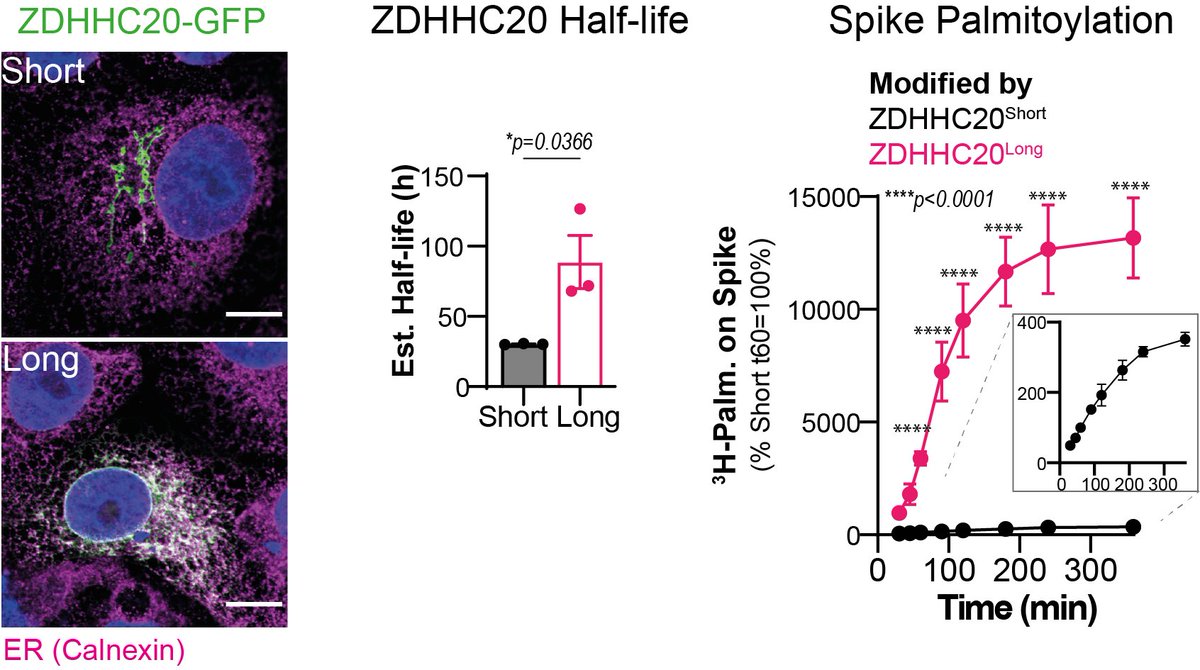
#SARS2#Lipidation Chapter2. How #SARSCoV2 boosts Host #Palmitoylation to promote infectivity! #Infection shifts transcription of ZDHHC20 palmitoyltransferase to increase #Spike Palmitoylation and produce more infectious #virus Stay tuned for Chapter3
https://t.co/81eX8duDjp
The N-terminal extension of ZDHHC20 prevents the protein from leaving the ER, extends its half-life, and enhances its #Spike modifying capacity by more than 35 times!
Is there more than transcriptional programs to drive cell identity? Here with @GioeleLaManno we discuss the lipotype hypothesis https://t.co/loAXj0Kx5Z
How are membrane nanodomains formed? Delighted to share our preprint where we show that plasma membrane compartmentalization is controlled by rapid lipid composition remodeling at the ER-Golgi contact sites. (1/4)
https://t.co/Lm7pJLnDmX