Dennis Ritchie invented C in 1972, co-built Unix in 1969, and his code is running inside every device you are reading this on right now and the colleague who announced his death had to do it through a Google+ post because no journalist thought to check.
He worked at Bell Labs in New Jersey for 44 years. He never gave a keynote. He never ran a company. He never appeared on a magazine cover. He just wrote code that became the invisible foundation everything else is built on.
Here is what he actually built, and why it matters more than almost anything that happened in tech.
In 1969, Bell Labs had just walked away from one of the most ambitious computing projects in history. The Multics project, a joint effort between MIT, Bell Labs, and General Electric, had collapsed under its own weight. Too complex. Too expensive. Too slow. Bell Labs pulled out.
Ken Thompson and Dennis Ritchie refused to let the ideas die.
Working in a small office in Murray Hill, New Jersey, Thompson wrote the first version of Unix in three weeks during the summer of 1969. One week for the file system. One week for the process management. One week for the command shell. Ritchie was working alongside him, and when the system needed a language that could express what they were building, he built one.
In 1972 he completed C.
C was not just another programming language. It was a different philosophy about what a programming language should be. Before C, most systems code was written in assembly, which meant every program was tied to the specific hardware it ran on. You could not move code between machines. You rewrote it from scratch every time.
C changed that. It sat close enough to the hardware to be fast, but abstract enough to run on anything. When Thompson rewrote the Unix kernel in C in 1973, it became the first operating system that could be picked up and moved to a completely different machine without starting over. Portability was a new idea. Ritchie made it real.
The branching that followed is almost impossible to overstate.
Unix spread from Bell Labs to universities. At Berkeley, it became BSD. BSD became the foundation of macOS and iOS. Unix influenced Linus Torvalds, who built Linux in 1991. Linux now runs every Android phone, every major web server, every supercomputer on the Top500 list, and the overwhelming majority of cloud infrastructure at AWS, Google, and Microsoft.
C became the parent language of C++, Java, JavaScript, Python, and Objective-C. Rob Pike, who worked across the hall from Ritchie at Bell Labs for 20 years, said it plainly: "The browsers are written in C. The Unix kernel that the entire internet runs on is written in C. Web servers are written in C, and if they're not, they're written in Java or C++, which are C derivatives, or Python or Ruby, which are implemented in C."
Ritchie won the Turing Award in 1983. He won the National Medal of Technology in 1998, presented by President Clinton. He was head of System Software Research at Bell Labs for decades.
He answered emails from strangers with technical questions until the end of his life. His home address stayed listed in the phone book. His colleague Brian Kernighan, who co-authored the definitive C textbook with him, said Ritchie was a private person who did no self-salesmanship. That was not false modesty. It was just who he was.
He died on October 12, 2011, at his home in Berkeley Heights, New Jersey. He was 70. He had been ill for some time. The world did not notice until Rob Pike posted a quiet announcement on Google+, and the news spread through the programming community in hushed tones.
No front pages. No tributes from heads of state. No candlelight vigils outside corporate campuses.
The device you are reading this on runs code that traces directly back to what he built. So does the server that delivered it to you. So does the browser or app you opened to get here.
Most people will never know his name.
The ones who built everything you use every day do.
Jeff Bezos asked a room to imagine going back a hundred years.
When almost everyone was a farmer.
And telling those farmers that in 2018 there’d be a job called “massage therapist.”
Bezos: “They would not have believed you.”
Then a friend took it further.
Bezos: “Forget massage therapist, there are dog psychiatrists.”
He looked it up.
Bezos: “Sure enough, you can easily hire a psychiatrist for your dog.”
The room laughed.
The point under the laughter wasn’t funny at all.
Every time a major technology shift hits, we do the exact same thing.
We count the jobs it will destroy.
We never count the ones it will create.
Because we can’t.
They don’t have names yet.
The fear is always specific.
AI will replace accountants. AI will replace radiologists. AI will replace drivers.
The fear has job titles and timelines and projections.
The opportunity has none of those things.
Because you can’t name what doesn’t exist yet.
A farmer in 1920 could understand losing his job to a tractor.
He could not understand gaining a career as a social media strategist.
Not because he lacked intelligence.
Because the entire chain of inventions between his world and that job hadn’t been built yet.
Radio. Television. The internet. Smartphones. Social platforms. Creator economies.
Every single link in that chain had to exist before “social media strategist” could even be a sentence.
That’s where we are with AI right now.
Everyone is staring at the tractor.
Nobody can see the thing seven inventions away that doesn’t have a name yet.
The fear is loud because it fits inside language we already have.
The opportunity is silent because it doesn’t.
Every technological revolution in history created more jobs than it destroyed.
Every single one.
Not because anyone planned it.
Because human needs expand faster than machines can fill them.
We didn’t need massage therapists when we were breaking our backs on farms.
We needed them after machines freed our backs and stress replaced labor.
The demand didn’t disappear.
It migrated somewhere no one was looking.
That is exactly what’s happening right now.
The jobs AI creates won’t make sense to us yet.
They’ll sound as absurd as “dog psychiatrist” would’ve sounded to a farmer in 1920.
Until someone is running a $200 hourly practice with a six-month waitlist.
The entire conversation right now is about what we’re about to lose.
Nobody is talking about what we’re about to gain.
Because the gains don’t have vocabulary yet.
A hundred years from now, someone will stand on a stage and describe the jobs we couldn’t imagine today.
And the audience will laugh.
The same way we just did.
GitLab announced a layoff today.
Please take this seriously.
There will be many, many more.
Your assignment is clear:
Get skilled with agents and practice shipping to prod.
It doesn't matter if you're HR, eng, infra, customer success, admin, ops, sales, whatever.
As a Founder/CEO, I can tell you that I won't be hiring any employees who aren't really skilled with agents and able to ship to prod.
I'm not alone in this.
There is no 'engineering' org in the future.
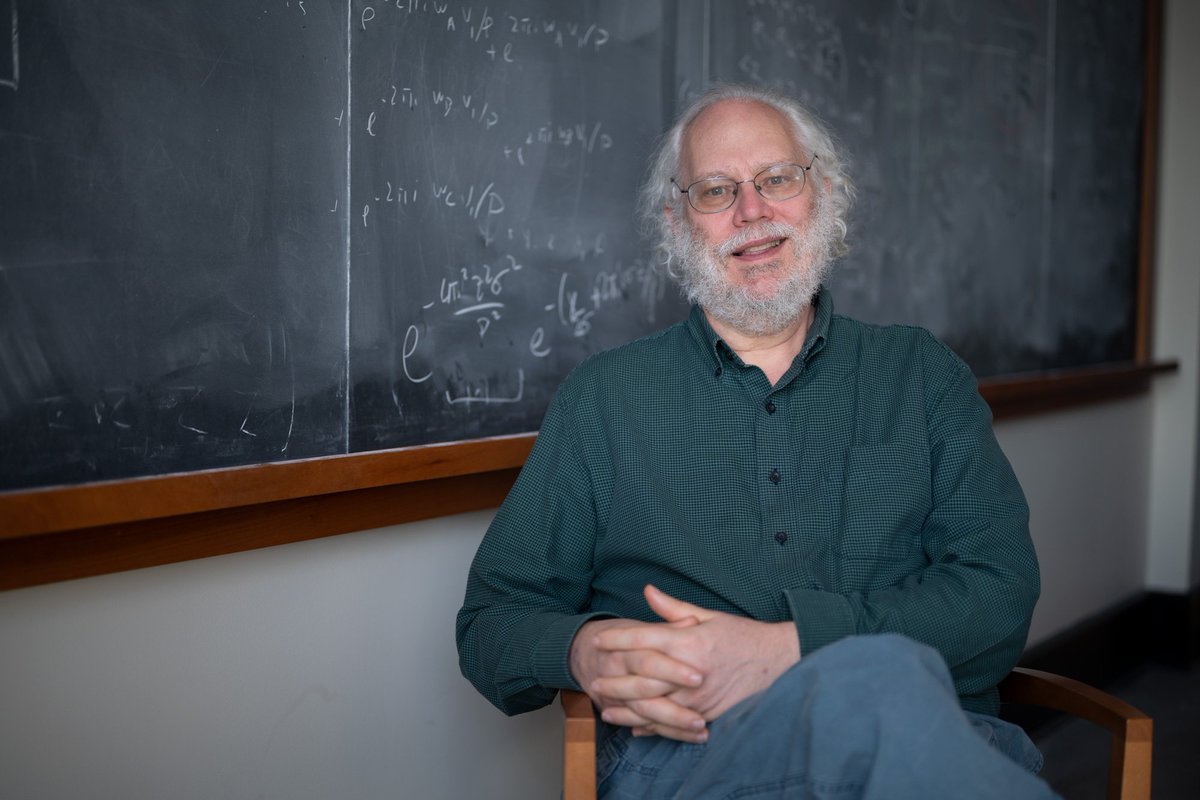
A mathematician at Bell Labs wrote something on paper in 1994 that made every government on earth quietly panic. The machine that runs it doesn't exist yet. The panic never stopped.
His name is Peter Shor. He is a professor of applied mathematics at MIT. He won the Turing Award in 2021, the highest honor in computer science. And the thing he is most famous for is a piece of mathematics he wrote in four days that he did not fully intend to write.
Here is the story almost nobody tells, and why it should change how you think about the security of everything you do online.
In 1994, Shor was a researcher at AT&T Bell Labs in Murray Hill, New Jersey. Bell Labs at the time was the most intellectually alive research environment in the world. The same building that produced Claude Shannon's information theory, the transistor, and the Unix operating system was now full of physicists who interrupted each other mid-sentence and argued through lunch.
Quantum computing in 1994 was not a field. It was a rumor. A handful of theorists believed that computers built on quantum mechanical principles could solve certain problems exponentially faster than classical machines. Most of the scientific establishment considered them eccentric. There was no working quantum computer. There was no clear proof that one would ever matter. It was the kind of research that serious people called interesting and quietly avoided.
Shor was not avoiding it.
He had been thinking about a problem called the discrete logarithm, a mathematical operation that sits underneath several encryption schemes. Encryption works because certain mathematical operations are easy to perform in one direction and almost impossible to reverse. Multiply two enormous prime numbers together and you get a product in seconds. Start with the product and try to find the two original primes and a classical computer would take longer than the age of the universe. That asymmetry is the lock. Every bank transaction, every encrypted email, every password you have ever entered online is protected by some version of that lock.
Shor worked out a quantum algorithm for the discrete logarithm problem. He presented it at an internal Bell Labs seminar. The physicists in the room paid attention for the entire talk, which was unusual. The talk ended, and people started talking.
Then the telephone game started.
The discrete logarithm is used in some encryption systems, but not most. The dominant encryption standard protecting most of the world's sensitive data, RSA, is built on a different problem: prime factorization. As news of Shor's seminar spread through the halls of Bell Labs and then through the physics community, something got lost in translation. By the time the story reached physicists across the country four days later, the rumor was that Shor had solved factoring. He had not. He had solved something related but different.
Shor heard the rumor. And then, in four days, he made it true.
He sat down, looked at what he had already built, found the mathematical connection between the discrete logarithm and prime factorization, and extended his algorithm to cover both. The rumor had described something that did not exist. He built it to match the rumor before anyone found out it was wrong.
What he had now was a quantum algorithm that could factor enormous numbers exponentially faster than any classical computer. In practical terms, what that meant was this: if a quantum computer ever existed with enough stable qubits to run Shor's algorithm at scale, RSA encryption would be broken. Not weakened. Not compromised at the margins. Broken completely. Every message ever encrypted with RSA would be readable. Every private key ever generated would be derivable from the public key. Every lock built on the assumption that factoring is hard would unlock.
The paper went out. The reaction was not what most people imagine.
There was no press conference. No announcement. A 32-page technical paper appeared in the proceedings of a symposium on the foundations of computer science. Cryptographers read it and understood immediately what it meant. Intelligence agencies read it and understood immediately what it meant. Governments that had spent decades and billions of dollars building encryption infrastructure understood immediately what it meant.
None of them said much publicly. They started working.
The NSA gave Shor a Mathematics in Cryptology Award in 1995, one year after the paper came out. That is a fast turnaround for an award from an intelligence agency. The implication is that they read the paper and moved.
The problem was the machine. Shor's algorithm requires a quantum computer with enough fault-tolerant qubits to factor the kind of numbers used in real encryption, numbers with hundreds of digits. In 1994, no such machine existed. In 2001, IBM demonstrated Shor's algorithm on a 7-qubit quantum computer and used it to factor the number 15 into 3 and 5. That was the proof of concept. It was also a machine that required more infrastructure than most university labs own, running a calculation a fourth grader could do in their head.
The gap between that demonstration and a machine capable of breaking real encryption is enormous. The numbers involved in modern RSA encryption have hundreds of digits. Factoring them with Shor's algorithm would require a quantum computer with potentially millions of stable, error-corrected qubits. The best machines available today have thousands of qubits, most of them too noisy to use reliably for extended computation.
But the direction of progress is not ambiguous.
Every year, the machines get larger. Every year, error correction improves. Every year, the gap between what exists and what Shor's algorithm requires gets smaller. Nobody knows exactly when a machine capable of breaking RSA will exist. Estimates from serious researchers range from ten years to thirty. The NSA has said publicly that it believes the threat is real. NIST, the US standards body, spent years running a global competition to identify encryption algorithms that would survive a quantum computer, and in August 2024 published the first official post-quantum cryptography standards. Google has already integrated one of them into Chrome. Apple adopted another for iMessage. Signal switched to a hybrid post-quantum system in 2023.
All of that activity, every dollar of it, every hour of engineering, traces back to four pages Shor wrote in 1994.
The most interesting detail is the one Shor himself has repeated in multiple interviews. He compared the current scramble to build post-quantum cryptography to Y2K, the race to patch computer systems before the year 2000. He said the difference is that Y2K had a fixed deadline. The quantum threat has no deadline. Nobody knows when the dangerous machine will exist. And his warning was blunt: if you wait until it is obvious that a sufficiently powerful quantum computer is coming, you will already be too late. The migration of critical infrastructure to post-quantum standards takes years. The systems protecting financial markets, government communications, and military networks cannot be updated in an afternoon.
The race is not theoretical. It is happening right now, in every major government and every serious technology company on earth.
Shor is 65 years old. He still teaches at MIT. He did not build the machine. He wrote the paper that proved the machine would matter before anyone had built it. He won the Turing Award 27 years after the paper came out, which is either a sign that the committee moves slowly or a sign that the full weight of what he wrote is still arriving.
The most dangerous algorithm in the history of cryptography has never successfully been used against a real target.
Every system protecting your money, your messages, and your government's secrets is safe for exactly one reason. The computer that breaks them has not been finished yet.
It took me 10 years in corporate to realize this and I'll tell you in 30 seconds (from someone who walked away):
1. If you stay in the 9-5 world too long, you end up being immature about how the world works.
A software engineer who wrote the code that landed humanity on the moon realized one terrifying truth:
You cannot predict every error, but you can dictate exactly how the system reacts to them.
Her name is Margaret Hamilton, the woman who famously coined the term "software engineering." She argued that we obsess over writing perfect code and completely ignore how the system handles catastrophic failure.
Here are 4 operational frameworks she used to build elite, fault-tolerant architecture:
You probably weren’t told this, but…
Your laptop is keeping a travel diary of everywhere you have been for the last 5 years.
It’s called WLAN-AutoConfig.
Every time you connect to WiFi, Windows logs:
SSID (the network name)
BSSID (the router’s MAC)
Timestamp of the connection
Those entries sit in your saved profiles and WLAN event logs.
Most people never clear them.
And here’s the problem:
A BSSID is a physical device ID.
Crowdsourced databases like WiGLE(@wiglenet) map millions of BSSIDs to real-world coordinates.
So a forensic analyst doesn’t need a location tracker.
They just dump your WiFi history…
Plug those MACs into a database…
And instantly reconstruct a map of where your laptop has been.
💀
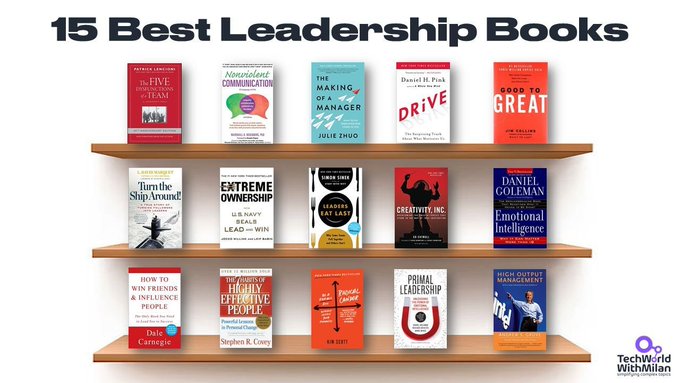
𝟭𝟱 𝗕𝗲𝘀𝘁 𝗟𝗲𝗮𝗱𝗲𝗿𝘀𝗵𝗶𝗽 𝗕𝗼𝗼𝗸𝘀
I was often asked which leadership resources I could recommend, so here is the list of 15 leadership books that had the most influence on me:
𝟭. 𝗛𝗼𝘄 𝗧𝗼 𝗪𝗶𝗻 𝗙𝗿𝗶𝗲𝗻𝗱𝘀 𝗮𝗻𝗱 𝗜𝗻𝗳𝗹𝘂𝗲𝗻𝗰𝗲 𝗣𝗲𝗼𝗽𝗹𝗲
A classic from 1936. Still very true today. How to advise in communication and influence.
𝟮. 𝟳 𝗛𝗮𝗯𝗶𝘁𝘀 𝗼𝗳 𝗛𝗶𝗴𝗵𝗹𝘆 𝗘𝗳𝗳𝗲𝗰𝘁𝗶𝘃𝗲 𝗣𝗲𝗼𝗽𝗹𝗲
It was first published in 1990 and is considered a classic. It teaches how to apply a principle-centered approach to solving life's challenges.
𝟯. 𝗥𝗮𝗱𝗶𝗰𝗮𝗹 𝗖𝗮𝗻𝗱𝗼𝗿
An innovative approach to leadership, how to care personally, and challenge directly.
𝟰. 𝗣𝗿𝗶𝗺𝗮𝗹 𝗟𝗲𝗮𝗱𝗲𝗿𝘀𝗵𝗶𝗽
This book explores the concept of emotional intelligence in the business world, a skill every leader needs.
𝟱. 𝗛𝗶𝗴𝗵 𝗼𝘂𝘁𝗽𝘂𝘁 𝗺𝗮𝗻𝗮𝗴𝗲𝗺𝗲𝗻𝘁
One of my favorite books by Andrew Grove provides a comprehensive overview of a manager's role.
𝟲. 𝗧𝘂𝗿𝗻 𝘁𝗵𝗮𝘁 𝗦𝗵𝗶𝗽 𝗔𝗿𝗼𝘂𝗻𝗱
This is a book about great leadership styles applied in a submarine. It explains that everyone can be a leader.
𝟳. 𝗘𝘅𝘁𝗿𝗲𝗺𝗲 𝗢𝘄𝗻𝗲𝗿𝘀𝗵𝗶𝗽
The book explains that you must own everything if you're a leader, and there is no one else you can blame.
𝟴. 𝗟𝗲𝗮𝗱𝗲𝗿𝘀 𝗘𝗮𝘁 𝗟𝗮𝘀𝘁
A famous piece by Simon Sinek argues that leaders should sacrifice their comfort to benefit those who follow them.
𝟵. 𝗖𝗿𝗲𝗮𝘁𝗶𝘃𝗶𝘁𝘆 𝗜𝗻𝗰
This book describes how building great teams requires humility and how we can learn from and embrace failure.
𝟭𝟬. 𝗘𝗺𝗼𝘁𝗶𝗼𝗻𝗮𝗹 𝗜𝗻𝘁𝗲𝗹𝗹𝗶𝗴𝗲𝗻𝗰𝗲
A book based on Daniel Goleman's research offers new insights into two minds, rational and emotional.
𝟭𝟭. 𝗧𝗵𝗲 𝗙𝗶𝘃𝗲 𝗗𝘆𝘀𝗳𝘂𝗻𝗰𝘁𝗶𝗼𝗻𝘀 𝗼𝗳 𝗮 𝗧𝗲𝗮𝗺
The books describe five dysfunctions of a team and help leaders avoid failures.
𝟭𝟮. 𝗡𝗼𝗻𝗩𝗶𝗼𝗹𝗲𝗻𝘁 𝗖𝗼𝗺𝗺𝘂𝗻𝗶𝗰𝗮𝘁𝗶𝗼𝗻
A book describes how we can be compassionate with ourselves and others.
𝟭𝟯. 𝗧𝗵𝗲 𝗠𝗮𝗸𝗶𝗻𝗴 𝗼𝗳 𝗮 𝗠𝗮𝗻𝗮𝗴𝗲𝗿
It explores what new managers can do in their first three months and beyond to ensure their team gets excellent results.
𝟭𝟰. 𝗗𝗿𝗶𝘃𝗲
The author suggests that great leaders should provide their teams with skills & a sense of purpose.
𝟭𝟱. 𝗚𝗼𝗼𝗱 𝗱𝗼 𝗚𝗿𝗲𝗮𝘁
The book is based on the premise that "good is the enemy of great."
Also, for all tech leads, I could recommend "Elastic Leadership: Growing Self-organizing Teams" by Roy Osherove.
👉 Read more: https://t.co/92hfpLByaR
A positive work culture is not:
🔴 Free meal
🔴 Free coffee
🔴 Ping-pong table
🔴 Gym membership
🔴 Unlimited snacks
🔴 Fancy office parties
Companies use these perks to attract people. But perks alone don't make a workplace great.
What truly matters to employees is:
✅ Autonomy in how they do their work (and from where)
✅ Clear expectations and well-defined processes
✅ Leaders who listen, support, and inspire
✅ Real opportunities for professional growth
✅ Trust and flexibility when life happens (you have private stuff, just do it, don't ask for permission)
✅ Genuine appreciation for their contribution
Perks might get people through the door, but meaningful work and respect keep them there.
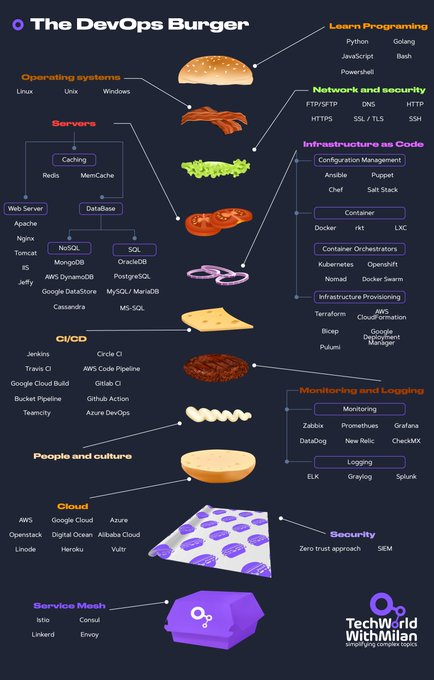
𝗗𝗲𝘃𝗢𝗽𝘀 𝗮𝘀 𝗮 𝗕𝘂𝗿𝗴𝗲𝗿 (𝗗𝗮𝗮𝗕)
What should the DevOps engineer's roadmap look like:
𝟭. 𝗟𝗲𝗮𝗿𝗻 𝗮 𝗽𝗿𝗼𝗴𝗿𝗮𝗺𝗺𝗶𝗻𝗴 𝗹𝗮𝗻𝗴𝘂𝗮𝗴𝗲 (Python, Go, ...) to write automation scripts
𝟮. 𝗠𝗮𝘀𝘁𝗲𝗿 𝗼𝗻𝗲 𝗼𝗽𝗲𝗿𝗮𝘁𝗶𝗻𝗴 𝘀𝘆𝘀𝘁𝗲𝗺 (Linux) and its command-line interface (CLI)
𝟯. 𝗠𝗮𝘀𝘁𝗲𝗿 𝘀𝗲𝗿𝘃𝗲𝗿 𝗺𝗮𝗻𝗮𝗴𝗲𝗺𝗲𝗻𝘁, web servers, including proxies such as Nginx or IIS
𝟰. 𝗘𝘅𝗽𝗹𝗼𝗿𝗲 𝗰𝗼𝗻𝘁𝗮𝗶𝗻𝗲𝗿𝗶𝘇𝗮𝘁𝗶𝗼𝗻 𝘂𝘀𝗶𝗻𝗴 𝗗𝗼𝗰𝗸𝗲𝗿
𝟱. 𝗖𝗵𝗲𝗰𝗸 𝗰𝗼𝗻𝘁𝗮𝗶𝗻𝗲𝗿 𝗼𝗿𝗰𝗵𝗲𝘀𝘁𝗿𝗮𝘁𝗶𝗼𝗻 𝘄𝗶𝘁𝗵 𝗞𝘂𝗯𝗲𝗿𝗻𝗲𝘁𝗲𝘀
𝟲. 𝗨𝗻𝗹𝗼𝗰𝗸 𝗜𝗻𝗳𝗿𝗮𝘀𝘁𝗿𝘂𝗰𝘁𝘂𝗿𝗲 𝗮𝘀 𝗖𝗼𝗱𝗲 (IaC) using tools like Terraform, Ansible, Chef, or Puppet for provisioning and configuration management
𝟳. 𝗨𝗻𝗱𝗲𝗿𝘀𝘁𝗮𝗻𝗱 𝗻𝗲𝘁𝘄𝗼𝗿𝗸 𝗽𝗿𝗼𝘁𝗼𝗰𝗼𝗹𝘀: DNS, IP addresses, ports, and the OSI model
𝟴. 𝗘𝗺𝗯𝗿𝗮𝗰𝗲 𝗖𝗼𝗻𝘁𝗶𝗻𝘂𝗼𝘂𝘀 𝗜𝗻𝘁𝗲𝗴𝗿𝗮𝘁𝗶𝗼𝗻/𝗖𝗼𝗻𝘁𝗶𝗻𝘂𝗼𝘂𝘀 𝗗𝗲𝗽𝗹𝗼𝘆𝗺𝗲𝗻𝘁 (𝗖𝗜/𝗖𝗗) 𝗽𝗿𝗮𝗰𝘁𝗶𝗰𝗲𝘀 for automating app delivery and deployment stages
𝟵. 𝗠𝗮𝘀𝘁𝗲𝗿 𝗺𝗼𝗻𝗶𝘁𝗼𝗿𝗶𝗻𝗴 𝘁𝗲𝗰𝗵𝗻𝗶𝗾𝘂𝗲𝘀 for real-time oversight of applications, services, and infrastructure
𝟭𝟬. 𝗚𝗮𝗶𝗻 𝗵𝗮𝗻𝗱𝘀-𝗼𝗻 𝗲𝘅𝗽𝗲𝗿𝗶𝗲𝗻𝗰𝗲 𝘄𝗶𝘁𝗵 𝗖𝗹𝗼𝘂𝗱 𝗽𝗿𝗼𝘃𝗶𝗱𝗲𝗿𝘀 like AWS and Azure.
To learn more about it, check out my complete DevOps roadmap for 2025 in the comments.
#technology #softwareengineering #programming #techworldwithmilan #devops
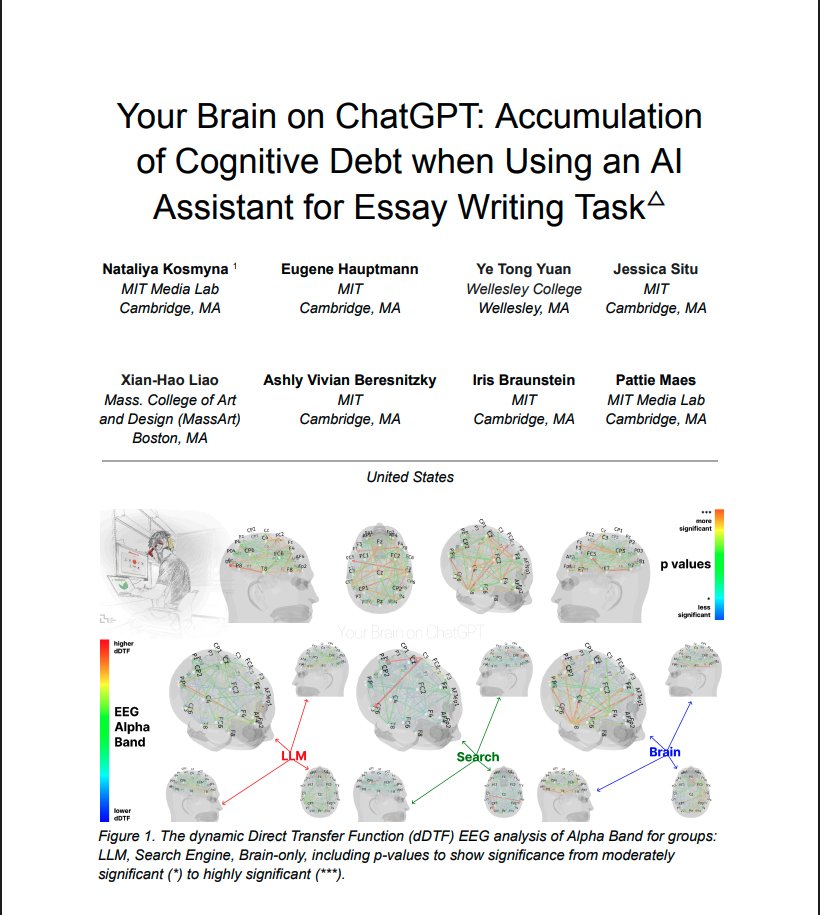
BREAKING: MIT just completed the first brain scan study of ChatGPT users & the results are terrifying.
Turns out, AI isn't making us more productive. It's making us cognitively bankrupt.
Here's what 4 months of data revealed:
(hint: we've been measuring productivity all wrong)
𝗦𝗼𝗳𝘁𝘄𝗮𝗿𝗲 𝗘𝗻𝗴𝗶𝗻𝗲𝗲𝗿𝗶𝗻𝗴 𝗟𝗮𝘄𝘀 𝗬𝗼𝘂 𝗠𝘂𝘀𝘁 𝗞𝗻𝗼𝘄
Here is the list of the most crucial software engineering laws you should know:
𝟭. 𝗣𝗮𝗿𝗸𝗶𝗻𝘀𝗼𝗻’𝘀 𝗟𝗮𝘄 - "Work expands to fill the available time."
Tasks tend to take up as much time as allocated. Setting realistic deadlines helps avoid unnecessary scope and work expansions. Without clear boundaries, teams might spend more time than necessary, delaying project completion.
👉 Why it matters: Set precise deadlines to maintain focused effort and avoid wasted resources.
𝟮. 𝗛𝗼𝗳𝘀𝘁𝗮𝗱𝘁𝗲𝗿’𝘀 𝗟𝗮𝘄 - "It always takes longer than you expect, even when accounting for Hofstadter’s Law."
Software development estimates are often optimistic. Even when you factor in delays, unexpected complications arise. Adding generous buffers can mitigate unrealistic expectations.
👉 Why it matters: Always add buffers to your estimates to manage expectations and prevent burnout.
𝟯. 𝗕𝗿𝗼𝗼𝗸𝘀’ 𝗟𝗮𝘄 - "Adding manpower to a late software project makes it later."
Increasing team size late in a project adds overhead, as new members require a ramp-up period, and improved communication is necessary. This overhead can further slow down progress.
👉 Why it matters: Optimize your existing team's efficiency rather than expanding late in a project.
𝟰. 𝗖𝗼𝗻𝘄𝗮𝘆’𝘀 𝗟𝗮𝘄 - "Organizations design systems mirroring their communication structure."
The product architecture reflects team structures and communication patterns. Aligning your organizational structure with your desired system architecture ensures cohesive and efficient designs.
👉 Why it matters: Structure teams to reflect desired product outcomes, ensuring clear and effective communication.
𝟱. 𝗖𝘂𝗻𝗻𝗶𝗻𝗴𝗵𝗮𝗺’𝘀 𝗟𝗮𝘄 - "The best way to get the right answer is not asking a question, but posting the wrong answer."
People are quick to correct errors. By proactively engaging with imperfect solutions, you prompt rapid feedback and knowledge transfer, which resolves issues more quickly.
👉 Why it matters: Post imperfect solutions to prompt quicker feedback and knowledge sharing.
𝟲. 𝗦𝘁𝘂𝗿𝗴𝗲𝗼𝗻’𝘀 𝗟𝗮𝘄 - "90% of everything is crap."
Most ideas, code, or features add little value. Rigorous prioritization ensures efforts focus on high-impact areas, significantly benefiting overall productivity and project outcomes.
👉 Why it matters: Prioritize rigorously and focus efforts only on the most impactful features.
𝟳. 𝗭𝗮𝘄𝗶𝗻𝘀𝗸𝗶’𝘀 𝗟𝗮𝘄 - "Every program expands until it can read mail."
Software tends to grow unnecessarily complex by continuously adding features. Vigilance against feature creep helps maintain simplicity, clarity, and user satisfaction.
👉 Why it matters: Regularly review and cut unnecessary features to maintain simplicity and usability.
#softwareengineering #programming #coding
𝗗𝗲𝘃𝗢𝗽𝘀 𝗮𝘀 𝗮 𝗕𝘂𝗿𝗴𝗲𝗿 (𝗗𝗮𝗮𝗕)
What should the DevOps engineer roadmap look like:
𝟭. 𝗟𝗲𝗮𝗿𝗻 𝗮 𝗽𝗿𝗼𝗴𝗿𝗮𝗺𝗺𝗶𝗻𝗴 𝗹𝗮𝗻𝗴𝘂𝗮𝗴𝗲 (Python, Go, ...) to write automation scripts
𝟮. 𝗠𝗮𝘀𝘁𝗲𝗿 𝗼𝗻𝗲 𝗼𝗽𝗲𝗿𝗮𝘁𝗶𝗻𝗴 𝘀𝘆𝘀𝘁𝗲𝗺 (Linux) and its command-line interface (CLI)
𝟯. 𝗠𝗮𝘀𝘁𝗲𝗿 𝘀𝗲𝗿𝘃𝗲𝗿 𝗺𝗮𝗻𝗮𝗴𝗲𝗺𝗲𝗻𝘁, web servers, including proxies such as Nginx or IIS
𝟰. 𝗘𝘅𝗽𝗹𝗼𝗿𝗲 𝗰𝗼𝗻𝘁𝗮𝗶𝗻𝗲𝗿𝗶𝘇𝗮𝘁𝗶𝗼𝗻 𝘂𝘀𝗶𝗻𝗴 𝗗𝗼𝗰𝗸𝗲𝗿
𝟱. 𝗖𝗵𝗲𝗰𝗸 𝗰𝗼𝗻𝘁𝗮𝗶𝗻𝗲𝗿 𝗼𝗿𝗰𝗵𝗲𝘀𝘁𝗿𝗮𝘁𝗶𝗼𝗻 𝘄𝗶𝘁𝗵 𝗞𝘂𝗯𝗲𝗿𝗻𝗲𝘁𝗲𝘀
𝟲. 𝗨𝗻𝗹𝗼𝗰𝗸 𝗜𝗻𝗳𝗿𝗮𝘀𝘁𝗿𝘂𝗰𝘁𝘂𝗿𝗲 𝗮𝘀 𝗖𝗼𝗱𝗲 (IaC) using tools like Terraform, Ansible, Chef, or Puppet for provisioning and configuration management
𝟳. 𝗨𝗻𝗱𝗲𝗿𝘀𝘁𝗮𝗻𝗱 𝗻𝗲𝘁𝘄𝗼𝗿𝗸 𝗽𝗿𝗼𝘁𝗼𝗰𝗼𝗹𝘀: DNS, IP addresses, ports, and the OSI model
𝟴. 𝗘𝗺𝗯𝗿𝗮𝗰𝗲 𝗖𝗼𝗻𝘁𝗶𝗻𝘂𝗼𝘂𝘀 𝗜𝗻𝘁𝗲𝗴𝗿𝗮𝘁𝗶𝗼𝗻/𝗖𝗼𝗻𝘁𝗶𝗻𝘂𝗼𝘂𝘀 𝗗𝗲𝗽𝗹𝗼𝘆𝗺𝗲𝗻𝘁 (𝗖𝗜/𝗖𝗗) 𝗽𝗿𝗮𝗰𝘁𝗶𝗰𝗲𝘀 for automating app delivery and deployment stages
𝟵. 𝗠𝗮𝘀𝘁𝗲𝗿 𝗺𝗼𝗻𝗶𝘁𝗼𝗿𝗶𝗻𝗴 𝘁𝗲𝗰𝗵𝗻𝗶𝗾𝘂𝗲𝘀 for real-time oversight of applications, services, and infrastructure
𝟭𝟬. 𝗚𝗮𝗶𝗻 𝗵𝗮𝗻𝗱𝘀-𝗼𝗻 𝗲𝘅𝗽𝗲𝗿𝗶𝗲𝗻𝗰𝗲 𝘄𝗶𝘁𝗵 𝗖𝗹𝗼𝘂𝗱 𝗽𝗿𝗼𝘃𝗶𝗱𝗲𝗿𝘀 like AWS and Azure.
#programming #devops #developers
This may be the greatest fucking hockey card ever. I’m savoring it as one would a glass of fine wine. I detect notes of mullet, Cooperalls, and a Camaro with tinted windows awaiting him in the parking lot.
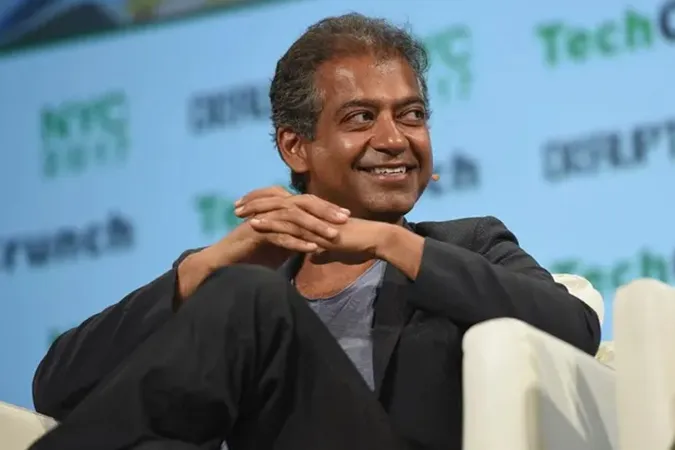
Naval Ravikant cracked the code on wealth and happiness.
But most people struggle their entire lives because they ignore his wisdom.
Don't let that be you.
These 6 life-changing insights will shift your mindset forever🧵:
Charles Bukowski shocked the world in 1987.
He finally became famous for writing about modern American life that included extreme violence & s*x acts.
I spent the last 5 years digesting it all...
And these are the 14 things I can't stop thinking about: