🦟 A major milestone in Ghana’s fight against malaria!
Reported malaria deaths have declined dramatically, from 3,259 deaths in 2011 to just 52 in 2025, representing a 98% reduction.
📉 3,259 → 52 deaths
📊 98% reduction
This highlights the importance of vector-control efforts.
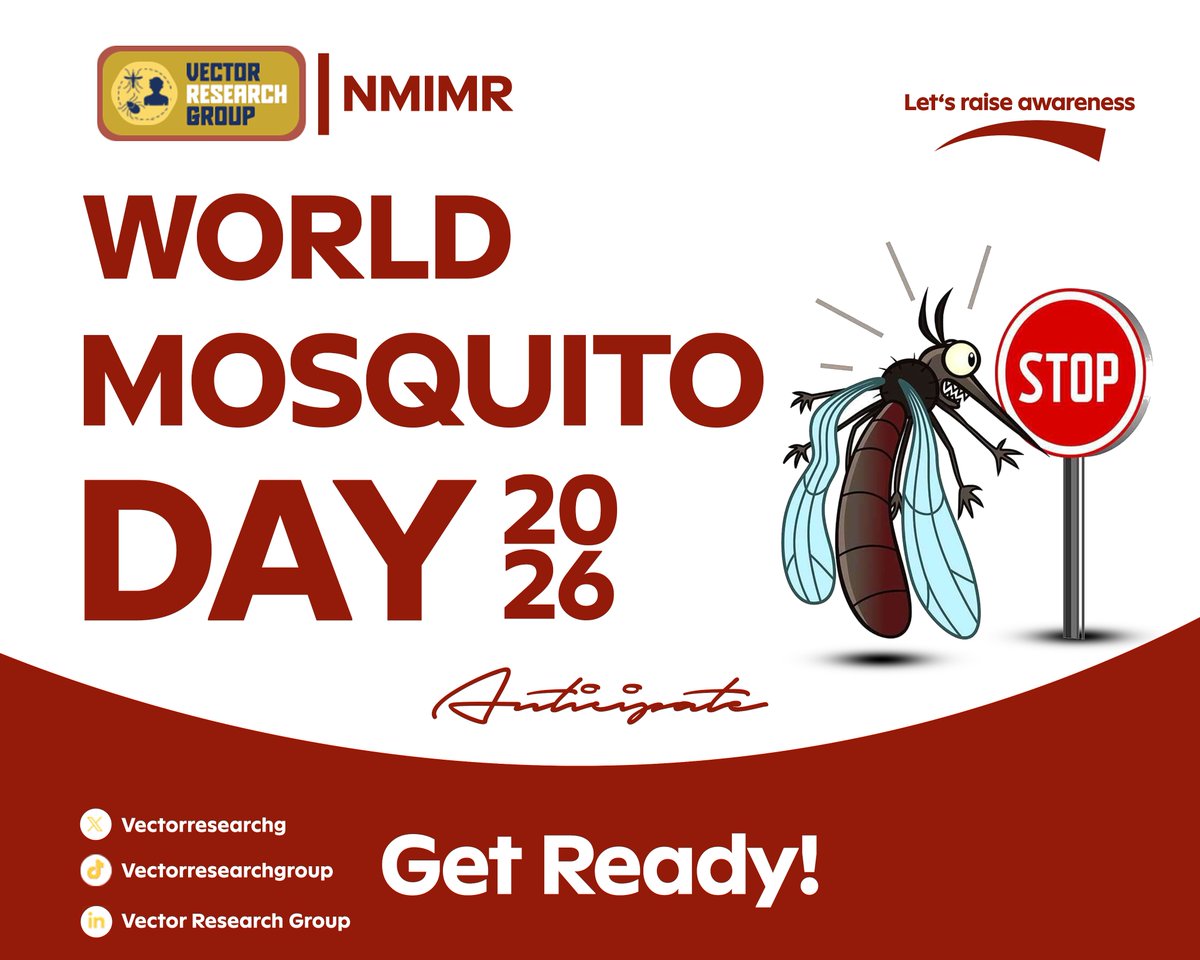
World Mosquito Day 2026 Webinar
Date: Wednesday, 19th August 2026
Time: 3:00 PM GMT
Featured Speakers:
● Prof. Kingsley Badu
● Dr. Noah H. Rose
● Dr. Hilarius A.K. Abiwu
Register :https://t.co/wBT73B3iY9
#worldmosquitoday26#vectors#noguchi
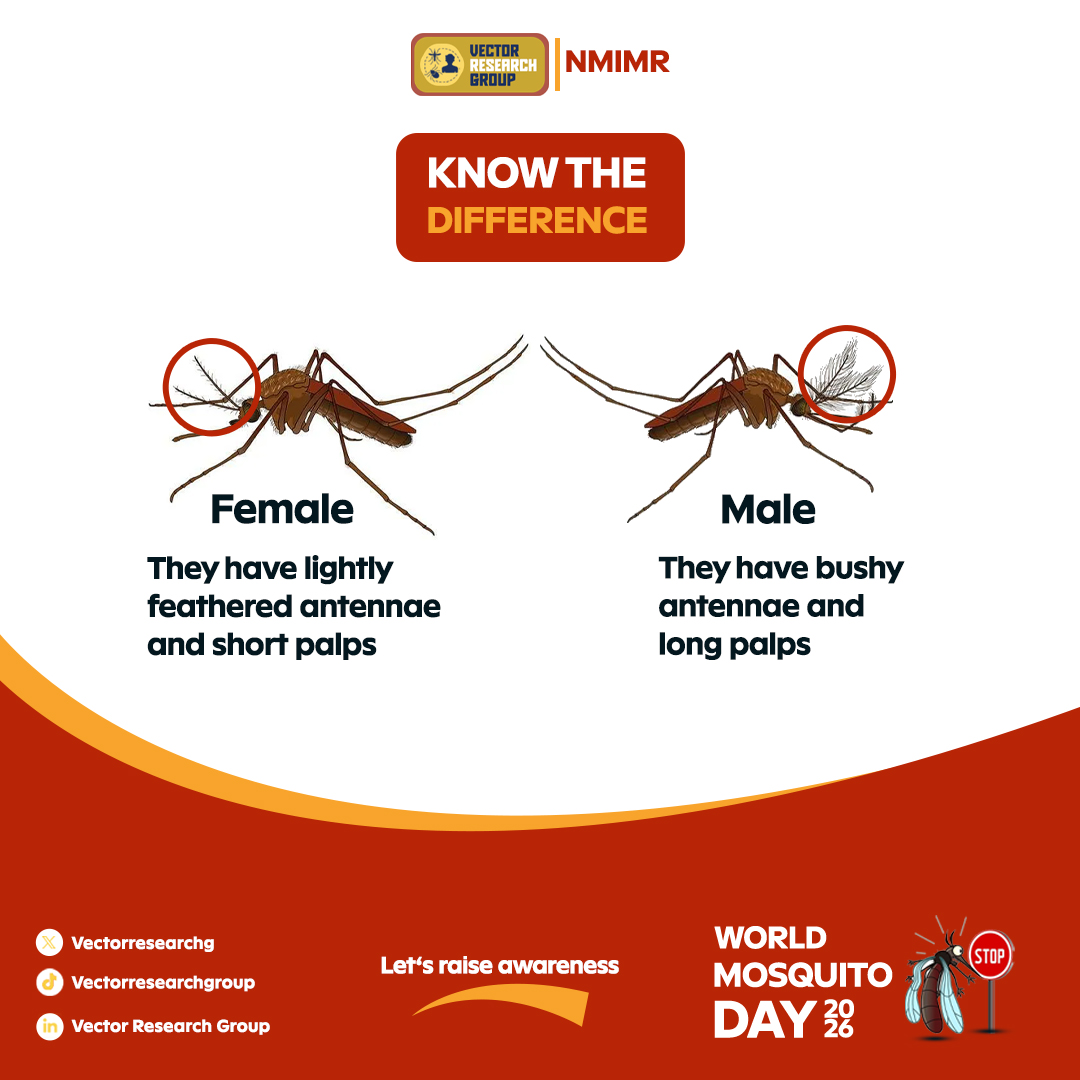
Not all mosquitoes are the same!
Male: Feathery antennae, feed on nectar, don't bite people.
Female: Less feathery antennae, need a blood meal to develop eggs, and are the ones that bite.
Next time you see a mosquito, look closely,you might be able to tell the difference!
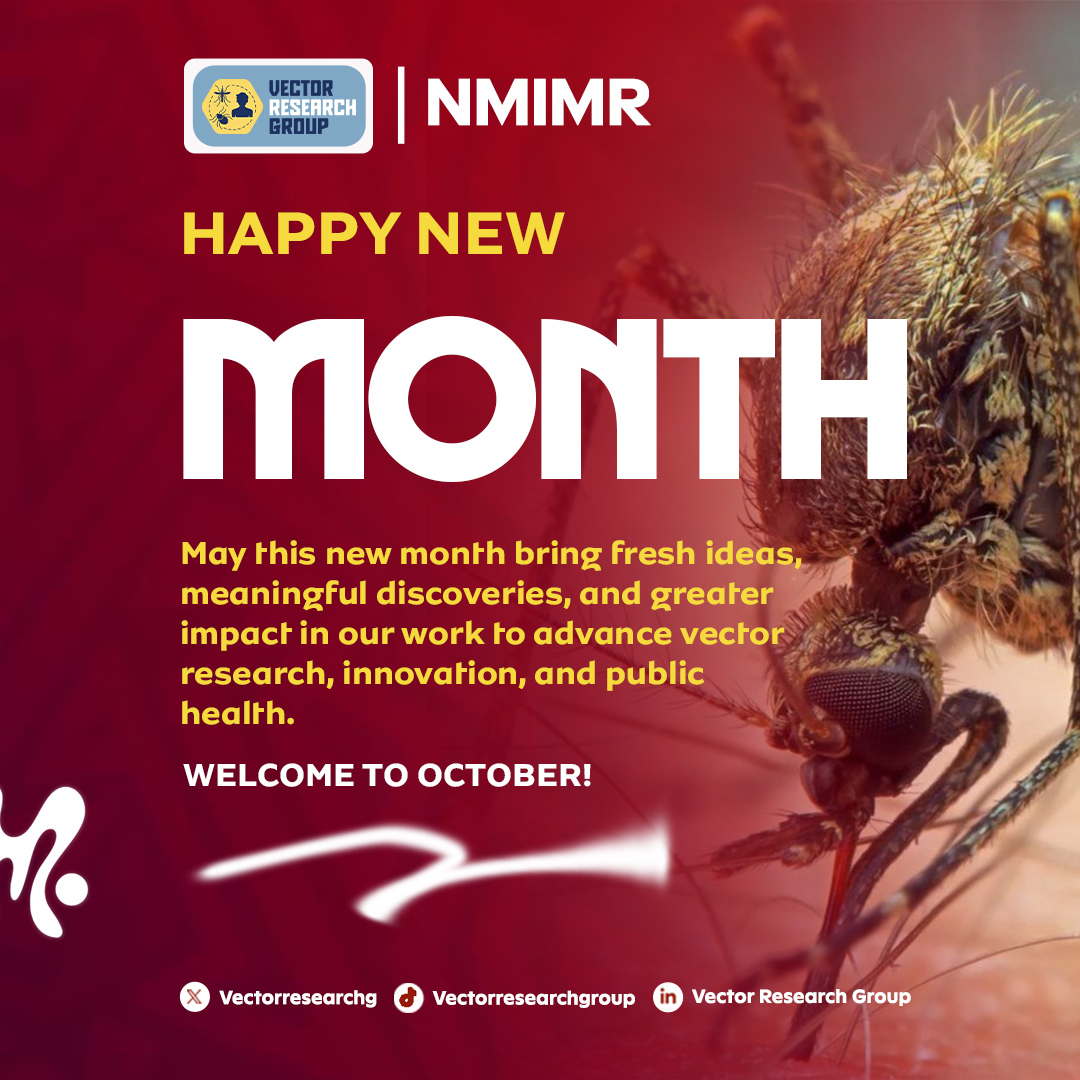
August is Mosquito Awareness Month! 🦟
We're excited to bring you a month full of engaging content on mosquitoes-from fascinating facts and disease prevention to vector surveillance, research insights, and control strategies.
Stay tuned. You won't want to miss what's coming.
Research suggests that people with blood type O may attract mosquitoes more than others. However, factors such as body odor, carbon dioxide, body heat, and sweat also play a major role in mosquito attraction.
Dr. Jewelna Akorli research examines the microbial communities inside the mosquito midgut and their potential to block parasites before they can be transmitted.
Discover her journey by scanning the QR CODE
#Vectorresearchgroup#mozibiome#microbiota#vector
Why Are Mosquitoes Dangerous? 🦟
Tiny insects. Massive impact. Learn how mosquitoes spread deadly diseases like malaria, dengue, and yellow fever, and how you can protect yourself and your family.
#vectorresearchgroup#vectors#mosquitoes#mosquitoeday
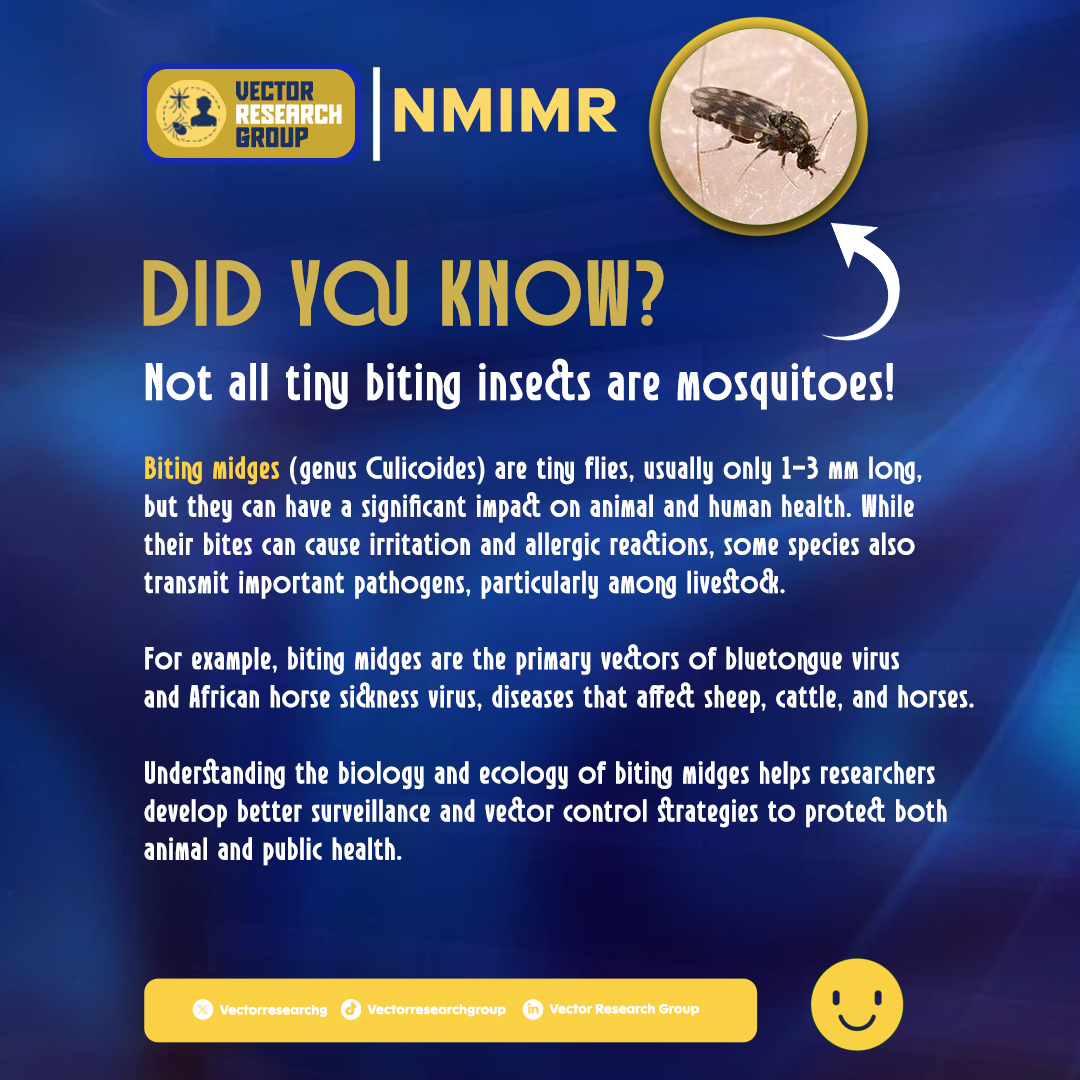
Biting midges may be small enough to go unnoticed, but their impact on animal and public health can be significant. Understanding these overlooked vectors is essential for improving surveillance, strengthening vector control, and protecting both humans and livestock.
#Vectors
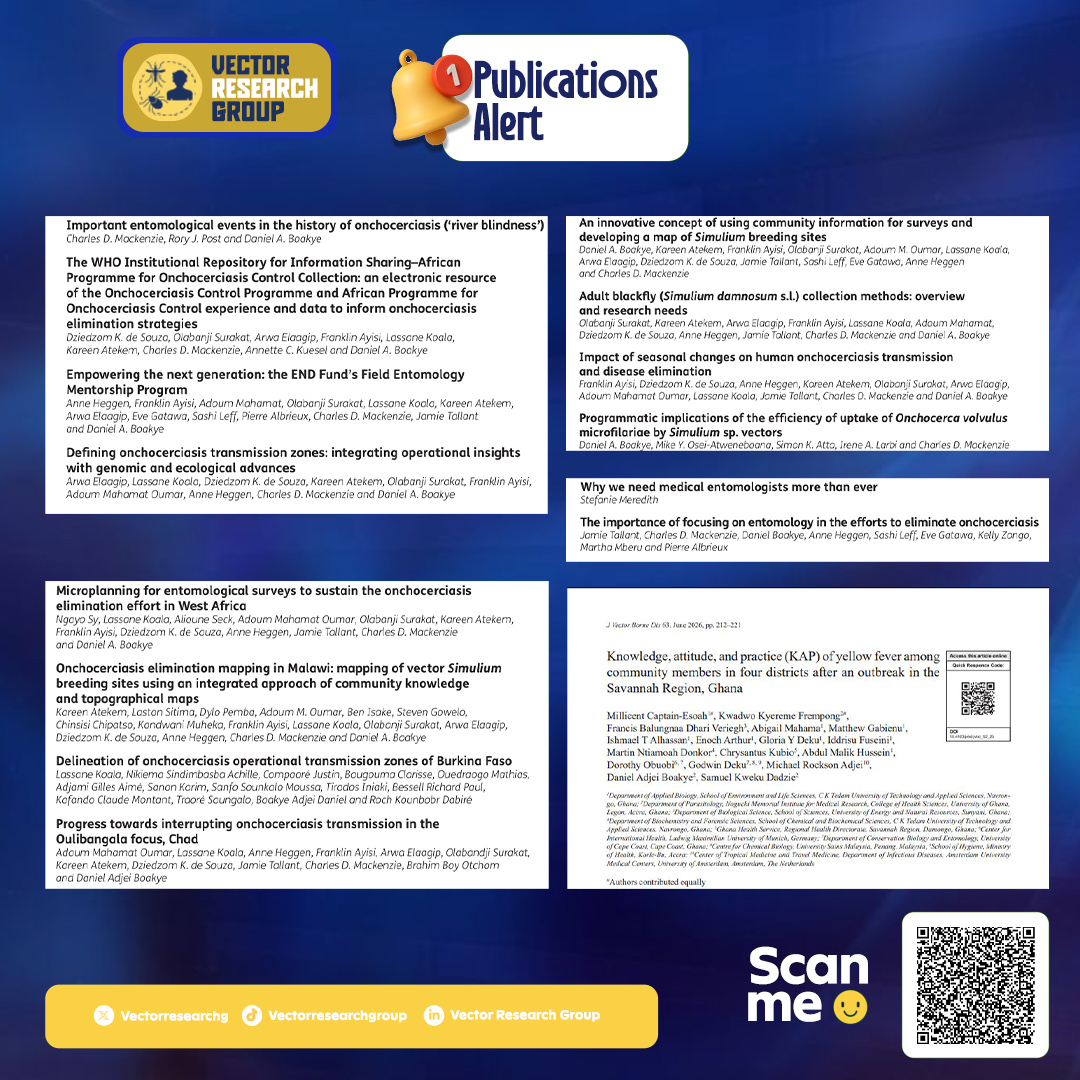
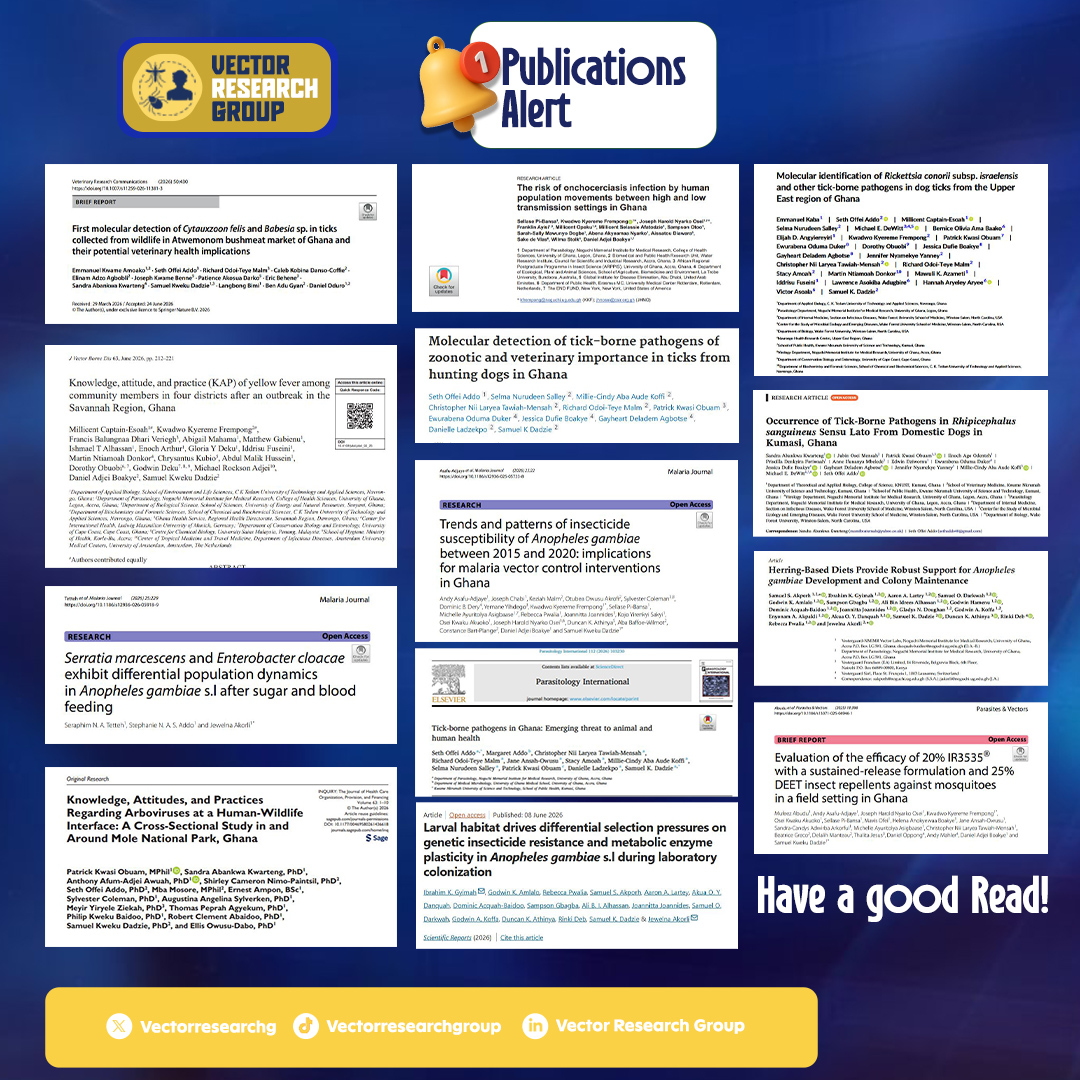
📚 Publications Alert!
So far in 2026, the Vector Research Group has published 13 peer-reviewed papers.
🦟 Malaria, Mosquito Biology & Vector Control: 6
🕷️ Tick-Borne Diseases & Veterinary Health: 5
🦠 Arboviruses & Other VBDs: 2
Advancing science for better public health.
#VRG
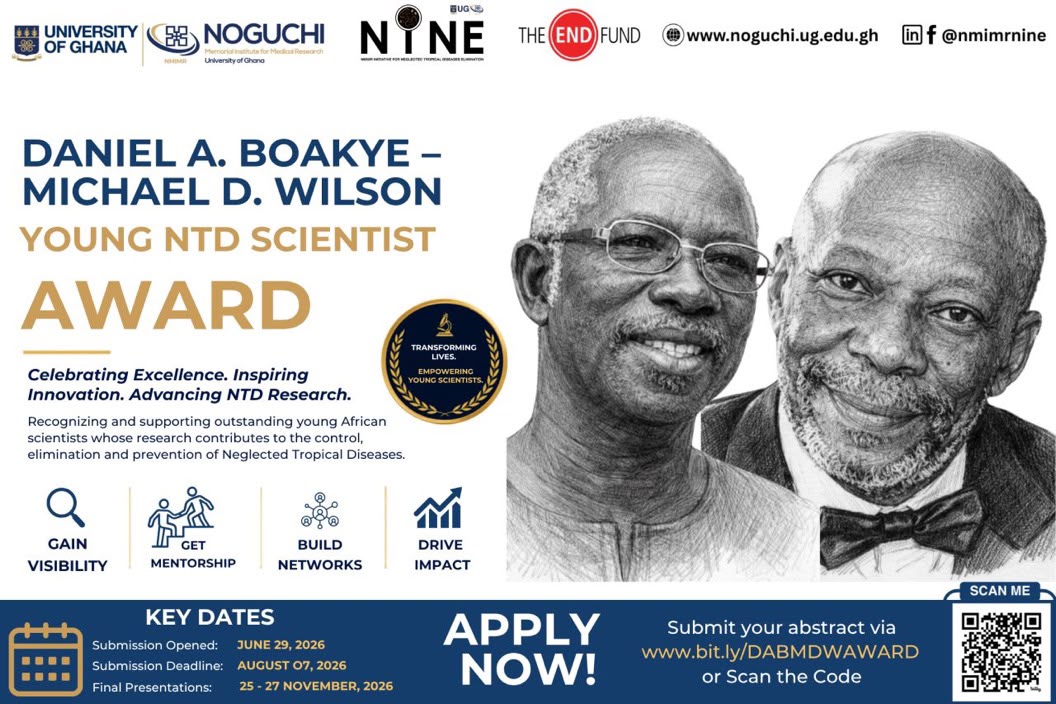
The Daniel A. Boakye – Michael D. Wilson Young NTD Scientist Award celebrates outstanding young African scientists advancing research in Neglected Tropical Diseases (NTDs).
A great opportunity for visibility, mentorship, networking, and impact in global health.
Deadline: 07-08-26
The word deadly is very dangerous so are mosquitoes.
According to World Health Organization, 282 million malaria cases, and 610,000 malaria deaths globally in 2024.
About 95% of malaria deaths occurred in Africa. Let start with distilling those choked gutters. #ghana#africa
Dengue is transmitted to humans through the bite of infected Aedes mosquitoes, mainly Aedes aegypti .Unlike malaria mosquitoes, these mosquitoes are most active during the daytime. Protect yourself by avoiding mosquito bite. Together, we can reduce the spread of dengue.
On African Union Day, we celebrate not only Africa’s unity, but also the collective efforts of African scientists, researchers, and health workers fighting vector-borne diseases across the continent.
#vectorresearchgroup#mosquitobiology#africanunion
A day in the laboratory, where mosquito research meets precision and purpose. 🦟🔬
From observing mosquitoes in cages to detailed lab procedures, every step supports vector research and the fight against vector-borne diseases.
#VectorResearchGroup#VectorLab#Entomology#ghana