@bigtimetapin @cgrayindustries @rustlang@dioxuslabs@solana@ore Sure! I wrote this simple nft staking contract https://t.co/6N1ceKd3v0
Primary author of the first version of the GenesysGo shadow-drive-rust crate https://t.co/mRXFhQibRH
Idle game built at sol hacker house with @cgrayindustries https://t.co/HWQt4NQAWY
The discourse around around machine learning and image creation reminds me of how Tron was disqualified from receiving an oscar nomination for special effects because the academy thought that using computers was cheating
I wrote Go for the first time in a year after writing Rust that whole time. Rust is amazing but damn. Go is also amazing in its own right. Green threads with garbage collection is just so nice. Didn’t even have to clone one Arc.
@CavemanLoverBoy Seems like a good project to diff an @anchorlang IDL and detect breaking and additive changes and spit out a new semver based on a previous one.
Who’s out there enforcing semver or the like on their #Solana programs to make sure composability is maintained during upgrades? What tools are you using?
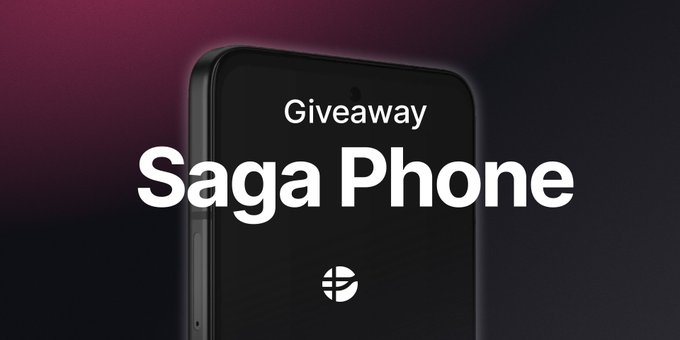
We couldn’t let our Saga end after one chapter...
That’s why we’re giving away another Saga phone to one lucky winner who Likes and Retweets this post, and follows PsyOptions and @solendprotocol!
The winner of our 1st giveaway will be announced on the 26th.
Good luck!🤝
This is a pretty good explanation of slippage.
Next easy win for crypto UX? Display the price range with slippage accounted for so people don’t have to do math. It should just say “you pay 250 - 275”.
Let’s say it’s the FORGE phase and the current price is 250 FORGE, if you set the slippage at 10%, it means that your transaction will go through if the price increases by at most 10%, so you’re willing to pay 275 FORGE if you set 10% slippage in that case.